In a nutshell
- Italy offers exceptional variety, from ancient cities like Rome and art-rich destinations like Florence to coastal icons such as Cinque Terre and the Amalfi Coast, making it suitable for first-time visitors and repeat travelers alike.
- The top 10 list balances different travel styles: city lovers can focus on Rome, Florence, and Venice; nature lovers should consider the Dolomites and Lake Como; while those after sun, beaches, and authenticity will find Puglia and Sicily especially rewarding.
- Cinque Terre stands out for experiential travel, especially with a hike along the coastal path between the five villages and a limoncello tasting with a local family, combining scenery with a more personal connection to the destination.
- First-time itineraries work best when kept simple, often combining iconic stops like Rome + Florence + Venice with one scenic area such as Tuscany or Cinque Terre, instead of trying to cover the whole country too quickly.
- Italy can suit different budgets, and even a substantial budget like $10,000 can comfortably support a 10-14 day trip with quality stays, transport, food, and activities, especially when traveling in shoulder season and planning key bookings in advance.
Italy has that rare talent of being many countries in one. One day you are standing in front of ancient ruins, the next you are hiking above the sea, and after that you are debating whether gelato counts as a proper lunch. In this guide, we explore the best places to visit in Italy for first-timers, romantics, food lovers, art fans, and anyone who likes a trip with a little wow-factor built in.
From iconic cities to dreamy coastlines and mountain landscapes, Italy offers extraordinary variety in a relatively small space. That is exactly what makes planning tricky: there is simply too much beauty packed into one boot-shaped country. To make things easier, here is a curated top 10 with practical inspiration, standout experiences, and the kind of places that stay in your camera roll forever.
Italy at a glance: which destinations fit your travel style?
Italy is best experienced by matching destinations to your interests, travel pace, and season. Some places are ideal for a first trip, others are better for slow travel, hiking, beach time, or food-focused itineraries. Choosing well matters more than trying to see everything in one go.
| Destination | Best for | Ideal stay | Best season |
|---|---|---|---|
| Rome | History, landmarks, first-time trips | 3-4 days | Spring, autumn |
| Florence | Art, museums, Renaissance culture | 2-3 days | Spring, autumn |
| Venice | Romance, unique cityscapes | 2 days | Late spring, early autumn |
| Cinque Terre | Hiking, sea views, villages | 2-3 days | Spring, early autumn |
| Amalfi Coast | Scenic drives, villages, sea | 3-4 days | May, June, September |
| Tuscany | Countryside, wine, road trips | 4-6 days | Spring, harvest season |
| Lake Como | Relaxation, elegant landscapes | 2-3 days | Spring, summer |
| Dolomites | Mountains, trekking, nature | 3-5 days | Summer, winter |
| Puglia | Authentic south, beaches, towns | 4-6 days | Late spring, summer |
| Sicily | Culture, food, beaches, variety | 5-8 days | Spring, early autumn |
Top 10 best places to visit in Italy
These ten destinations offer a balanced introduction to Italy’s most memorable landscapes, cities, and cultural regions. Together, they cover the country’s greatest strengths: ancient history, world-famous art, coastal beauty, mountain scenery, and food that can ruin all future sandwiches.
1. Rome
Rome is the essential first stop for travelers who want to understand Italy’s historical depth and urban energy. It combines ancient ruins, monumental squares, remarkable churches, and everyday local life in a way that feels both grand and surprisingly lived-in.
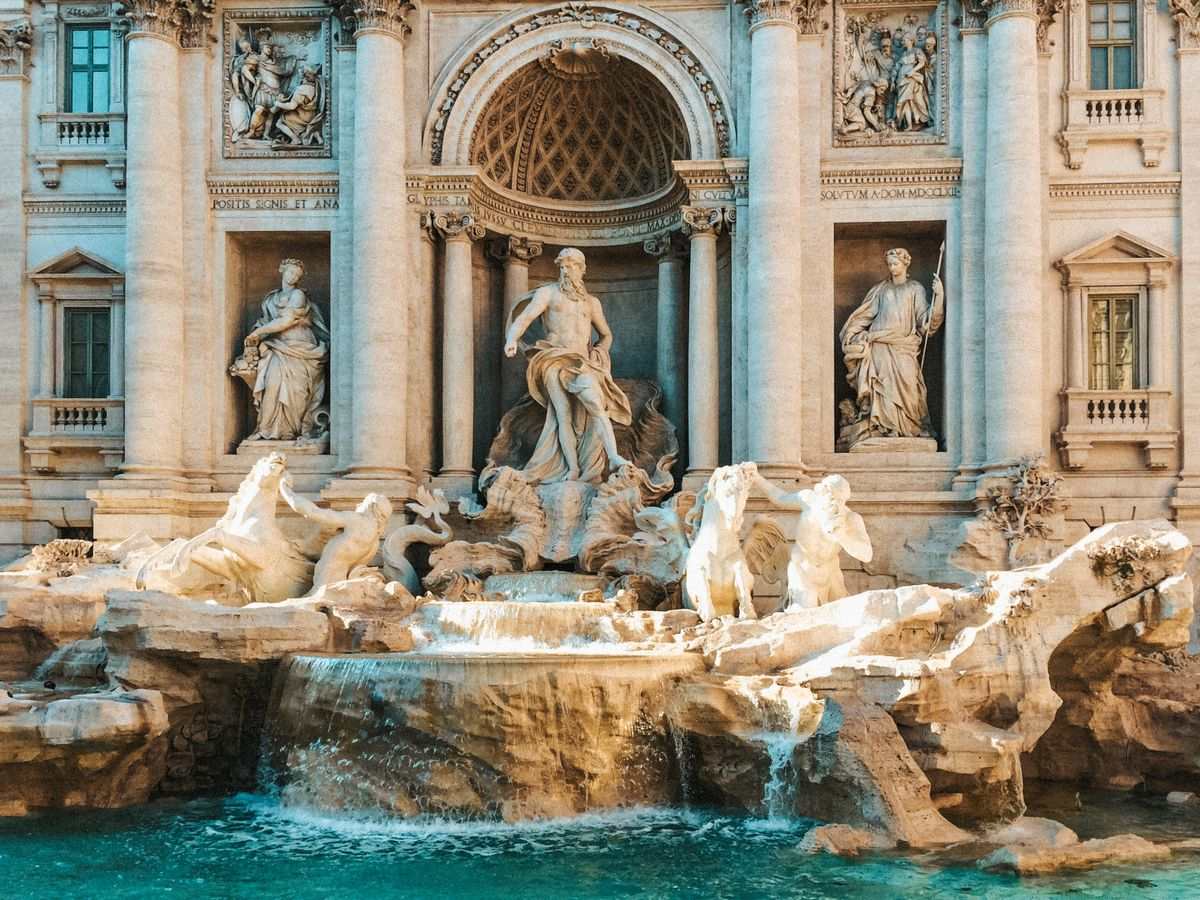
The Colosseum, Roman Forum, Pantheon, and Trevi Fountain are obvious highlights, but the real magic of Rome is how casually it presents them. You can turn a corner and bump into 2,000 years of history before your morning espresso has even kicked in.
For a first-time visit, focus on a few neighborhoods rather than attempting military-grade sightseeing. Wander through Centro Storico, cross into Trastevere for dinner, and save time for Vatican City. Rome is layered, chaotic, beautiful, and occasionally determined to test your patience. Very lovable, basically.
2. Florence
Florence is one of Italy’s richest cultural destinations and a natural choice for lovers of art, architecture, and elegant city breaks. Its compact historic center makes it easy to explore on foot while still offering world-class museums and unforgettable views.
Climb up to Piazzale Michelangelo, visit the Uffizi Gallery, and admire the dome of Santa Maria del Fiore. The city feels refined without being stiff, and every street seems to have agreed to be photogenic.
Florence also works well as a base for day trips into Tuscany. So yes, you can spend the morning with Botticelli and the afternoon with a plate of pici and a glass of Chianti. Not a bad schedule, honestly.
3. Venice
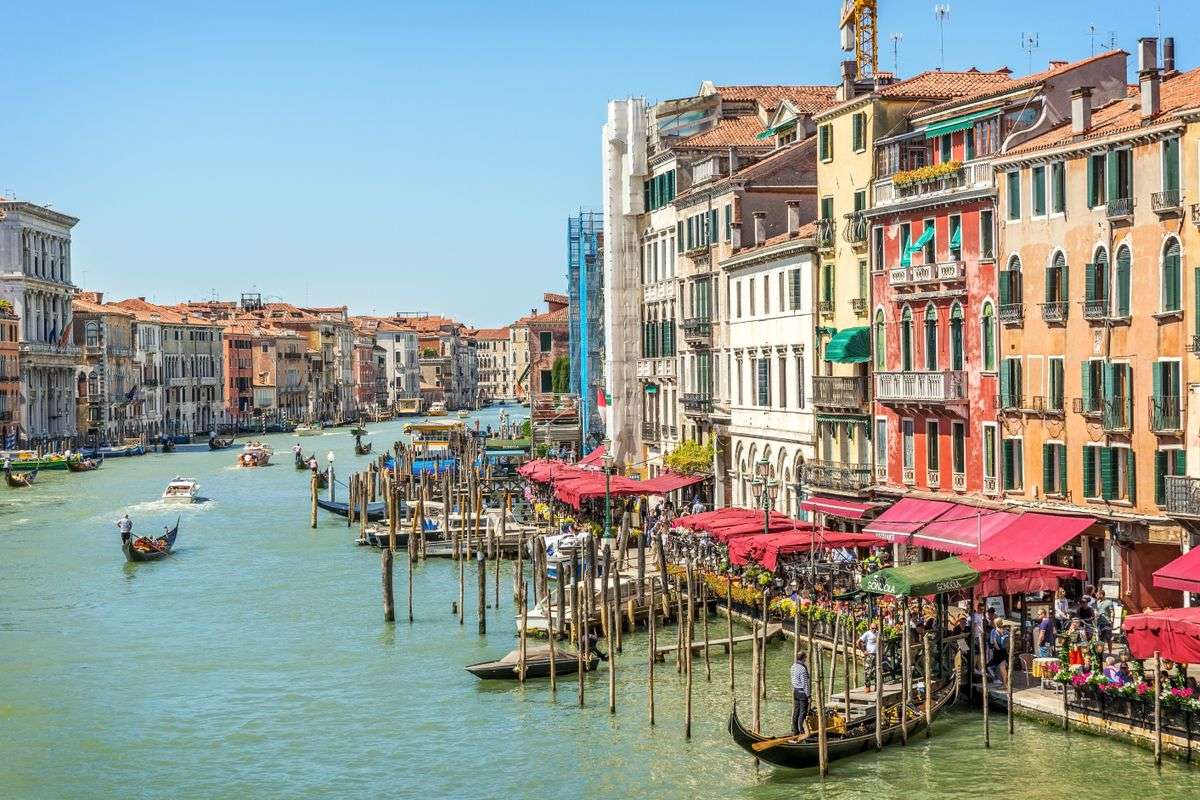
Venice offers one of the most distinctive urban experiences in the world. Built on water and shaped by canals, bridges, and narrow lanes, it feels unlike anywhere else in Italy or beyond. Even when busy, its atmosphere remains exceptional.
Visit St. Mark’s Basilica, the Doge’s Palace, and the Rialto Bridge, but leave room for aimless walking. Venice rewards curiosity more than planning. The quieter backstreets, small squares, and canal views are often more memorable than the big-ticket stops.
Yes, a gondola ride is touristy. Yes, it is also absurdly charming. Venice has a way of making you embrace clichés with zero resistance. One minute you are judging it, the next you are taking moody photos of laundry over a canal like you’re in an indie film.
4. Cinque Terre
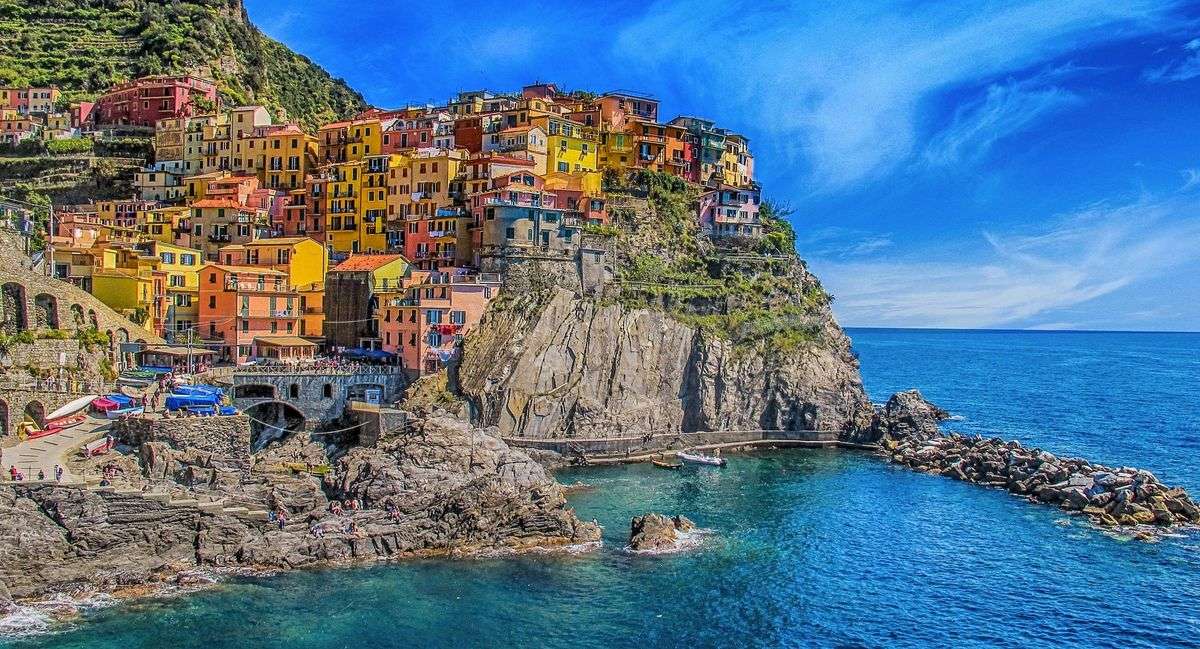
Cinque Terre is one of the best coastal destinations in Italy for travelers who want scenery, hiking, and village life in one compact area. Its five colorful settlements are linked by trains, walking trails, and dramatic views over the Ligurian Sea.
The must-do experience here is a hike along the Cinque Terre coastal path between the five villages. It is one of the most scenic walks in the country, with terraces, cliffs, and sea panoramas at every turn. For a more local moment, stop for a limoncello tasting with a local family, a simple experience that adds warmth and authenticity to the day.
Monterosso, Vernazza, Corniglia, Manarola, and Riomaggiore each have a different feel, so don’t rush. This is not a place for speed. This is a place for slow walks, salty air, and saying “just one more photo” at least 47 times.
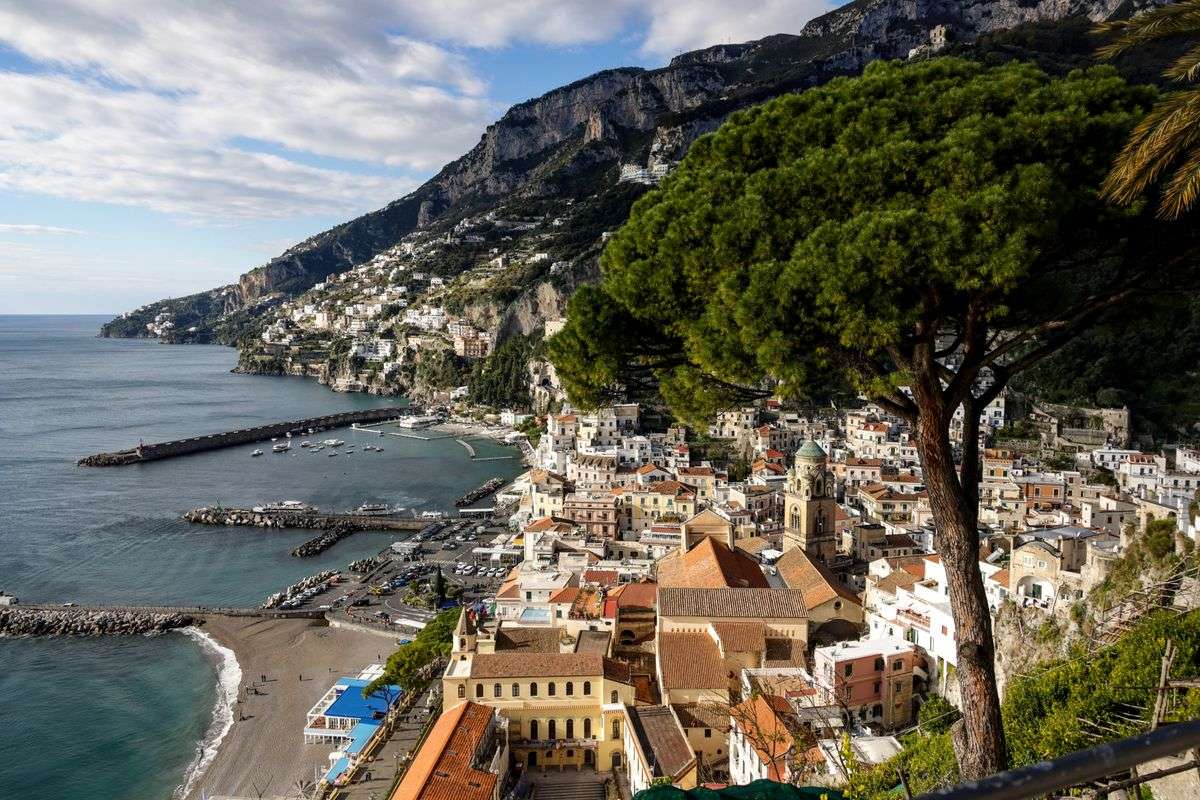
5. Amalfi Coast
The Amalfi Coast is ideal for travelers seeking dramatic coastal scenery, iconic villages, and a classic southern Italy atmosphere. It is one of the country’s most famous destinations for good reason, especially if you enjoy sea views with a side of glamour.
Positano, Amalfi, and Ravello are the standout towns, each with its own rhythm. Positano is visually unforgettable, Amalfi feels historic, and Ravello offers calmer panoramic beauty above the coast.
It can be crowded in peak season, and the roads are not exactly relaxing. Let’s just say the bus rides can turn complete strangers into spiritual companions. But when the light hits the cliffs and the sea below turns electric blue, all is forgiven immediately.
6. Tuscany
Tuscany is best for travelers who want countryside landscapes, hill towns, wine culture, and a slower pace. The region combines famous cities with rural beauty, making it one of Italy’s most versatile destinations for both first-time and repeat visitors.
Beyond Florence, consider Siena, San Gimignano, Val d’Orcia, Montepulciano, and Pienza. Renting a car gives you flexibility, especially if you want to explore vineyards, farm stays, and smaller villages.
This is peak postcard Italy: cypress-lined roads, golden hills, and long lunches that mysteriously become sunset aperitivi. If you leave Tuscany without saying “I could live here” at least once, were you even paying attention?
7. Lake Como
Lake Como is a strong choice for travelers looking for refined scenery, lakeside villages, and a more relaxed northern Italy itinerary. Its combination of mountains, water, gardens, and elegant villas creates a setting that feels polished but still inviting.
Base yourself in Bellagio, Varenna, or Como town, and use ferries to move around the lake. A boat trip is one of the best ways to understand the landscape and enjoy the villas from the water.
There is a glamorous side to Lake Como, of course, but you do not need a celebrity budget to enjoy it. A lakeside walk, a ferry ride, and a good plate of risotto already do a pretty convincing job.
8. Dolomites
The Dolomites are among the best places to visit in Italy for mountain lovers, hikers, and travelers who want a completely different side of the country. This UNESCO-listed range delivers alpine scenery, clean air, and excellent outdoor activities year-round.
In summer, explore trails around Tre Cime di Lavaredo or Lago di Braies. In winter, the area transforms into a major ski destination. Villages in South Tyrol also add a fascinating cultural blend of Italian and Alpine traditions.
If your mental image of Italy is only pasta and piazzas, the Dolomites arrive like a plot twist. Suddenly you are eating dumplings in the mountains and wondering why nobody warned you this country had such range.
9. Puglia
Puglia is ideal for travelers who want a sunnier, less hurried side of Italy with beautiful towns, beaches, and strong local identity. Located in the heel of the boot, it offers a rewarding mix of architecture, coast, and food traditions.
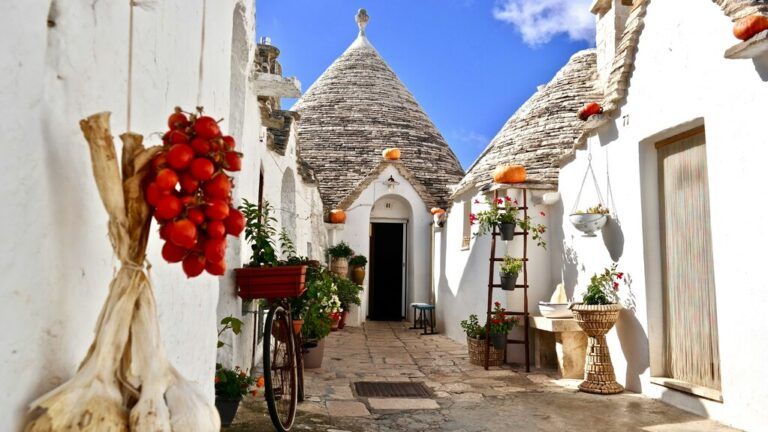
Don’t miss Alberobello and its trulli houses, the baroque beauty of Lecce, and whitewashed towns like Ostuni. Along the coast, places such as Polignano a Mare and the beaches of Salento offer some of southern Italy’s best seaside views.
Puglia feels wonderfully grounded. The food is simple and excellent, the towns glow in the sun, and life seems to move at a much saner pace. Also, it is dangerously easy to build an entire day around burrata. No judgment here.
10. Sicily
Sicily is one of Italy’s most complete destinations, combining archaeology, beaches, volcanoes, cities, and a distinct culinary identity. For travelers with more time, it offers exceptional diversity and a deeper look into the Mediterranean character of the country.
Consider a route that includes Palermo, Catania, Taormina, Siracusa, and Mount Etna. Ancient sites like the Valley of the Temples add another major draw, especially for history lovers.
Sicily does not do things halfway. The flavors are bold, the history is layered, the landscapes are dramatic, and even a casual granita can become the emotional highlight of your morning. It is intense in the best possible way.
Which part of Italy is the most beautiful?
There is no single answer because Italy’s beauty changes completely from region to region. The most visually striking area for one traveler may be the most atmospheric, relaxing, or culturally rich for another, depending on expectations and travel style.
If you love coastal scenery, Cinque Terre and the Amalfi Coast are hard to beat. For countryside, Tuscany is the classic choice. For lakes and elegance, Lake Como stands out. For alpine drama, the Dolomites are unmatched. And for a complete mix of architecture, food, and sea, Sicily and Puglia are incredibly rewarding.
A better question might be: what kind of beauty are you after? Italy has theatrical beauty, sleepy beauty, wild beauty, and “I accidentally took 300 photos before lunch” beauty.
How to choose the right destinations for your first trip
For a first trip to Italy, the best approach is to balance iconic cities with one slower, scenic destination. This gives you a fuller experience of the country without turning your itinerary into a competitive sport based on train schedules.
- Love history? Start with Rome and add Florence.
- Want romance? Pair Venice with Lake Como.
- Prefer scenery? Choose Cinque Terre, Tuscany, or the Amalfi Coast.
- Looking for value and authenticity? Consider Puglia or Sicily.
- Traveling in summer? The Dolomites can be cooler and less intense than major cities.
For many first-timers, a route like Rome + Florence + Venice works well. If you have extra days, add one scenic stop rather than three more cities. Italy is much more enjoyable when it feels tasted, not ticked off.
How much budget do you need for Italy?
Italy can fit a wide range of budgets, from affordable regional trips to luxury escapes. Costs depend heavily on season, accommodation style, transport choices, and how often you say yes to wine, pastries, and “just one more little antipasto.”
A budget of $10,000 is more than enough for many Italy trips, especially for two people traveling for around 10 to 14 days. It can comfortably cover flights, quality accommodation, trains, meals, activities, and a few splurges. For solo travelers or off-season trips, it can go even further.
To keep costs balanced:
- Travel in shoulder season.
- Use trains between major cities.
- Book landmark tickets early.
- Mix famous destinations with less expensive regions.
- Leave room in the budget for food, because Italy is not the place for sad financial discipline.
Ready to plan your Italian adventure?
Italy rewards every kind of traveler, whether you want iconic cities, scenic coastlines, mountain trails, or long meals in sunlit piazzas. The best itinerary is rarely the one with the most stops; it is the one that gives each place enough space to surprise you.
If you want to explore these unforgettable destinations with the right mix of freedom, new people, and zero stress over planning every detail, discover the WeRoad group trips to Italy and find the route that matches your travel style.
FAQ
- What are the top 5 cities in Italy to visit?
-
For many travelers, the top five cities are Rome, Florence, Venice, Naples, and Milan. Rome is best for history, Florence for art, Venice for atmosphere, Naples for energy and food, and Milan for fashion and modern city life.
- Where should I go in Italy for my first time?
-
A classic first itinerary includes Rome, Florence, and Venice. This combination gives you ancient history, Renaissance art, and one of the world’s most unique cities. If you have extra time, add Tuscany or Cinque Terre for scenery.
- When is the best time to visit Italy?
-
The best periods are usually spring and early autumn, when temperatures are pleasant and crowds are more manageable than in peak summer. Coastal areas shine from May to September, while the Dolomites are excellent in both summer and winter.
- Is Italy better for cities, beaches, or countryside?
-
Italy is strong in all three categories. Choose Rome, Florence, and Venice for cities, Amalfi Coast, Puglia, and Sicily for beaches, and Tuscany or the Dolomites for countryside and nature.
- How many days do you need to see Italy well?
-
For a first taste, 10 to 14 days is a good starting point. That gives enough time for two or three major destinations plus one slower scenic area, without rushing through the trip.