In a nutshell
- Rome’s essential landmarks include the Colosseum, Roman Forum, Palatine Hill, Pantheon, Trevi Fountain, and Spanish Steps, with early visits and advance booking strongly recommended to reduce queues and improve the experience.
- Vatican City deserves at least half a day, especially for the Vatican Museums, Sistine Chapel, St. Peter’s Basilica, and the dome climb, which offers one of the city’s best panoramic views.
- Neighborhoods such as Trastevere, Monti, Testaccio, and Ostiense reveal different sides of Rome, from classic cobbled charm and nightlife to local food culture, independent shops, and more contemporary urban character.
- Local experiences add balance to a Rome itinerary, including the Sunday market at Porta Portese with vinyl records, used books, and vintage clothes, plus relaxing stops like Villa Borghese, Pincio Terrace, and Campo de’ Fiori.
- Rome can be done in 3 days with a smart plan, but the city rewards slower travel through longer meals, walkable itineraries, and a mix of headline sights and everyday moments rooted in Roman life and cuisine.
Rome is the kind of city that can make you feel wildly cultured and slightly distracted at the same time. One minute you are admiring a two-thousand-year-old temple, the next you are fully committed to choosing between gelato flavors like it is a life decision. If you are looking for the best things to do in Rome, the good news is that the Eternal City makes it very easy to fill your days with history, food, neighborhoods, and a little glorious chaos.
Whether it is your first visit or your third, Rome rewards curiosity. The classics absolutely deserve the hype, but the city also shines in its quieter corners, leafy viewpoints, neighborhood markets, and long lunches that somehow turn into dinner. Below, you will find a practical and engaging guide to help you experience Rome without feeling like you are racing through a giant open-air museum.
Start with Rome’s essential landmarks
Rome’s must-see landmarks are worth prioritizing because they offer the clearest introduction to the city’s history, scale, and atmosphere. Begin with the major monuments, book timed entry where possible, and visit early in the day. This approach helps you avoid the heaviest crowds and enjoy the sites with more focus.
No first trip to Rome feels complete without seeing the big three: the Colosseum, the Roman Forum, and the Pantheon. Yes, they are famous. Yes, they can be busy. And yes, they are still absolutely worth it.
Colosseum and Roman Forum
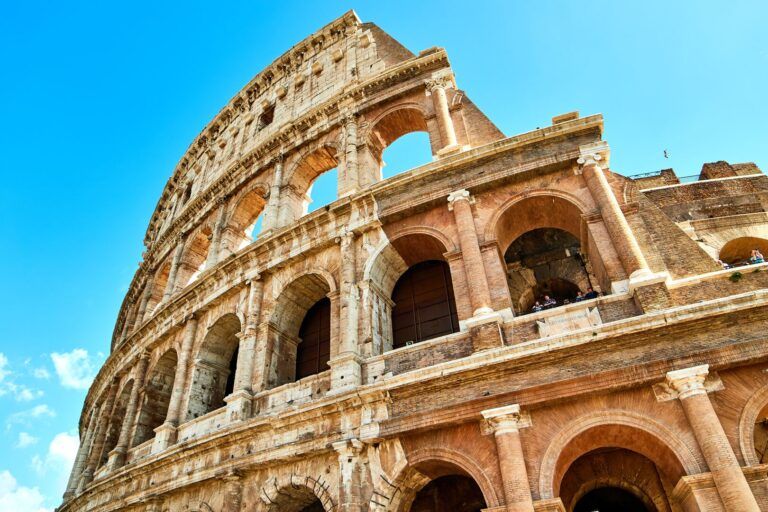
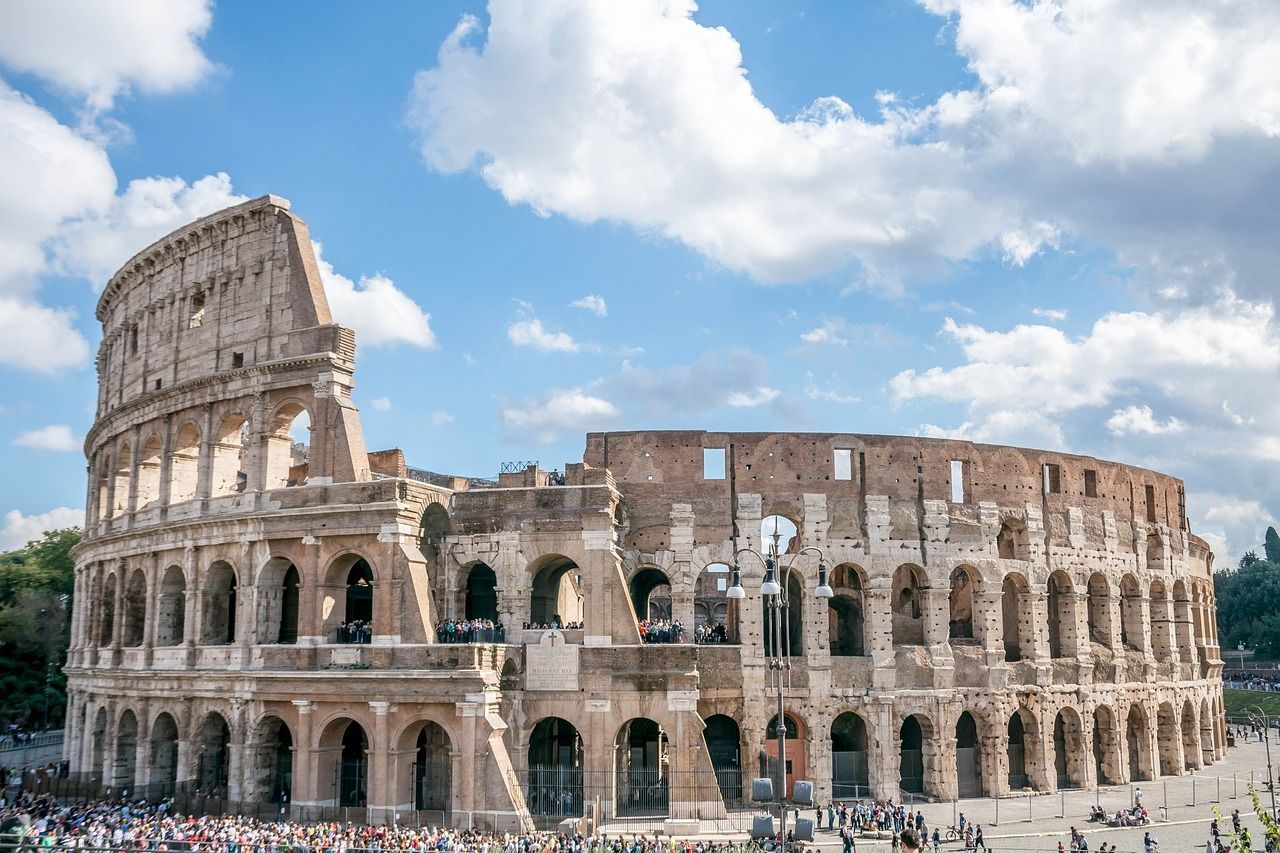
The Colosseum and Roman Forum are best visited together because they tell one connected story about imperial Rome. The amphitheater reveals spectacle and power, while the forum shows daily political and civic life. A guided tour or audio guide can make the ruins far easier to understand and remember.
The Colosseum is one of those places that somehow feels bigger in real life, even if you have seen it in approximately a billion photos. Pair it with the Roman Forum and Palatine Hill to understand how ancient Rome actually worked. Without context, some ruins can look like elegant piles of stone. With context, they become a full drama of emperors, senators, betrayals, and public life. Basically, ancient Rome was never boring.
The Pantheon
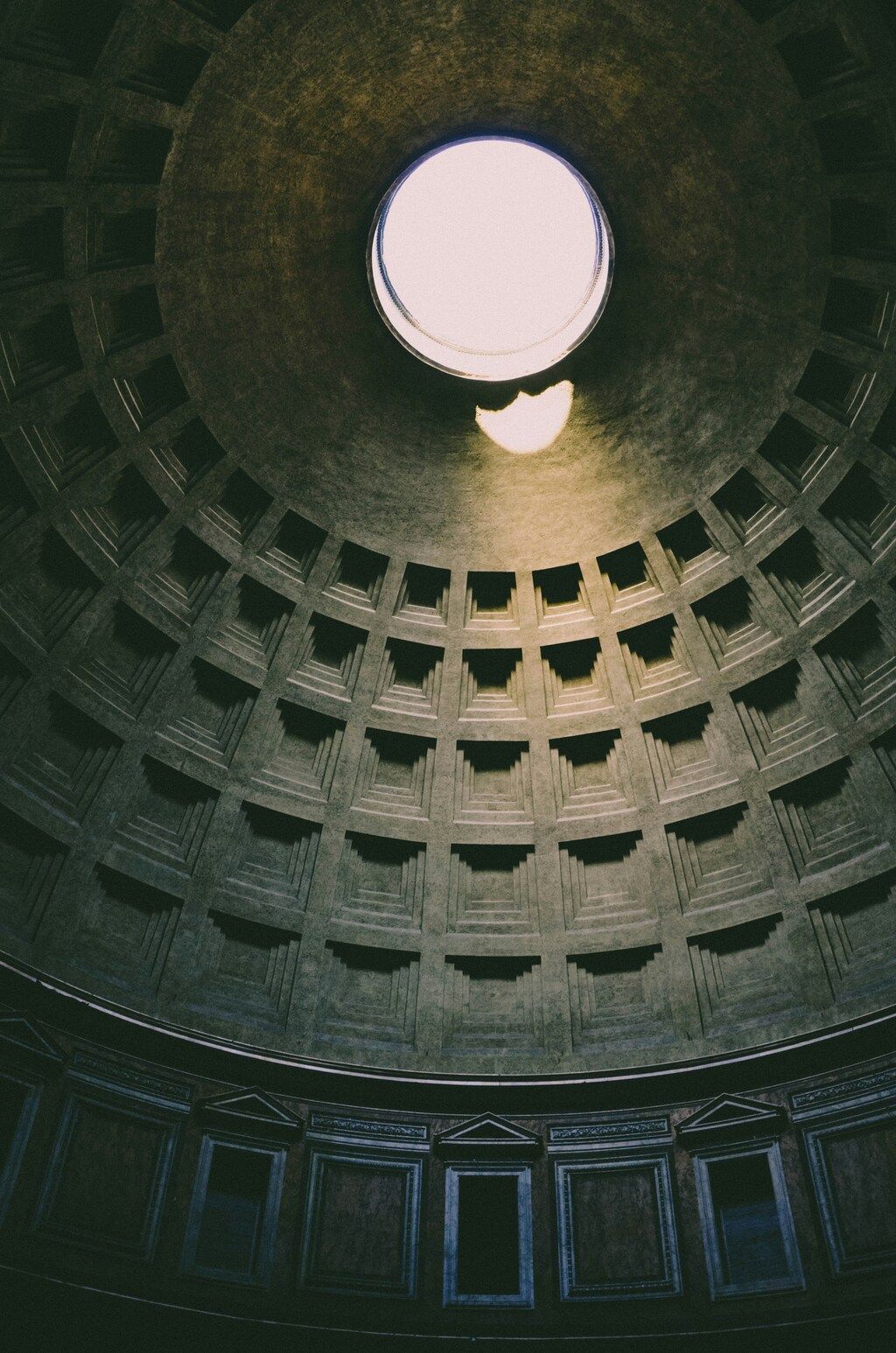
The Pantheon is one of the most impressive buildings in Rome because of its extraordinary preservation and architectural balance. Visit it earlier or later in the day for a calmer experience. Inside, look up immediately: the dome and oculus remain among the city’s most memorable sights.
If Rome had a way of casually showing off, the Pantheon would be it. From the outside, it is already majestic. Inside, it becomes almost hypnotic. The proportions, the light, the silence between footsteps: it all works together beautifully. It is one of the places in Rome that can stop even the chattiest traveler for a full ten seconds, which is impressive.
Trevi Fountain and Spanish Steps
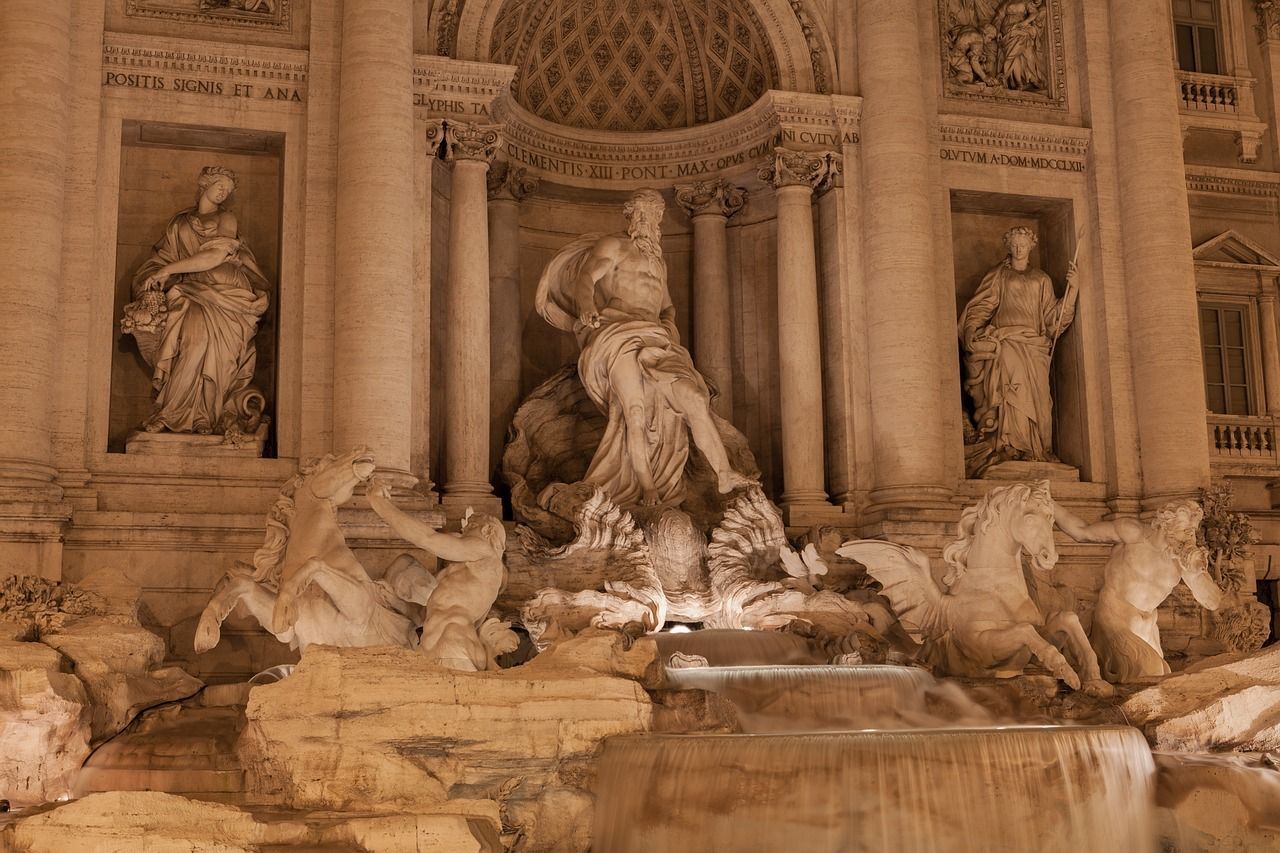
Trevi Fountain and the Spanish Steps are iconic city stops that are easy to combine in one walk through the historic center. They are usually crowded in the middle of the day, so sunrise or late evening visits are often more enjoyable and better for photos.
The Trevi Fountain is theatrical, dramatic, and unapologetically extra, which honestly feels very Roman. Toss a coin, make the wish, and then keep walking to the Spanish Steps. They are less about spending hours there and more about soaking up the scene, people-watching, and enjoying the rhythm of central Rome.
Explore Vatican City without rushing
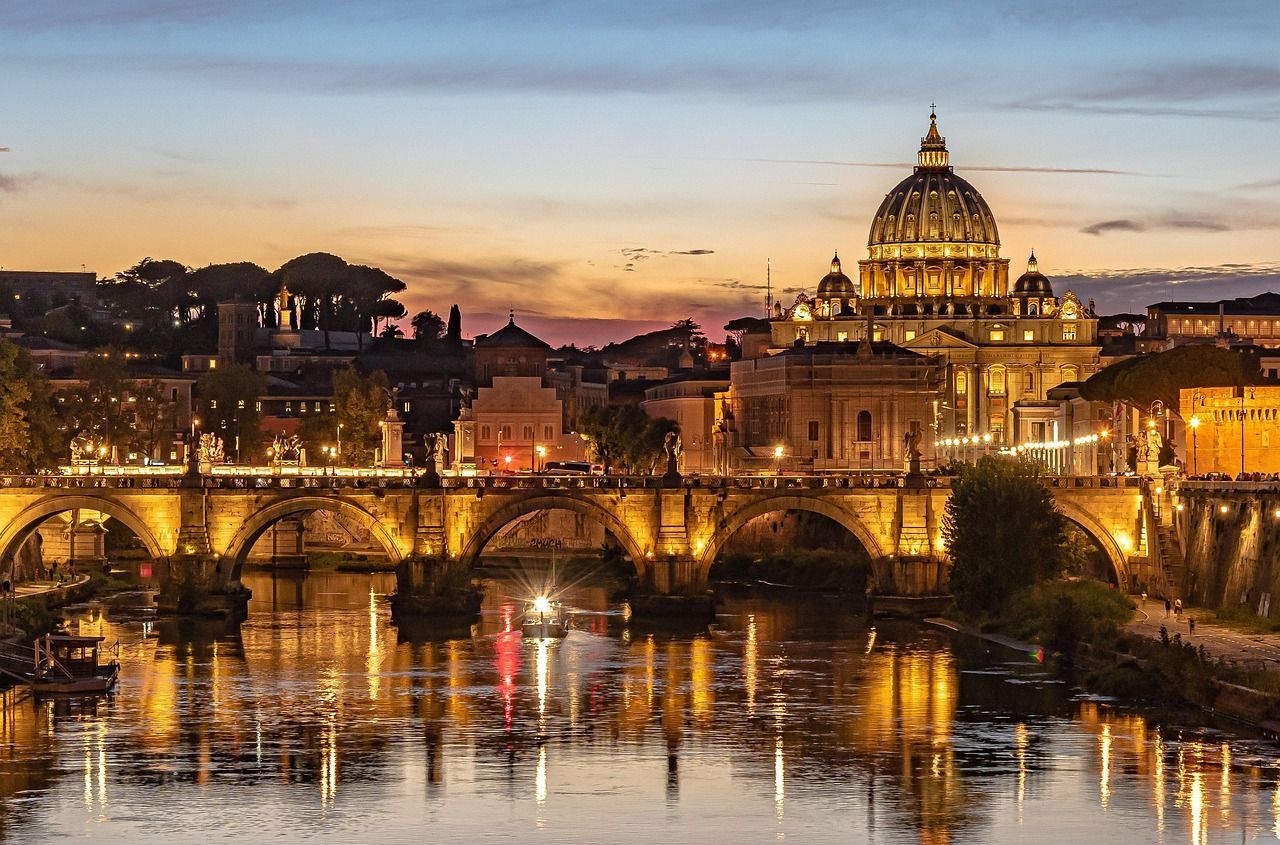
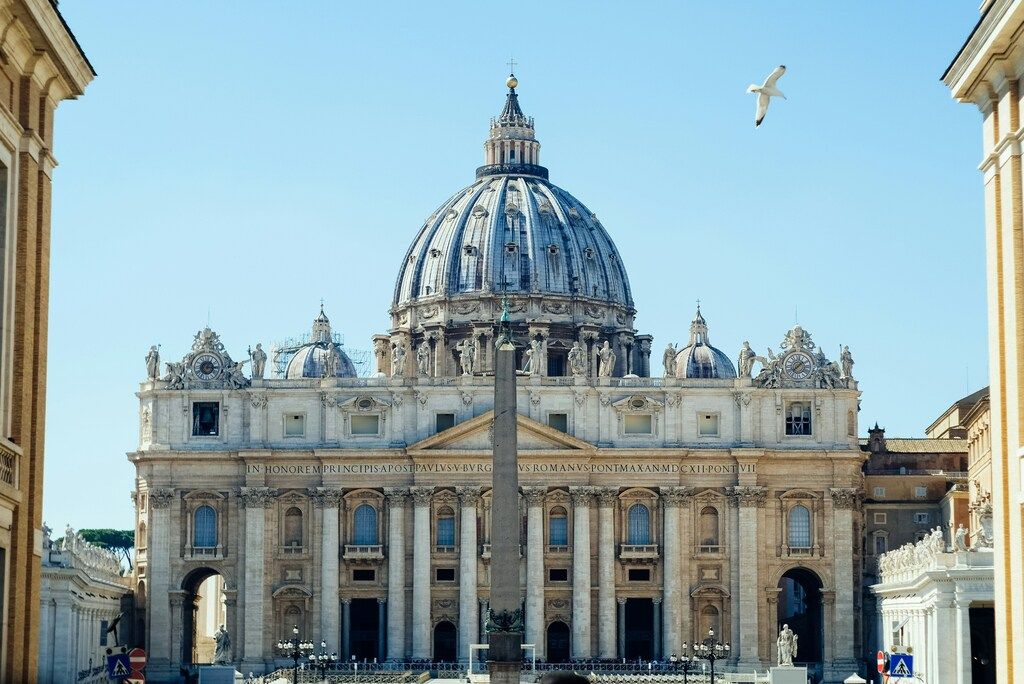
Vatican City deserves dedicated time because it combines art, religion, and monumental architecture in one compact area. Plan at least half a day, reserve tickets in advance, and decide whether your priority is the museums, St. Peter’s Basilica, or both. Trying to squeeze everything into one fast visit can feel overwhelming.
The Vatican Museums, the Sistine Chapel, and St. Peter’s Basilica are among the most visited attractions in Europe for good reason. The art collections are vast, and St. Peter’s has that rare ability to make everyone instinctively whisper a little, even if nobody told them to.
If possible, choose one clear strategy:
- Art lovers: focus on the Vatican Museums and Sistine Chapel
- Architecture fans: spend more time in St. Peter’s Basilica and climb the dome
- First-time visitors: book a skip-the-line guided visit that combines the highlights
The dome climb is especially rewarding if you want one of the best panoramic views in the city. Your legs may file a formal complaint, but the skyline usually settles the argument.
Discover Rome through its neighborhoods
Rome becomes more personal when you move beyond the headline attractions and spend time in its neighborhoods. Each area offers a different pace, atmosphere, and visual identity. Walking without a strict agenda is one of the most effective ways to understand the city’s character.
The historic center is beautiful, but Rome’s personality really expands when you explore its neighborhoods. This is where the city loosens its tie, orders a coffee, and shows you who it really is.
Trastevere
Trastevere is one of the most atmospheric districts in Rome thanks to its narrow lanes, lively squares, and evening energy. Visit during the day for quieter streets and again at night for restaurants and bars. It works well for travelers looking for both charm and nightlife.
Trastevere is all cobbled lanes, ivy-covered facades, and little piazzas that seem designed for aperitivo. It can be busy, especially in the evening, but it still has charm to spare. Wander without a map, visit Santa Maria in Trastevere, and stop somewhere casual for a plate of cacio e pepe that may ruin all future pasta for you.
Monti
Monti offers a mix of local life, independent shops, and a central location near major archaeological sites. It is ideal for a slower stroll between sightseeing stops. Small boutiques, wine bars, and understated streets give it a more relaxed feel than some busier central areas.
Monti feels stylish without trying too hard about it. It is a great area for browsing small shops, stopping for coffee, and enjoying a more local rhythm near the Colosseum. Think less grand spectacle, more quiet cool.
Testaccio and Ostiense
Testaccio and Ostiense are excellent choices for travelers interested in food, local culture, and a less tourist-heavy atmosphere. They provide a more contemporary side of Rome while remaining rooted in tradition. Come hungry and leave with very strong opinions about Roman cuisine.
In Testaccio, food takes center stage. This neighborhood is deeply tied to Roman culinary tradition, and it is a smart pick if you want to eat beyond the obvious tourist menus. Ostiense adds street art, industrial spaces, and a slightly alternative energy that balances Rome’s classical side.
Enjoy markets, viewpoints, and local experiences
Some of Rome’s most rewarding experiences are simple and low-pressure: markets, gardens, scenic terraces, and neighborhood walks. These moments create balance between major sightseeing stops and help make your visit feel less rushed and more memorable.
Not everything in Rome needs to be a headline monument. Some of the city’s best moments come from everyday experiences that reveal its texture, sounds, and delicious unpredictability.
Porta Portese market on Sunday
Porta Portese is Rome’s most famous Sunday market and a lively stop for vintage finds, second-hand books, and local atmosphere. It is best visited in the morning when the market is busiest and most active. Expect crowds, curiosity, and the occasional treasure hunt victory.
If you are in town on a Sunday, head to Porta Portese. This sprawling market is a fun detour from the monumental side of Rome and gives you a more local, unpolished slice of the city. You will find vinyl records, used books, vintage clothes, accessories, and objects that may be junk, genius, or both. The only rule is to browse with patience and a little humor.
Villa Borghese and scenic terraces
Villa Borghese offers green space, shade, and one of the most pleasant breaks from urban sightseeing in Rome. It is especially useful after a museum-heavy morning. Nearby viewpoints such as the Pincio terrace provide wide views over the city and are ideal around sunset.
The Villa Borghese gardens are perfect when you need a pause from stone, domes, and archaeological greatness. Rent a bike, sit by the water, or just walk slowly for once. Then head to the Pincio Terrace for one of the loveliest views in Rome, especially as the light softens in the late afternoon.
Campo de’ Fiori and daily city life
Campo de’ Fiori provides a useful glimpse into Rome’s daily rhythm, especially in the morning when the market is active. It is a practical stop for snacks, produce, and people-watching. Later in the day, the square shifts into a more social and relaxed atmosphere.
Campo de’ Fiori is worth visiting in the morning for the market energy alone. It is touristy, yes, but still lively and photogenic. The surrounding streets are also full of bakeries, delis, and wine bars, so it is easy to turn a short stroll into an accidental lunch. Rome is very supportive of accidental lunch.
What to eat while exploring Rome
Food is an essential part of any Rome itinerary because local dishes are deeply tied to the city’s identity. Focus on Roman classics, choose trattorias with concise menus, and avoid rushing meals. Eating well in Rome is not a side activity but part of the main experience.
Rome is not just about what you see. It is also about what lands on your plate and makes you reconsider your standards forever. You do not need a complicated food agenda, but you should absolutely know what to look for.
- Cacio e pepe – pasta with pecorino and black pepper
- Carbonara – the Roman classic, no cream in sight
- Amatriciana – tomato, pecorino, and guanciale
- Supplì – fried rice snacks with melty mozzarella
- Carciofi – artichokes, especially in season
- Gelato – obviously, and preferably more than once
A few smart food habits help a lot:
- Eat near major landmarks only if reviews are strong
- Book dinner in popular neighborhoods like Trastevere
- Try lunch in less touristy districts for better value
- Do not rush aperitivo; it is basically a civic duty
Best experiences in Rome at a glance
This comparison helps prioritize Rome’s main experiences based on time, atmosphere, and ideal travel style. Use it to decide what fits your itinerary best. It is particularly useful if you have limited days and want a balanced mix of iconic landmarks and local discoveries.
| Place or experience | Why it stands out | Best for |
|---|---|---|
| Colosseum and Roman Forum | Ancient Rome’s most iconic archaeological area | First-time visitors, history lovers |
| Pantheon | Extraordinary architecture and atmosphere | Short visits, architecture fans |
| Vatican City | World-famous art and monumental basilica | Art lovers, first-time visitors |
| Trastevere | Character, nightlife, and classic Roman charm | Couples, foodies, evening strolls |
| Porta Portese market | Vintage shopping and local Sunday atmosphere | Weekend travelers, treasure hunters |
| Villa Borghese | Green space and panoramic viewpoints | Families, relaxed itineraries |
How many days do you need in Rome?
Rome can be enjoyed in three days if you prioritize carefully and combine major sights with walks through central neighborhoods. A longer stay allows a better pace, but a short trip is still worthwhile. The key is to avoid overloading each day with too many major attractions.
Three days in Rome can work very well if you stay strategic. A simple structure might look like this:
- Day 1: Colosseum, Roman Forum, Monti
- Day 2: Vatican City, Castel Sant’Angelo, Prati or Trastevere
- Day 3: Pantheon, Trevi Fountain, Spanish Steps, Campo de’ Fiori, Porta Portese if it is Sunday
If you have four or five days, even better. Rome is one of those cities where slowing down improves everything. You notice more. You eat better. You sit longer. You stop trying to “complete” Rome, which is good, because Rome would probably laugh at the idea.
Rome rewards curiosity
The best way to experience Rome is to combine major landmarks with slower, more personal moments across the city. A balanced itinerary creates a richer impression than rushing from one famous site to the next. Curiosity, comfortable shoes, and some flexibility usually lead to the best memories.
Rome is grand, layered, messy, beautiful, and occasionally determined to make you cross a street with more faith than logic. That is part of the charm. See the famous monuments, absolutely, but also leave room for markets, neighborhood walks, long meals, and the kind of small discoveries that stay with you longest.
If Rome is calling, it might also be the perfect moment to discover the WeRoad group trips in Rome and experience the Eternal City with fellow travelers.
Your Essential Rome FAQ
- What should I not miss in Rome?
-
You should not miss the Colosseum, Roman Forum, Pantheon, Vatican City, and at least one neighborhood walk in Trastevere. These experiences give you a strong mix of ancient history, architecture, art, and local atmosphere.
- Can Rome be done in 3 days?
-
Yes, Rome can be done in 3 days if you plan carefully. Focus on one or two major attractions per day, book popular sites in advance, and combine landmarks with walkable neighborhoods to avoid spending too much time in transit or in line.
- Is there anything fun to do in Rome besides sightseeing?
-
Absolutely. You can browse the Porta Portese Sunday market, enjoy aperitivo in Trastevere, relax in Villa Borghese, hunt down great gelato, or join a food experience in neighborhoods like Testaccio. Rome is very good at mixing culture with pleasure.
- What are the best hidden gems in Rome?
-
Some of the best hidden gems in Rome include quieter neighborhoods like Ostiense, scenic viewpoints such as the Pincio Terrace, lesser-visited local food districts like Testaccio, and simple pleasures like getting lost in Monti’s side streets.
- When is the best time to visit Rome?
-
Spring and early autumn are often the best times to visit Rome thanks to milder weather and more comfortable conditions for walking. Summer is lively but can be hot and crowded, especially around the most famous attractions.