In a nutshell
- Dolomites hiking suits a wide range of travelers, from beginners looking for scenic half-day walks to experienced hikers interested in hut-to-hut routes and more exposed terrain. The key difference in difficulty comes from route choice, elevation gain, exposure, and weather conditions, not from the destination as a whole.
- The best period for hiking is usually mid-June to late September, with July and early September often offering the strongest balance of open trails, manageable weather, and good services. August is highly scenic but busier, while the shoulder season may bring snow on higher passes and changing mountain conditions.
- Top trails include Tre Cime di Lavaredo, Seceda, Adolf Munkel, Lago di Sorapis, Cinque Torri, and Monte Lagazuoi. Each offers a different experience, from iconic panoramic loops and beginner-friendly meadow paths to more demanding routes and the historic World War One tunnel ascent on Lagazuoi.
- Costs can vary significantly depending on how you travel and hike. Budget-conscious day hikers can keep spending under control with public transport and packed lunches, while those using cable cars, toll roads, paid parking, and rifugi stays should expect a higher overall cost for the experience.
- Strong preparation improves both safety and enjoyment. Proper footwear, layered clothing, an early start, weather checks, offline maps, and advance booking for popular trailheads or mountain huts are all practical essentials for making the most of a hiking trip in the Italian Alps.
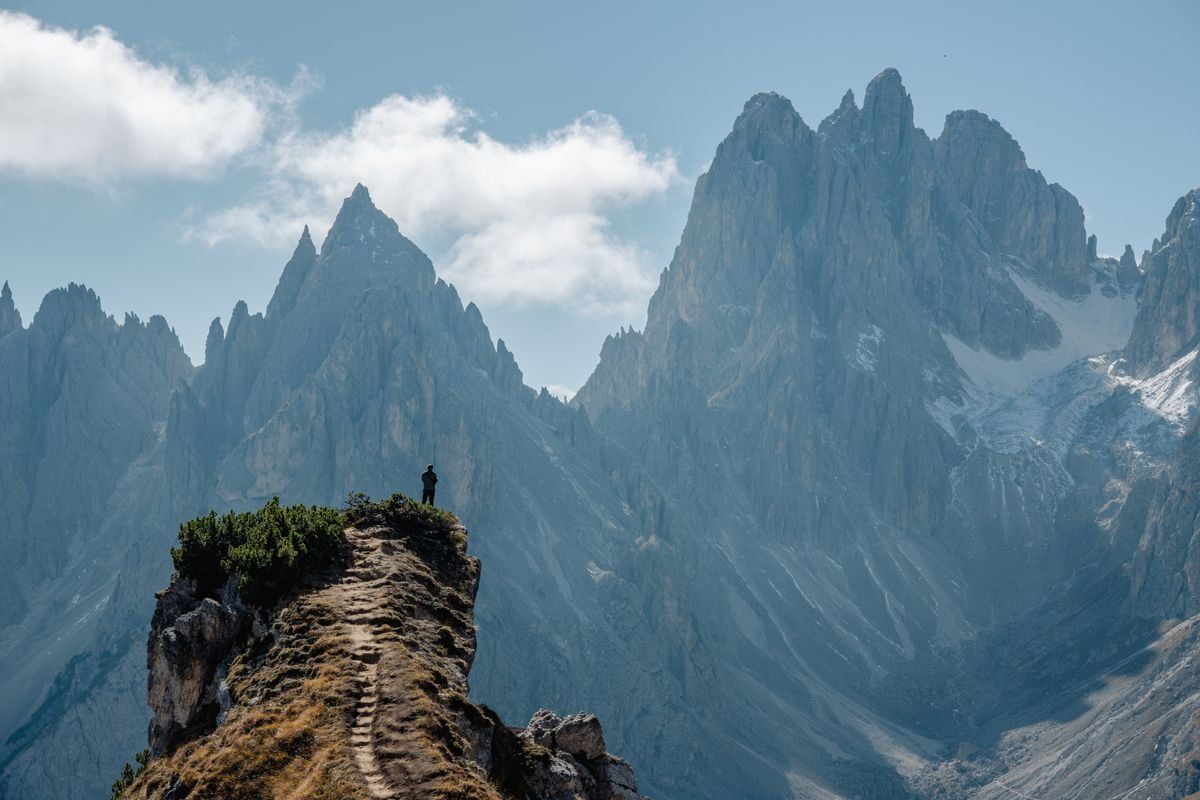
The Dolomites are the kind of mountains that make you stop mid-step, forget your snack, and whisper “okay, wow” to absolutely nobody. Jagged peaks, green meadows, historic mountain huts, and trails for every level make this UNESCO region one of Europe’s finest hiking destinations. If you are planning dolomites hiking for the first time, the good news is that the area is as rewarding as it is dramatic.
What makes the experience special is the balance between wild scenery and practical access. You can take on iconic loops, scenic half-day walks, or multi-day hut-to-hut adventures without needing to be a mountaineer with calves made of steel. And yes, there will be strudel at altitude, which is frankly one of humanity’s best inventions.
Why hike in the Dolomites
The Dolomites stand out because they combine exceptional scenery, well-marked trails, mountain culture, and a wide range of route options. Hikers can choose from easy panoramic paths, classic day hikes, and challenging high-alpine itineraries. This flexibility makes the region ideal for both first-timers and experienced walkers.
Located in northeastern Italy, the Dolomites are known for pale limestone towers, flower-filled pastures, and villages where Italian, German, and Ladin influences meet. The terrain changes quickly from gentle alpine plateaus to dramatic ridgelines, so every day can feel completely different.
- Scenery: iconic peaks, lakes, meadows, and panoramic passes
- Access: lifts, buses, toll roads, and organized trailheads
- Trail variety: easy walks, moderate loops, hut treks, and via ferrata
- Culture: rifugi food, mountain history, and South Tyrolean hospitality
Passionate about hiking? Explore our trekking trips and embark on unforgettable adventures around the world.
Best time for dolomites hiking
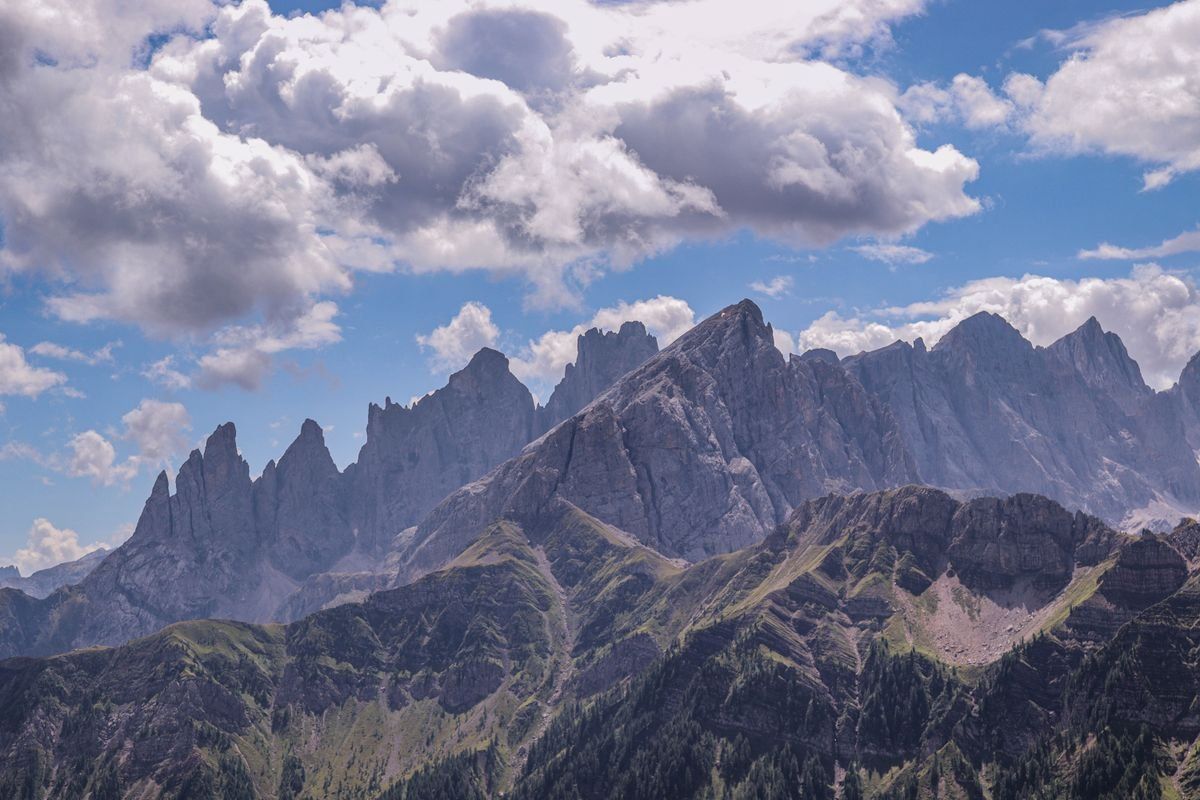
The best hiking season generally runs from mid-June to late September. During this period, most trails are accessible, mountain huts are open, and transport services operate more consistently. Weather can still change quickly, so even summer requires planning and flexibility.
July and early September are often the sweet spots. July brings long days and open infrastructure, while September offers fewer crowds, crisp light, and a calmer atmosphere. August is beautiful but busy, especially around famous trails like Tre Cime di Lavaredo.
In June and late September, snow can still affect higher routes. That does not mean hiking is off the table, but it does mean your dream trail may suddenly become your “maybe next year” trail. Mountains are humble-brag experts like that.
Best hikes in the Dolomites
The best hikes in the Dolomites depend on your fitness, confidence, and available time. A few standout routes consistently deliver unforgettable views and accessible logistics. These include famous loops, scenic meadow trails, alpine lakes, and historical routes with World War One significance.
| Hike | Difficulty | Time | Why it stands out |
|---|---|---|---|
| Tre Cime di Lavaredo loop | Easy to moderate | 3.5-5 hours | The most famous classic, with iconic three peaks and rifugi |
| Seceda | Easy to moderate | 2-4 hours | Ridgeline views and dramatic green slopes above Val Gardena |
| Adolf Munkel Trail | Easy | 3-4 hours | Excellent for beginners, with Odle views and forest-meadow scenery |
| Lago di Sorapis | Moderate to hard | 4-6 hours | Turquoise lake and more exposed trail sections |
| Cinque Torri | Easy | 2-4 hours | Rock towers, open views, and World War One history |
| Monte Lagazuoi | Moderate | 4-6 hours | Historic tunnel route carved into the mountain during World War One |
Tre Cime di Lavaredo loop
This is the Dolomites’ most iconic day hike and a strong choice for first-time visitors. The loop offers huge views, manageable terrain, and several rifugi along the way. It is popular for a reason, and with an early start, it remains one of the most rewarding hikes in the region.
Starting from Rifugio Auronzo, the trail circles the famous three towers through open alpine terrain. The path is generally clear and not technically difficult, though the altitude and distance still require decent fitness. If you only know one hike by name, it is probably this one. The mountain equivalent of a greatest hits album.
Seceda
Seceda is one of the most photogenic areas in the Dolomites and works especially well for hikers who want maximum views with moderate effort. Cable cars make the area accessible, and the trails allow anything from a short stroll to a longer scenic loop.
The ridgeline above Val Gardena is the star attraction, with dramatic green slopes dropping away beneath jagged rock formations. You can start from Ortisei or Col Raiser and build a route based on time and energy. It is almost unfair how good it looks in photos, and then somehow still better in person.
Adolf Munkel Trail
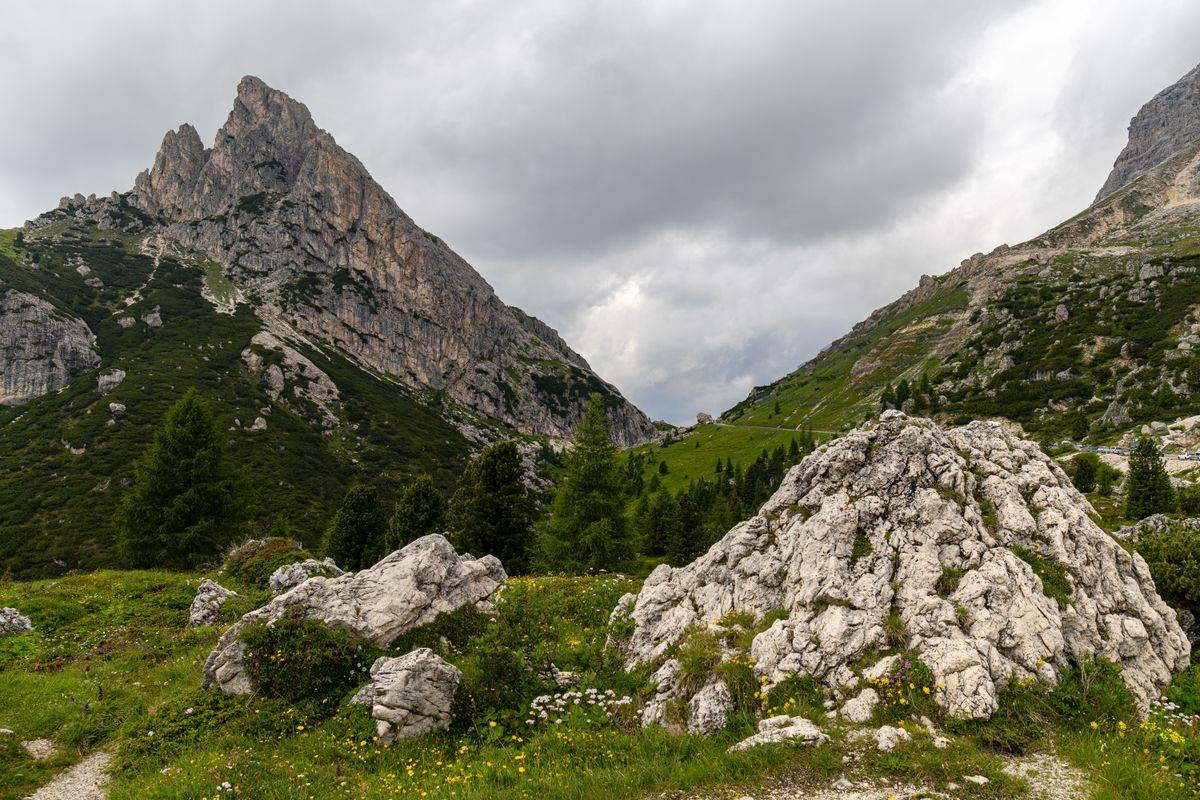
This is one of the best beginner-friendly hikes in the Dolomites. The route combines forest sections, open pastures, and remarkable views of the Odle/Geisler peaks, all without extreme elevation gain or technical terrain.
Starting from Zanser Alm in Val di Funes, the loop passes mountain huts where you can stop for lunch or cake. It is ideal for families, casual hikers, or anyone who likes their mountain day with a side of low drama and high payoff.
Lago di Sorapis
This hike is more demanding than many first-time visitors expect. It offers one of the most beautiful lakes in the Dolomites, but the trail includes narrow sections, cables, and more exposure than easier routes in the region.
The milky turquoise water of Lago di Sorapis is the reward, framed by steep cliffs and rugged peaks. Start early from Passo Tre Croci to avoid both crowds and afternoon weather changes. Beautiful? Absolutely. Casual little walk? Not quite. Your legs may send formal complaints later.
Cinque Torri and the WWI landscapes
Cinque Torri is a short and scenic hike that adds historical context to the landscape. It is accessible, visually striking, and ideal for combining natural beauty with open-air wartime sites and panoramic viewpoints.
The rock towers rise above one of the most interesting historical zones in the Dolomites. Nearby trenches and military remains from World War One help explain how deeply history is embedded in these mountains. It is a great option if you want a lighter hike that still feels rich and memorable.
Monte Lagazuoi through the WWI tunnel
The climb up Monte Lagazuoi is one of the most distinctive experiences in the Dolomites because it combines hiking, history, and panoramic scenery. The route through the wartime tunnel carved into the rock offers a dramatic way to experience the mountain and the region’s military past.
The Lagazuoi tunnel was built during World War One and still gives hikers a remarkable look at the conflict’s alpine front. Bring a headlamp and proper footwear, as the interior is dark and uneven. It is not every day you climb a mountain by walking through history, quite literally, inside it.
How difficult is hiking the Dolomites?
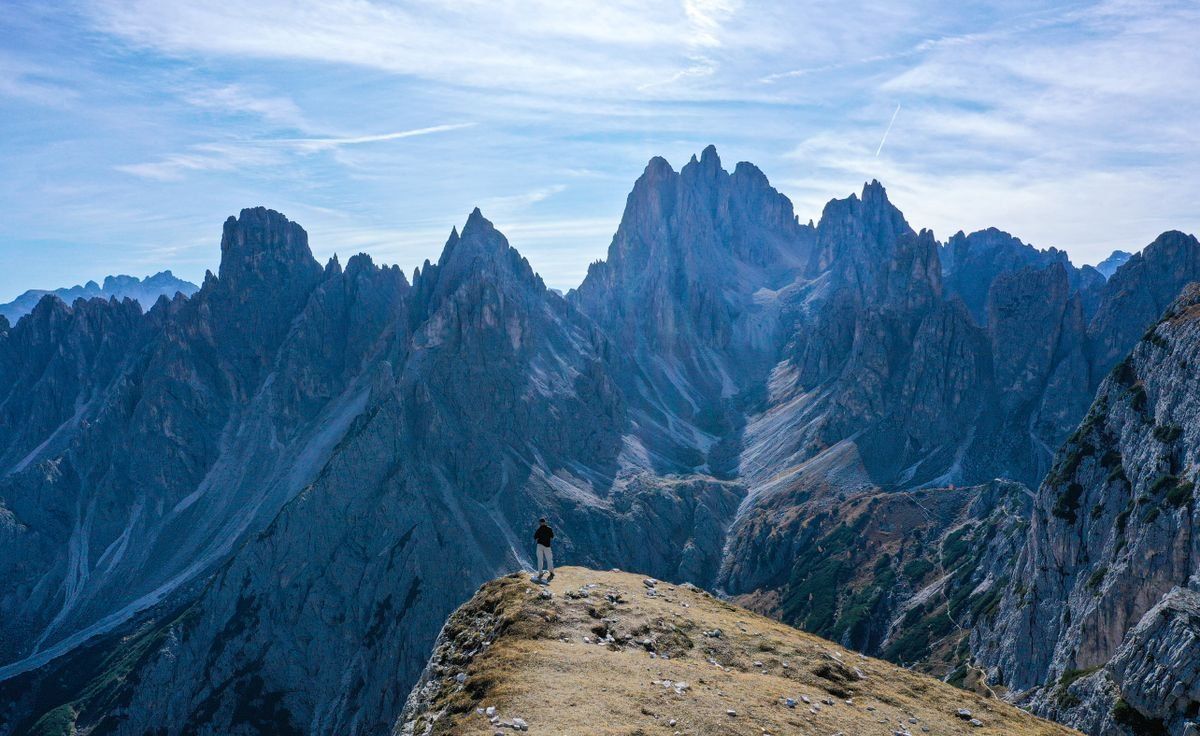
Hiking difficulty in the Dolomites ranges from very easy walks to serious alpine routes. Many famous trails are manageable for reasonably active travelers, while others require sure-footedness, stamina, and confidence on exposed terrain. Difficulty depends more on route choice than on the destination itself.
In practical terms, the Dolomites are not one giant obstacle course. Plenty of hikes are suitable for regular hikers with good shoes and basic preparation. The challenge increases with altitude, steep ascents, long distances, snow patches, and exposed sections.
- Easy: Alpe di Siusi, parts of Seceda, Lago di Braies, Cinque Torri
- Moderate: Tre Cime loop, Adolf Munkel, Monte Lagazuoi
- Hard: Lago di Sorapis variants, long hut-to-hut treks, via ferrata routes
Can beginners hike the Dolomites?
Yes, beginners can absolutely hike in the Dolomites if they choose suitable trails. The region offers many well-marked routes with moderate elevation, easy access, and nearby facilities. Starting with classic beginner-friendly hikes is the best way to enjoy the scenery without overcommitting.
Good first choices include Adolf Munkel Trail, Alpe di Siusi, Cinque Torri, and selected routes around Seceda. If you are new to mountain hiking, focus on distance, elevation gain, and weather rather than picking the most famous image on Instagram and hoping for the best. The mountains do not care about your saved posts.
How expensive is it to hike in the Dolomites?
Hiking in the Dolomites can fit different budgets, but it is not the cheapest mountain destination in Europe. Costs vary depending on transport, accommodation, hut stays, parking, and whether you rely on cable cars or guided services.
A day hike can be relatively affordable if you use public transport and carry your own food. Costs rise with paid parking, toll roads, lifts, and overnight stays in rifugi or hotels.
- Parking or toll roads: often €10-€40 depending on trailhead
- Cable cars: commonly €20-€50 round trip
- Rifugio meals: usually moderate, but not budget-supermarket cheap
- Mountain hut overnight stays: variable based on dorm/private room and half-board
If your ideal trip includes panoramic lifts, hut dinners, and “just one more slice” of strudel every afternoon, your wallet may notice. To be fair, your soul will also notice, and your soul will be thrilled.
Practical tips for planning your hike
Good planning makes hiking in the Dolomites safer, smoother, and more enjoyable. Check the weather, choose a route that matches your level, start early, and carry the right gear. The infrastructure is excellent, but mountain conditions can still change rapidly.
- Wear proper hiking shoes with grip for rocky trails
- Carry layers, a waterproof jacket, water, and snacks
- Use offline maps and check trail status locally
- Start early to avoid storms and crowds
- Book rifugi and popular parking access in advance when needed
- Bring cash as card payments may fail in remote huts
Where to stay for a hiking trip
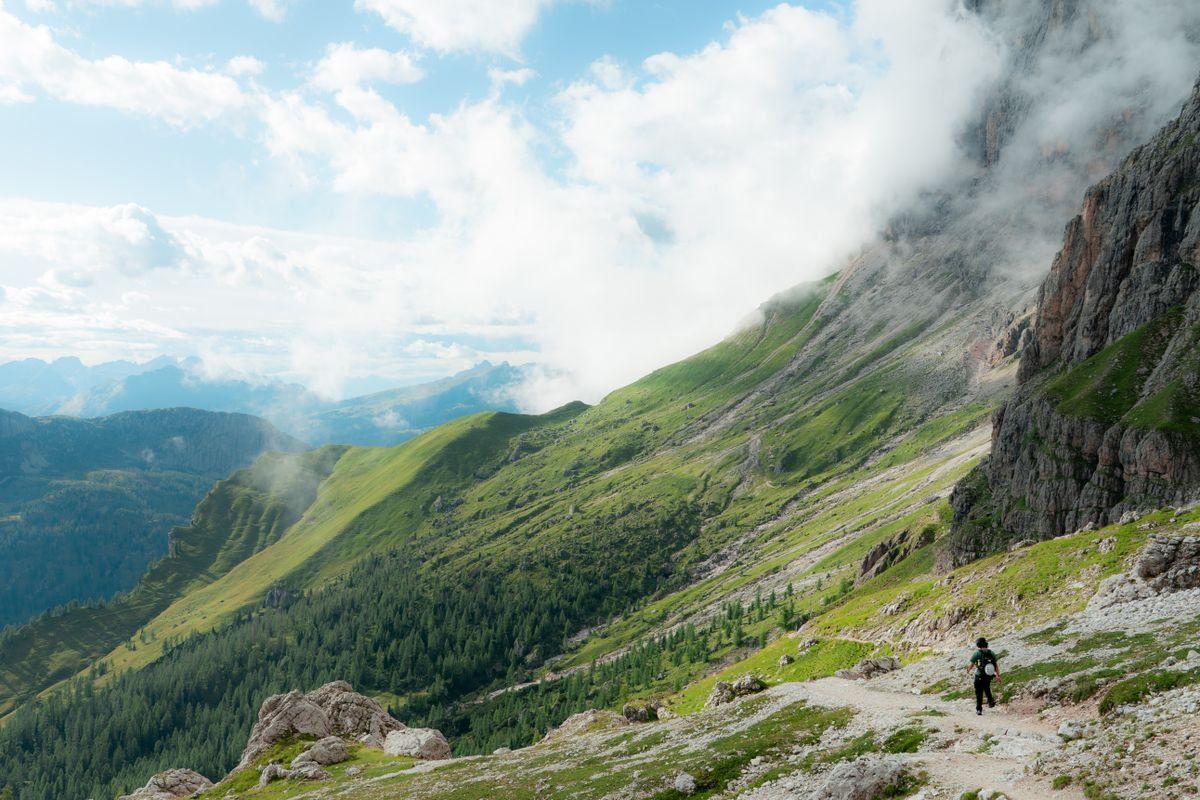
The best base depends on which part of the Dolomites you want to explore. Some towns are ideal for famous eastern routes, while others work better for western alpine meadows and lift-access areas. Choosing one or two bases helps reduce long drives and simplifies logistics.
Cortina d’Ampezzo is excellent for Tre Cime, Cinque Torri, Lagazuoi, and Lago di Sorapis. Ortisei and Santa Cristina are strong choices for Seceda, Alpe di Siusi, and Val Gardena hikes. For Val di Funes, look near Santa Maddalena or nearby villages.
For those who want more than a day hike
The Dolomites are also one of Europe’s best regions for hut-to-hut trekking. Multi-day routes allow hikers to experience sunrise and sunset in the mountains, sleep in traditional rifugi, and connect multiple valleys and passes in a single journey.
Popular options include sections of Alta Via 1 and shorter hut-to-hut traverses in areas like Puez-Odle or around Cortina. If that sounds like your kind of adventure, this is also the perfect time to discover WeRoad group trips for the Dolomites and share the trail, the views, and maybe a celebratory plate of dumplings with fellow travelers.
Before you lace up your boots
The Dolomites offer some of the most memorable hiking in Europe thanks to their variety, accessibility, and unmistakable landscapes. Whether you choose an easy meadow trail or a more demanding alpine route, the key is matching the hike to your ability and the conditions of the day.
Start with one or two classic hikes, keep your schedule flexible, and allow time for the unexpected moments that make the region unforgettable: changing light on the cliffs, a quiet rifugio terrace, or that oddly emotional feeling of being completely won over by a mountain range. It happens. Repeatedly.
And if you want to experience the very best of the Dolomites without the stress of planning, check out all our group tours in Italy.
FAQ
- What is the most famous hike in the Dolomites?
-
The most famous hike is Tre Cime di Lavaredo. It is known for its iconic three peaks, relatively manageable loop, and classic Dolomite scenery. It is also one of the busiest routes, so starting early is strongly recommended.
- Do I need a car to hike in the Dolomites?
-
No, but a car makes logistics easier. Many popular hikes can be reached by bus or cable car, especially in peak season. However, some trailheads are easier to access by car, and early starts are often more flexible with your own transport.
- Are the Dolomites suitable for solo hikers?
-
Yes, many trails are well marked and popular enough to feel approachable for solo hikers. Still, solo travelers should choose routes appropriate to their experience, monitor the weather closely, and avoid isolated or exposed hikes without preparation.
- What should I pack for a day hike in the Dolomites?
-
Bring hiking shoes, layers, a waterproof jacket, water, snacks, sun protection, and an offline map. Trekking poles are useful on descents, and a headlamp is essential if you plan to explore places like the Lagazuoi tunnel.
- Is via ferrata the same as regular hiking?
-
No. Via ferrata involves protected climbing sections with cables, ladders, and specialized gear. Some Dolomite hikes include short aided sections, but full via ferrata routes require proper equipment, confidence with exposure, and ideally prior experience or a guide.