In a nutshell
- Galicia offers a distinct side of Spain, with Atlantic coastlines, green inland scenery, historic cities, and a strong local identity shaped by the sea, pilgrimage traditions, and regional culture.
- The top places to visit include Santiago de Compostela, the Cíes Islands, A Coruña, the Rías Baixas, and Ribeira Sacra, each offering a different mix of landmarks, beaches, food, wine, and natural beauty.
- Food is one of Galicia’s strongest reasons to visit, especially for travelers interested in seafood, local markets, Albariño wine, pulpo á feira, pimientos de Padrón, and classic regional desserts.
- The best months are typically late spring to early autumn, with May, June, September, and early October offering pleasant weather and fewer crowds, while July and August are ideal for beaches and islands.
- A well-planned itinerary should balance city time, coastal scenery, and inland stops, and renting a car is especially useful if you want to explore remote viewpoints, wine regions, and less connected parts of the region.
Galicia is Spain with the volume turned down and the landscape turned all the way up. In the country’s green northwest, you’ll find wild Atlantic cliffs, seafood worth writing home about, old stone cities, and a moody kind of beauty that makes even a cloudy day look cinematic.
If you’re planning a trip and want a guide to the best experiences in Galicia, this region rewards curiosity. You can spend the morning in a cathedral square, the afternoon on an island beach, and the evening eating octopus so good you briefly consider changing your life plans.
Why visit Galicia?
Galicia stands out for its mix of nature, culture, and food. It offers historic cities, dramatic coastlines, peaceful inland landscapes, and strong local traditions. Compared with other parts of Spain, it feels cooler, greener, and less crowded, which makes it ideal for travelers who want variety without constant chaos.
This is a region shaped by the Atlantic Ocean, the Camino de Santiago, and a proud identity expressed through language, music, and cuisine. You’ll hear about Celtic roots, see granite towns polished by rain and time, and notice that local life moves at a more human pace. Very refreshing, especially if your last city break involved fighting five selfie sticks before breakfast.
Top places to see in Galicia
The best places in Galicia combine iconic landmarks with landscapes that feel almost untouched. A well-rounded itinerary usually includes one or two cities, part of the coast, and at least one stop inland. That balance helps you understand why the region has such a loyal fan club.
Santiago de Compostela
Santiago de Compostela is Galicia’s cultural and spiritual heart. The city is famous as the final destination of the Camino, but it is much more than a pilgrimage endpoint. Its old town, cathedral, markets, and stone squares make it one of Spain’s most atmospheric small cities.
Start at the Cathedral of Santiago and the grand Praza do Obradoiro, then wander through the UNESCO-listed historic center. The Mercado de Abastos is perfect for tasting local produce, seafood, and cheeses. If you enjoy cities with soul, this one delivers. And yes, watching pilgrims arrive in the square is genuinely moving, even if you only walked from your hotel.
Cíes Islands
The Cíes Islands are one of the most beautiful natural spots in Galicia. Part of the Atlantic Islands National Park, they are known for crystal-clear water, protected trails, and Rodas Beach, often listed among Europe’s finest beaches.
Boats leave mainly from Vigo and sometimes from Baiona or Cangas, depending on the season. Once there, you can hike, swim, and enjoy a car-free landscape that feels far from the mainland. Bring water, sun protection, and realistic expectations about Atlantic water temperature. It looks Caribbean; it does not always feel Caribbean on your toes.
A Coruña
A Coruña is Galicia’s most urban coastal escape, with a strong maritime character and excellent food. It mixes long promenades, city beaches, and historical landmarks, making it ideal if you want culture and sea views in the same day.
The main sight is the Tower of Hercules, a Roman lighthouse still in use and a UNESCO World Heritage Site. Walk along the seafront, explore the old town, and stop for tapas around the center. It’s lively without being overwhelming, which is a travel sweet spot more destinations should seriously study.
Rías Baixas
The Rías Baixas are Galicia’s most famous coastal area, known for estuaries, beaches, seafood, and white wine. This part of the region is ideal for slow travel, scenic drives, and long lunches that mysteriously become dinner.
Popular stops include Pontevedra, O Grove, Combarro, and A Toxa. This is also the land of Albariño, one of Spain’s best-loved white wines. If your dream trip includes oysters, ocean views, and charming waterfront villages, this area will make a strong case for extending your stay.
Ribeira Sacra
Ribeira Sacra is Galicia’s great inland surprise. It is known for steep river canyons, terraced vineyards, old monasteries, and viewpoints over the Sil and Miño rivers. It feels more remote than the coast and works especially well for road trips.
Visit miradores such as Balcones de Madrid, explore monasteries like Santo Estevo de Ribas de Sil, and consider a boat trip through the canyon. Wine lovers should look for local Mencía and heroic viticulture, which is the polite way of saying “these vines grow in places that look wildly inconvenient.”
Best experiences for food lovers
Galicia is one of Spain’s top regions for eating well. The cuisine is based on exceptional seafood, quality produce, and simple preparations that let ingredients shine. If food matters in your travels, this region easily earns a place high on your list.
Try these local classics:
- Pulpo á feira, Galicia’s iconic octopus dish with paprika and olive oil
- Pimientos de Padrón, small green peppers where some are mild and a few like to cause drama
- Empanada gallega, a savory pie with fish, meat, or vegetables
- Fresh oysters in Vigo and shellfish across the coast
- Tarta de Santiago, the region’s classic almond cake
For wine, focus on Albariño in the Rías Baixas and reds from Ribeira Sacra. Markets and tapas bars are often better than overly polished restaurants if you want the most authentic flavors. Follow the locals, trust the daily menu, and never underestimate a tiny bar full of grandmothers and zero interior design ambition.
Wild coastlines and scenic stops
Galicia’s coastline is one of its biggest draws. It ranges from calm estuaries and sandy beaches to rough Atlantic headlands. If you love dramatic sea views, plan time for the coast beyond the main cities.
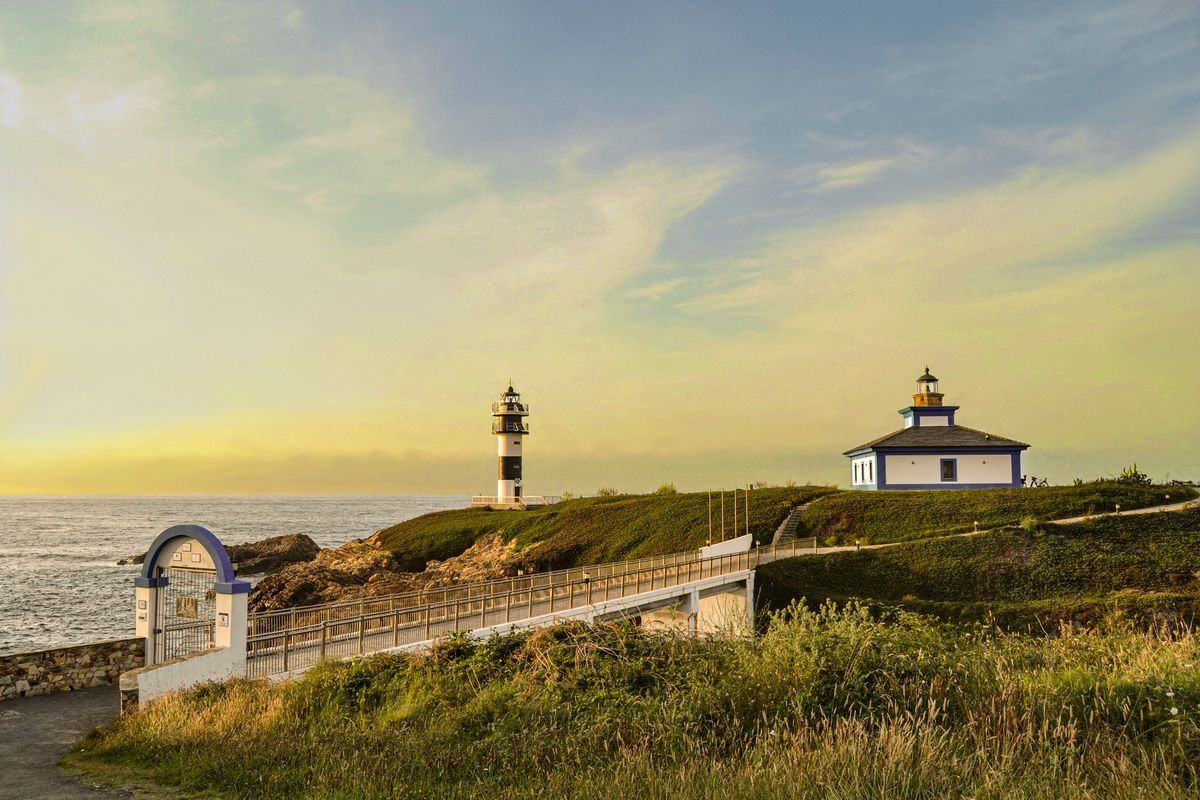
Some standout areas include Costa da Morte, Finisterre, and Muxía. These places have a raw, windswept beauty and strong maritime traditions. Further north, beaches like As Catedrais near Ribadeo offer striking rock formations best seen at low tide. Galicia does not really do “boring coastline.” It prefers cliffs, legends, and weather with personality.
| Place | Best for | Why go |
|---|---|---|
| Santiago de Compostela | History and culture | Cathedral, old town, Camino atmosphere |
| Cíes Islands | Nature and beaches | Protected islands, hiking, Rodas Beach |
| A Coruña | City by the sea | Tower of Hercules, promenade, urban beaches |
| Rías Baixas | Food and wine | Albariño, seafood, coastal villages |
| Ribeira Sacra | Road trips and landscapes | Canyons, monasteries, vineyard viewpoints |
When to go to Galicia
The best time to visit Galicia is usually from late spring to early autumn. May, June, September, and early October often offer a great mix of mild weather, fewer crowds, and good conditions for cities, beaches, and scenic drives.
July and August are best for island trips and beach days, but they are also the busiest months, especially in Santiago and the Rías Baixas. Spring is excellent for hiking and green landscapes, while autumn brings quieter towns and beautiful colors inland. Winter can be atmospheric, but rain is a frequent guest and tends to overstay.
How to plan your itinerary
A good Galicia itinerary depends on how much time you have. Even a short trip can combine a city, the coast, and a food-focused stop. With a week or more, you can explore much more deeply and see both the famous highlights and the quieter inland side.
- 3 days: Santiago de Compostela, A Coruña, and one coastal day trip
- 5 days: Add the Cíes Islands or the Rías Baixas
- 7 days: Combine Santiago, A Coruña or Vigo, Rías Baixas, and Ribeira Sacra
- 10 days: Include Costa da Morte, Finisterre, or northern Galicia
If you mainly stick to the west coast and larger towns, public transport can work. For inland areas like Ribeira Sacra or remote coastal stretches, a car gives you far more freedom and saves time.
The WeRoad tip
Follow the Atlantic all the way to Galicia’s edge
One of the most memorable ways to experience Galicia is to build a day around its wild western coast. Start in Santiago de Compostela, where watching pilgrims arrive in front of the cathedral gives the city a surprisingly emotional energy, even if you’re just passing through with coffee in hand and fully functioning knees. Then head west toward Cape Muxía, where the lighthouse and crashing waves make the landscape feel almost mythic. Continue to Finisterre, the old “end of the world,” for a slower pause on the beach, then push on to Cabo Touriñán, the westernmost point of mainland Spain, where sunset feels like a proper event rather than a background detail.
If you have more time in southern Galicia, balance all that sea spray with something delicious: a boat trip on the Ría de Arousa to see the mussel rafts, followed by a cooking experience built around the day’s catch, is a brilliant way to understand the region’s bond with the ocean. It’s the kind of mini-route that sums Galicia up perfectly: moving, windswept, deeply local, and extremely good at feeding you well.
A region that rewards slow travel
Galicia is worth visiting because it feels layered, authentic, and full of contrasts. You come for the cathedral, beaches, or seafood, then end up remembering the misty roads, the village bars, the sound of the ocean, and that one meal you still talk about months later.
If you want to experience northern Spain with a mix of landscapes, culture, and seriously good food, Galicia is an excellent choice. And if you’d rather not plan every stop yourself, take a look at WeRoad group trips to Spain to discover this unforgettable corner with fellow travelers.
FAQ
- Is Galicia, Spain worth visiting?
-
Yes, Galicia is absolutely worth visiting. It combines historic cities, dramatic coastlines, excellent food, island escapes, and quieter inland landscapes. It is especially appealing if you want a less crowded, more nature-rich alternative to Spain’s classic tourist hotspots.
- What is the nicest part of Galicia?
-
That depends on your travel style. Santiago de Compostela is the most iconic cultural destination, the Rías Baixas are ideal for beaches and food, and Ribeira Sacra is often the favorite for scenery and wine. Many travelers find the nicest part is the contrast between coast and interior.
- What is special about Galicia, Spain?
-
Galicia is special for its Atlantic identity, Celtic heritage, pilgrimage culture, seafood, and lush green landscapes. It feels different from other parts of Spain, with cooler weather, granite architecture, strong traditions, and a coastline that ranges from peaceful estuaries to wild cliffs.
- What are the best months to visit Galicia?
-
The best months are usually May, June, September, and early October. These periods offer mild temperatures, relatively fewer crowds, and good conditions for sightseeing and road trips. July and August are best for beaches and island visits but tend to be busier.
- Do you need a car in Galicia?
-
You do not always need a car, especially if you focus on Santiago, A Coruña, Vigo, and other towns on the western rail line. However, for places like Ribeira Sacra, Costa da Morte, or remote viewpoints and villages, having a car makes travel much easier.