In a nutshell
- Three days in Montreal are enough to cover the city’s essentials by dividing your trip into three themes: Old Montreal and the Old Port, neighborhood culture and food, and Mount Royal with museums and nightlife.
- Old Montreal is the best starting point for first-time visitors thanks to landmarks like Notre-Dame Basilica, Place d’Armes, Rue Saint-Paul, and the waterfront atmosphere of the Old Port.
- Mile End, the Plateau, and local markets offer a more authentic look at the city, with street art, multicultural character, and iconic foods such as Montreal-style bagels, smoked meat, and poutine.
- Mount Royal delivers the city’s signature panoramic view, especially at sunset, while museums like the Montreal Museum of Fine Arts and Pointe-à-Callière add cultural depth to a short itinerary.
- For a long weekend, the smartest strategy is to group activities by area, use a mix of walking and public transit, and leave space for spontaneous stops, because Montreal is at its best when you balance major sights with local moments.
Montreal is the kind of city that casually shows off without trying too hard. One minute you’re walking on cobbled streets that feel straight out of Europe, the next you’re eating bagels, spotting murals, and climbing a leafy hill for skyline views. If you have three days here, you can cover the classics without turning your holiday into a competitive sport.
This itinerary is built for first-time visitors who want a balanced mix of history, neighborhoods, food, and a little room to wander. In other words: enough structure to feel organized, but not so much that you need a spreadsheet and a whistle.
How to spend 3 days in Montreal
Three days are enough to see Montreal’s essential highlights at a comfortable pace. You can dedicate one day to Old Montreal, one to local neighborhoods and markets, and one to Mount Royal, museums, and evening experiences. This rhythm lets you enjoy the city’s contrasts without rushing between attractions.
The beauty of Montreal is that its main experiences are varied but easy to combine. Historic architecture, local food culture, public markets, green spaces, and nightlife all sit relatively close together.
| Day | Focus | Best for |
|---|---|---|
| Day 1 | Old Montreal, Old Port, Notre-Dame Basilica | History, architecture, first impressions |
| Day 2 | Mile End, Plateau, Jean-Talon or Atwater Market | Food, local life, street art |
| Day 3 | Mount Royal, museums, downtown, evening plans | Views, culture, a relaxed finale |
Day 1: Old Montreal and the waterfront
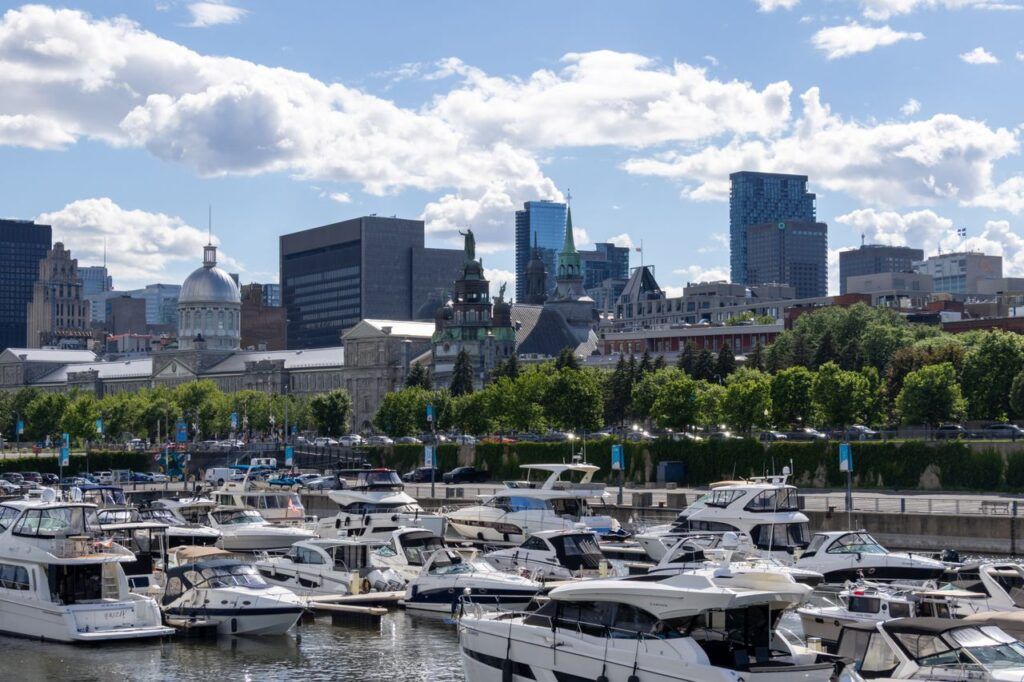
Start your trip in the city’s historic core. Old Montreal is the best introduction to the city because it combines major landmarks, walkable streets, and riverfront views. It’s compact, photogenic, and full of places where you’ll say, “Let’s just pop in for five minutes,” and then emerge much later.
Visit Notre-Dame Basilica and Place d’Armes
Notre-Dame Basilica is one of Montreal’s most impressive landmarks and a must for any first visit. Just outside, Place d’Armes offers a great sense of the city’s layered history, with heritage buildings and a central location that anchors your walk through the old quarter.
The basilica’s deep blue interior, carved woodwork, and dramatic lighting make it memorable even if churches aren’t usually your thing. It’s not the type of place you “tick off” and move on from. You walk in, look up, and suddenly your camera roll becomes 80% ceiling.
Wander through Old Montreal
The best way to experience Old Montreal is on foot. The area is full of cobbled lanes, historic facades, lively squares, and small museums. Walking without rushing helps you notice the contrast between the French colonial atmosphere and the energy of a modern North American city.
Make time for a slow stroll along streets like Rue Saint-Paul, and pause in Place Jacques-Cartier, one of the liveliest pedestrian spots in the district. From here, continue downhill toward the river and the Old Port, where the city opens up into broad promenades and waterside views.
- Best stops in Old Montreal: Notre-Dame Basilica, Place d’Armes, Rue Saint-Paul, Bonsecours Market, Place Jacques-Cartier
- Best pace: half day to a full day
- Good for: couples, solo travelers, first-time visitors
Spend the afternoon at the Old Port
The Old Port of Montreal is ideal for a more relaxed afternoon. It offers open space, waterfront walks, seasonal activities, and an easy transition from sightseeing to downtime. It is one of the most enjoyable places in the city to simply walk, sit, and take in the atmosphere.
Depending on the season, you can ride the Ferris wheel, hop on a river cruise, rent bikes, or just enjoy the promenade. If your energy is dropping, this is also a smart place to stop for a coffee and perform the noble travel ritual of pretending you’re “resting your feet” when you’re actually people-watching with elite concentration.
Day 2: Neighborhoods, markets, and Montreal’s food scene
The second day should focus on Montreal beyond the postcard landmarks. Head into neighborhoods like Plateau Mont-Royal, Mile End, and Little Italy to experience the city’s multicultural side, creative spirit, and famous food culture.
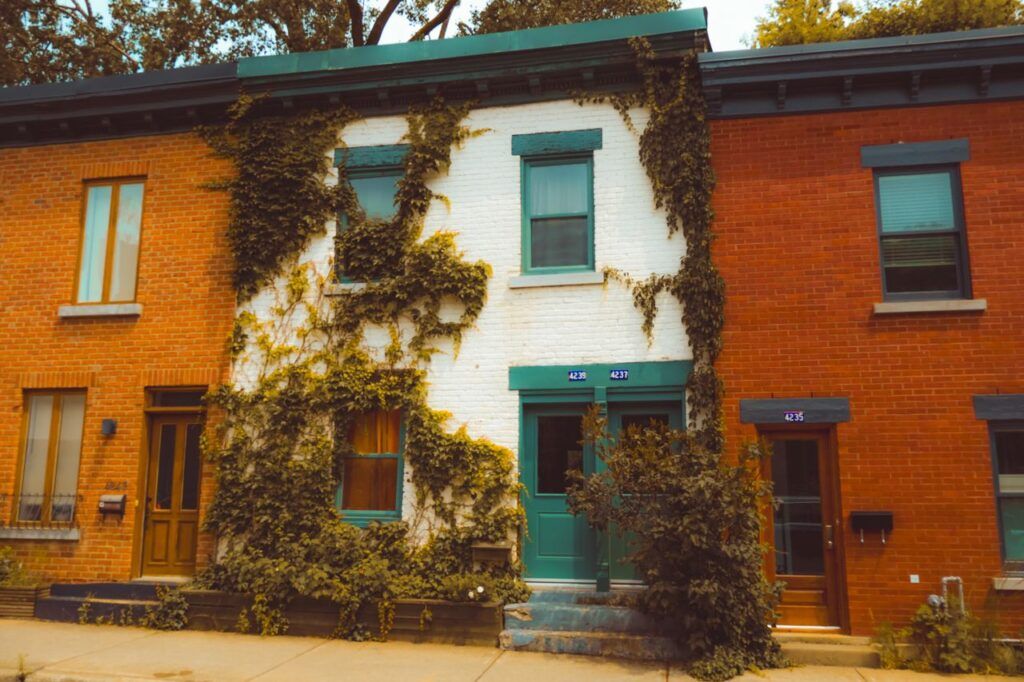
This is where Montreal really starts to feel personal. The staircases curl outside apartment buildings, murals appear on side streets, and every bakery seems to whisper, “You weren’t planning to snack again, but here we are.”
Explore the Plateau and Mile End
Mile End and the Plateau are among the city’s most rewarding areas to explore on foot. They offer independent cafés, bookstores, boutiques, street art, and a local atmosphere that feels very different from Old Montreal.
If you enjoy urban neighborhoods with character, this is your zone. The streets are lively but not frantic, and there’s a good chance you’ll end up lingering longer than planned. That is normal. Montreal has a talent for turning “a quick walk” into a three-hour meander with snacks.
- Look for murals along and around Boulevard Saint-Laurent
- Stop in local cafés for coffee and pastries
- Browse small shops and vintage stores
- Take your time rather than aiming for a rigid route
Try Montreal’s iconic foods
Montreal is one of Canada’s best food cities, and trying a few local staples is part of the experience. The classics include Montreal-style bagels, smoked meat sandwiches, and poutine, the province’s most famous comfort dish.
In Mile End, the long-running bagel debate usually leads visitors to St-Viateur or Fairmount Bagel. The correct answer to which one is better is simple: try both and become gloriously unhelpful. For smoked meat, Schwartz’s remains a classic stop, while poutine can be sampled all over the city, from no-frills counters to trendier restaurants.
Visit a market: Jean-Talon or Atwater
A public market is one of the best ways to understand the city’s local rhythm. Jean-Talon Market is especially popular for produce, Quebec specialties, and multicultural food stalls, while Atwater Market pairs well with a canal-side stroll.
If you want the fuller neighborhood experience, Jean-Talon works well with Little Italy. If you prefer a more compact visit and elegant market setting, Atwater is a great alternative. Either way, come hungry and make peace with the fact that “I’ll just buy one thing” is a lie travelers tell themselves.
Day 3: Mount Royal, culture, and evening plans
Your final day in Montreal should combine green space, panoramic views, and a few cultural stops. Mount Royal gives you the city’s signature viewpoint, while downtown museums and nightlife help round out the trip with a more contemporary side of Montreal.
Climb Mount Royal for the best view
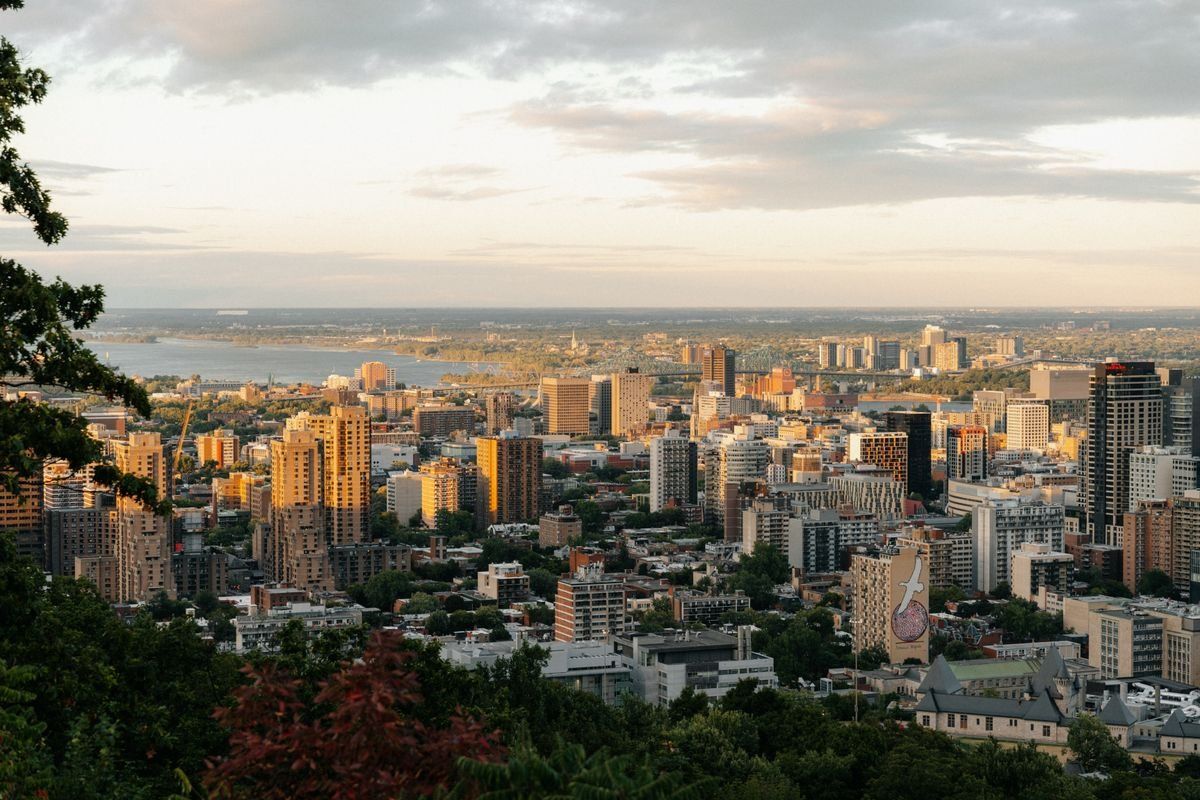
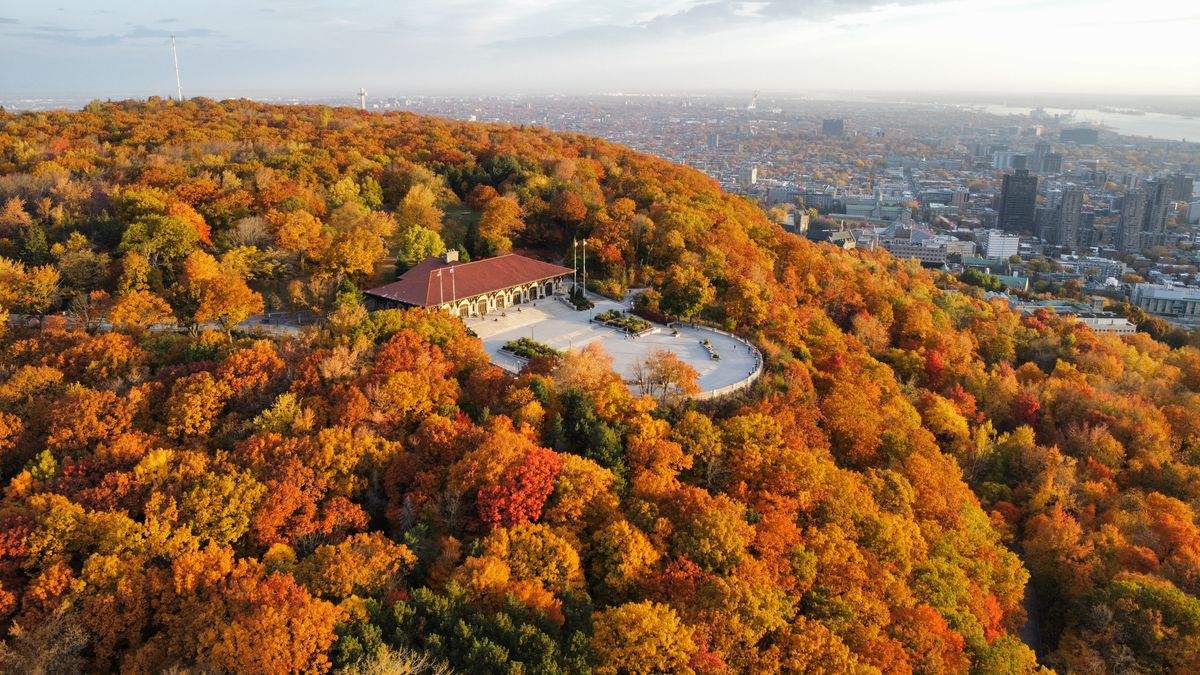
Mount Royal is the city’s most famous lookout and one of the essential experiences in any Montreal itinerary. From the Kondiaronk Belvedere, you get a wide view over downtown, the river, and the urban grid that makes the city feel both big and surprisingly human.
The walk up is manageable for most travelers, especially if you take your time. Sunset is a particularly popular moment to go, when the skyline softens and the city starts to glow. It’s romantic, scenic, and just strenuous enough to make any post-hike snack feel morally deserved.
Pick one museum or indoor attraction
Montreal has enough museums to fill several days, so on a short trip it makes sense to choose one based on your interests. A focused stop adds variety without overloading the day, especially if the weather turns cold or rainy.
Good options include:
- Montreal Museum of Fine Arts for art and temporary exhibitions
- Pointe-à-Callière for archaeology and city history
- Biodôme if you want something different and family-friendly
- McCord Stewart Museum for social history and culture
What to do in Montreal in the evening
Evenings in Montreal can be as relaxed or lively as you want. Good options include dinner in a neighborhood restaurant, cocktails in the Plateau, live music, or a return to Old Montreal to see the area lit up after dark.
If you still have energy, this is the moment to lean into the city’s personality. In warmer months, terraces stay busy and the atmosphere feels wonderfully social. In colder months, cozy bars and bistros do the heavy lifting. Montreal knows how to make bad weather feel like a character trait rather than a problem.
- Start with dinner in Mile End, Little Burgundy, or the Plateau
- Head to Old Montreal for an evening walk
- Look for live jazz, indie music, or comedy
- Finish with dessert, a late drink, or night views from downtown
Visiting in autumn? Discover the best parks, routes and timing for fall foliage in Canada.
Useful tips for a long weekend in Montreal
A long weekend in Montreal works best when you stay flexible and group attractions by area. The city is walkable in parts, but distances between neighborhoods can add up, so a mix of walking and public transport is usually the smartest approach.
Before you go, keep these practical points in mind:
- Best time to visit: late spring through fall for festivals, markets, and outdoor dining
- Getting around: metro, buses, and walking work well for most visitors
- Where to stay: Old Montreal for atmosphere, downtown for convenience, Plateau for local character
- How many days: 3 days is ideal for highlights, 4 days allows a slower pace and more museums
The WeRoad tip
See Montreal by connecting its contrasts, not just its landmarks
One of the nicest ways to understand Montreal is to experience it as a city of transitions. Start in the historic heart, around Place d’Armes and the magnificent Notre-Dame Basilica, where the old stone streets of Old Montreal still feel almost European in mood. From there, let the day unfold naturally with a walk through Place Jacques-Cartier down to the Old Port, where the city suddenly opens toward the river and the pace softens.
Then switch scenes completely. Dip into the Underground City, especially if the weather is cold, to see how locals navigate winter with practical genius and a social life that simply refuses to freeze. After that, head out toward the multicultural neighborhoods, where Portuguese, Italian, Jewish, and French influences blend into one very snackable urban personality. End the day at the Mount Royal lookout for sunset, when the skyline turns golden and everyone goes a bit quiet for once. And yes, somewhere between all that, commit fully to a poutine hunt. It may not be elegant, but neither is true love.
Planning your trip? Read our guide to the best time to visit Canada.
Why Montreal is worth more than a quick stop
Montreal stands out because it offers a rare mix of heritage, creativity, and everyday livability. In three days, you can experience grand architecture, neighborhood culture, excellent food, and outdoor viewpoints without needing to rush through the city.
It’s a destination that rewards curiosity more than speed. Yes, you can see the major attractions. But the real charm often hides in the in-between moments: a bakery stop, a side street mural, a view at dusk, or a perfect plate of fries, cheese curds, and gravy that makes absolutely no nutritional sense and every emotional one.
If Montreal has made it onto your travel list, take a look at the WeRoad group trips to Canada and discover this vibrant Canadian city with people who are just as ready to explore, eat, and wander.
FAQ
- Is 3 days enough for Montreal?
-
Yes, three days are enough to see Montreal’s main highlights. You can explore Old Montreal, visit local neighborhoods like Mile End and the Plateau, enjoy a market, and go up Mount Royal without feeling overly rushed.
- What is a good 4-day itinerary for Montreal?
-
A good 4-day plan adds flexibility to the 3-day version. Use day four for extra museums, a deeper neighborhood exploration, a canal walk, the Biodôme, or more time enjoying food and nightlife at a slower pace.
- What are some fun things to do in Montreal in the evening?
-
In the evening, you can have dinner in the Plateau or Mile End, stroll through Old Montreal, listen to live jazz or indie music, enjoy cocktails, or simply walk along the waterfront when the city lights come on.
- What are the best areas to stay in Montreal for a weekend?
-
Old Montreal is best for charm and sightseeing, downtown is best for convenience and transport, and the Plateau is ideal if you want a more local atmosphere with cafés, restaurants, and nightlife nearby.
- When is the best time to visit Montreal?
-
The best time to visit is from late spring to early fall, when the weather is milder and outdoor activities are in full swing. Summer is especially lively thanks to festivals, terraces, and long evenings.