In a nutshell
- Greece is best experienced through a mix of culture, islands and sea, combining major sites like Athens, Delphi or Meteora with time on one or more islands for beaches, boat trips and slower local moments.
- The islands have very different personalities: Santorini suits travelers after views and romance, Mykonos is better for nightlife and style, while Crete, Corfu and Naxos offer a more balanced mix of beaches, food, history and authenticity.
- Beach experiences can shape the whole itinerary, from volcanic shores in Santorini to pink sand in Crete and cave-filled coves in the Ionian islands, with each destination offering a distinct landscape rather than the same seaside formula.
- Mainland Greece adds depth to the trip thanks to archaeological sites, mountain scenery and historic towns, making places like Athens, Delphi, Meteora, Nafplio and the Peloponnese especially rewarding for first-time visitors.
- Seven days are enough for a first taste, but 10 to 14 days work better if you want to combine islands, ruins and beaches without rushing, especially during spring and early autumn when weather is pleasant and crowds are more manageable.
Greece has a rare talent: it can make one day feel like three different holidays. In the morning you are walking through ancient ruins, by lunch you are eating grilled octopus by the sea, and by sunset you are arguing with your camera because the view looks fake. From the mainland to the islands, this is a destination that mixes history, beach time and big landscapes with suspicious ease.
If you are planning a trip and want a clear idea of what to experience, start with the essentials: Athens, a few iconic islands, at least one major archaeological site, and time for swimming in outrageously blue water. The best part is that Greece works for many travel styles, whether you want culture, nightlife, nature, food or a little bit of everything.
The best experiences to have in Greece
Greece is best enjoyed by combining a few classic experiences rather than trying to see everything. A balanced itinerary usually includes a historic city, one or two islands, some beach time, local food and at least one major cultural site. That mix gives you a fuller picture of the country.
Here are some of the most rewarding ways to experience Greece:
- Explore ancient sites like the Acropolis, Delphi or Knossos
- Go island hopping in the Cyclades or Ionian islands
- Relax on famous beaches with black, white or pink sand
- Visit villages and old towns with Venetian, Byzantine and Cycladic influences
- Taste Greek staples such as mezze, souvlaki, moussaka, feta and fresh seafood
- Take a boat trip to caves, coves and hidden bays
- Watch sunset from a clifftop, because in Greece this is basically a competitive sport
Start with Athens and the great archaeological sites
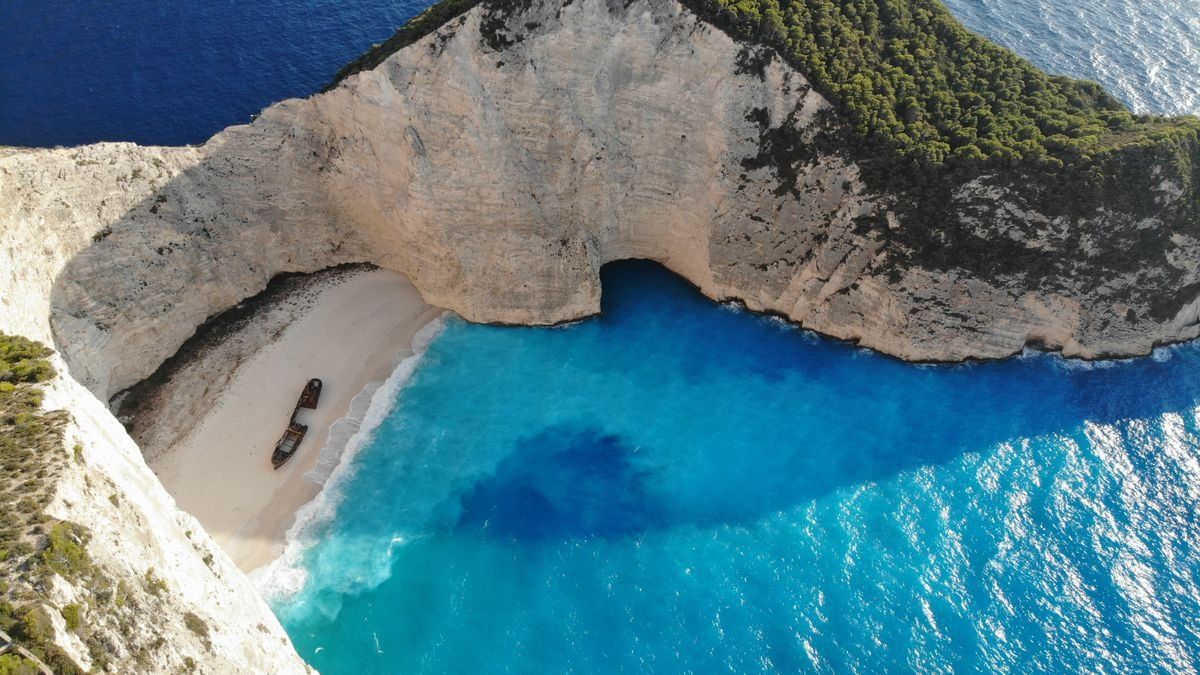
Athens is the most logical first stop because it offers history, food and transport connections all in one place. Beyond the Acropolis, the city has lively neighborhoods, excellent museums and easy access to day trips. It is not just a gateway; it is part of the experience.
Athens: history with a side of rooftop cocktails
The Greek capital brings together major ancient landmarks and an energetic modern atmosphere. Spend time at the Acropolis, the Acropolis Museum, the Ancient Agora and the neighborhoods of Plaka and Monastiraki. This is where mythology, ruins and iced coffee all get along surprisingly well.
For a fuller day in Athens, consider:
- Visiting the Parthenon early in the morning
- Walking through Plaka and Anafiotika
- Stopping at the Acropolis Museum
- Having lunch in Monastiraki
- Ending the day on a rooftop with Acropolis views
Delphi and Meteora for mainland wonders
Outside Athens, two of the most memorable mainland stops are Delphi and Meteora. Delphi combines mythology, mountain scenery and one of the country’s most important sanctuaries. Meteora offers monasteries dramatically perched on rock pillars, and yes, it really does look like someone designed it for a fantasy film.
If you have extra time on the mainland, add places like Nafplio, Mycenae or the Peloponnese for more history and a slower pace.
Choose the right Greek islands for your style
The islands are one of the main reasons travelers fall for Greece, but they are not all the same. Some are known for nightlife, others for beaches, food, scenery or a more local atmosphere. Choosing based on your travel style makes the trip smoother and far more enjoyable.
| Island | Best for | Highlights |
|---|---|---|
| Santorini | Views, romance, iconic scenery | Oia sunsets, caldera views, Akrotiri, volcanic beaches |
| Mykonos | Nightlife, chic beaches, stylish stays | Little Venice, windmills, beach clubs, nearby Delos |
| Crete | Variety, nature, history, food | Knossos, Chania, Balos, Elafonissi, Samaria Gorge |
| Corfu | Green landscapes, old town charm | Venetian streets, coves, Paleokastritsa, easy boat trips |
| Naxos | Beaches and authenticity | Portara, mountain villages, long sandy beaches |
| Zakynthos | Boat trips and dramatic coastline | Navagio views, Blue Caves, turquoise water |
Santorini and Mykonos
These are the two headline acts, and for good reason. Santorini is all about volcanic landscapes, whitewashed villages and dramatic caldera views. Mykonos mixes beaches, design-forward stays and nightlife. They are popular, yes, but they are also genuinely beautiful.
Visit Santorini for cliffside walks between Fira and Oia, local wine tasting and sunset viewpoints. Head to Mykonos for its old town, beach clubs and a day trip to Delos, one of Greece’s most significant ancient sites.
Crete, Corfu and Naxos
If you want more space and variety, these islands often deliver better balance. Crete is ideal for longer trips thanks to its mix of beaches, hiking, archaeological sites and food culture. Corfu feels greener and more elegant, with Venetian influence and beautiful coves. Naxos is often loved for being more relaxed and less showy.
These islands suit travelers who want to do more than just tick off photo spots. They reward slower exploration, long lunches and spontaneous beach stops that somehow turn into full afternoons.
Beaches worth building an itinerary around
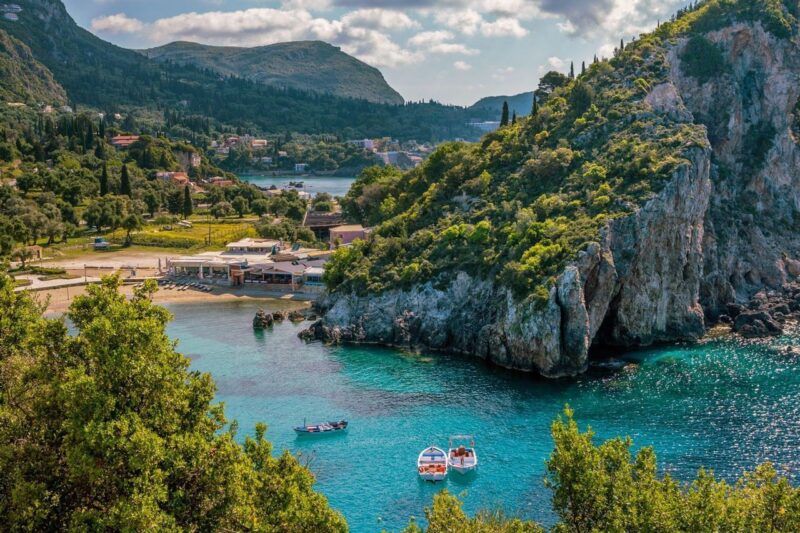
Greek beaches are not all interchangeable. Some are famous for unusual colors, others for dramatic cliffs, shallow lagoons or easy swimming. The best approach is to match the beach to the kind of day you want, whether that means lounging, snorkeling or getting out on a boat.
Some standout beach experiences include:
- Elafonissi, Crete for pale water and pink-tinted sand
- Balos Lagoon, Crete for unforgettable colors
- Red Beach, Santorini for volcanic scenery
- Sarakiniko, Milos for lunar-like white rock formations
- Myrtos, Kefalonia for dramatic Ionian views
- Paleokastritsa, Corfu for coves and boat access to caves
One small truth about Greece: a “quick swim stop” is rarely quick. You say 20 minutes, the sea says absolutely not, and suddenly it is sunset and you are ordering another plate of fried zucchini.
Culture, food and local life beyond the postcard views
Greece is not only about monuments and beaches. Local markets, family-run tavernas, mountain villages and seaside promenades add depth to the trip. These everyday experiences often become the most memorable part of the journey because they connect you with the rhythm of the place.
What to eat in Greece
Greek cuisine is generous, fresh and built for sharing. Try gyros, souvlaki, moussaka, dakos in Crete, grilled fish on the islands, and classic Greek salad that somehow tastes better under actual Greek sun. Add local wine or ouzo if that is your thing.
Do not skip:
- Seafood in island tavernas
- Cheese pies and spinach pies from bakeries
- Honey, yogurt and nuts for breakfast
- Freddo espresso or freddo cappuccino on hot afternoons
Slow moments that make the trip
Some of the best travel memories in Greece are simple. A walk through Nafplio at dusk, a village lunch in Crete, a ferry arrival into a whitewashed port, or an evening stroll in Corfu Old Town. Greece is excellent at reminding you that doing less can still feel like doing a lot.
How many days do you need in Greece?
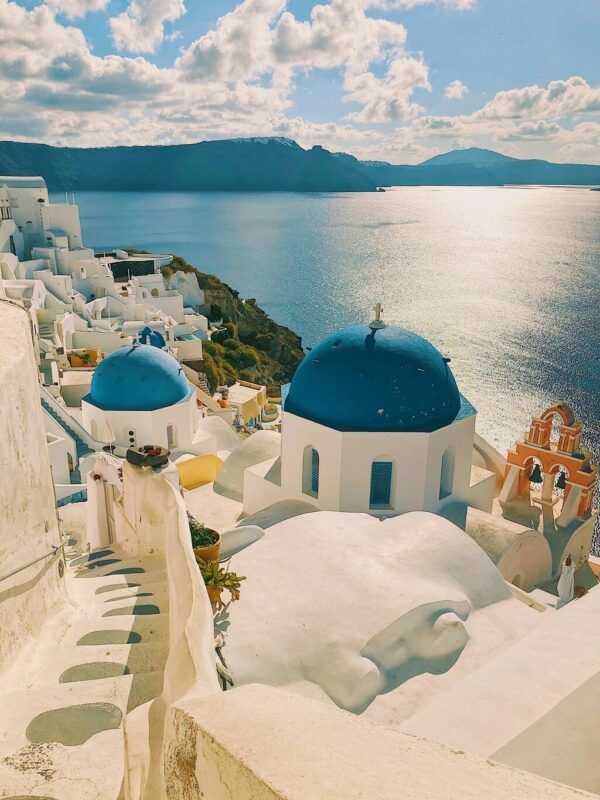
Seven days can be enough for a first introduction, especially if you focus on one mainland base and one or two islands. With ten to fourteen days, you can explore at a more relaxed pace and combine culture, beaches and island time without rushing constantly.
A few itinerary ideas:
- 7 days: Athens + one island such as Santorini, Naxos or Mykonos
- 10 days: Athens + two islands, or Athens + Delphi/Meteora + one island
- 14 days: Athens + mainland highlights + two or three islands
If it is your first trip, resist the urge to fit half the map into one week. Greek ferries are fun, but spending your entire holiday becoming emotionally attached to ferry timetables is not the dream.
Planning a trip to Greece well
The best time to visit depends on your priorities. Late spring and early autumn are ideal for sightseeing, warm weather and fewer crowds. July and August are best for classic beach holidays, but they are also hotter, busier and usually more expensive.
Useful planning tips:
- Book ferries and popular stays in advance for summer travel
- Wear sturdy shoes for archaeological sites and old streets
- Carry sun protection, especially for island hopping days
- Dress respectfully when visiting monasteries and churches
- Keep your itinerary realistic, especially if moving between islands
The WeRoad tip
Trade the obvious postcard for the right timing and one unforgettable detour
Some of the best moments in Greece happen when you experience a famous place slightly differently. In Crete, for example, reaching Elafonissi early makes a huge difference: the pink-tinted sand feels calmer, the water looks even clearer, and you get that rare sensation of being somewhere iconic before the crowds fully wake up. Later in the trip, switch from beach-lounging mode to something a bit more adventurous and head to Matala, where swimming into the sea caves beneath the cliffs adds a wild, almost cinematic layer to the island.
On the mainland, give some space to the quieter power of Delphi. Walking the Sacred Way past the oracle’s ruins and the Athenian Treasury is not just sightseeing; it helps you understand why this place mattered so much in the ancient world. And if you are ending in Athens, save one evening for the Temple of Poseidon at Cape Sounio. The clifftop setting at sunset is the kind of scene that makes everyone go quiet for once, even the friend who usually narrates every moment like a travel documentary.
Your Greece trip, from ruins to swims
Greece stands out because it offers more than one kind of trip. You can spend the morning at a UNESCO site, the afternoon in a hidden cove and the evening over a table full of mezze. Few destinations do variety this well, and fewer still make it feel so effortless.
Whether you are drawn by islands, ancient ruins or long beach days, Greece gives you plenty of reasons to return. And if you want to experience it with the right mix of adventure, fun and new people, discover WeRoad group trips to Greece and find the itinerary that fits your style.
FAQ
- What are the top 5 experiences in Greece?
-
For many travelers, the top five include visiting the Acropolis in Athens, watching sunset in Santorini, exploring Delphi or Meteora, enjoying beach time on an island such as Crete or Naxos, and eating through as many tavernas as humanly respectable.
- Is 7 days enough for Greece?
-
Yes, for a first trip it can be enough if you keep the plan simple. A good one-week itinerary could include Athens plus one island, or Athens with one mainland highlight such as Delphi. If you want more islands or a slower pace, 10 days or more is better.
- What is the best island to visit in Greece for first-timers?
-
It depends on your style. Santorini is ideal for iconic scenery, Naxos for a more relaxed island experience, Crete for variety, and Mykonos for nightlife and beach clubs. First-timers often enjoy pairing Athens with one classic island and one more laid-back choice.
- When is the best time to go to Greece?
-
May, June, September and early October are excellent for pleasant weather, sightseeing and fewer crowds. July and August are best for guaranteed beach weather and lively islands, but they are also the hottest and busiest months. Read our complete guide for more in-in depth information.
- Can you visit Greece for more than beaches?
-
Absolutely. Greece is one of Europe’s strongest destinations for history, archaeology, food, hiking and cultural travel. Even travelers who come for the sea often end up talking just as much about ruins, villages, monasteries and meals.