In a nutshell
- The most memorable Christmas cities in Europe combine historic centers, atmospheric markets, seasonal food, and strong walkability, creating a festive experience that goes well beyond shopping stalls.
- Strasbourg, Vienna, Prague, Nuremberg, Cologne, and Tallinn stand out for different reasons: Strasbourg for classic charm, Vienna for elegance, Prague for scenery, Nuremberg for tradition, Cologne for variety, and Tallinn for cozy intimacy.
- Choosing the right destination depends on your travel style: some cities are better for first-time festive trips, others for culture, romance, or a quieter winter atmosphere with fewer crowds.
- The best period to visit is usually early to mid-December, when markets are fully open and the atmosphere is at its peak; checking exact closing dates and booking accommodation early is essential.
- A successful Christmas city break in Europe requires some planning, especially around weekend crowds, Christmas Day closures, and transport, but the reward is a trip filled with lights, local treats, and unforgettable winter scenery.
There is a very specific kind of winter joy that only Europe seems to master: cobbled streets glowing under fairy lights, the smell of roasted chestnuts in the air, and a paper cup of mulled wine warming your hands while your nose slowly loses all feeling. It is chaotic, charming, and occasionally so festive it feels slightly unreasonable.
If you are planning a winter escape, some cities do Christmas better than others. The most memorable destinations combine historic squares, traditional Christmas markets, seasonal food, and enough lights to make your camera storage beg for mercy. Below, you will find cities that truly deliver that festive atmosphere, plus practical tips on when to go and what to expect.
What makes a European city great at Christmas?
The best festive cities in Europe offer more than a market with a few wooden stalls. What really matters is the overall atmosphere: walkable old towns, beautiful decorations, local food traditions, and enough activities to fill a long weekend without feeling repetitive.
A strong Christmas destination usually includes:
- Atmospheric historic centers that look even better in winter
- Well-established markets with local crafts, sweets, and hot drinks
- Seasonal events such as concerts, skating rinks, or light shows
- Easy transport for winter travel and short city breaks
- Food worth traveling for, from gingerbread to sausages to pastries
In short: you want a city that feels festive even when you are not actively holding mulled wine. Though, to be fair, that helps a lot.
The top Christmas cities to visit in Europe
Several European destinations stand out for their festive spirit, but a few consistently combine markets, decorations, food, and atmosphere better than the rest. These are the cities most likely to give you the full holiday experience in one trip.
Strasbourg, France
Strasbourg, France, is one of Europe’s most iconic Christmas destinations thanks to its long market tradition, grand decorations, and beautiful Alsatian architecture. The city center becomes a large festive stage, with multiple markets and a particularly strong sense of place.
Often called the Christmas capital of Europe, Strasbourg is the kind of place that makes even the least festive traveler mutter, “Okay, this is actually very cute.” The old town, Grande Île, fills with lights, themed stalls, and giant decorations that seem to have no chill whatsoever.
Expect highlights like:
- Christkindelsmärik, one of the oldest Christmas markets in Europe
- The huge tree at Place Kléber
- Cathedral views paired with market stalls and festive music
- Alsatian treats such as bredle biscuits and vin chaud
It is ideal for travelers who want a classic market experience with plenty of visual drama and easy walking between attractions.
Vienna, Austria
Vienna, Austria, is one of the most elegant places to experience Christmas in Europe. Its grand architecture, traditional markets, and refined seasonal atmosphere make it especially appealing for travelers who want festive charm with a polished, cultural edge.
Vienna does not shout Christmas. It glides into the room wearing a tailored coat and carrying perfect hot chocolate. The city’s markets are spread across beautiful settings, including in front of Rathaus and near Schönbrunn Palace, and they feel more cinematic than chaotic.
Why Vienna works so well in December:
- Several distinct Christmas markets in one city
- Classical concerts and winter events
- Elegant streets with lights and imperial architecture
- Seasonal snacks like kaiserschmarrn, cookies, and punch
If your ideal festive break involves markets by day and a concert by night, Vienna is a very strong contender.
Prague, Czech Republic
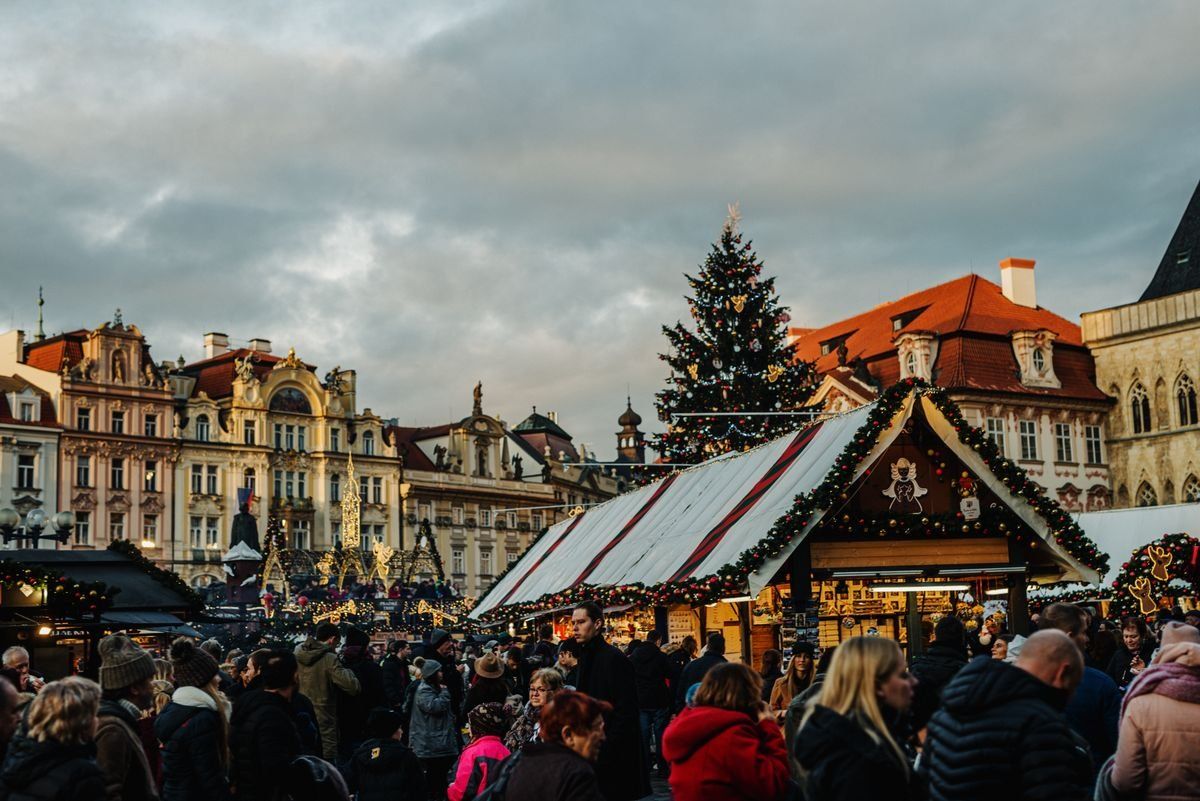
Prague, Czech Republic, offers a striking Christmas setting thanks to its Gothic skyline, medieval squares, and lively market scene. It is especially suited to travelers looking for atmosphere, walkability, and a festive city break with strong visual appeal.
Prague in December looks suspiciously like a film set. The markets in Old Town Square and Wenceslas Square bring in the festive buzz, while the city itself does the heavy lifting with spires, bridges, and cobbled lanes that already look dramatic on a normal Tuesday.
Do not miss:
- The giant Christmas tree in Old Town Square
- Traditional Czech pastries and hot mead
- Evening walks across Charles Bridge
- Views from Prague Castle with winter light over the city
Prague can get busy, especially in peak December weekends, but it remains one of the prettiest festive city breaks in Europe for first-time visitors.
Nuremberg, Germany
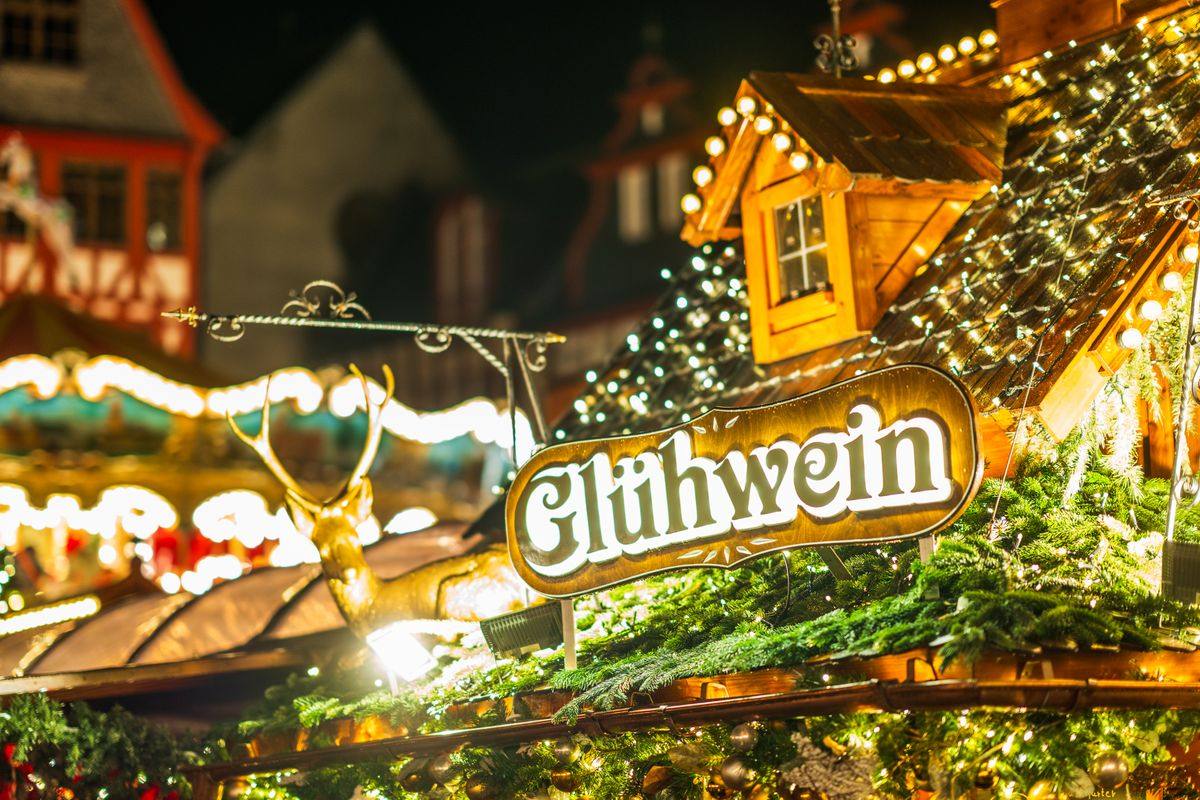
Nuremberg, Germany, is one of the most famous Christmas cities in Germany and a benchmark for traditional market culture. It is best for travelers who want a classic, historic market experience rooted in local customs and seasonal food.
If Christmas markets had a hall of fame, Nuremberg would already have a plaque, a spotlight, and probably its own cinnamon-scented gift shop. The Christkindlesmarkt is among the most renowned in Europe, known for striped stalls, traditional decorations, and an atmosphere that feels deeply rooted rather than overly commercial.
Top reasons to go:
- The legendary Christkindlesmarkt in the main square
- Nuremberg sausages and gingerbread
- Traditional handmade ornaments and gifts
- A compact old town that is easy to explore
For market purists, this is one of the strongest options on the continent.
Cologne, Germany
Cologne stands out for variety. Rather than relying on one single market, the city offers several festive areas with different styles, making it a great choice for travelers who want to compare atmospheres in one destination.
Cologne is for people who hear “there are seven Christmas markets” and respond, very calmly, “I can do that.” The market by the Cologne Cathedral is the showstopper, but the city’s real strength is hopping between different festive neighborhoods, each with its own personality.
What makes Cologne special:
- Multiple markets within easy reach
- The dramatic backdrop of Cologne Cathedral
- A lively, social atmosphere
- Strong food and drink options throughout the city
It is perfect if you like your Christmas trip with range, energy, and a very real chance of buying too many ornaments.
Tallinn, Estonia
Tallinn, Estonia, is one of the most atmospheric smaller capitals for a Christmas trip. Its medieval old town, snowy potential, and compact market make it especially attractive for travelers after a more intimate festive experience.
There is something almost unfair about Tallinn in winter. Its towers, walls, and old merchant houses already look storybook-ready, and then December arrives and adds lights, market stalls, and often a layer of snow like a final dramatic flourish.
Why Tallinn deserves a spot on the list:
- A beautifully preserved medieval old town
- A cozy market in Town Hall Square
- Traditional Estonian food and warm drinks
- A smaller scale that feels romantic rather than overwhelming
If you want something festive but less hectic than the biggest Western European cities, Tallinn is a brilliant pick.
Quick comparison of the best Christmas cities in Europe
Each city offers a slightly different festive experience. Some are best for tradition, others for elegance, and others for variety. Comparing them side by side can help you choose the right fit for your travel style.
| City | Best for | Atmosphere | Typical treats |
|---|---|---|---|
| Strasbourg | Classic festive charm | Fairy-tale and traditional | Vin chaud, bredle, pretzels |
| Vienna | Elegant Christmas break | Grand and cultural | Punch, cookies, kaiserschmarrn |
| Prague | Scenic old-world beauty | Medieval and lively | Trdelník, mead, sausages |
| Nuremberg | Traditional markets | Historic and authentic | Gingerbread, sausages, mulled wine |
| Cologne | Market variety | Festive and social | Mulled wine, sweets, street food |
| Tallinn | Cozy winter atmosphere | Intimate and magical | Spiced wine, pastries, hearty dishes |
When to go for the full festive experience
The best time for a Christmas city break in Europe is usually from late November to just before December 24. During this period, markets are fully open, decorations are at their best, and cities feel busiest and most festive.
A few timing tips can make a big difference:
- Go in early to mid-December for the best balance of atmosphere and availability.
- Avoid peak weekends if you dislike crowds.
- Check market closing dates carefully, as some end on December 23 or 24, while others continue until New Year.
- Book accommodation early, especially in Strasbourg, Vienna, and Prague.
Also worth knowing: Christmas Day itself can be very quiet in many European cities. Lovely if you want calm. Less lovely if your plan was “wander, snack, and improvise.”
How to choose the right city for your Christmas trip
The best destination depends on the kind of festive break you want. Some cities are ideal for first-timers, while others suit travelers looking for romance, lower crowds, or a more traditional market focus.
- Choose Strasbourg for iconic Christmas atmosphere
- Choose Vienna for elegance, music, and culture
- Choose Prague for dramatic architecture and classic winter views
- Choose Nuremberg for market tradition
- Choose Cologne for variety and easy market hopping
- Choose Tallinn for a smaller, cozier festive escape
The truth is, there is no bad answer here. There are only different levels of festive overachievement.
A winter city break worth wrapping up
Europe at Christmas offers a mix of tradition, atmosphere, and seasonal experiences that is hard to match elsewhere. Choosing the right city means thinking about pace, style, and the kind of festive setting you want most from your trip.
Whether you picture yourself under the lights of Strasbourg, market-hopping in Cologne, or drinking mulled wine in a grand square in Vienna, one thing is certain: this is the kind of trip that turns even the coldest days into core memories.
If you want to experience the festive season with good company, take a look at WeRoad group trips in Europe for Christmas Break and find the Christmas city break that fits your travel style.
FAQ
- Which city feels the most magical at Christmas in Europe?
-
Strasbourg is often considered one of the most magical thanks to its historic market tradition, extensive decorations, and charming old town. That said, Prague and Vienna are also top choices for atmosphere and visual impact.
- Which European country is best for Christmas markets?
-
Germany is widely seen as the strongest overall choice because of its deep Christmas market tradition, variety of cities, and classic festive food. France and Austria are also excellent, especially for travelers looking for a slightly different style.
- What is the prettiest town or city for a Christmas trip?
-
For many travelers, Prague and Tallinn are among the prettiest thanks to their medieval architecture and winter atmosphere. Strasbourg is another favorite for its fairy-tale look and richly decorated streets.
- What is the cheapest European country to visit at Christmas?
-
Countries in Central and Eastern Europe, such as the Czech Republic or Estonia, can offer better value than France, Austria, or Germany. Prague and Tallinn often deliver excellent festive atmosphere at a lower overall cost than Western European capitals.
- Are Christmas markets in Europe open after December 25?
-
Some are, but not all. Many traditional markets close on December 23 or 24, while others stay open until New Year or early January. Always check official market dates before booking.