In a nutshell
- The most memorable Christmas markets in Europe combine a beautiful setting, strong local traditions, regional food, and a lively festive atmosphere rather than just size or popularity.
- Top destinations include Vienna, Strasbourg, Nuremberg, Cologne, Prague, Tallinn, and Bruges, each offering a different style, from imperial elegance and classic German heritage to fairytale medieval charm.
- The best time to visit is usually late November to mid-December, especially on weekdays, when markets are fully active but generally less crowded than in the final days before Christmas.
- Food is a core part of the experience, with staples such as mulled wine, gingerbread, sausages, roasted chestnuts, raclette, and regional sweets helping define each destination’s holiday identity.
- Choosing the right market depends on your travel style: bigger cities offer more variety and easier transport, while smaller or less obvious destinations often deliver a more intimate and distinctive festive atmosphere.
Twinkly lights, the smell of cinnamon in the air, oversized mugs of mulled wine, and that sudden urge to buy a wooden ornament you absolutely do not need: welcome to Christmas market season in Europe. It’s festive, a little chaotic, wonderfully photogenic, and honestly one of the best excuses to plan a winter city break.
Across the continent, holiday markets pop up in grand capitals, medieval squares, and tiny old towns that look as if they were designed by someone with a serious gingerbread addiction. Some are famous for centuries-old traditions, others for fairytale scenery, local food, or enough sparkle to blind your camera roll. The trick is choosing the right one for your travel style.
What makes a Christmas market truly worth the trip
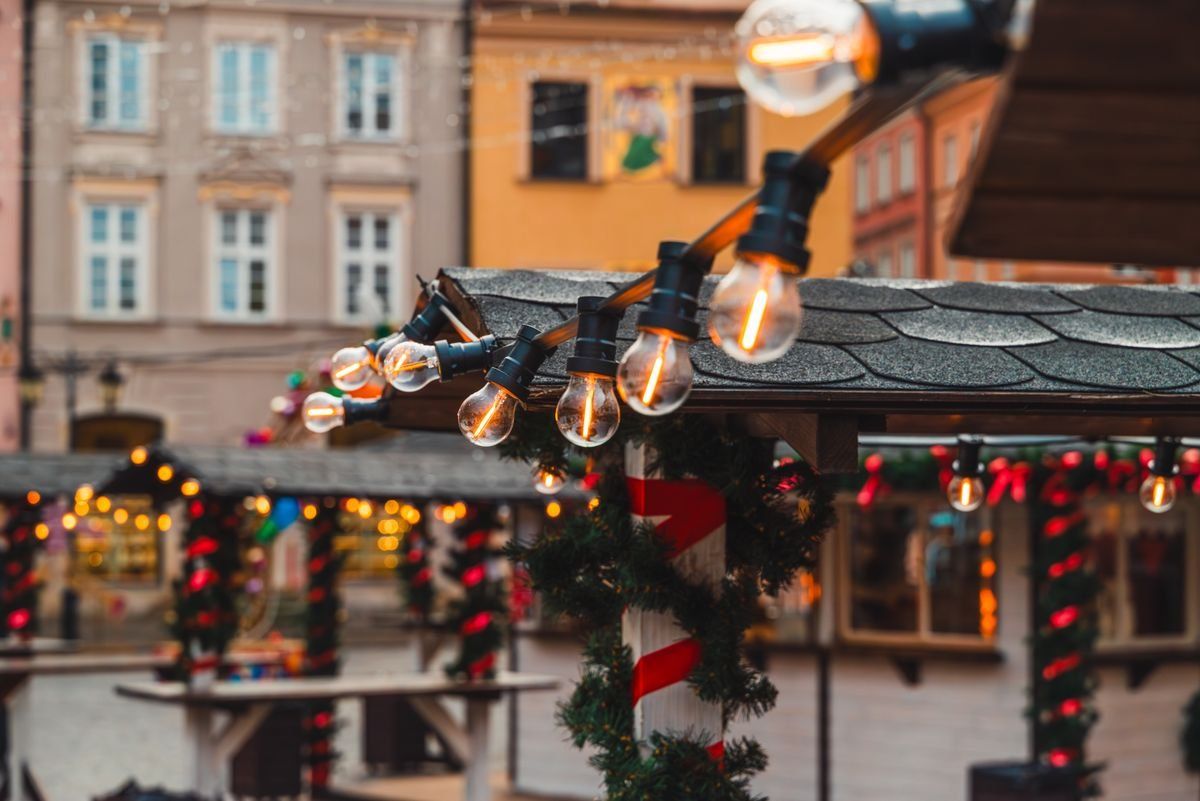
A great Christmas market combines atmosphere, local traditions, good food, and a beautiful setting. The most memorable ones are not always the biggest. Some stand out for history and craftsmanship, while others win with scenic squares, festive concerts, or snowy backdrops that make everything feel slightly unreal.
In practical terms, the markets that leave a mark usually have a few things in common:
- A distinctive location, such as a cathedral square, a medieval old town, or a palace courtyard
- Regional food and drinks, not just generic snacks in holiday disguise
- Handmade gifts and decorations rather than mass-produced souvenirs
- A festive atmosphere with lights, music, and evening charm
- Easy access for a weekend trip or a multi-city itinerary
So yes, the mug of Glühwein matters. But the setting matters too. A lot. Drinking hot wine in front of a Gothic cathedral simply hits differently.
Where to find Europe’s most magical Christmas markets
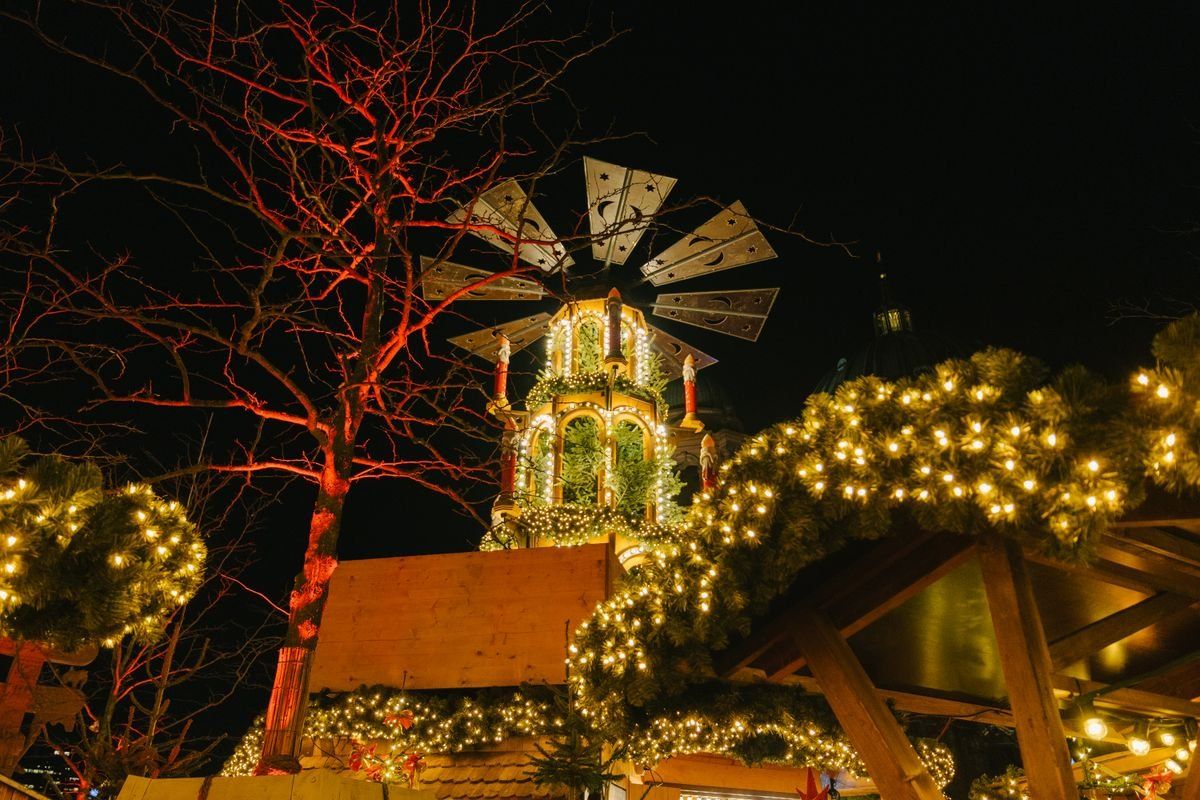
The most celebrated festive markets in Europe are spread across Germany, France, Austria, the Czech Republic, and the Baltics. Each destination offers a different mood, from grand imperial elegance to cozy medieval charm, making it possible to choose based on atmosphere, budget, and travel pace.
Vienna, Austria
Vienna, Austria, is one of the most iconic Christmas destinations in Europe thanks to its elegant squares, multiple markets, and imperial backdrops. It suits travelers who want variety, easy transport, and a polished holiday atmosphere with culture, food, and festive lights all in the same itinerary.
The Austrian capital goes all in. You can wander through the market in front of Rathausplatz, then head to Schönbrunn Palace or Belvedere for a more scenic setting. The city feels dressed for the occasion from top to bottom, like it knew you were coming and ironed its fanciest coat.
Expect choir music, artisanal gifts, hot punch, and pastries that make self-control a seasonal myth. Vienna is ideal if you want to combine markets with museums, cafés, and a little “I live in a historical drama now” energy.
Strasbourg, France
Strasbourg, France, is often called the Capital of Christmas for good reason. Its festive reputation comes from long-standing traditions, stunning decorations, and an old town that looks tailor-made for winter travel. It is one of the strongest choices for travelers seeking atmosphere and history in equal measure.
The market dates back to the 16th century, and the city’s half-timbered houses, canals, and cathedral create a seriously cinematic setting. The giant tree in Place Kléber is one of the highlights, but the real charm comes from wandering between the smaller market areas and admiring the decorations across the city center.
Add Alsatian treats, spiced wine, and enough fairy lights to make your phone storage panic, and Strasbourg becomes a classic for a reason.
Nuremberg, Germany
Nuremberg is among Germany’s most famous festive destinations thanks to its historic market, strong traditions, and signature seasonal food. It is a good pick for travelers looking for a classic German Christmas experience with a strong sense of authenticity and local identity.
The legendary Christkindlesmarkt fills the main square with red-and-white stalls, traditional decorations, and all the edible comfort your winter soul requires. This is the place for Lebkuchen, grilled sausages, and handmade ornaments that feel more meaningful than a last-minute airport souvenir.
It can get crowded, absolutely. But that’s because everyone had the same bright idea. Go on a weekday if you can and stay into the evening when the lights make the old town glow.
Cologne, Germany
Cologne stands out for the number and variety of its markets, making it a strong option for travelers who like festive city breaks with different atmospheres in one place. It combines easy logistics with a dramatic cathedral backdrop and a lively, social mood.
The market by Cologne Cathedral is the postcard star, but there are several others scattered across the city. One of the most loved is the one at Heumarkt, where the ice rink adds extra winter charm. It’s festive, busy, and just the right amount of over-the-top.
If your ideal holiday scene includes a glowing square, roasted almonds, and the gentle possibility of buying snacks every twenty minutes, Cologne will understand you perfectly.
Prague, Czech Republic
Prague, Czech Republic, offers one of the most atmospheric market settings in Europe, especially in the Old Town and around Wenceslas Square. It is a strong choice for travelers who want medieval architecture, festive lights, and often more affordable prices than in Western European capitals.
The main market in Old Town Square is the headline act, with a huge Christmas tree and historic buildings all around. Even if you’ve seen photos, the real thing feels bigger, brighter, and somehow more dramatic. Prague also tends to keep its markets open into early January, which is useful if your December vanishes in a blur of office parties and panettone.
Come hungry for trdelník, sausages, and warm drinks, but stay for the nighttime atmosphere when the city center turns gloriously theatrical.
Tallinn, Estonia
Tallinn, Estonia, is one of the most magical winter destinations in northern Europe thanks to its compact medieval center and intimate market layout. It is especially appealing for travelers who want a fairytale setting, colder weather, and a less conventional festive city break.
The market in Town Hall Square is smaller than the giants in Germany or Austria, but that’s part of the charm. Surrounded by medieval buildings and often blessed with actual snow, Tallinn feels like the kind of place where elves would have a local union office.
The city is easy to explore on foot, and the market is known for its cozy feel, Baltic holiday drinks, and a strong visual payoff for relatively little effort. In winter travel terms, that’s elite behavior.
Bruges, Belgium
Bruges, Belgium, is a compact and romantic option for a festive getaway, combining market stalls with canals, historic architecture, and excellent food. It works particularly well for couples, first-time winter travelers, or anyone who likes their holidays served with waffles and a side of medieval scenery.
The city’s main squares host festive stalls, ice skating, lights, and seasonal treats, while the surrounding streets remain charming enough to make simply walking around feel like an activity. Belgian hot chocolate also deserves a serious mention here. It is not just a drink. It is a lifestyle choice.
A quick comparison of top Christmas market destinations
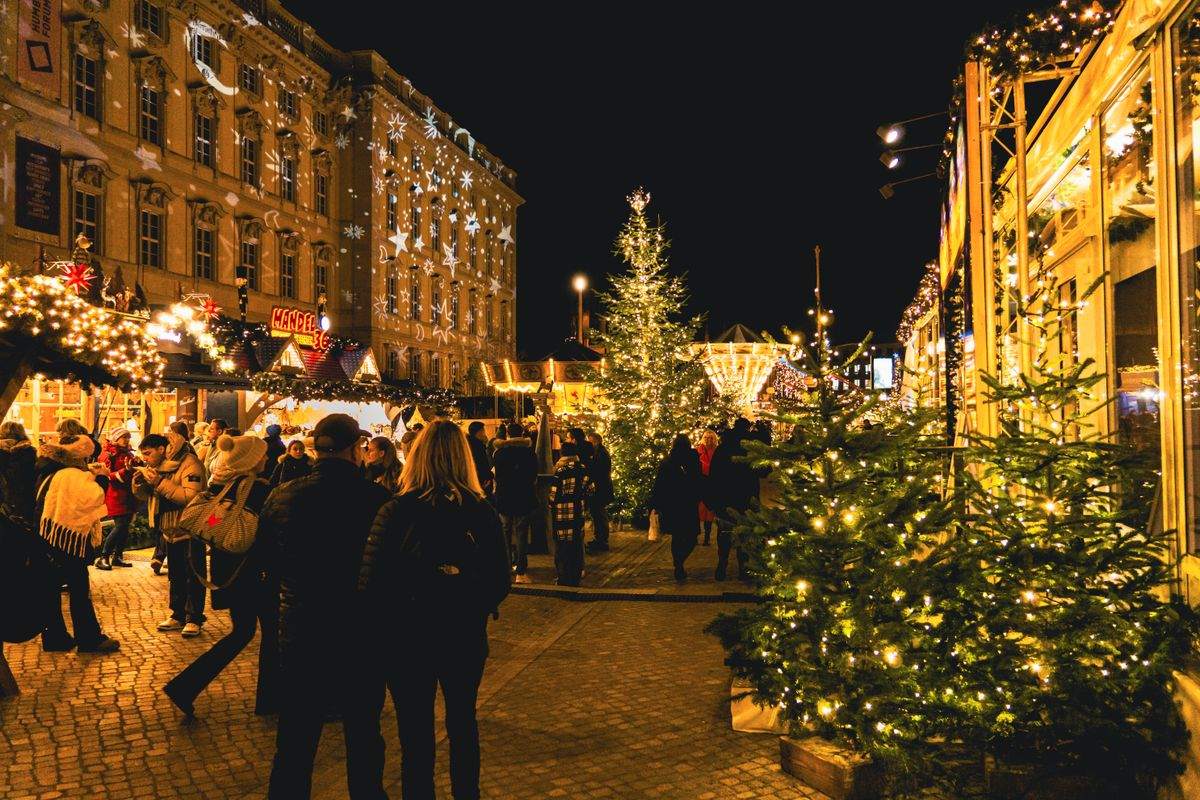
Each destination has a different personality, and the best one depends on what kind of trip you want. Some are ideal for first-timers, others for atmosphere, food, or a quieter festive break with fewer crowds and more local charm.
| Destination | Best for | Atmosphere | Typical highlights |
|---|---|---|---|
| Vienna | Variety and elegance | Grand and polished | Palace markets, punch, concerts |
| Strasbourg | Classic festive scenery | Historic and romantic | Cathedral, giant tree, Alsatian food |
| Nuremberg | Tradition | Authentic and busy | Lebkuchen, sausages, handmade gifts |
| Cologne | Multiple markets | Lively and social | Cathedral backdrop, ice rink, street food |
| Prague | Value and architecture | Dramatic and atmospheric | Old Town Square, tree, local snacks |
| Tallinn | Fairytale vibes | Cozy and snowy | Medieval square, Baltic drinks, winter charm |
| Bruges | Romantic city break | Charming and compact | Canals, waffles, skating rink |
When to visit for the best experience
The ideal time to visit is usually from late November to mid-December. During this period, most markets are fully open, decorations are in place, and the atmosphere is festive without reaching the busiest pre-Christmas peak seen in the final days before the holiday.
Here’s how timing can change your trip:
- Late November: quieter, often cheaper, great for photos and slower strolls
- Early to mid-December: the sweet spot for atmosphere and full programming
- Weekdays: better for avoiding crowds
- Evenings: best for lights and ambiance, though usually busier
- After Christmas: possible in some cities like Prague or Vienna, but not everywhere
In short: avoid Saturday night if you dislike queues and accidental shoulder contact with strangers holding hot wine.
What to eat and drink at European Christmas markets
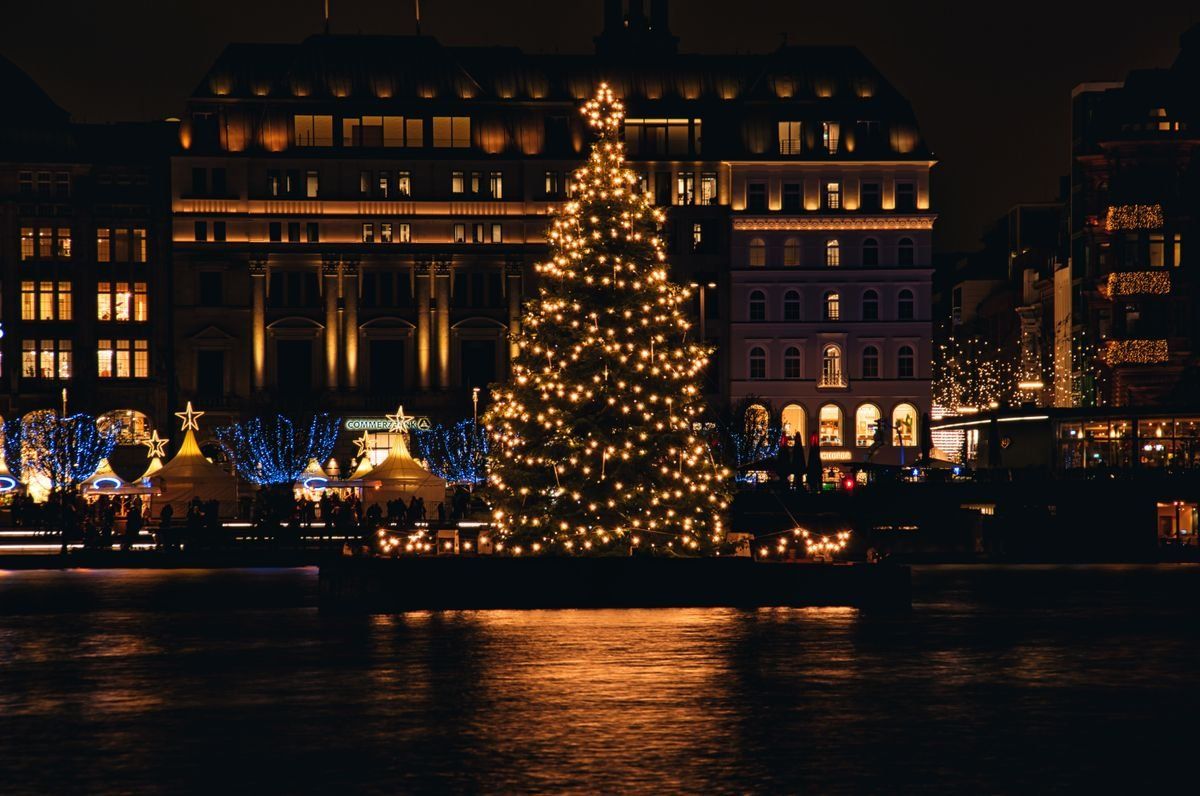
Food is one of the biggest reasons these markets are worth the trip. The best stalls serve regional specialities that reflect local traditions, from sausages and gingerbread to hot cider, cheese dishes, pastries, and festive sweets that somehow disappear faster than expected.
A few staples to look out for include:
- Glühwein or mulled wine
- Lebkuchen and gingerbread
- Bratwurst and regional sausages
- Raclette and melted cheese dishes
- Roasted chestnuts and candied almonds
- Hot chocolate, cider, or spiced punch
Many cities also serve drinks in collectible mugs with a deposit. Officially, you return them. Unofficially, they somehow keep ending up in suitcases across the world. A mystery for the ages.
How to choose the right market for your trip
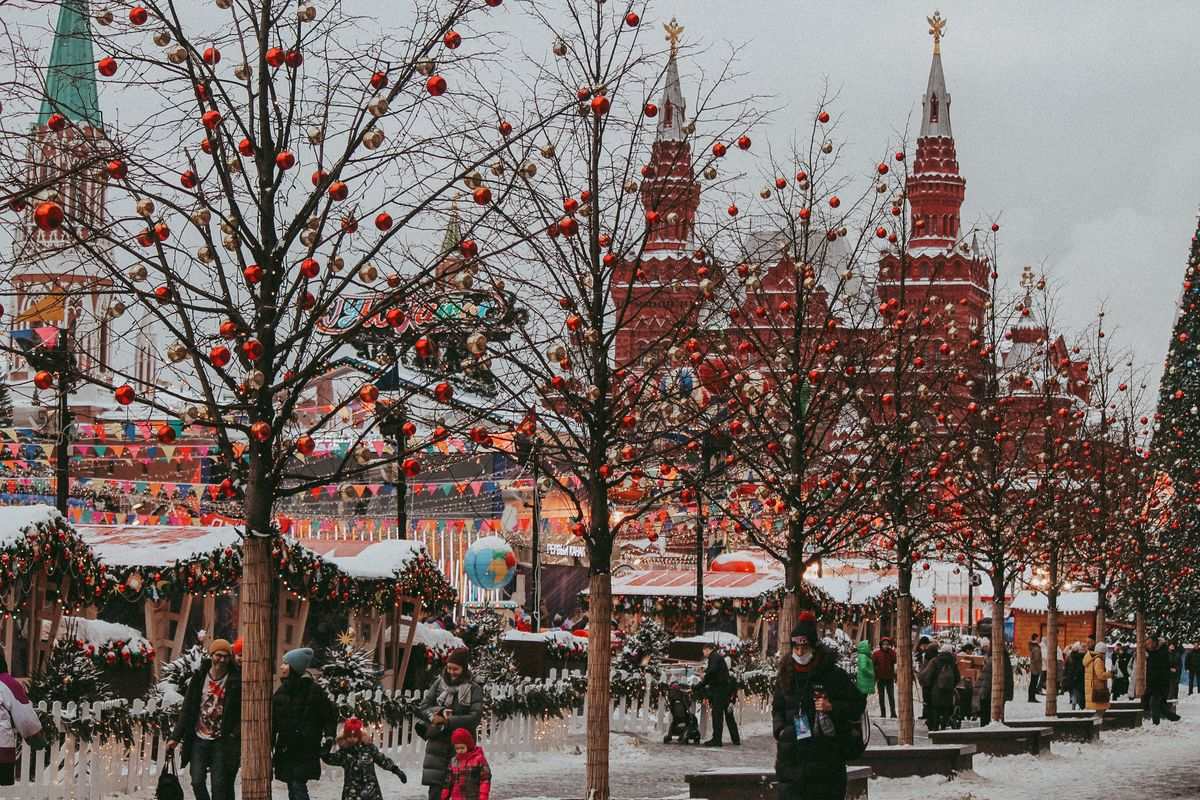
The best destination depends on whether you prioritize atmosphere, food, history, budget, or ease of travel. Large cities offer more variety and transport options, while smaller or less conventional destinations can feel more intimate and distinctive during the festive season.
If you want a simple shortcut:
- Choose Vienna for elegance and multiple markets
- Choose Strasbourg for traditional festive beauty
- Choose Nuremberg for classic German heritage
- Choose Prague for value and winter atmosphere
- Choose Tallinn for a more unusual snowy escape
- Choose Bruges for a short romantic getaway
Your festive city break starts here
Europe does Christmas markets exceptionally well, but the best trip is the one that matches your mood: grand and glittering, cozy and local, or full of food with a decorative side quest. Whichever city you choose, go hungry, dress warmly, and leave room in your bag for one mug too many.
If this festive mood has already convinced you, take a look at WeRoad Christmas Break group trips in Europe and find the destination that turns your winter getaway into a proper shared adventure.
FAQ
- Which country in Europe has the best Christmas market?
-
Germany is often considered the strongest overall choice because of its long Christmas market tradition, variety of cities, and classic festive atmosphere. That said, Austria and France are also excellent, especially for travelers drawn to elegant settings or fairytale old towns.
- What are the top Christmas markets to visit in Europe?
-
Some of the most highly rated markets are in Vienna, Strasbourg, Nuremberg, Cologne, Prague, Tallinn, and Bruges. These destinations stand out for atmosphere, historic settings, food, decorations, and the quality of the overall winter city break experience.
- Where are the most atmospheric Christmas markets in Europe?
-
For atmosphere alone, Strasbourg, Tallinn, Prague, and Bruges are hard to beat thanks to their historic centers and strong visual charm. Vienna and Nuremberg also rank highly for ambiance, especially in the evening when lights and music transform the city squares.
- What is the most Christmassy place in Europe?
-
Many travelers would argue for Strasbourg or Vienna. Strasbourg feels deeply traditional and immersive, while Vienna offers a more grand and elegant festive mood. If snow-covered medieval streets are your thing, Tallinn makes a very strong case too.
- Are Christmas markets in Europe expensive?
-
Costs vary a lot by destination. Cities like Vienna and Strasbourg can be pricier for accommodation, while Prague and Tallinn often offer better value. Food and drinks at the markets are usually manageable, but repeated mulled wine stops can quietly become a budget category of their own.