In a nutshell
- Leaf-peeping means traveling to admire and photograph fall foliage, a tradition strongly associated with the United States but also popular in countries such as Japan, where it is known as momijigari.
- The best timing depends on latitude, elevation, tree species, and weather: northern and high-altitude areas usually peak first from late September, while southern and lower-elevation regions tend to peak later into October and early November.
- Among the top US destinations, New England is the classic choice, while New York, the Great Smoky Mountains, the Blue Ridge Parkway, Colorado, and several Midwest regions also offer spectacular seasonal color.
- Outside the US, Japan stands out for its deep autumn traditions and iconic temple-and-garden settings, while Canada and parts of the UK and Europe offer memorable alternatives for an autumn escape.
- To plan well, it helps to monitor foliage maps, stay flexible, travel on weekdays when possible, and combine scenic drives with short hikes or viewpoints for the best chance of catching peak colors at the right moment.
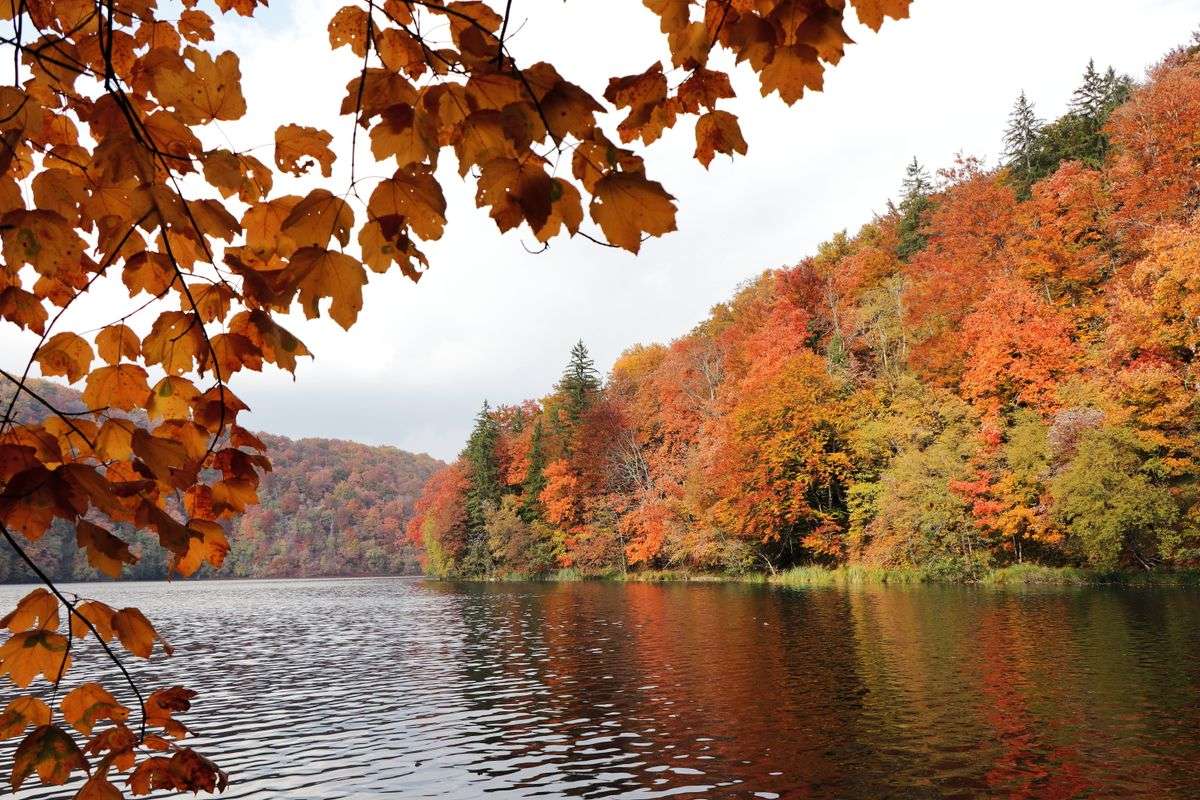
Every autumn, forests put on a show that makes even the most committed beach person pause and say, “Okay, wow.” Hills glow in red, orange, and gold, scenic roads become cinematic, and suddenly everyone wants a cozy sweater and a window seat on a train. That seasonal ritual of traveling to admire colorful leaves has a name, and yes, it’s more popular than ever.
Leaf-peeping is simply the act of traveling to see and photograph fall foliage. While the term is especially common in the United States, the tradition exists in many countries, from Japan to parts of Canada and Europe. In practice, it means planning a trip around peak color, whether that’s a mountain road trip, a lakeside hike, or a city escape framed by flaming maples.
What leaf-peeping actually means
Leaf-peeping refers to a trip or outing focused on watching leaves change color in autumn. It usually involves scenic drives, walks, hikes, train rides, or viewpoints in places known for strong seasonal color. The idea is simple: go where the trees are showing off and enjoy the view while it lasts.
The phrase originated in the United States and is often associated with New England, where fall tourism is practically a seasonal sport. But don’t let the playful name fool you: this is serious business for travelers, photographers, nature lovers, and anyone who has ever whispered “look at that tree” with genuine emotion.
Another common way to describe it is fall color tourism or simply fall foliage travel. In Japan, the equivalent tradition is called momijigari, which refers to going out to admire autumn leaves. Different words, same excellent excuse to book a trip.
Why leaves change color in fall
Leaves turn color because trees respond to shorter days and cooler temperatures. As chlorophyll breaks down, the green fades and other pigments become visible, revealing yellows, oranges, and reds. The exact timing and intensity depend on tree species, weather, rainfall, and elevation.
In plain terms, autumn is nature’s slow costume change. During spring and summer, chlorophyll dominates and keeps leaves green. When daylight decreases, that green starts to disappear, allowing other pigments to take the spotlight:
- Carotenoids create yellow and gold tones
- Anthocyanins are responsible for red and crimson shades
- Tannins can contribute to brown and bronze colors
This is why different regions look so different in fall. Areas rich in maple trees often produce dramatic reds, while places full of aspens glow bright yellow. Oaks, birches, beeches, and sweetgums all add their own twist to the palette. Basically, forests have better color coordination than most of us.
When is the best time to see fall foliage?
The best time depends on latitude, elevation, and the year’s weather. In general, higher elevations and northern regions peak first, often from late September to early October. Lower elevations and southern areas usually reach their best color later, from mid-October into early November.
There is no single perfect week for every destination, which is why flexible planning matters. A warm autumn can delay the peak, while drought, storms, or an early frost can shorten the show. The safest strategy is to check local foliage reports and maps one to two weeks before departure.
| Region | Typical peak period | Best known for |
|---|---|---|
| New England | Late September to late October | Fiery maples, scenic drives, classic fall villages |
| Mid-Atlantic | Early to late October | Mountain parks, river valleys, long weekends from major cities |
| Midwest | Late September to late October | Lakeshores, forests, rolling countryside |
| Rocky Mountains | Mid-September to early October | Golden aspens and alpine scenery |
| Southern Appalachians | Mid-October to early November | Long season, layered mountain views |
| Japan | Late October to early December | Temple gardens, maples, cultural autumn traditions |
Best places in the US for autumn leaf trips
The top destinations in the United States combine strong color, accessible viewpoints, and scenic routes. New England is the classic choice, but the Smokies, the Adirondacks, the Midwest, and Colorado also offer exceptional displays. The best destination depends on whether you prefer road trips, hikes, lakes, or mountains.
New England
New England remains the most iconic region for fall foliage thanks to its dense hardwood forests, covered bridges, charming small towns, and famous scenic drives. States like Vermont, New Hampshire, and Maine are especially celebrated for their vivid reds and oranges.
Top spots include:
- Route 100, Vermont for classic countryside views
- Kancamagus Highway, New Hampshire for one of the best foliage drives in the country
- Acadia National Park, Maine for coastal landscapes mixed with fall color
If your dream autumn looks like cider mills, white church steeples, and roads so pretty they should pay rent, this is your place.
Adirondacks and Hudson Valley, New York
New York State offers outstanding foliage from the northern mountains to the river towns south of Albany. The Adirondacks peak earlier, while the Hudson Valley tends to color up later, making the state a smart option for stretching the season.
Choose the Adirondacks for wilderness, lakes, and panoramic summits. Pick the Hudson Valley for estates, orchards, and weekend escapes from New York City. Either way, your camera roll will become extremely self-important.
Great Smoky Mountains and Blue Ridge Parkway
The Great Smoky Mountains and the Blue Ridge Parkway are among the best southern destinations for autumn color. Their long elevation range means the season unfolds gradually, starting on high ridges and moving down into valleys over several weeks.
This makes the region especially forgiving if your dates are fixed. Scenic overlooks, gentle drives, and extensive trails create options for all travel styles, from hardcore hikers to people who prefer appreciating nature with a snack in hand.
Colorado and the Rocky Mountains
Colorado is famous for golden aspen groves that light up the Rockies in early fall. The color palette is different from New England, but the contrast between yellow trees, dark evergreens, and mountain peaks is spectacular.
Popular areas include:
- Maroon Bells
- Kebler Pass
- Telluride
- Rocky Mountain National Park
This is the place for travelers who want crisp air, big views, and photos that make everyone back home suspiciously quiet in the group chat.
Midwest favorites
The Midwest is often overlooked, but it delivers beautiful fall landscapes with fewer crowds than the Northeast. Regions around Michigan, Wisconsin, and Minnesota are especially rewarding, with lake views, forest roads, and charming small towns.
Standout options include Pictured Rocks National Lakeshore, Door County, and Minnesota’s North Shore. Expect bold color, cool breezes, and enough cozy cabins to make you consider becoming a person who owns flannel on purpose.
Best places outside the US to enjoy autumn colors
Autumn leaf travel is not only an American tradition. Several countries offer excellent seasonal displays, often with distinct landscapes and cultural experiences. Japan is the standout, but Canada and parts of Europe also provide memorable fall trips.
Japan
Japan is one of the world’s great destinations for autumn leaves. The tradition of momijigari has deep cultural roots, and the scenery ranges from temple gardens in Kyoto to mountain landscapes in the Japanese Alps.
Peak timing moves from north to south and from high elevations to lower cities, usually between late October and early December. If spring in Japan gets all the cherry-blossom fame, autumn quietly walks in wearing a better outfit.
Canada
Canada offers stunning color in places like Quebec, Ontario, and the Atlantic provinces. Forested drives, national parks, and lakeside towns create a classic fall atmosphere, often with slightly fewer crowds than the most famous US hotspots.
United Kingdom and Europe
In the UK and parts of Europe, arboretums, national parks, and mixed woodlands can be especially beautiful in autumn. While the scale may differ from North America, the mood is excellent: misty mornings, old estates, and dramatic gardens doing their seasonal victory lap.
How to plan a great foliage trip
The best autumn trips balance timing, flexibility, and local knowledge. Choosing a region first, then matching your travel dates to elevation and weather, gives you the highest chance of seeing peak color. It also helps to plan scenic drives or hikes in advance.
- Check foliage maps and local reports a week or two before you travel.
- Book flexible lodging if possible, especially in popular regions.
- Aim for weekdays to avoid traffic and crowded viewpoints.
- Start early for better light and quieter trails.
- Respect private property and park only in designated areas.
- Pack layers because mountain mornings do not care about your fashion plans.
One more practical note: peak color usually lasts only about a week in a specific place, though the broader regional season can last much longer. Think of it as a limited-time performance rather than a permanent exhibition.
A final excuse to book that autumn escape
Autumn travel is about more than pretty views. It is a chance to slow down, take the scenic route, and enjoy places at their most atmospheric. Whether you choose the red maples of Vermont, the golden aspens of Colorado, or the temple gardens of Kyoto, the experience is part nature show, part road-trip romance, part “why don’t I do this every year?”
If you want to experience the season with like-minded travelers, discover the WeRoad group trips for destinations that shine in autumn and turn a colorful getaway into a shared adventure.
FAQ
- What is another name for leaf-peeping?
-
Another common name is fall color tourism or fall foliage travel. In Japan, the equivalent tradition is called momijigari.
- Where is the best place in the US to see fall foliage?
-
New England is the most famous region, especially Vermont, New Hampshire, and Maine. That said, the best choice also depends on your travel style, dates, and whether you prefer mountains, lakes, or road trips.
- Who says leaf-peeping?
-
The term is mainly used in the United States, particularly in discussions about autumn travel in the Northeast. Travelers elsewhere may use terms like fall foliage viewing or autumn leaf trips instead.
- Is it leaf-peeping or leaf peeking?
-
The established expression is leaf-peeping. “Leaf peeking” appears sometimes in casual use, but it is not the standard term for autumn foliage travel.
- How long does peak fall color usually last?
-
In one specific place, peak color often lasts around one week, although weather can shorten or extend that window. Across a wider region, the overall season may last several weeks.
- What weather makes autumn colors brighter?
-
Clear days, cool nights, and adequate rainfall usually help produce vivid colors. Drought, heavy storms, strong wind, or an early frost can reduce intensity or make leaves drop sooner.