In a nutshell
- Albania is one of Europe’s most varied hiking destinations, with routes that range from alpine passes in the north to panoramic coastal trails in the south, all supported by affordable travel costs and genuine local hospitality.
- The Valbona-Theth trail is the country’s signature hike, ideal for travelers seeking a classic full-day mountain trek through the Albanian Alps, while Theth also offers excellent shorter routes such as the Blue Eye and Grunas Waterfall.
- Multi-day trekkers should consider the Peaks of the Balkans, a challenging long-distance route crossing Albania, Montenegro, and Kosovo, with remote villages, high passes, and a much wilder feel than standard European trekking circuits.
- Southern Albania adds a different hiking style, especially around Llogara National Park and the Riviera, where trails combine forest, cliffs, and Ionian Sea views, and around Përmet, where nature walks pair well with the Bënja thermal springs and limestone canyon scenery.
- The best hiking season depends on the region: summer is best for high northern trails, while spring and early autumn are ideal in the south; in all areas, hikers should plan with offline maps, cash, enough water, and flexible timing for local transport.
Albania still feels like one of Europe’s best-kept outdoor secrets. Mountains rise fast, villages stay authentic, and the landscapes switch from wild alpine passes to sparkling coastlines in just a few hours. That’s exactly why hiking in Albania has become such a rewarding choice for travelers who want big scenery without the usual crowds.
What makes the country special is its variety. You can trek through the Albanian Alps, follow shepherd paths between remote valleys, walk coastal trails above the Ionian Sea, or combine short hikes with cultural stops in stone towns and thermal springs. In short: your legs will work, but your camera roll will work even harder.
Why Albania is a great hiking destination
Albania is an excellent destination for hiking thanks to its diverse terrain, relatively low costs, welcoming local hospitality, and trails that still feel adventurous. The country offers everything from iconic mountain crossings to easy day walks, with scenery that changes dramatically between north and south.
The biggest draw is the contrast. In the north, the Accursed Mountains and the valleys of Theth and Valbona deliver classic Balkan wilderness: jagged peaks, forest trails, waterfalls, and traditional guesthouses. In the south, the Albanian Riviera offers sun-soaked routes with sea views that can make even a casual walker suddenly talk like a documentary narrator.
There’s also a practical advantage: Albania remains more affordable than many European hiking destinations. Accommodation in family-run guesthouses, hearty local meals, and local transport can keep a trekking trip accessible without sacrificing experience.
- Best for mountain hiking: Theth, Valbona, Peaks of the Balkans area
- Best for coastal walking: Llogara Pass, Himarë, Qeparo, Borsh
- Best for mixed nature and culture: Përmet, Gjirokastër, Berat
- Best for multi-day trekking: Valbona to Theth, Peaks of the Balkans
Best hiking trails in Albania
Some trails stand out for their scenery, accessibility, and overall experience. If you want the highlights first, focus on the Valbona-Theth crossing, the Blue Eye in Theth, southern coastal paths, and selected routes around Përmet and Llogara. These hikes show Albania at its most memorable.
Valbona Pass: Theth to Valbona or Valbona to Theth
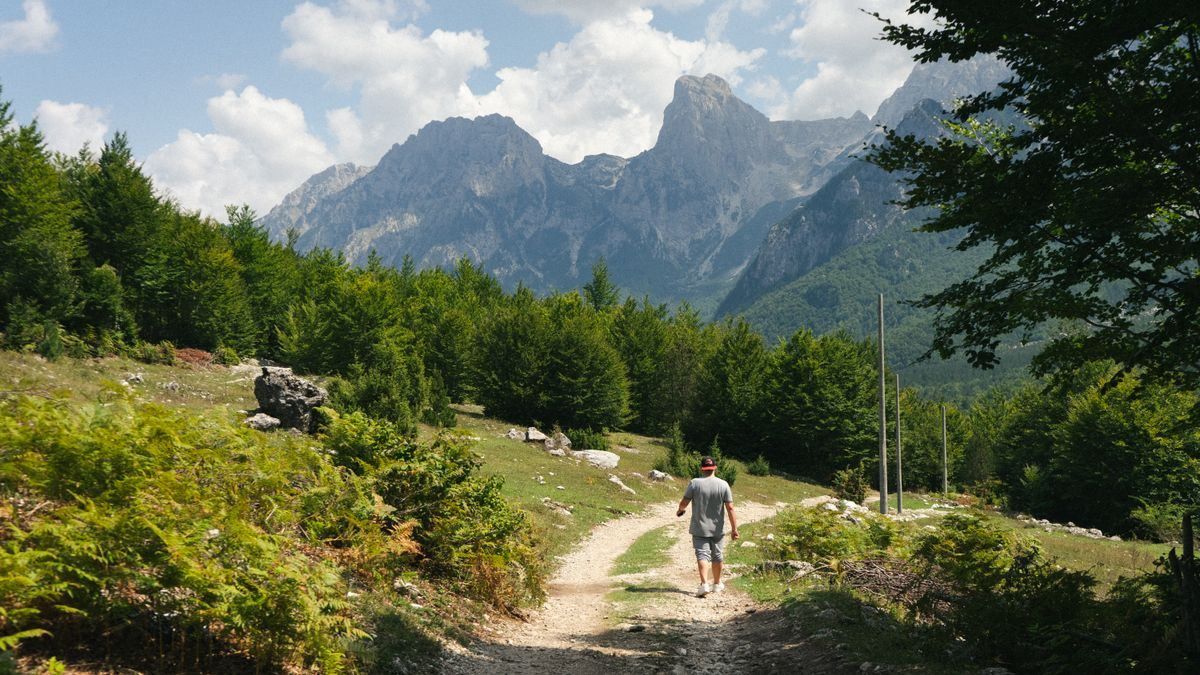
This is the most famous hike in the country and for good reason. The route connects Theth National Park with Valbona Valley National Park through a mountain pass with wide views, steady climbs, and a real sense of journey rather than a simple out-and-back walk.
Usually completed in one day, the trail is around 15 to 17 km depending on your start and finish points. It is considered moderate to challenging, mostly because of elevation gain rather than technical terrain. In good weather and during the hiking season, the path is popular and generally easy to follow.
Expect a proper trekking day: early start, long ascent, one dramatic pass, and the kind of descent that makes you question every life choice involving stairs. But then you look up, see those limestone peaks, and forgive everything immediately.
Blue Eye and Grunas area in Theth
The trails around Theth are ideal for travelers who want shorter or medium-length hikes without giving up spectacular scenery. The Blue Eye, Grunas Waterfall, and the canyon routes can be done separately or combined into longer walking days.
The Blue Eye of Theth is one of Albania’s most photogenic natural spots, a vivid turquoise spring surrounded by forest and rock. The route can be done as a moderate hike, especially if starting in the village, while Grunas Waterfall offers a shorter option with great views.
This area works well if you want flexibility. One day you can do a full trek, the next day something gentler, and on the third day just sit in a guesthouse garden pretending you are “recovering strategically” while actually eating byrek.
Peaks of the Balkans
The Peaks of the Balkans is the top choice for experienced hikers looking for a longer cross-border adventure. The trail passes through Albania, Montenegro, and Kosovo, linking remote villages, high meadows, and mountain passes over multiple days.
The full route is about 192 km, typically split across 10 to 13 days. You do not need to complete the entire circuit to enjoy it: shorter sections in northern Albania already provide a strong taste of the landscape and local culture.
This is less a “nice walk” and more a full hiking project. The reward is huge: silence, scale, and that rare feeling of being somewhere Europe still feels wild.
Llogara National Park and the Albanian Riviera
For hikers who want sea views with their elevation gain, Llogara National Park is one of the best southern options. Trails here rise above the Ionian coast, combining pine forests, rocky ridges, and panoramic viewpoints over the Riviera.
Routes in this area vary from moderate walks to steeper ascents such as the trails toward higher peaks above the pass. The scenery is the star: deep blue water, dramatic cliffs, and villages like Himarë, Qeparo, and Borsh nearby for post-hike swims and dinners.
It’s the kind of place where you finish a trail and think, “I deserve a beach break.” And honestly, you do. Albania is very supportive of this logic.
Hiking around Përmet and the Bënja thermal springs
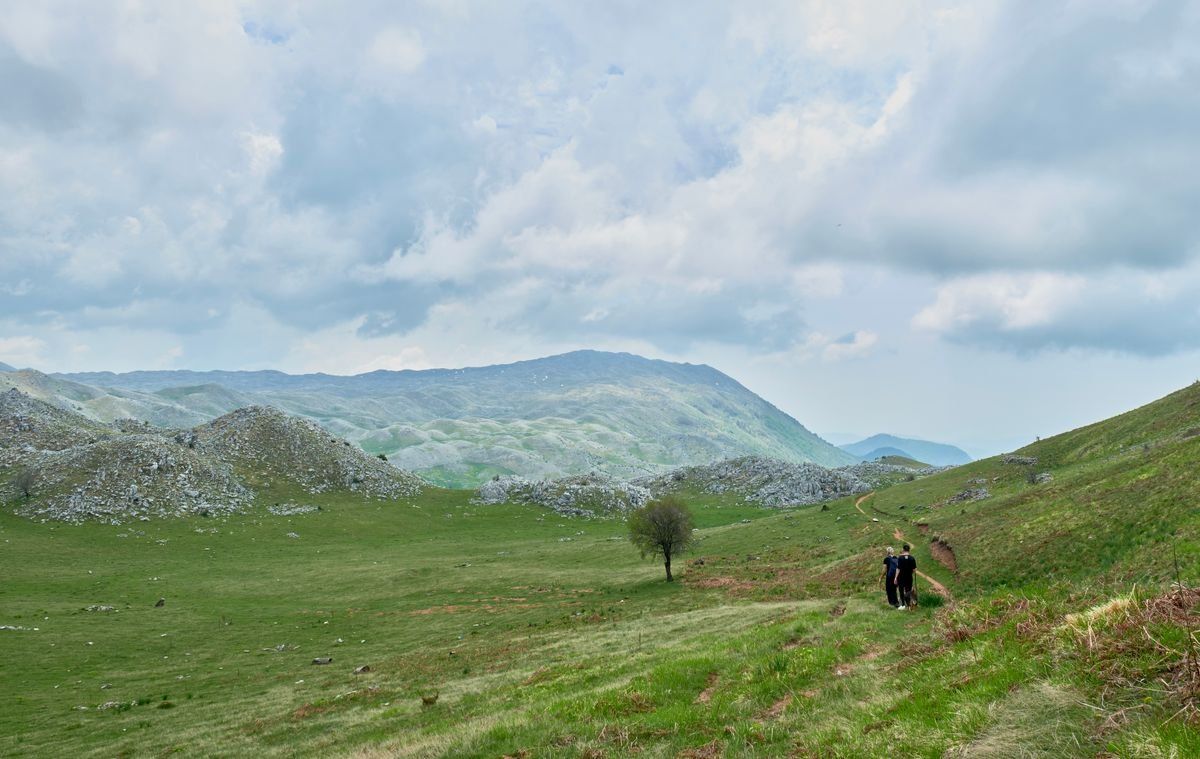
The area around Përmet is a great choice for travelers who want scenic hikes in southern Albania with fewer crowds. The landscape mixes valleys, mountain viewpoints, stone villages, and rivers, making it perfect for combining walking with slower exploration.
One of the highlights here is the Bënja thermal springs, near Përmet, set among striking limestone cliffs and close to the Ottoman-era Kadiut bridge. This is not a major trek in itself, but it pairs beautifully with nearby walks and canyon scenery, especially in the Lengarica Canyon area.
It’s a brilliant stop if you like your hikes with a reward at the end. Few things beat soaking in warm mineral water after a day on the trail, especially while pretending you are a very tough explorer who accidentally found a spa.
Top hiking areas compared
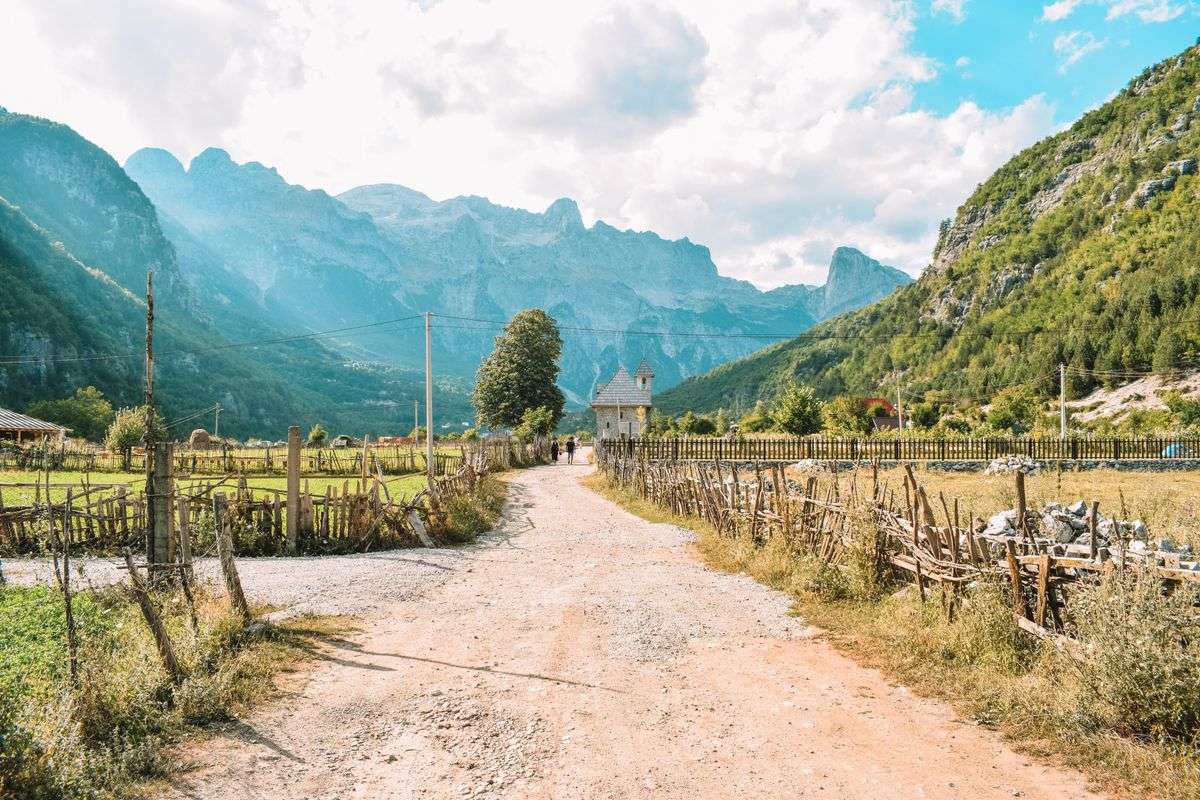
Different regions in Albania suit different travel styles. Northern Albania is best for classic trekking, while the south is ideal for mixed hiking and road-trip itineraries. Choosing the right base depends on your fitness level, available time, and whether you prefer mountains, coast, or a bit of both.
| Area | Best for | Difficulty | Highlights |
|---|---|---|---|
| Theth | Day hikes and alpine scenery | Easy to challenging | Blue Eye, Grunas Waterfall, mountain village atmosphere |
| Valbona | Classic trekking and valley views | Moderate to challenging | Valbona Pass, remote landscapes, guesthouses |
| Peaks of the Balkans | Multi-day trekking | Challenging | Cross-border route, high passes, remote villages |
| Llogara and Riviera | Coastal hiking | Moderate | Sea views, cliffs, beaches, southern villages |
| Përmet | Soft adventure and nature breaks | Easy to moderate | Bënja thermal springs, canyons, river landscapes |
When to go hiking in Albania
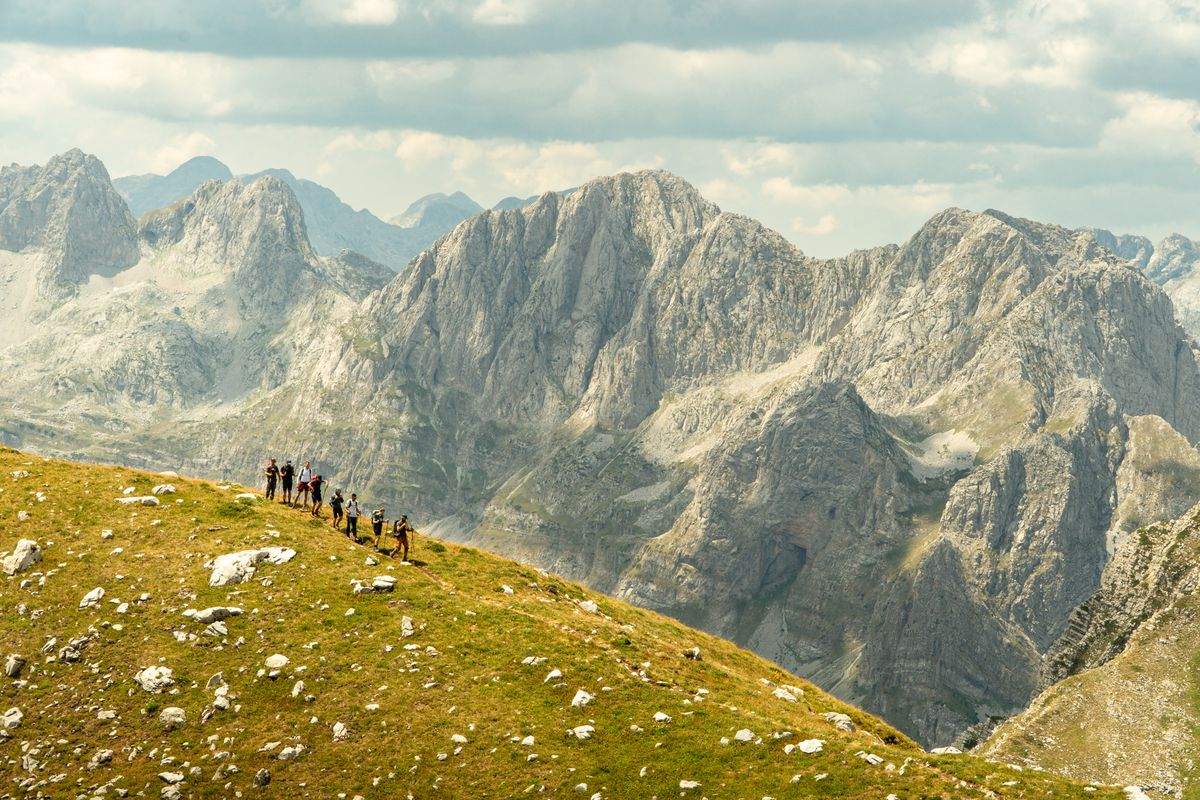
The best time for hiking in Albania is generally from late spring to early autumn. June to September is ideal for the Albanian Alps, while spring and early autumn are especially pleasant for southern coastal hikes and inland routes.
In the north, snow can linger into late spring and return early in autumn, especially on high passes such as the route between Theth and Valbona. July and August are the most reliable months for alpine trekking, but also the busiest.
In southern Albania, May, June, September, and early October are often perfect. Temperatures are milder, the light is excellent, and you can combine hiking with swimming without feeling like you’re being slowly roasted on a scenic hillside.
Practical tips for hiking in Albania
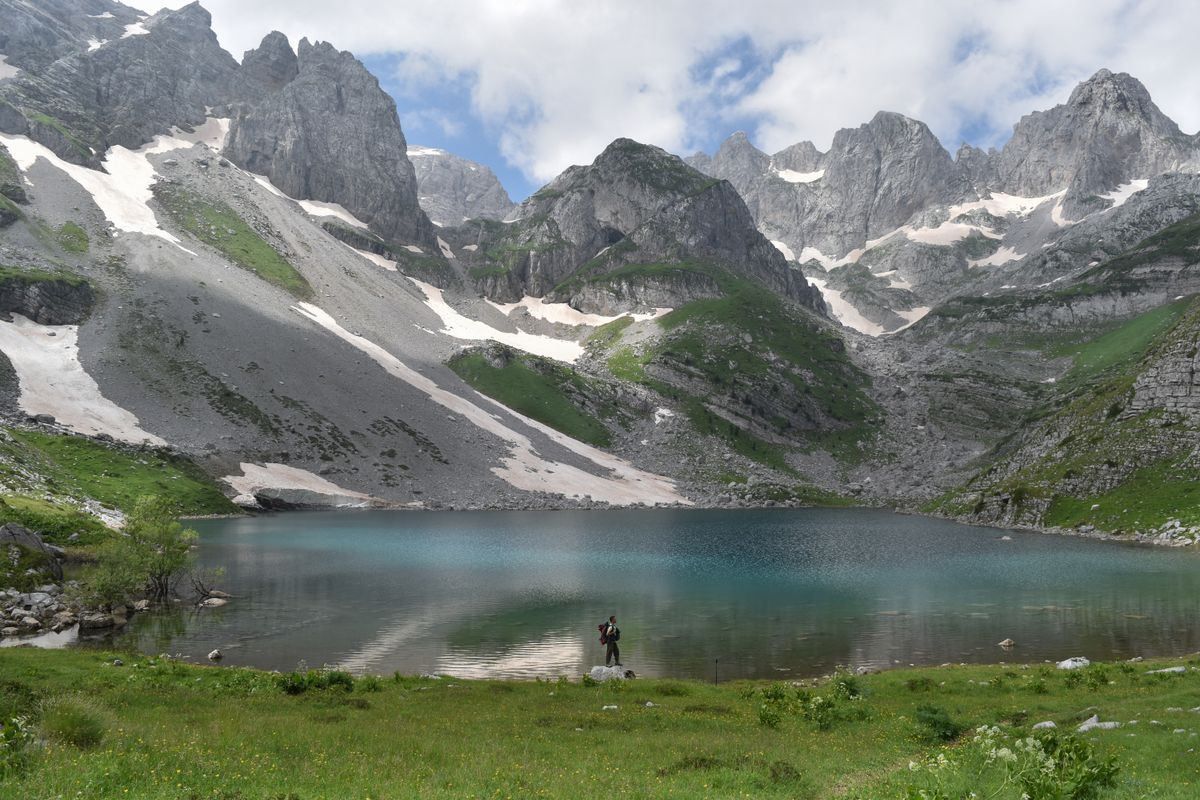
Preparation matters in Albania, especially in mountain regions where infrastructure is improving but can still be limited. Bring cash, download offline maps, check local trail conditions, and do not underestimate travel times between destinations.
- Use offline navigation: Mobile signal is not guaranteed in remote areas.
- Carry enough water and snacks: Shops are limited on many routes.
- Book mountain guesthouses in advance: Especially in summer.
- Start early: Afternoon weather can change quickly in the mountains.
- Wear proper footwear: Trails can be rocky, steep, and uneven.
- Ask locals about conditions: Recent rain, heat, or snow can change difficulty.
Also, remember that transport in Albania can be wonderfully unpredictable. A “departure at 7” may mean 7:00, 7:20, or “soon, friend.” Build some flexibility into your plan and consider it part of the adventure rather than a personal attack.
Is hiking in Albania worth it?
Yes, absolutely. Albania offers some of the most rewarding hiking in Europe for travelers who value raw landscapes, local hospitality, and routes that still feel relatively undiscovered. It may not have the fame of the Alps or the Dolomites, but it delivers a remarkable sense of space and authenticity.
What really stays with people is the mix: dramatic scenery, warm guesthouses, mountain food, sea views, and a feeling that you’ve found a place still shaping its tourism story. That combination is increasingly rare.
If you want to experience these landscapes with the right balance of adventure and shared moments, discover WeRoad group trips to Albania and turn the trail into a journey with new travel buddies.
FAQ
- Is Albania good for hiking?
-
Yes, Albania is very good for hiking. It offers mountain treks, coastal walks, national parks, and multi-day routes, with landscapes that remain less crowded than many other European destinations.
- What is the most famous hike in Albania?
-
The most famous hike is the Valbona Pass trail between Theth and Valbona. It is known for its dramatic mountain scenery, well-established trekking culture, and memorable guesthouse-to-guesthouse experience.
- Do I need a guide for hiking in Albania?
-
Not always. Popular trails such as Theth to Valbona can often be done independently in good weather with proper preparation. For remote routes or multi-day treks like sections of the Peaks of the Balkans, a guide can be very helpful.
- When is the best month for hiking in Albania?
-
For the Albanian Alps, July and September are among the best months. For southern coastal and inland hikes, May, June, and September usually offer the most pleasant temperatures.
- Are the trails in Albania well marked?
-
Some of the most popular trails are reasonably well marked, especially around Theth and Valbona. However, signage can still be inconsistent in less-visited areas, so offline maps are strongly recommended.
- Is Albania welcoming to American travelers?
-
Yes, Albania is generally very welcoming to American travelers. Visitors often comment on the friendliness of local people, especially in guesthouses, family-run businesses, and rural communities.