In a nutshell
- Madrid’s essential highlights include the Prado, Reina Sofía, Royal Palace, Retiro Park, Plaza Mayor and the Temple of Debod, offering a strong mix of art, history, architecture and open-air experiences.
- The best way to enjoy the city is by combining major sights with neighborhood time: visit museums in the morning, relax in parks or scenic avenues in the afternoon, and save La Latina, Malasaña and Lavapiés for food and evening atmosphere.
- Madrid works well for different budgets because many rewarding experiences are free, from historic squares and church visits to sunset viewpoints, public parks and Sunday strolls through El Rastro.
- Food is a major part of the experience, especially through tapas crawls, traditional taverns, markets and classic sweet stops like churros with hot chocolate near Plaza Mayor.
- For extra depth, day trips to Toledo and Segovia are among the easiest additions to a Madrid itinerary, bringing medieval streets, major landmarks and memorable regional food within easy reach.
Madrid is one of those cities that wins you over gradually, then all at once. One minute you are admiring grand boulevards and royal buildings, the next you are elbow-deep in tapas, wondering whether a second vermouth counts as cultural research. Spoiler: in Madrid, it absolutely does.
The Spanish capital mixes world-class art, leafy parks, historic squares and energetic neighborhoods in a way that feels surprisingly easy to enjoy. You can spend the morning with Velázquez and Picasso, the afternoon in Retiro Park, and the evening hopping between bars in La Latina or Malasaña. If you are planning your list of activities in Madrid, this guide covers the essentials without turning your trip into a military operation.
What should you see first in Madrid?
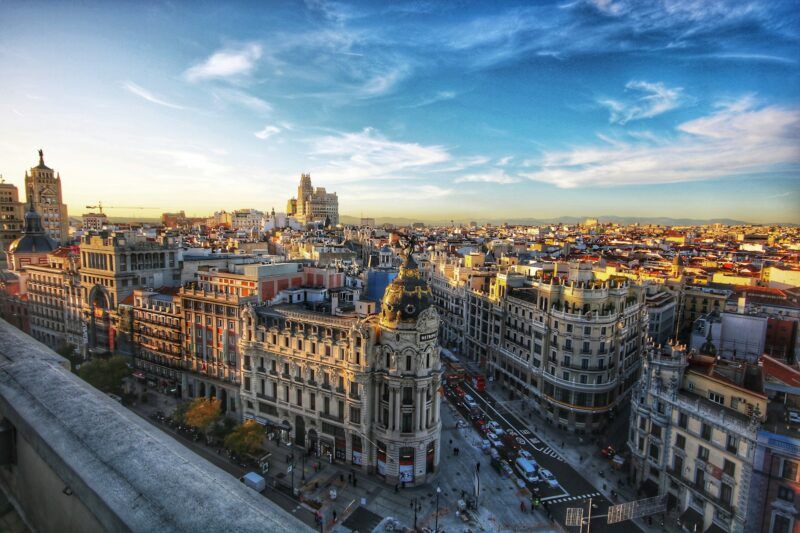
Start with the city’s historic and cultural core. The best first stops are Puerta del Sol, Plaza Mayor, the Royal Palace, Retiro Park, and the museum district. These places help you understand Madrid’s layout and give you a balanced mix of history, local life, and iconic landmarks.
Madrid is wonderfully walkable in its central districts, which means many major sights can be linked in one long, very rewarding stroll. Begin around Sol, pass through Plaza Mayor, continue toward the Almudena Cathedral and the Royal Palace, then save your museum time for another half-day when your feet are not staging a protest.
If you only have a short stay, focus on a simple rhythm:
- Morning: museums or major monuments
- Afternoon: parks and scenic walks
- Evening: tapas, rooftops, and local neighborhoods
The top attractions in Madrid at a glance
The city’s most popular attractions cover art, architecture, public squares, and green spaces. They are close enough to combine efficiently, but each deserves at least a little breathing room. Madrid is better enjoyed with pauses, not with speed-running energy.
| Place | Why go | Best for |
|---|---|---|
| Museo del Prado | Spain’s great classical art museum | Art, history, first-time visitors |
| Reina Sofía | Home of Picasso’s Guernica | Modern art, 20th-century history |
| Royal Palace | Lavish interiors and royal grandeur | Architecture, royal history |
| Retiro Park | Madrid’s grand green escape | Relaxing, walking, boating |
| Plaza Mayor | Historic square in the old city | Atmosphere, photos, central wandering |
| Temple of Debod | Ancient Egyptian temple with sunset views | Free viewpoints, evening plans |
Museums worth your time
Madrid is one of Europe’s strongest museum cities. If you want the most rewarding cultural stops, prioritize the Prado for classic Spanish painting and the Reina Sofía for modern art. Add the Thyssen-Bornemisza if you want a broader overview of European styles.
Museo del Prado
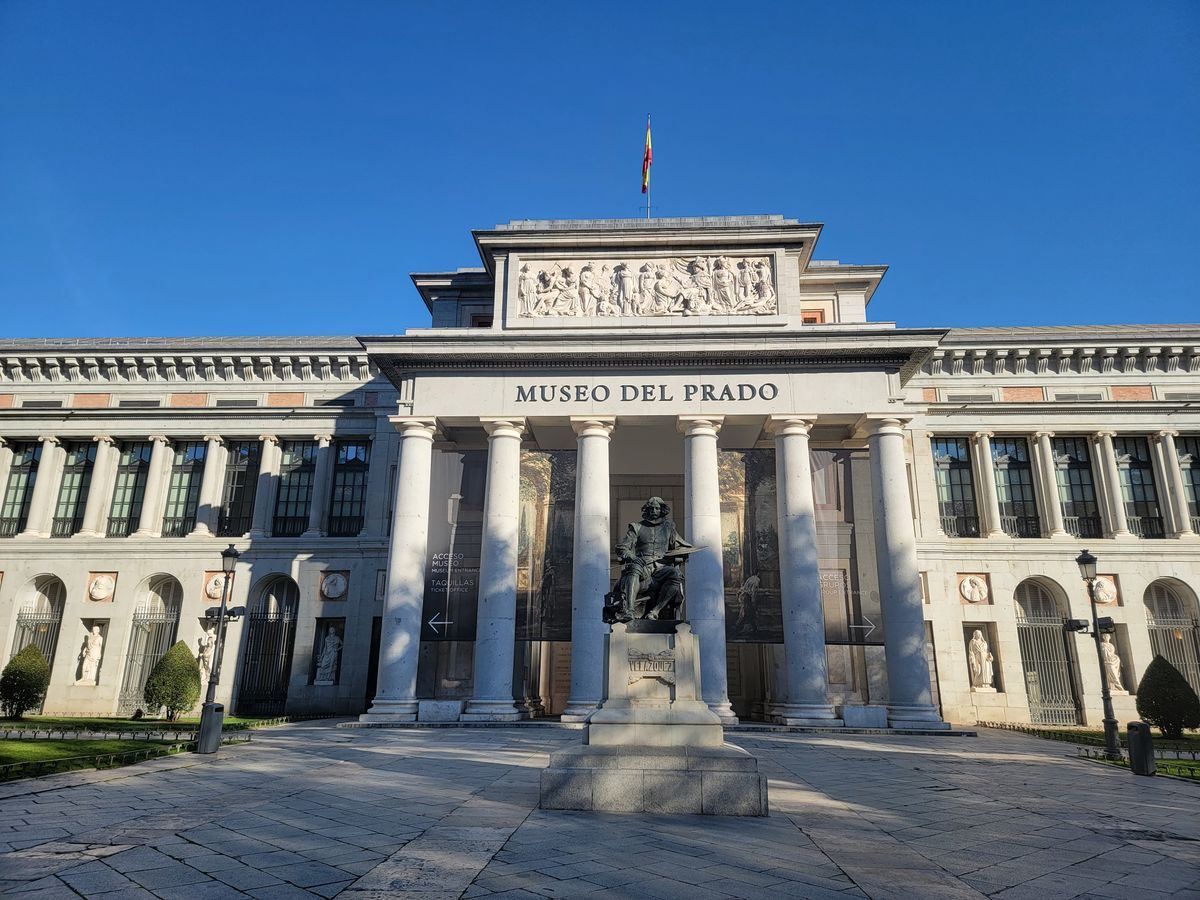
The Prado Museum is the place to dive into Spanish art and history. Its collection includes masterpieces by Goya, Velázquez, and El Greco, along with important works from other European schools. Even if you are not usually a museum person, this one tends to convert people.
Do not try to see everything unless you enjoy museum fatigue and mild existential confusion. Pick a few famous works, move slowly, and allow time for the rooms that genuinely grab your attention. A focused visit is much better than wandering around glazed-eyed like you have become part of the collection.
Reina Sofía
The Reina Sofía Museum is essential for modern and contemporary art. Its main draw is Guernica, Picasso’s monumental anti-war painting, but the museum also features works by Dalí and Miró. It adds a very different layer to Madrid’s art scene.
If the Prado tells the story of empire, religion and courtly power, the Reina Sofía tells the story of upheaval, experimentation and modern Spain. Visiting both creates a richer picture of the city and the country beyond postcard-level beauty.
Thyssen-Bornemisza
The Thyssen is often overshadowed by its famous neighbors, but it is an excellent choice if you want variety. It bridges the gap between old masters and modern art, making it especially useful for travelers who want one museum with broad range.
Tapas, markets and Madrid flavors
Madrid is a great city for eating casually and often. The best approach is to combine classic taverns, neighborhood bars and a few iconic food stops. The goal is not one giant meal, but several smaller moments that build your taste of the city.
A classic evening can include olives, croquetas, tortilla, jamón, vermouth, beer, wine, and the sudden confidence that ordering “just one more thing” is a brilliant idea. Usually, it is.
For a food-focused wander, head to:
- La Latina for traditional tapas bars and lively streets
- Mercado de San Miguel for a polished central market experience
- Malasaña for trendier bars, casual bites and nightlife
- Lavapiés for multicultural flavors and a more alternative vibe
Near Plaza Mayor, it is also worth stopping for churros with hot chocolate. Yes, it is touristy. No, that is not a problem. Some traditions survive for a reason, and one of those reasons is melted chocolate.
Hungry for more? Read our guide to what to eat in Spain.
Free things to enjoy in Madrid
Madrid offers plenty of memorable experiences without requiring a big budget. Public squares, scenic walks, parks, viewpoints and several church interiors are free to enjoy. With smart planning, you can have a full day in the city that feels rich, varied and surprisingly affordable.
Some of the best free activities include:
- Walking through Puerta del Sol, Plaza Mayor and the old center
- Relaxing in Retiro Park
- Watching sunset near the Temple of Debod
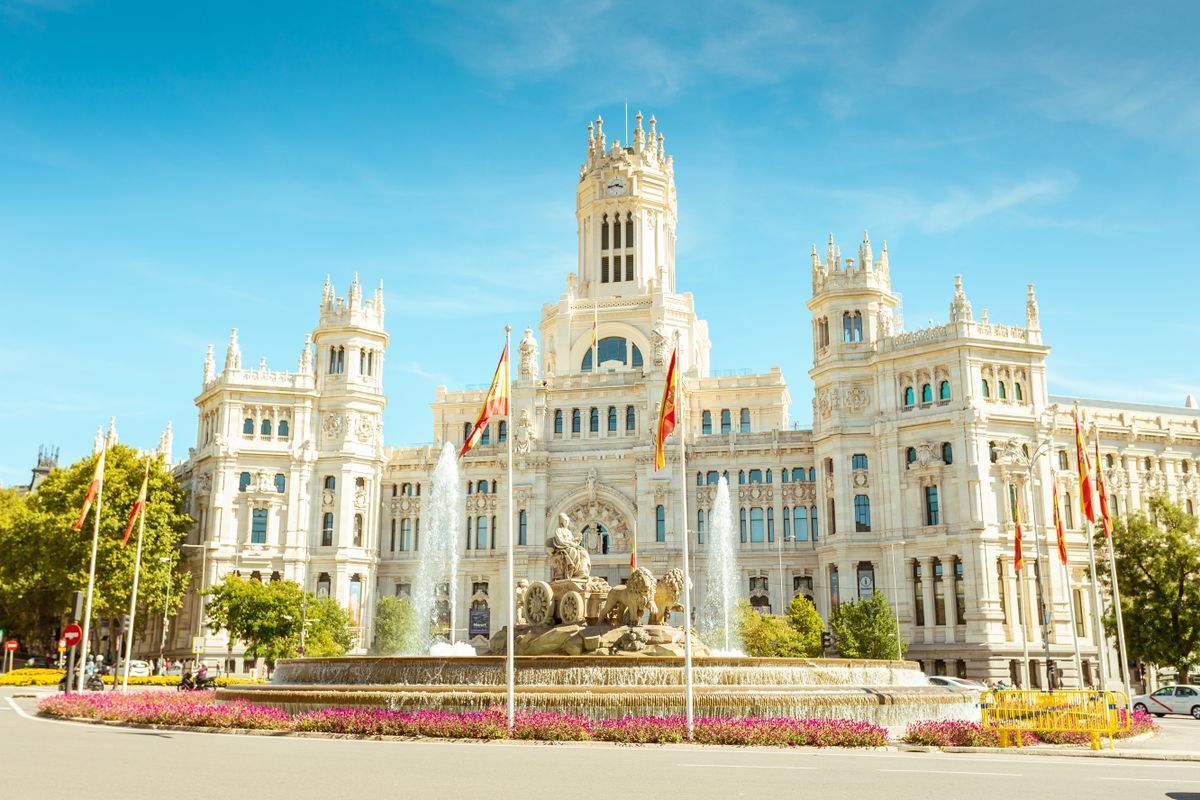
- Exploring Gran Vía and Cibeles for architecture and city views
- Stepping into Almudena Cathedral main spaces
- Browsing El Rastro on Sunday
If you are choosing between paid attractions, save your budget for one or two museums and let the city itself do the rest. Madrid has a knack for making ordinary walks feel oddly cinematic.
Neighborhoods that show Madrid’s personality
The city’s neighborhoods are where Madrid becomes more than a checklist of monuments. For atmosphere, food and local character, spend time in La Latina, Malasaña and Lavapiés. Each area offers a distinct mood and works especially well in the late afternoon and evening.
La Latina
La Latina is one of the best areas for tapas and traditional Madrid energy. Its narrow streets and busy taverns make it ideal for a relaxed dinner that somehow turns into a full evening. This is also where many visitors head after browsing El Rastro on Sunday.
Malasaña
Malasaña feels younger, livelier and a bit more alternative. Expect vintage shops, bars, indie cafés and nightlife. It is a good pick if you want a neighborhood with personality and less formal charm. Madrid after dark knows exactly what it is doing here.
Lavapiés
Lavapiés offers a more multicultural side of the city, with international food, street art and a more local, mixed atmosphere. It is not polished in the same way as central monumental Madrid, and that is part of its appeal.

Easy day trips from Madrid
Madrid is an excellent base for short day trips. The easiest and most rewarding options are Toledo and Segovia, both reachable by train. They add medieval streets, dramatic landmarks and a different rhythm to your itinerary without requiring complicated planning.
Toledo is perfect if you want hilltop views, old stone lanes, churches, synagogues and a strong sense of layered history. Segovia is ideal for the Roman aqueduct, fairy-tale architecture and a lunch built around famous cochinillo, or roast suckling pig.
- Choose Toledo for medieval atmosphere and history
- Choose Segovia for monuments, views and food
- Book train tickets ahead in high season
- Leave early to enjoy a slower pace on arrival
Want to explore beyond the capital? Read our guide to things to do in Spain.
Madrid or Barcelona: which city is better?
Madrid is generally better for travelers who want museums, elegant boulevards, nightlife and a more local big-city feel. Barcelona stands out for beaches, Gaudí architecture and a more visibly touristic Mediterranean setting. The better city depends on your travel style, not on a universal winner.
If you prefer art, tapas crawls, parks and late evenings that unfold naturally, Madrid often feels easier and more grounded. If you are chasing sea views and bold architecture, Barcelona may fit better. In other words, it is less a duel and more a personality test, but with better snacks.
Planning a bigger trip? Read our guide to the best places to visit in Spain.
Practical tips for visiting Madrid
Madrid is straightforward to explore, but a few practical habits will make your trip smoother. Book major museums in advance, wear comfortable shoes, and plan outdoor walks earlier or later in summer. Central areas are walkable, but the metro is fast and useful for longer hops.
- Best time to visit: spring and autumn for pleasant temperatures
- Summer note: afternoons can be very hot
- Getting around: walk in the center, use the metro for distance
- Safety: generally safe, but watch for pickpockets in crowded areas like Sol and Plaza Mayor
- Food timing: dinner is often later than in many other countries
Still deciding when to go? Read our guide to the best time to visit Spain.
The WeRoad tip
See Madrid between golden hour and late-night tapas
One of the best ways to feel the city properly is to build an evening that moves with Madrid’s natural rhythm. Start in Retiro Park, where you can rent a rowing boat or pedal boat on the pond and slow things down before the city switches gears. Then head toward the Temple of Debod for a sunset aperitivo: an ancient Egyptian temple in Madrid sounds like a travel fever dream, but the views are real and very much worth it. If you want to make the moment extra memorable, follow it with welcome drinks on a rooftop terrace and watch the skyline glow.
After that, do what Madrid does best: eat in stages. Wander into the city center or La Latina for an evening tapas crawl, then keep going to Malasaña if you want bars and nightlife, or to Lavapiés if you are in the mood for a more multicultural, local-feeling night out. And if your evening starts near Plaza Mayor, do not skip hot chocolate with churros. It is indulgent, slightly ridiculous, and exactly the kind of decision your future self will applaud. Quietly, because their mouth will still be full.
A city that is easy to love
Madrid stands out for its balance of culture, food, public spaces and neighborhood life. It is a capital city with major museums and royal landmarks, but it also feels accessible, social and lived in. That combination makes it rewarding for both first-time visitors and repeat travelers.
You can spend your days admiring masterpieces, your evenings sharing tapas, and your in-between moments doing very little beyond walking and looking around. In Madrid, that is not wasted time. That is the point.
If you want to experience the city with new people and zero stress about planning every detail, take a look at the WeRoad group trips to Madrid and Spain and find the itinerary that matches your travel mood.
FAQ
- What are the top 10 places to see in Madrid?
-
Most travelers should prioritize the Prado, Reina Sofía, Royal Palace, Almudena Cathedral, Plaza Mayor, Puerta del Sol, Retiro Park, Gran Vía, Temple of Debod and La Latina.
- Why is Madrid so famous?
-
Madrid is famous for its major art museums, royal heritage, elegant architecture, late-night social culture and strong food scene. It is also Spain’s political and cultural capital.
- Are there areas to avoid in Madrid?
-
Madrid is generally safe, but busy central zones like Sol, Gran Vía and Plaza Mayor require extra attention for pickpocketing. Some parts of nightlife districts can feel rougher late at night, so standard city awareness is enough.
- How many days do you need in Madrid?
-
Three days is a great minimum for first-time visitors. That gives you time for the main museums, historic center, one park, a couple of neighborhoods and at least one long tapas-filled evening.
- Is Madrid good for free activities?
-
Yes. You can enjoy parks, plazas, architecture, walking routes, markets and viewpoints without spending much. Madrid is one of the easier European capitals to enjoy on a moderate budget.