In a nutshell
- Spain’s biggest strength is its regional diversity: travelers can combine major cities, coastal escapes, mountain scenery, and deep cultural heritage in one trip, with each area offering a clearly distinct identity.
- Barcelona, Madrid, Andalusia, Bilbao, and San Sebastián are among the most rewarding destinations, covering architecture, museums, historic landmarks, nightlife, and standout culinary scenes.
- Landmarks such as La Sagrada Família, the Alhambra, the Mezquita-Catedral, the Prado, and the Guggenheim represent some of the country’s most iconic attractions and are best planned in advance.
- Food is a central part of traveling in Spain, with tapas, pintxos, paella, seafood, and regional wines shaping the experience just as much as monuments and museums.
- The best itineraries focus on one or two regions rather than rushing across the whole country, allowing time for local atmosphere, scenic experiences, and a more complete understanding of Spanish culture.
Spain is one of those countries that somehow manages to be many places at once: a beach escape, a foodie paradise, an open-air museum, and a late-night social experiment powered by tapas and very little sleep. When planning the best things to do in Spain, it helps to think beyond landmarks and focus on the mix of cities, regions, flavors, and local rituals that make the country unforgettable.
From the grand architecture of Barcelona and Madrid to the Moorish heritage of Andalusia, from wild Atlantic landscapes in the north to island sunsets in the Balearics, Spain offers experiences for every kind of traveler. You can spend the morning in a world-class museum, the afternoon on a scenic trail, and the evening arguing over which croqueta deserves a Michelin star. A full day, in other words.
What makes Spain worth visiting
Spain stands out because it combines history, culture, food, coastline, and nightlife with remarkable regional diversity. The country is easy to revisit without repeating the same trip, since each area has its own identity, architecture, traditions, and cuisine. That variety is what turns a simple holiday into a layered travel experience.
One of Spain’s biggest strengths is contrast. In a single itinerary, you can admire Roman ruins, Gothic cathedrals, Moorish palaces, avant-garde museums, mountain villages, and Mediterranean beaches. Add long lunches, late dinners, and a national talent for enjoying life in public squares, and the result is a destination that feels both exciting and deeply lived-in.
- For culture lovers: art museums, historic centers, cathedrals, palaces, and festivals
- For foodies: tapas, pintxos, paella, seafood, wine regions, and local markets
- For nature fans: mountains, hiking trails, islands, coastal walks, and national parks
- For city breakers: energetic urban life in Madrid, Barcelona, Seville, Bilbao, and more
Top cities to include on your Spain itinerary
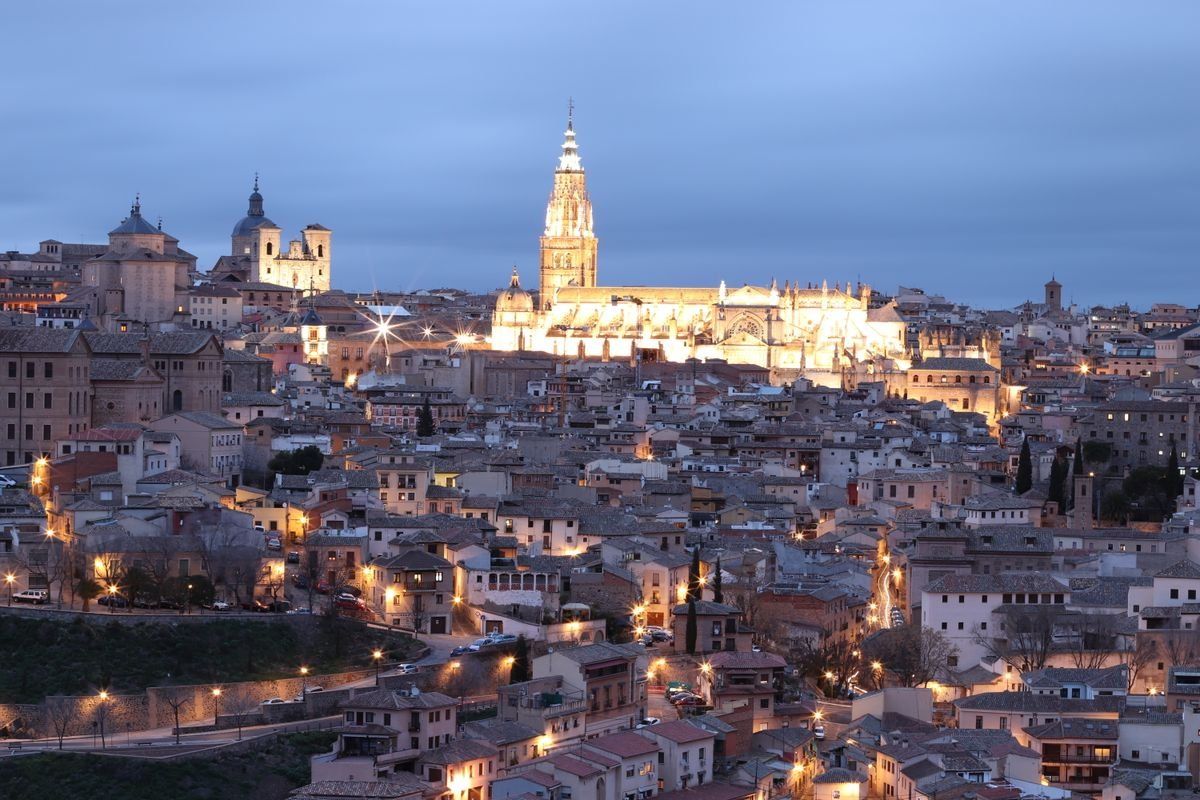
The best cities in Spain each offer a distinct experience, so choosing where to go depends on your interests. Some are ideal for art and architecture, others for food, beaches, or historic atmosphere. A well-balanced trip usually includes at least one major city and one region with a slower pace.
Barcelona for architecture, neighborhoods, and seaside energy
Barcelona is one of the top places to visit in Spain thanks to its iconic architecture, walkable districts, and coastal setting. It blends monumental sights with a relaxed Mediterranean rhythm, making it a great choice for first-time visitors who want culture, food, and beach time in one city.
Start with the city’s big-hitters: La Sagrada Família, Casa Batlló, and the wider legacy of Gaudí. Then leave the postcard trail for the Gothic Quarter, where narrow lanes, small squares, and old facades make even getting lost feel productive. Park Güell adds color, curves, and views, proving once again that straight lines are wildly overrated.
Barcelona also rewards slow wandering. Explore local markets, stop for vermouth, and finish the day in neighborhoods like El Born or Gràcia. It’s a city where you can do a lot without feeling rushed, which is handy, because you will probably stop every twelve minutes for photos.
Madrid for museums, food, and local life
Madrid is Spain’s cultural and political capital, known for major museums, elegant boulevards, and a strong local identity. It is less about monuments at every corner and more about atmosphere, everyday life, and the pleasure of moving between art, parks, markets, and tapas bars.
The city’s major draw is the Golden Triangle of Art: the Prado Museum, Reina Sofía, and Thyssen-Bornemisza. Together, they make Madrid one of Europe’s most rewarding cities for art lovers. Beyond museums, stroll through Retiro Park, browse food halls like Mercado de San Miguel, and enjoy the buzz around La Latina and Chueca.
Madrid is also excellent for evenings that begin politely and end mysteriously late. Traditional taverns, modern wine bars, and lively neighborhoods like Malasaña give the city an easygoing social rhythm. The official plan may say “just one drink,” but Spain has heard that before.
Seville, Córdoba, and Granada for Andalusian heritage
Andalusia is essential for understanding Spain’s layered history. Cities like Seville, Córdoba, and Granada showcase Islamic heritage, Christian architecture, and a strong regional culture that remains visible in music, food, and daily life.
In Seville, visit the Plaza de España, the Royal Alcázar, and the cathedral. In Córdoba, the extraordinary Mezquita-Catedral is one of the country’s most memorable monuments. In Granada, the Alhambra deserves its reputation, with intricate decoration, gardens, and views across the city and the Sierra Nevada.
Andalusia also brings in flamenco, patios, orange trees, and a culinary identity rooted in sharing. The region can feel dramatic, sensual, and cinematic in the best possible way. Even the buildings seem to know they are photogenic.
Bilbao and San Sebastián for northern Spain at its best
Northern Spain offers a different mood: greener landscapes, cooler weather, and a cuisine-driven urban scene. Bilbao and San Sebastián are two of the strongest choices for travelers interested in contemporary culture, coastal views, and exceptional food.
In Bilbao, the Guggenheim Museum is the headline attraction, but the city is more than one famous building. Wander through Casco Viejo, ride up to Mount Artxanda for panoramic views, and settle into the city’s confident blend of industrial history and modern design. It’s polished without feeling stiff, which is a rare trick.
San Sebastián is smaller, elegant, and famously delicious. Walk along La Concha Beach, then head into the old town for a pintxos crawl. This is not the moment for restraint. This is the moment to point at beautiful things on a counter and pretend that counts as a full dining philosophy.
When is the best time to visit Spain? Here’s what travellers need to know
Unmissable experiences beyond the cities
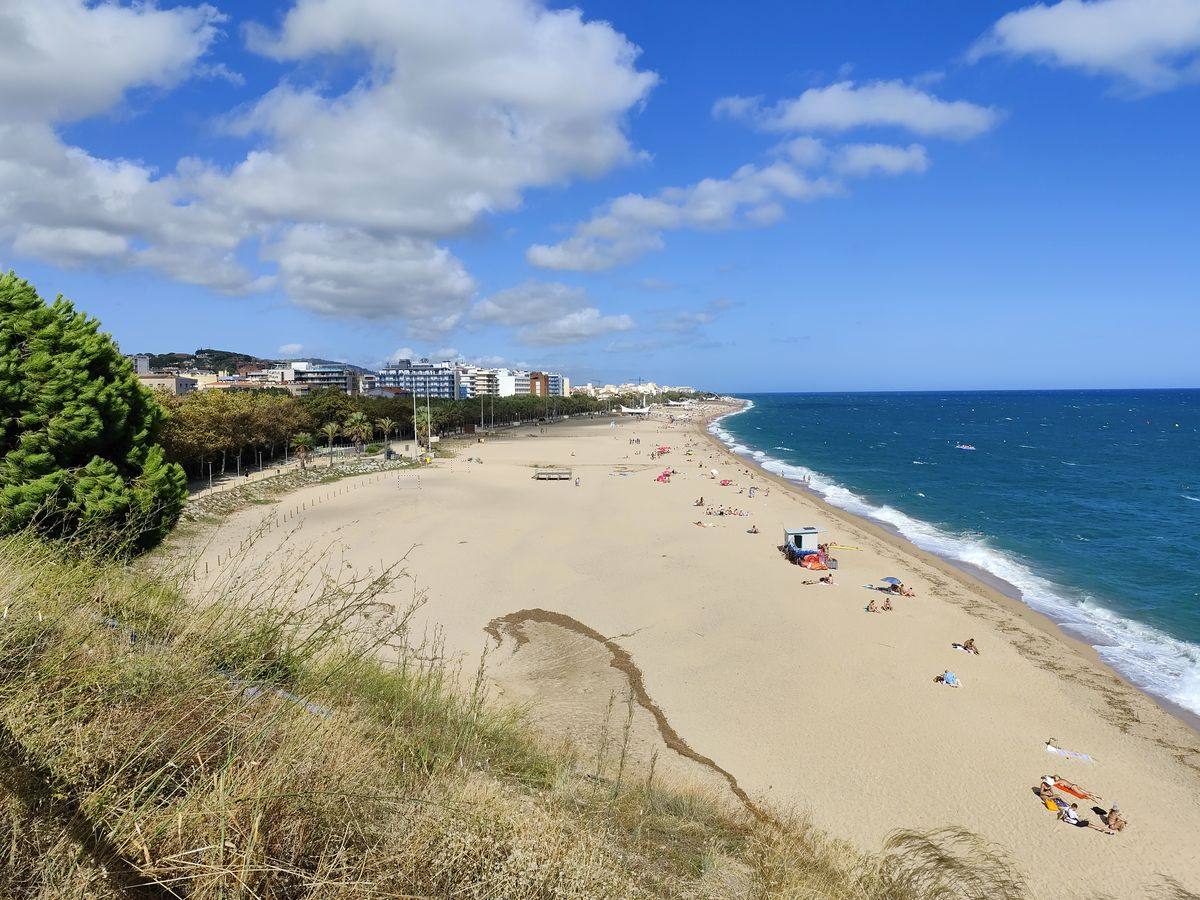
Spain is not only about urban highlights. Some of its best experiences happen in nature, on the coast, or around traditional festivals and food rituals. Adding these to your trip gives a fuller picture of the country and helps balance famous landmarks with memorable moments.
Visit Spain’s most iconic landmarks
Spain’s landmark list is long, but a few sites consistently stand out for historical significance and visual impact. These attractions are popular for good reason and are often worth booking in advance to avoid missing out during peak travel periods.
| Landmark | Location | Why it stands out |
|---|---|---|
| La Sagrada Família | Barcelona | Gaudí’s masterpiece and one of Spain’s most recognizable monuments |
| The Alhambra | Granada | Moorish palace-fortress with intricate architecture and gardens |
| Mezquita-Catedral | Córdoba | Unique fusion of Islamic and Christian architecture |
| Prado Museum | Madrid | One of Europe’s greatest art museums |
| Guggenheim Museum | Bilbao | Contemporary art icon in a striking architectural setting |
Enjoy Spanish food as part of the trip
Food in Spain is not just a meal; it is part of the travel experience itself. Regional dishes, market culture, long shared dinners, and bar-hopping traditions all reveal something essential about how people live and socialize across the country.
Try classic tapas in Andalusia, pintxos in the Basque Country, paella in Valencia, seafood on the coast, and local wines in regions like La Rioja. Timing matters too: lunch is important, dinner starts late, and snacks can become full events. Spain has perfected the art of “just a bite” turning into a three-hour commitment.
- Order several dishes to share rather than one large main course.
- Choose neighborhood bars over tourist-heavy menus when possible.
- Explore regional specialties instead of eating the same dishes everywhere.
Head outdoors for hikes, beaches, and islands
Spain’s landscapes are varied enough to satisfy both hikers and beach lovers. Coastal escapes, volcanic terrain, green mountains, and scenic walking routes add an active dimension to trips that might otherwise revolve entirely around museums and meals.
Popular options include the beaches of Mallorca, the cliffs and coves of the Costa Brava, the volcanic scenery of Tenerife, and the dramatic mountain routes of the Picos de Europa. In southern Spain, the Caminito del Rey offers one of the most thrilling walks in the country, suspended above a gorge with unforgettable views.
If your ideal itinerary includes both hiking boots and swimwear, Spain will not judge you. In fact, it may quietly encourage this level of ambition.
How to choose the best things to do in Spain
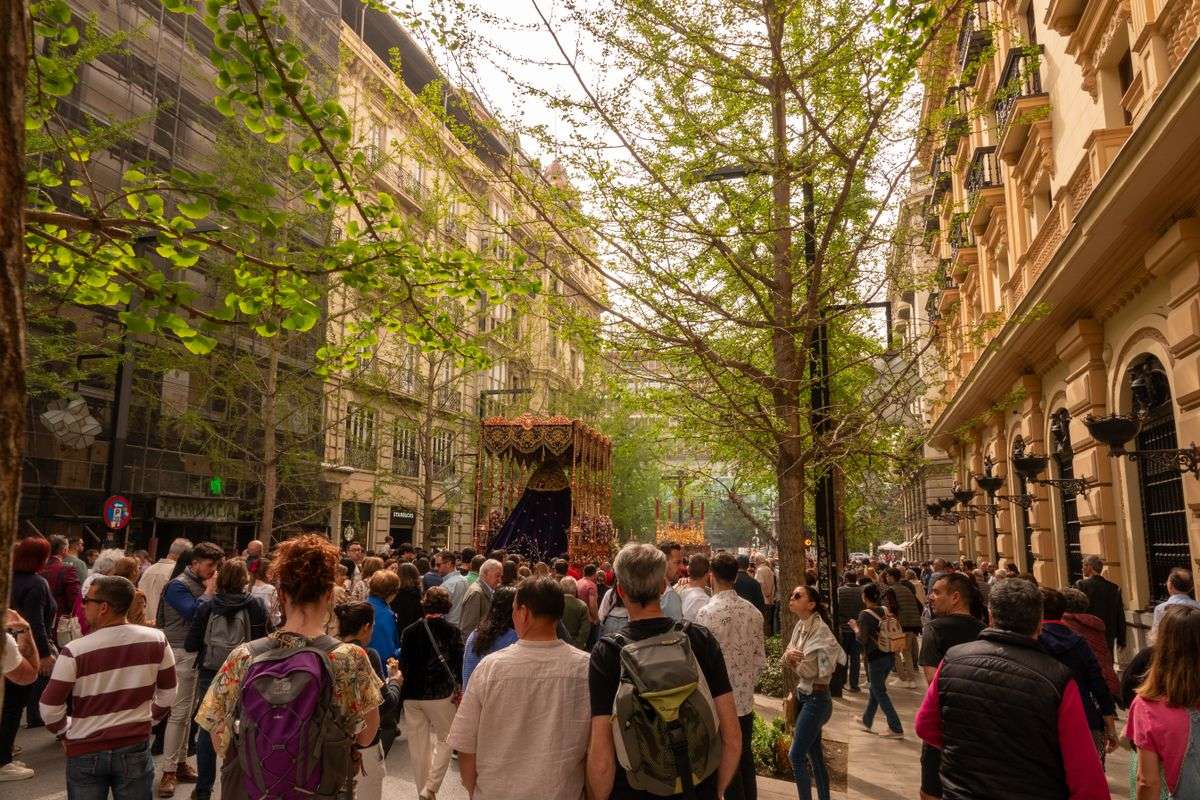
The best approach is to match your itinerary to your travel style rather than trying to see everything at once. Spain rewards focus. A trip built around one or two regions usually feels richer, more enjoyable, and far less rushed than a checklist spread across the whole country.
For a first trip, these combinations work well:
- Barcelona + Madrid for major cities, art, and architecture
- Seville + Córdoba + Granada for history and Andalusian culture
- Bilbao + San Sebastián for food and northern landscapes
- Valencia + Balearic Islands for city life and beach time
Budget-wise, many travelers can enjoy Spain comfortably by balancing big-ticket attractions with low-cost pleasures like walking historic centers, relaxing in parks, visiting beaches, and eating at casual local bars. Prices vary by destination, with Madrid, Barcelona, Ibiza, and San Sebastián tending to be more expensive than smaller cities and inland regions.
WeRoad tip
Build a Spain route that gets better with every stop
If you want a Spain itinerary with a bit more rhythm and a little less “run to the next monument,” try linking experiences that naturally flow into one another. In Barcelona, start with the narrow lanes of the Gothic Quarter, then move toward the playful mosaics and curved benches of Park Güell. The contrast between medieval stone and Gaudí’s imagination is part of the fun, and it makes the city feel like it has multiple personalities in the best way. End the evening with a flamenco performance at a tablao and dinner in El Born, where the streets stay lively long after the sightseeing crowd disappears.
In the north, Bilbao and San Sebastián are a dream pair for travelers who plan with their stomach first and justify it later. In Bilbao, skip the formal sit-down meal and do a proper pintxos crawl through Casco Viejo, hopping between counters for small bites and short pours. Then take the funicular up Mount Artxanda for a broad view over the city and the Nervión River. In nearby San Sebastián, keep the momentum going with a stop for Basque cheesecake in a bar near the old town, just off La Concha Beach. And if your route heads south, make room for Caminito del Rey in Andalusia: the suspended walkway above the Guadalhorce gorge is one of Spain’s most dramatic outdoor experiences. After the hike, Málaga gives you two equally tempting rewards: an authentic flamenco show or a catamaran cruise along the coast. Frankly, choosing just one feels unnecessarily mature.
A trip full of culture, flavor, and character
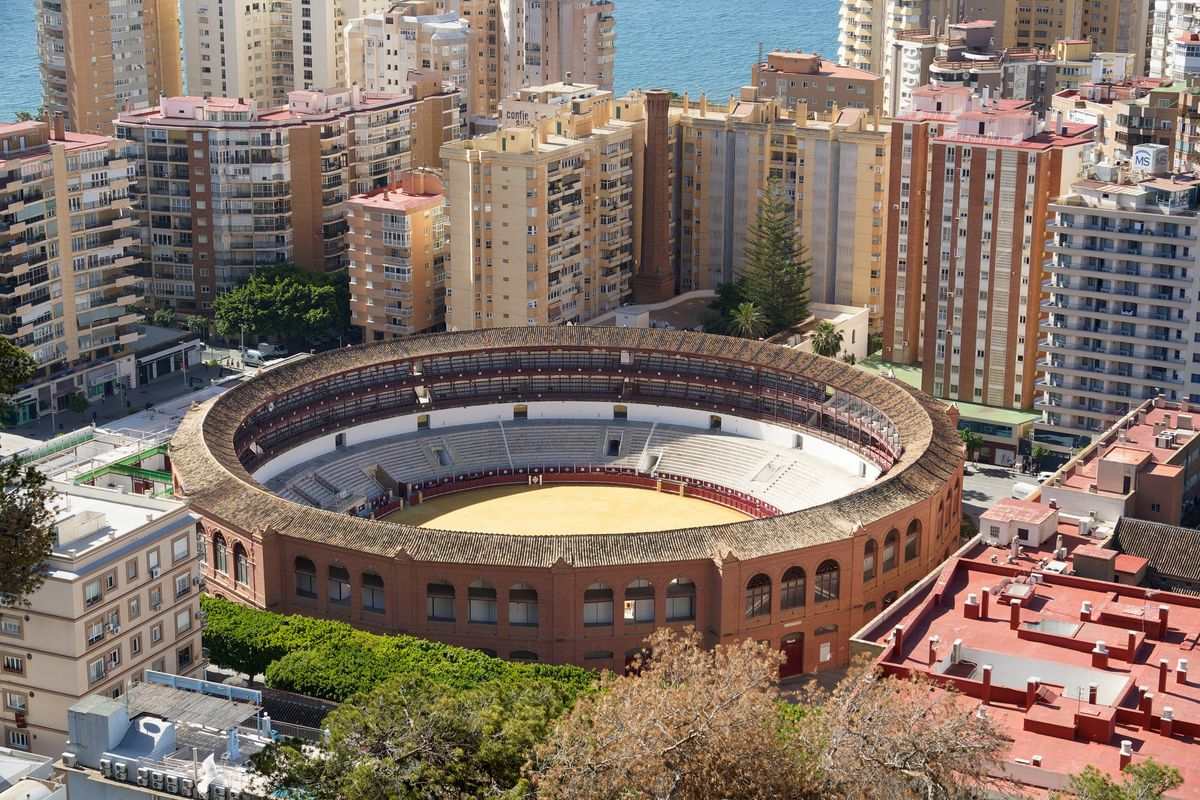
Spain offers a rare mix of famous sights and everyday pleasures, which is why it works so well for so many types of travelers. The real magic lies in combining both: the cathedral and the neighborhood bar, the museum and the market, the scenic trail and the late dinner.
Whether you dream of Gaudí’s Barcelona, the grand museums of Madrid, the soul of Andalusia, or the food scene of the Basque Country, there is no single right way to experience the country. There is only your way, ideally with comfortable shoes and a healthy respect for second dinner.
If you want to experience Spain with the right mix of discovery, fun, and like-minded travel companions, take a look at the WeRoad group trips to Spain and find the itinerary that suits your style.
FAQ
- What are the top 10 things to do in Spain?
-
Some of the top experiences include visiting La Sagrada Família in Barcelona, exploring the Alhambra in Granada, seeing the Prado Museum in Madrid, discovering Seville, visiting the Mezquita-Catedral in Córdoba, enjoying pintxos in San Sebastián, relaxing on the islands, hiking scenic trails, watching a flamenco show, and tasting regional cuisine.
- Is $1000 enough for a week in Spain?
-
Yes, $1000 can be enough for a week in Spain if you travel carefully, choose budget accommodation, use public transport, and mix paid attractions with free activities. Costs will be higher in cities like Barcelona, Madrid, Ibiza, and San Sebastián, so destination choice matters.
- What is the #1 attraction in Spain?
-
Many travelers consider La Sagrada Família in Barcelona the number one attraction in Spain because of its global fame, architectural uniqueness, and cultural significance. That said, the Alhambra in Granada is equally iconic and often ranks at the very top.
- When is the best time to visit Spain?
-
The best time to visit Spain is usually spring and early autumn, when temperatures are pleasant and crowds are more manageable. Summer is ideal for beaches and islands, while winter can be great for southern cities and lower prices.
- How many days do you need for Spain?
-
A good first trip to Spain usually requires 7 to 10 days. This gives enough time to explore two or three destinations without rushing. For a broader itinerary covering multiple regions, 2 weeks or more is a better fit.