Group tours to the Lofoten Islands
Join fellow travelers for epic hikes, red fishing cabins and nights under the open sky: Lofoten is the Arctic North you've always imagined.

Book with confidence
Book with $ 0
Lock in your spot and only pay once it's confirmed
Free changes
Switch dates or destination within 31 days, at no extra cost
Maximum Flexibility
With Flexible Cancellation, cancel up to 8 days before
Pay in installments
Spread the cost over time, interest-free
Group Trips to the Lofoten Islands
Red rorbu cabins, Arctic beaches and dramatic peaks: pick your base
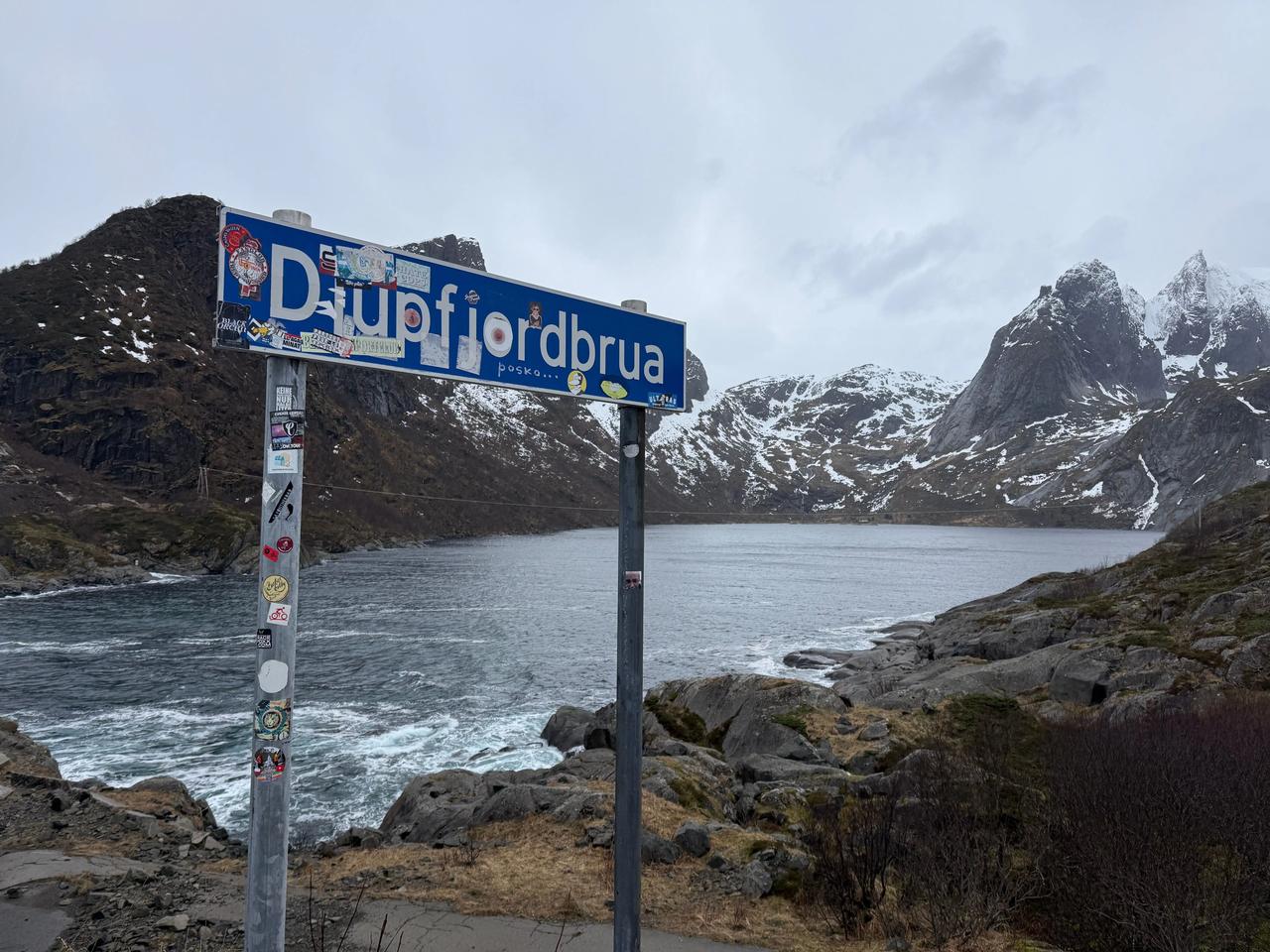
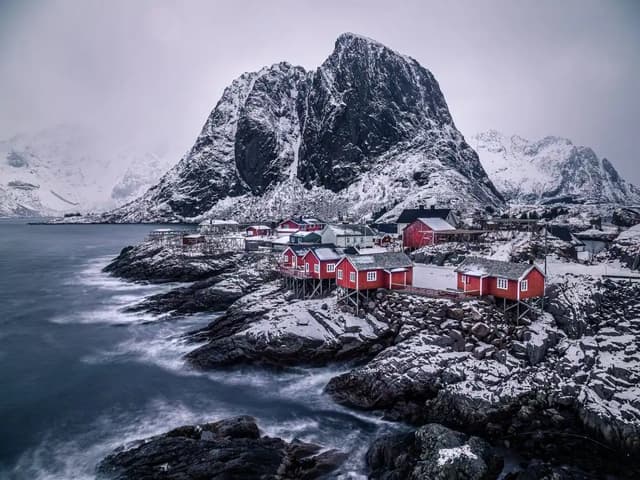
Around Reine, Hamnøy and Moskenes you'll find the Lofoten of every postcard: fishing villages at the foot of vertical mountains and the red rorbu, wooden cabins built right over the water.
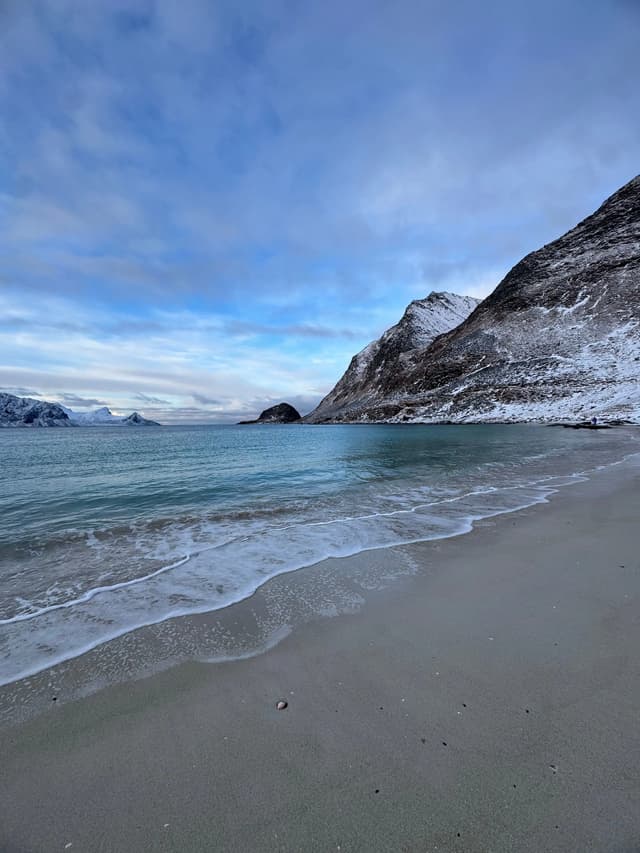
Svolvær is the main hub and a handy base for boat trips and hikes. Nearby, Henningsvær is a fishing village spread across tiny islands, with a soccer field overlooking the sea. For silence, the white sand and turquoise water of Haukland and Uttakleiv come framed by mountains, with the midnight sun in summer and the aurora in winter.
Nusfjord is a well-preserved fishing harbor, while Å, the last village in the chain, is home to the cod drying museum. Kvalvika can only be reached on foot in a couple of hours, and the reward is a hidden beach tucked between the cliffs.
From the WeRoad blog


Lofoten Islands travel guide: tips for your trip
Getting there and getting around
The Lofoten sit above the Arctic Circle, linked by bridges and tunnels along the E10, the road that runs the length of the archipelago to Å. You can fly into Svolvær or Leknes or take the ferry from Bodø: the crossing takes about three and a half hours and, in good weather, the approach is worth it alone, with granite walls rising straight out of the sea. The weather changes in minutes, so dress in layers, and budget for high prices, especially in restaurants.
Midnight sun or northern lights
From late May to mid-July the midnight sun lets you hike even at night, and July and August offer the mildest trekking weather. From late September to March it's northern lights season: days are shorter, but the Gulf Stream keeps the cold surprisingly bearable. Winter is also cod fishing season, when the fish is hung to dry into stockfish.
Villages, churches and fjords
Between villages, stop at Sakrisøy with its yellow rorbu, Ramberg beach and the red church in Flakstad. Kabelvåg is home to the Lofoten Cathedral, the largest wooden church in northern Norway, and from Svolvær boats head into the Trollfjord, barely 100 m (330 ft) wide in places and hemmed in by mountains over 1,000 m high. Svolvær's war museum tells the story of the 1941 British raid.
Vikings, outdoor life and local food
Before the fishermen came the Vikings: at Borg, the Lofotr museum has rebuilt a chieftain's longhouse, one of the largest ever found. Today you can kayak through the fjords, look for sea eagles by boat or try Arctic surfing at Unstad, in a thick wetsuit even in summer. Fish comes fresh, from fish soup to the catch of the day, and for a snack there are waffles with brunost, Norway's sweet brown cheese.