Group tours to Mallorca
Mountains that plunge into the sea, light-sand coves, stone villages and a cathedral right on the waterfront: Mallorca has more than one soul. Join fellow travelers for trekking, hidden coves and days that unfold as you go.

Book with confidence
Book with $ 0
Lock in your spot and only pay once it's confirmed
Free changes
Switch dates or destination within 31 days, at no extra cost
Maximum Flexibility
With Flexible Cancellation, cancel up to 8 days before
Pay in installments
Spread the cost over time, interest-free
Group Trips to Mallorca
Palma's cathedral, Tramuntana trails, Formentor cliffs and southeast coves
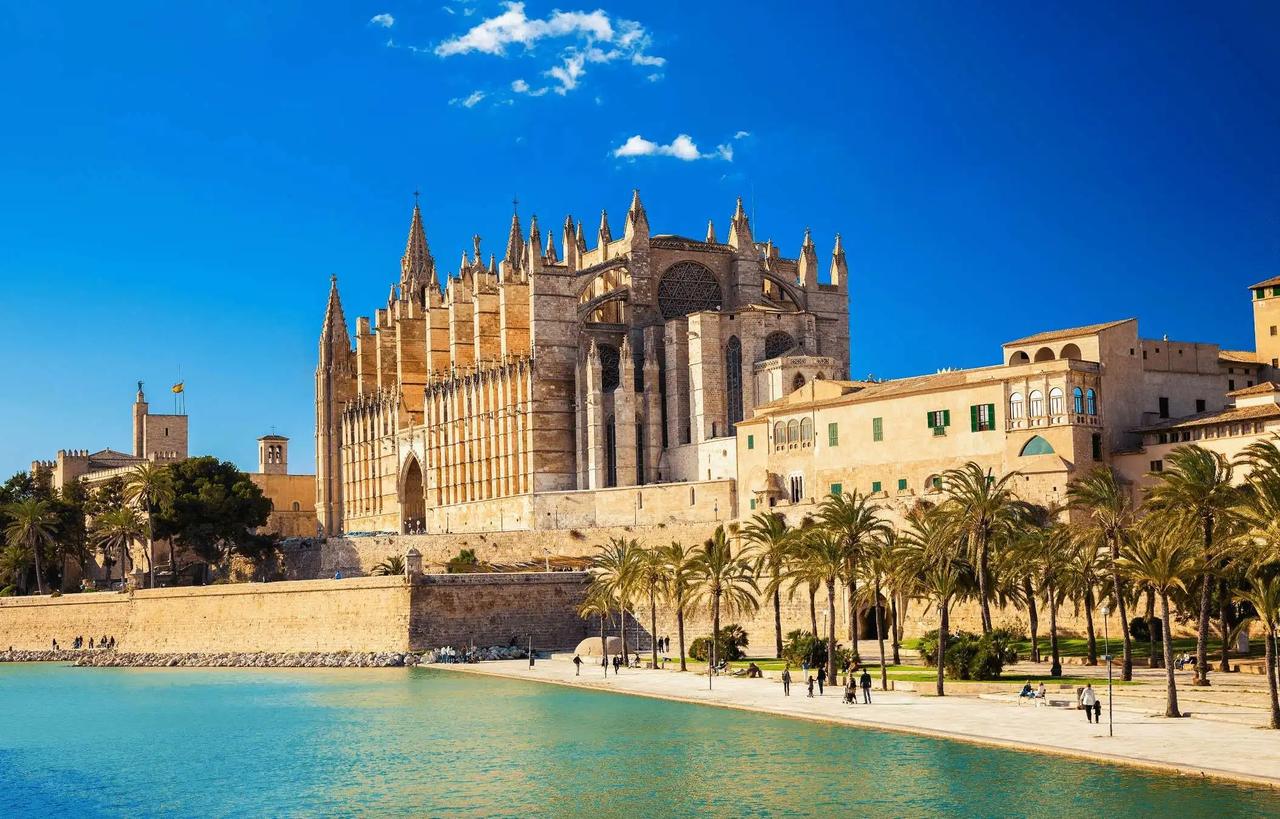
Palma is the perfect base for mixing city and sea. The old town revolves around La Seu Cathedral, overlooking the waterfront, with alleys, patios and tapas bars all around, and the city beaches just minutes away.
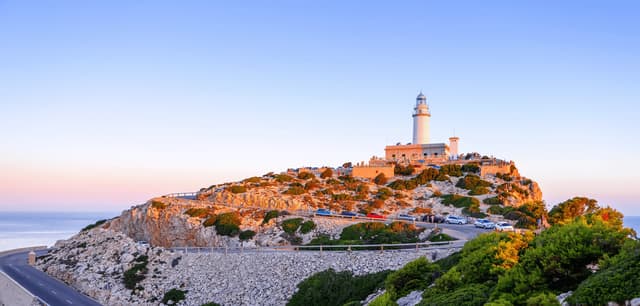
Along the northwest coast runs the Serra de Tramuntana, a UNESCO World Heritage mountain range made for trekking: trails through terraced olive groves, stone villages like Valldemossa and Deià, and the vintage train linking Palma to Sóller. In the north, Cap de Formentor juts out over the sea with a scenic road and a lighthouse at its tip.
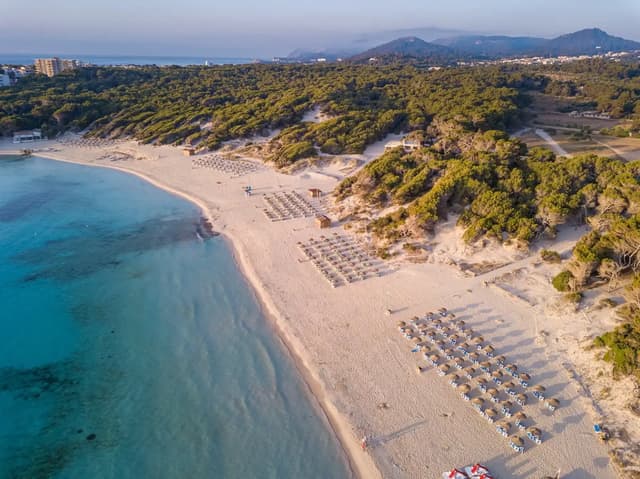
The southeast is home to the island's most photogenic coves, Caló des Moro, Cala Varques and Cala Mondragó, tucked between pines and turquoise water and perfect for snorkeling.
From the WeRoad blog


Mallorca travel guide
When to visit Mallorca
Mallorca works almost all year round, but the sweet spot is May, June, September and October, with mild temperatures for walking and a pleasant sea. July and August are the hottest, around 86°F, and the busiest on the coast. Winter days are cooler, but in January and February the almond trees bloom, painting the interior white and pink.
What else to see
In Palma, climb to Bellver Castle, one of Europe's few circular castles, with views over the whole bay. In the north, Alcúdia keeps its medieval walls and the remains of Roman Pollentia, while up in the mountains the Lluc sanctuary has drawn pilgrims and hikers for centuries. In the south, Es Trenc has dunes and shallow water, and boats leave Colònia de Sant Jordi for Cabrera National Park.
Getting around and outdoor activities
Mallorca is the largest of the Balearic Islands, about an hour's drive across, and TIB buses link Palma's airport to the main towns. Hikers can tackle the GR221, the Ruta de Pedra en Sec, along old mule tracks and dry stone walls, while the sea is for kayaking, snorkeling and coasteering. In spring, cyclists flock to the mountain roads, and the hairpins down to Sa Calobra are a thrill even from the passenger seat. In summer many coves fill up early and some are reachable only on foot.
Food, wine and markets
Try pa amb oli, bread with tomato and olive oil, sobrassada, the soft paprika sausage, and tumbet, layered baked vegetables. Around Binissalem wine is made from local grapes like manto negro, and meals end with a glass of herbes de Mallorca. Inland weekly markets, like Sineu's on Wednesdays, are the place to taste local products, with an ensaimada for breakfast. Traveling with a group lets you combine sea, mountains and villages at a balanced pace.