Group tours to the Galapagos
Join fellow travelers for snorkeling, volcanic hikes and up-close wildlife: in the Galapagos, the animals don't run away, we're the guests.

Book with confidence
Book with $ 0
Lock in your spot and only pay once it's confirmed
Free changes
Switch dates or destination within 31 days, at no extra cost
Maximum Flexibility
With Flexible Cancellation, cancel up to 8 days before
Pay in installments
Spread the cost over time, interest-free
Group Trips to the Galapagos
Giant tortoises, sea lions and lava tunnels: choose your island base
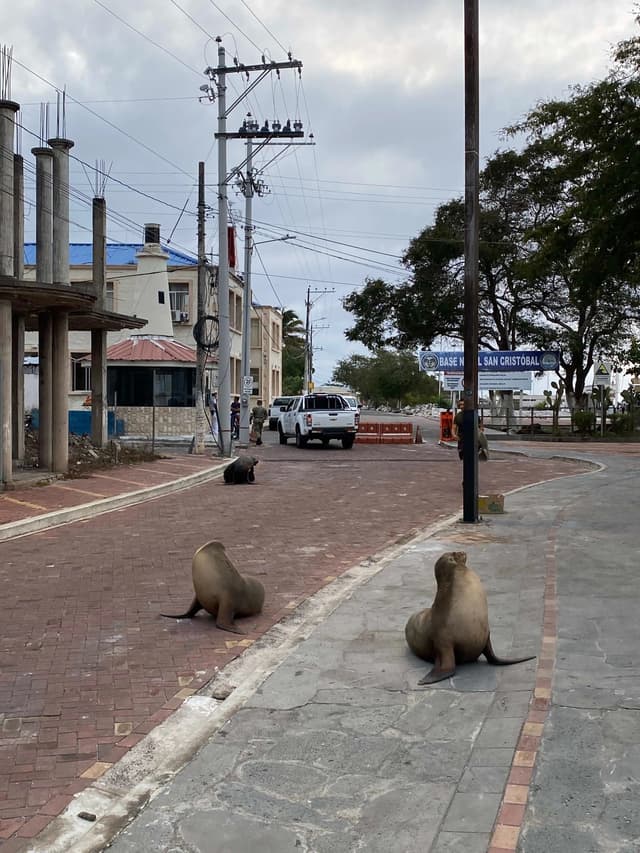
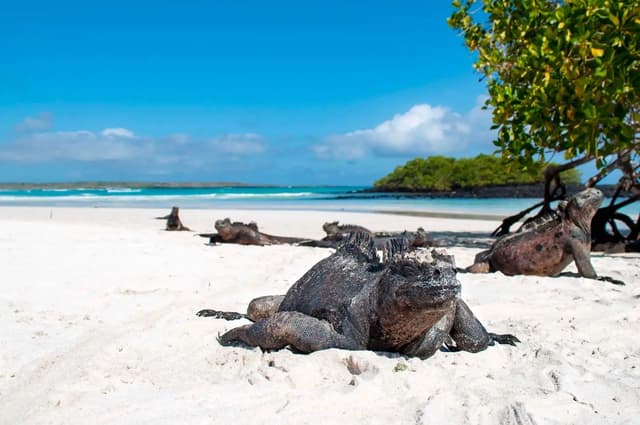
Santa Cruz is the most convenient island to start. In Puerto Ayora, the Charles Darwin Research Station introduces you to giant tortoises and conservation projects; in the highlands they roam free, and a walk leads to Tortuga Bay, a white beach with marine iguanas. San Cristóbal is the island of sea lions, which share the promenade in Puerto Baquerizo Moreno, and snorkeling is just minutes from the center.
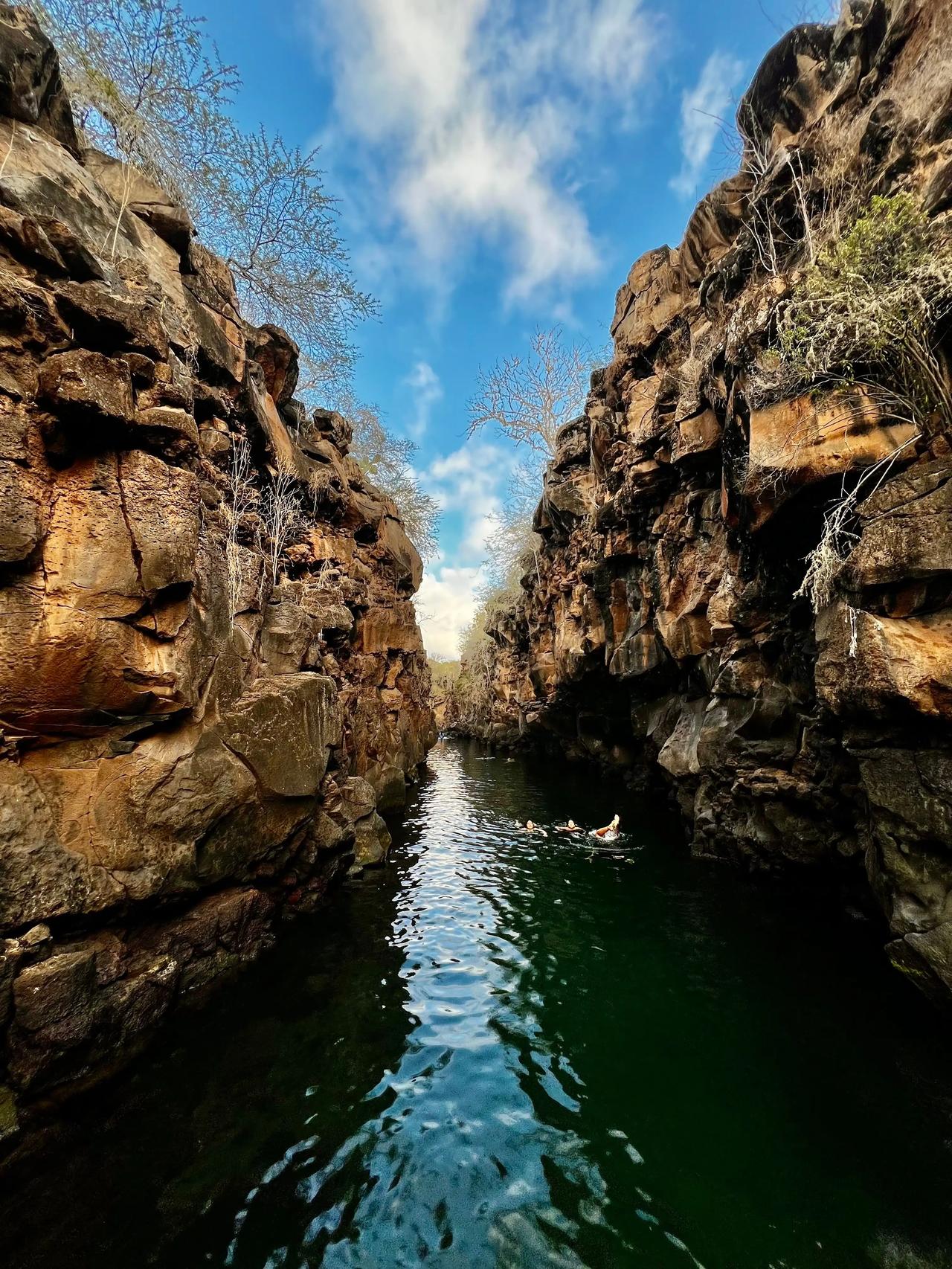
Isabela, the largest and most volcanic island, is even shaped like a seahorse. Here you hike volcanoes like Sierra Negra, snorkel through the lava tunnels of Los Túneles looking for seahorses and spot Galapagos penguins along the coast.
From Santa Cruz, day trips by boat head to Bartolomé, with its iconic Pinnacle Rock and panoramic views of the volcanic coast, and to North Seymour, home to blue-footed boobies and frigatebirds, for wildlife and lunar landscapes one excursion at a time.
From the WeRoad blog


Galapagos travel guide: what to know before you go
Getting there and park rules
The islands lie about 1,000 km (620 miles) off Ecuador: you fly from Quito or Guayaquil to Baltra or San Cristóbal. On arrival you pay the National Park entry fee, US$200 for foreign adults, on top of the transit control card bought at the airport on the mainland, and your luggage goes through a biosecurity check, so fruit, seeds and fresh food stay behind. Between inhabited islands you travel by speedboat, about two hours that you'll feel on choppy days. Rules are part of the experience: stay at least 2 m (6.5 ft) from the animals, no flash, and many areas require an official park naturalist. That's partly why the wildlife doesn't run away, in an archipelago studied since Charles Darwin arrived in 1835 and listed by UNESCO in 1978.
When to visit
The Galapagos work all year round. From December to May, air and water are warmer and seas calmer, ideal for snorkeling despite some rain. From June to November it's cooler and drier, with chillier water full of marine life and skies often veiled in mist.
More to explore, above and below the water
In the Santa Cruz highlands, Los Gemelos are two huge sunken craters in the scalesia forest, near the lava tunnels of the El Chato reserve. On Isabela you can snorkel in Concha de Perla, spot flamingos near Puerto Villamil and walk to the Wall of Tears, built by inmates of a penal colony that closed in 1959. San Cristóbal's Interpretation Center tells the archipelago's story, and snorkeling at Kicker Rock or Las Grietas on Santa Cruz is worth the flight on its own. Food means fish and Ecuadorian cooking: ceviche, encocado in coconut milk, local lobster in season and coffee from the San Cristóbal highlands.