In a nutshell
- Authentic travel is less about the destination alone and more about the approach: meaningful contact with people, time to absorb a place, and experiences rooted in culture, nature, or everyday life.
- The article highlights 10 distinct travel styles, including cultural immersion, adventure, slow travel, culinary journeys, eco-conscious escapes, solo experiences, group trips, road trips, wellness retreats, and purpose-driven travel.
- Each style serves a different traveler profile: some prioritize challenge and movement, others reflection, food, community, flexibility, or environmental awareness, making it easier to choose based on personality and expectations.
- A practical comparison table helps identify which kind of trip best matches specific interests, from active expeditions and local traditions to shared discovery and low-impact nature experiences.
- The most memorable journeys often combine multiple styles, blending culture, adventure, food, and rest into one balanced itinerary that feels richer, more personal, and more rewarding.
Not every trip leaves the same mark. Some are fun, some are beautiful, and some quietly rearrange your brain chemistry in the best possible way. The difference often has less to do with the destination itself and more to do with how you choose to travel.
If your ideal getaway includes more than ticking landmarks off a list, you’re in the right place. The best travel experiences tend to happen when you slow down, stay curious, and let a place surprise you a little. Sometimes that means hiking into the wild, sometimes it means learning to cook with a local family, and sometimes it means getting gloriously lost in a neighborhood with no plan except “let’s see what happens.”
Below, you’ll find ten travel styles that can help you connect more deeply with places, people, and even yourself. No fake-deep speech incoming, promise. But yes, there may be life-changing snacks involved.
What makes a trip feel authentic?
An authentic trip usually creates real contact with a destination rather than a superficial pass-through. It involves meaningful experiences, local perspectives, time for spontaneity, and choices that reflect curiosity instead of convenience alone. Authenticity does not require discomfort, but it does require attention, openness, and a willingness to engage.
In practice, that often means choosing experiences that bring you closer to local culture, everyday routines, natural environments, and shared moments. It’s less about “seeing everything” and more about understanding something.
- Human connection: conversations, shared meals, local hosts, community-based activities
- Intentional pace: enough time to absorb a place instead of racing through it
- Cultural curiosity: traditions, food, art, language, history, and daily life
- Personal involvement: doing, learning, tasting, walking, helping, exploring
Discover The Best Adventure Trips for Singles Over 30
10 travel styles for a more meaningful experience
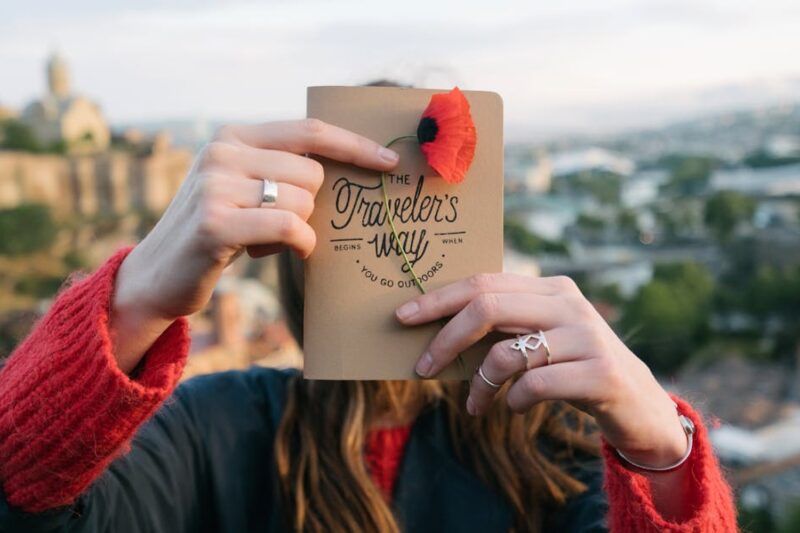
These ten approaches offer different ways to experience the world more deeply. Some are active, some reflective, some social, and some deliciously food-centered. The common thread is simple: each one helps turn travel into something more memorable than a highlight reel.
1. Cultural immersion travel
Cultural immersion focuses on understanding how people live, celebrate, eat, and relate to their environment. It goes beyond monuments by prioritizing local traditions, neighborhoods, family-run businesses, workshops, and experiences that reveal the identity of a place.
This is the style for travelers who want to come home with more than souvenir magnets and 843 photos of church facades. Think local festivals, artisan studios, community tours, neighborhood food stops, and conversations that don’t appear in guidebooks. You stop being just a visitor and start becoming a more attentive guest.
2. Adventure travel
Adventure travel is built around physical activity, outdoor exploration, and a sense of challenge. It often brings travelers into remote or striking landscapes where effort becomes part of the reward and the destination is experienced through movement.
If sitting still on vacation feels suspicious, this might be your lane. Trekking, kayaking, surfing, canyoning, cycling, or wildlife expeditions all create a stronger bond with a place because you experience it with your whole body. Also, nothing says “core memory” quite like sweating dramatically in front of a mountain and then insisting it was fun.
3. Slow travel
Slow travel prioritizes depth over quantity. Instead of trying to cover multiple cities or countries in a short time, it encourages staying longer in one place to build familiarity, reduce stress, and notice the rhythms of daily life.
This style is ideal for people who’d rather know one place properly than speed-date five of them. Rent a room, revisit the same café, shop at the same market, learn the bus route, recognize faces. At some point, the baker may nod at you like you belong there. Honestly? That’s better than any skip-the-line ticket.
4. Culinary travel
Culinary travel explores a destination through its food traditions, ingredients, and dining culture. It can include street food, regional specialties, cooking classes, farm visits, market tours, and meals that reflect local history and identity.
Food is one of the fastest ways into a culture. One dish can tell you about migration, climate, trade, family customs, and regional pride. Plus, trying local food is a lot more convincing than reading a museum panel while your stomach growls. From night markets in Asia to vineyard lunches in Europe, this style is always a good idea.
5. Eco-conscious and nature-based travel
Nature-based travel centers on landscapes, wildlife, and outdoor ecosystems, while eco-conscious choices aim to reduce negative impact and support conservation. Together, they create experiences rooted in respect for the environment and local communities.
This doesn’t mean hugging every tree you meet, although the trees would probably appreciate it. It means choosing responsible travel options: eco-lodges, small-group tours, local guides, protected areas, and experiences that give something back. It’s especially rewarding in destinations where nature shapes everyday life, from rainforests to desert regions to island ecosystems.
6. Solo travel with community experiences
Solo travel offers independence, flexibility, and space for personal growth. When paired with community-based experiences, it allows travelers to maintain freedom while still creating meaningful social and cultural connections along the way.
Traveling alone does not have to mean being alone all the time. Group walks, shared meals, local classes, and small-group departures can create the best of both worlds. You get your freedom, your quiet moments, and your main-character energy, but also people to laugh with when your map app confidently sends you into a wall.
7. Group travel for shared discovery
Group travel can be a powerful way to experience a destination more deeply, especially when the itinerary is designed around local encounters and flexible exploration. The right group creates access, ease, and a sense of shared discovery.
Forget the stereotype of following a guide with a neon umbrella while spiritually leaving your body. Modern group travel can be dynamic, social, and genuinely immersive. It works especially well for travelers who want authentic experiences without carrying the full planning burden alone.
8. Road trips and overland journeys
Road trips and overland travel offer flexibility, scenic variety, and exposure to places between major tourist hubs. They are especially useful for understanding how landscapes, towns, and cultures shift gradually across a region.
There’s something magical about the in-between: roadside diners, small villages, viewpoints you didn’t expect, and detours that become the highlight of the trip. This travel style favors curiosity over rigid schedules. It also favors a good playlist, snacks, and at least one debate about whether that “short scenic route” was really necessary.
9. Wellness and retreat travel
Wellness travel focuses on restoration, balance, and mental or physical well-being. It can include yoga retreats, thermal stays, digital detox trips, meditation escapes, and nature-based experiences designed to slow the pace and improve how you feel.
This is not just about spa robes and cucumber water, although let’s not dismiss either too quickly. Authentic wellness travel can reconnect you with a place through silence, landscape, local healing traditions, and mindful routines. Sometimes the most meaningful journey is the one where you finally rest enough to notice where you are.
10. Volunteer and purpose-driven travel
Purpose-driven travel combines exploration with contribution, learning, or community engagement. When done responsibly, it can deepen understanding of local realities and create a more grounded relationship with the places you visit.
The key word here is responsibly. The best experiences are built with local leadership, long-term value, and realistic expectations, not savior fantasies and awkward photo ops. Done well, this style can be humbling, educational, and genuinely impactful for both travelers and host communities.
How to choose the right travel style
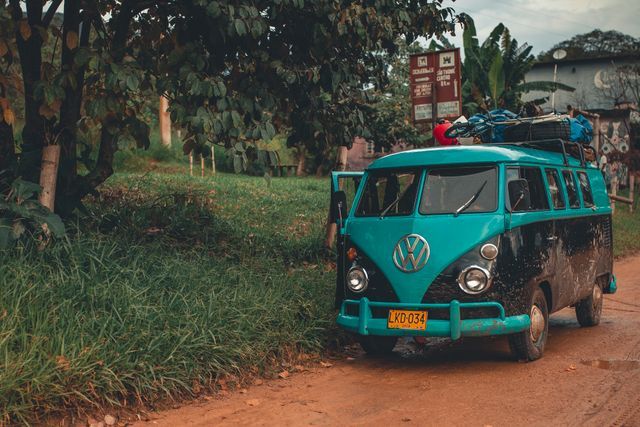
The best option depends on your personality, priorities, budget, and energy level. Choosing well means thinking about how you want to feel during the trip, not just where you want to go. A good match will shape the entire experience.
Ask yourself:
- Do I want action or reflection?
- Do I prefer independence or shared experiences?
- Am I drawn more to nature, culture, food, or wellness?
- How much structure do I want?
- Do I want to see more places, or understand one place better?
| Travel style | Best for | Typical experience |
|---|---|---|
| Cultural immersion | Curious travelers | Local traditions, neighborhoods, crafts, heritage |
| Adventure | Active travelers | Trekking, water sports, expeditions, wildlife |
| Slow travel | Depth seekers | Longer stays, local routines, less rushing |
| Culinary | Food lovers | Markets, tastings, cooking classes, regional dishes |
| Eco-conscious | Nature lovers | Protected areas, low-impact stays, local guides |
| Group travel | Social explorers | Shared itineraries, easier logistics, connection |
Why mixing travel styles often works best
The most rewarding trips often combine several styles rather than following only one. A journey can include adventure, food, culture, and rest in ways that feel balanced and personal. This flexibility creates richer and more sustainable experiences.
You might spend the morning hiking, the afternoon learning about local history, and the evening eating something so good it ruins plain pasta forever. That mix is often where the magic happens. Real travel is rarely one-note, and thankfully, neither are you.
If you want to explore the world in a way that feels social, immersive, and unforgettable, discover all WeRoad group trip types and find the adventure that matches your travel style.
FAQ
- What are the four types of travel?
-
A simple way to group travel is into leisure, business, visiting friends and relatives, and special-interest travel. These broad categories cover most trips, but many real journeys overlap. For example, a group adventure can also be a leisure trip and a cultural experience at the same time.
- What are the 10 main types of tourism?
-
There is no single official list, but ten widely recognized categories include cultural, adventure, ecotourism, culinary, wellness, business, heritage, sports, rural, and leisure tourism. Many modern itineraries blend several of these depending on the destination and the traveler’s goals.
- What are the 8 types of tourism?
-
A common set of eight includes leisure, cultural, adventure, business, medical, sports, eco, and religious tourism. These categories are useful for understanding travel behavior, although many people naturally combine them within the same trip.
- What are the types of trips people usually take?
-
Common trip styles include solo trips, couple getaways, group tours, road trips, city breaks, beach holidays, backpacking journeys, and wellness escapes. The best choice depends on your budget, available time, desired pace, and whether you want relaxation, connection, or exploration.
- Which travel style is best for authentic experiences?
-
The most authentic experiences often come from cultural immersion, slow travel, culinary travel, and small-group adventures. These approaches give you more time and more opportunities to engage with local life instead of only visiting major sights.