In a nutshell
- Backpacking alone is suitable for many travelers, including beginners, as long as the first trips are conservative, short, and planned around realistic fitness, easy terrain, and well-traveled routes.
- The best solo destinations are those that reduce uncertainty, such as national parks, hut-to-hut routes, coastal treks, and established mountain trails with clear signage, known water sources, and accessible support.
- Planning is the core of solo backpacking safety: research conditions, map campsites and backup stops, share your itinerary, test gear in advance, and prepare for weather changes or delays.
- Packing should focus on reliability rather than excess, with navigation tools, shelter, water treatment, warm layers, food, first aid, and emergency communication always prioritized over non-essential extras.
- Confidence grows through repetition, not bravado: trusting your instincts, turning back when needed, and choosing manageable trips are what make solo backpacking both empowering and sustainable over time.
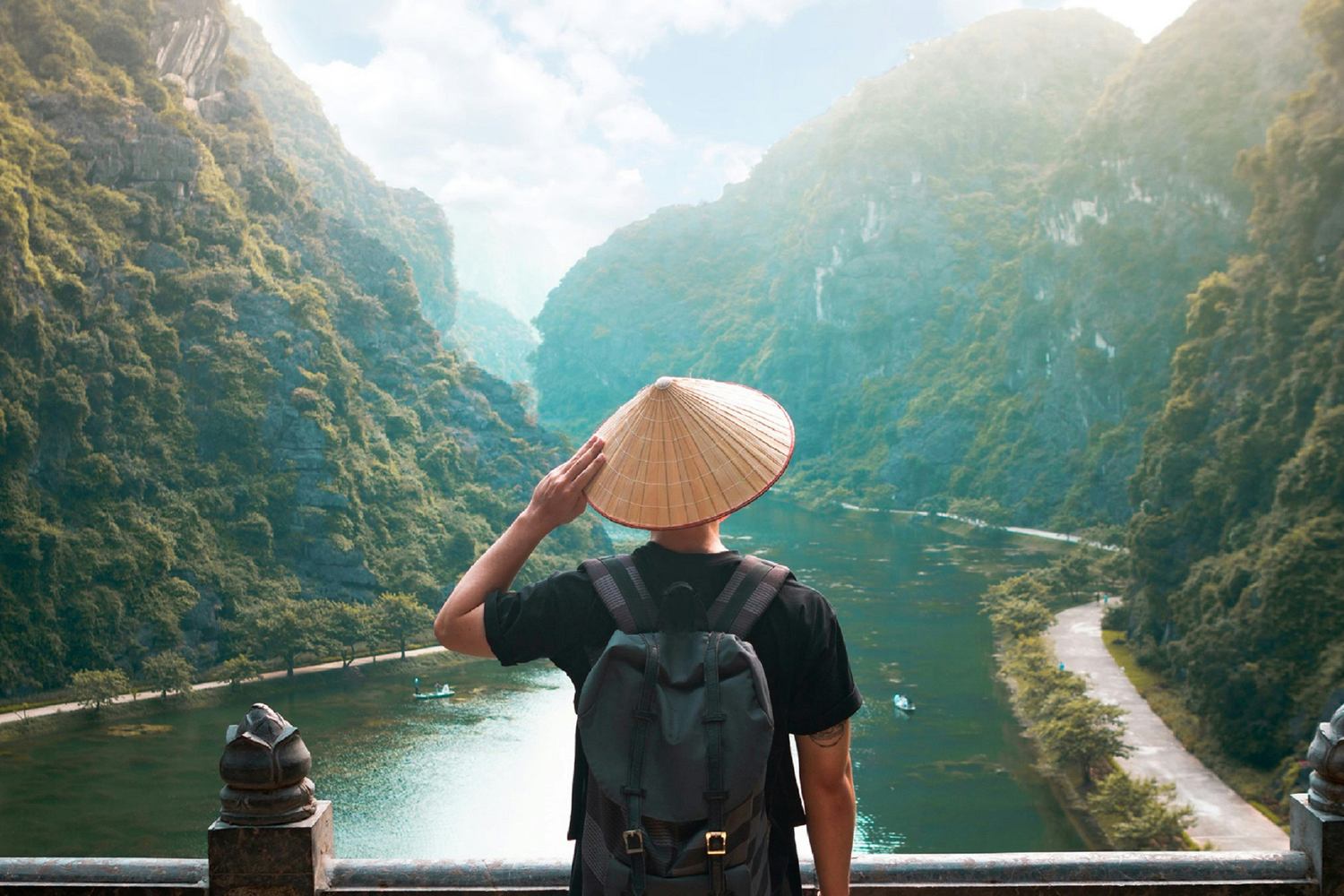
There’s a special kind of freedom in heading out with your life on your back, your route in mind, and nobody asking, “So… what’s the plan now?” Backpacking alone can be empowering, peaceful, and surprisingly fun, but it works best when it’s paired with the right destination, realistic planning, and a little healthy caution.
Traveling solo in the outdoors is not about being fearless or ultra-hardcore. It’s about knowing your limits, choosing a place that matches your experience, and giving yourself room to enjoy the journey at your own pace. Yes, that includes stopping for views, snacks, and the occasional dramatic “I am one with nature” moment.
Why solo backpacking appeals to so many travelers
Solo backpacking offers independence, flexibility, and a deeper connection with the place you are exploring. It allows you to move at your own rhythm, make spontaneous decisions, and build confidence through experience. For many travelers, it is less about isolation and more about clarity, self-reliance, and freedom.
One of the biggest advantages is simple: no compromises. You choose when to start, where to stop, how far to go, and whether dinner is a proper meal or a questionable mix of trail snacks that somehow counts as cuisine. That freedom can feel luxurious.
It also helps you become more aware of your surroundings. When you’re alone, you tend to pay closer attention to the weather, trail signs, your energy level, and the people around you. In other words, solo travel can make you more present, and that’s a pretty good travel companion.
Is backpacking alone okay for beginners?
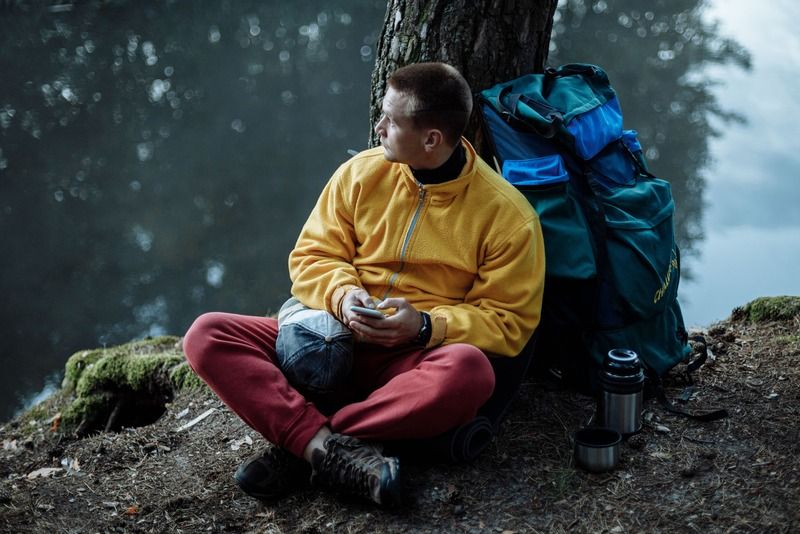
Yes, backpacking alone can be suitable for beginners if the trip is planned conservatively. The best approach is to start small, choose an easy and well-traveled route, and build skills gradually. Confidence should come from preparation and repetition, not from taking unnecessary risks on the first attempt.
You do not need to be an elite hiker, survival expert, or human mountain goat to start. What you do need is a route that feels manageable, gear you know how to use, and a plan that someone else knows about. That’s the non-glamorous part, but it’s the part that matters.
A smart first trip could be:
- One night only rather than a multi-day expedition
- A well-marked trail with regular foot traffic
- A destination with easy water access and predictable terrain
- A place close to home or somewhere you’ve already visited
Starting small is not boring. It is efficient. Every solo trip teaches something useful, from how much water you really need to how loudly your backpack mysteriously crinkles at 2 a.m.
Where to go backpacking alone
The best solo backpacking destinations are accessible, safe, and aligned with your skill level. For a first or early trip, prioritize well-maintained trails, reliable infrastructure, and moderate weather. Popular regions with clear paths and established camping areas are often better than remote wilderness for learning.
When choosing where to go, think in terms of ease, safety, and confidence-building. A stunning route is great, but if it comes with complex navigation, unpredictable weather, or long rescue times, save it for later.
What makes a destination solo-friendly
A solo-friendly route usually has good signage, a known water source, manageable elevation, and enough visitors to avoid complete isolation. It should also be a place where permits, regulations, and trail conditions are easy to understand before departure.
- Marked trails that reduce navigation stress
- Established campsites or designated camping zones
- Moderate daily mileage suited to your fitness
- Reliable weather windows during the season
- Access to park offices or rangers when possible
Best types of destinations for solo backpackers
Certain destination types work especially well for solo travelers because they simplify logistics and reduce risk. National parks, hut-to-hut systems, coastal trails, and popular mountain routes often provide a strong balance between adventure and support.
| Destination type | Why it works for solo backpacking | Best for |
|---|---|---|
| National parks | Permits, ranger support, clear trail information | Beginners to intermediate |
| Hut-to-hut routes | Less gear to carry, more structure, social backup | First-time solo backpackers |
| Popular mountain trails | Well-trodden paths and regular hikers on route | Those building confidence |
| Coastal treks | Gentler terrain in many cases and memorable scenery | Scenic, lower-stress trips |
In practical terms, look for places where you can test independence without feeling completely cut off. The goal of your first solo adventure is not to become a legend. It’s to come back thinking, “I’d absolutely do that again.”
How to plan a solo backpacking trip
A successful solo backpacking trip depends on detailed but realistic planning. You need to know the route, distance, terrain, weather, campsite options, and emergency contacts. Good planning lowers stress on the trail and gives you more mental space to enjoy the experience once you start walking.
Planning is where confidence is built. Once the route is no longer a mystery, your mind has fewer chances to invent wildly unhelpful scenarios.
- Choose a route within your limits
Pick mileage and elevation you can comfortably manage while carrying a full pack. - Research current conditions
Check weather, trail reports, seasonal closures, water availability, and wildlife notices. - Map your camps and backup options
Know where you plan to sleep and what your alternatives are if you need to stop early. - Share your itinerary
Leave your route, timing, parking details, and emergency contacts with someone you trust. - Test your gear before leaving
Set up your shelter, try your stove, and make sure your navigation tools work offline.
If your route depends on perfect weather, perfect energy, and perfect decision-making, it probably needs simplifying. Nature is wonderful, but it is not known for sticking to your spreadsheet.
What to pack when backpacking alone
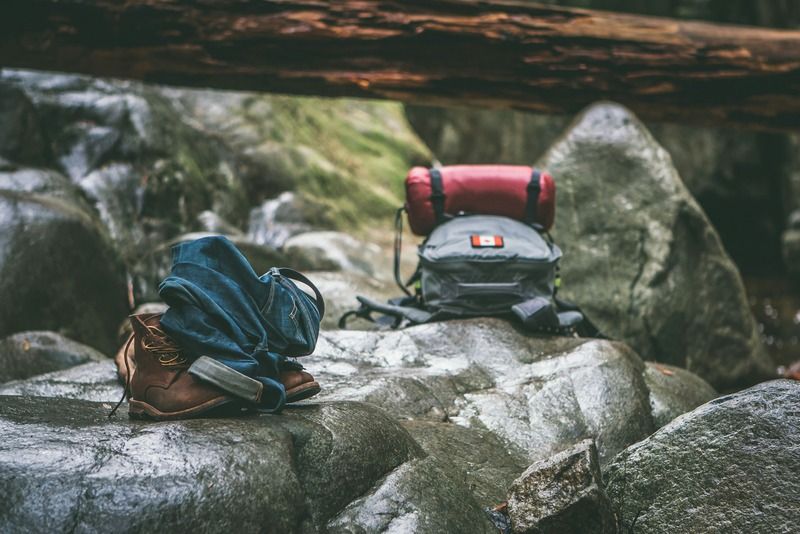
When traveling solo, your gear needs to balance weight, reliability, and safety. Pack light enough to move comfortably, but never remove essentials that support navigation, shelter, hydration, warmth, and emergency response. In solo backpacking, every item should serve a clear purpose.
You’ll be carrying everything yourself, so this is not the moment to pack three extra hoodies “just in case.” The key is smart packing, not panic packing.
- Navigation tools: map, compass, GPS app with offline maps
- Shelter and sleep system: tent, sleeping bag, sleeping pad
- Water setup: bottles or reservoir, water filter or purifier
- Clothing layers: waterproof shell, warm layer, dry socks
- Food and stove: enough meals plus extra snacks
- Safety kit: first aid, headlamp, whistle, multitool, fire starter
- Communication device: phone and, if remote, a satellite messenger
A common guideline many hikers use is the 80/20 mindset: focus your energy on the gear choices that create the biggest difference in comfort and safety, rather than obsessing over every single gram. Saving weight matters, but not if you leave behind something essential.
Safety tips for backpacking alone
Solo backpacking is generally safe when decisions are conservative and conditions match your skills. The main risks usually come from weather, navigation errors, injury, and poor planning rather than from dramatic worst-case scenarios. Prevention, communication, and awareness are your best safety tools.
Most solo trips go well because hikers prepare properly and avoid turning small issues into big ones. That sounds simple because it is. Not always easy, but definitely simple.
Before you leave
Preparation before departure greatly reduces avoidable problems on the trail. Confirm local regulations, study your route, and create a clear emergency plan before starting the trip.
- Tell someone where you’re going and when you’ll be back
- Download offline maps and bring a paper backup
- Check whether the area requires permits or bear-safe food storage
- Pack one extra day of food if the route is remote
While on the trail
Good decision-making on the trail comes from staying observant and flexible. Monitor your pace, weather, hydration, and comfort level. If conditions change, adapt early rather than pushing through avoidable risk.
- Stay aware of trail markers, junctions, and landmarks
- Trust your instincts if a person, campsite, or situation feels wrong
- Turn back early if weather, fatigue, or navigation becomes uncertain
- Camp strategically in safe, established spots when possible
And yes, it is completely fine to change your mind. Turning around is not failure. It is often the smartest move available, which is much less cinematic but a lot more useful.
Is 27 too old for backpacking?
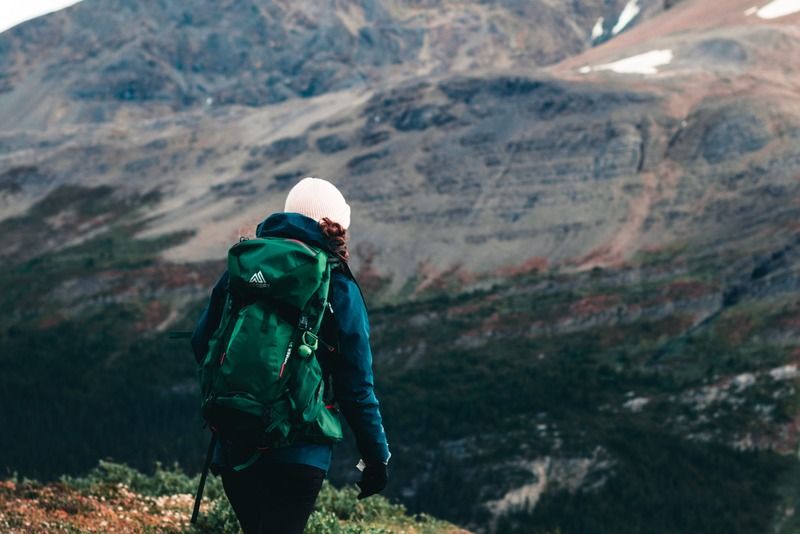
No, 27 is absolutely not too old for backpacking. Solo backpacking is not age-limited; it is skill-based, preparation-based, and personal. Many people start in their late twenties, thirties, or much later and often bring better judgment, patience, and planning skills than they would have earlier.
If anything, starting at 27 may mean you’re more likely to budget well, choose the right gear, and understand that “epic” and “totally avoidable disaster” are not the same thing. That’s growth. Beautiful, practical growth.
How to enjoy the experience when you are alone
Enjoying solo backpacking comes from embracing a slower, more intentional rhythm. When you stop treating the trip like a test and start treating it like an experience, being alone becomes one of its greatest strengths rather than a problem to solve.
Give yourself permission to enjoy the quiet. Take photos. Journal. Sit at camp doing absolutely nothing productive. Watch sunset like it personally organized itself for your arrival. Solo travel can be deeply restorative when you stop trying to perform it and just live it.
A few ways to make the trip more enjoyable:
- Choose a route with views, lakes, or scenic breaks
- Bring one small comfort item, like a book or camp pillow
- Plan shorter mileage so you have downtime at camp
- Accept that some nervousness is normal, especially at first
Your next step into the wild
Backpacking alone can be one of the most rewarding ways to travel when you build the trip around preparation, not pressure. Start with a route that suits your level, keep your plan simple, carry the essentials, and let experience grow one trip at a time.
If you’d like the thrill of adventure with the support of like-minded travelers, discover WeRoad backpacking group trips and find the right destination to build your confidence before, after, or alongside your solo adventures.
FAQ
- Is it okay to backpack alone?
-
Yes, it is okay to backpack alone if you choose a route appropriate for your experience, prepare carefully, and share your itinerary with someone reliable. Solo backpacking is often very safe when approached with realistic planning and conservative decisions.
- What is the 20 rule for backpacking?
-
The phrase can mean different things depending on the context, but many hikers use it informally to describe practical pacing or pack-weight habits rather than a strict universal rule. For solo trips, the more useful principle is to keep your route and gear manageable enough that you stay comfortable, aware, and in control.
- What to do when backpacking alone?
-
Focus on steady hiking, regular hydration, navigation checks, and campsite planning. Beyond the practical side, use the time to slow down, observe your surroundings, rest, take photos, write, or simply enjoy traveling without needing to coordinate every step with someone else.
- How do I choose my first solo backpacking route?
-
Pick a trail with low mileage, moderate elevation, clear waymarking, and reliable water access. A familiar route or a popular area with established campsites is usually the best place to start.
- Should I bring a satellite messenger for solo backpacking?
-
If you are heading into remote areas with limited cell signal, yes. A satellite messenger adds an important layer of safety by allowing you to send updates or call for help in emergencies.