In a nutshell
- Amsterdam is best experienced through a mix of icons and neighborhoods, combining major cultural landmarks like the Anne Frank House, Rijksmuseum, and Van Gogh Museum with slower exploration in areas such as the Jordaan, De Pijp, and the Nine Streets.
- The canal belt is the city’s defining landscape, and walking it is essential for understanding Amsterdam’s architecture, atmosphere, and historic identity. A boat ride or ferry crossing adds a second perspective that completes the experience.
- Three days are usually enough for a first trip if you book headline attractions in advance and keep your schedule balanced, leaving space for parks, food stops, and spontaneous wandering rather than planning every hour too tightly.
- Food and local atmosphere matter as much as museums, especially in De Pijp and Albert Cuyp Market, where Dutch classics like stroopwafels, bitterballen, and cheese turn sightseeing into something more grounded and memorable.
- Some of Amsterdam’s best moments are quieter and less obvious, from Begijnhof and Vondelpark to Amsterdam Noord, proving that the city rewards curiosity just as much as checklist travel.
Amsterdam has that rare talent of feeling polished and relaxed at the same time. One minute you’re staring at a postcard-perfect canal, the next you’re dodging a bike with the reflexes of an action hero. It’s compact, walkable, packed with culture, and surprisingly easy to love in just a few days.
If you’re planning your first visit, the city can seem small on the map but wonderfully full once you start exploring. From world-famous museums to quieter corners and lively neighborhoods, these are the places worth making room for in your itinerary.
12 must-see spots in Amsterdam
These places offer the best introduction to Amsterdam’s identity: historic, creative, scenic, and layered. You’ll find iconic landmarks, local favorites, and a few areas that are best enjoyed without rushing. Aim for a mix of museums, neighborhoods, and canal-side wandering to understand the city properly.
- Canal belt
- Anne Frank House
- Rijksmuseum
- Van Gogh Museum
- Jordaan
- De Negen Straatjes
- Vondelpark
- De Pijp and Albert Cuyp Market
- Begijnhof
- Bloemenmarkt
- Amsterdam Noord
- Oude Centrum and Dam Square
How to experience Amsterdam at its best
The city works best when you balance major sights with unplanned time. Book the most popular museums in advance, then leave space to walk along the canals, stop for a drink, and explore neighborhoods at street level. Amsterdam reveals itself gradually, not all at once.
| Spot | Why go | Best for |
|---|---|---|
| Canal belt | Classic views and historic atmosphere | First-time visitors, photography |
| Anne Frank House | Powerful historical experience | History and culture |
| Rijksmuseum | Dutch masters and national history | Art lovers |
| Jordaan | Canals, boutiques, cafés, local charm | Wandering and food stops |
| De Pijp | Street market and modern local vibe | Foodies |
Visiting in autumn? Find out why Amsterdam is one of the best European cities to visit in fall.
1. Walk the canal belt
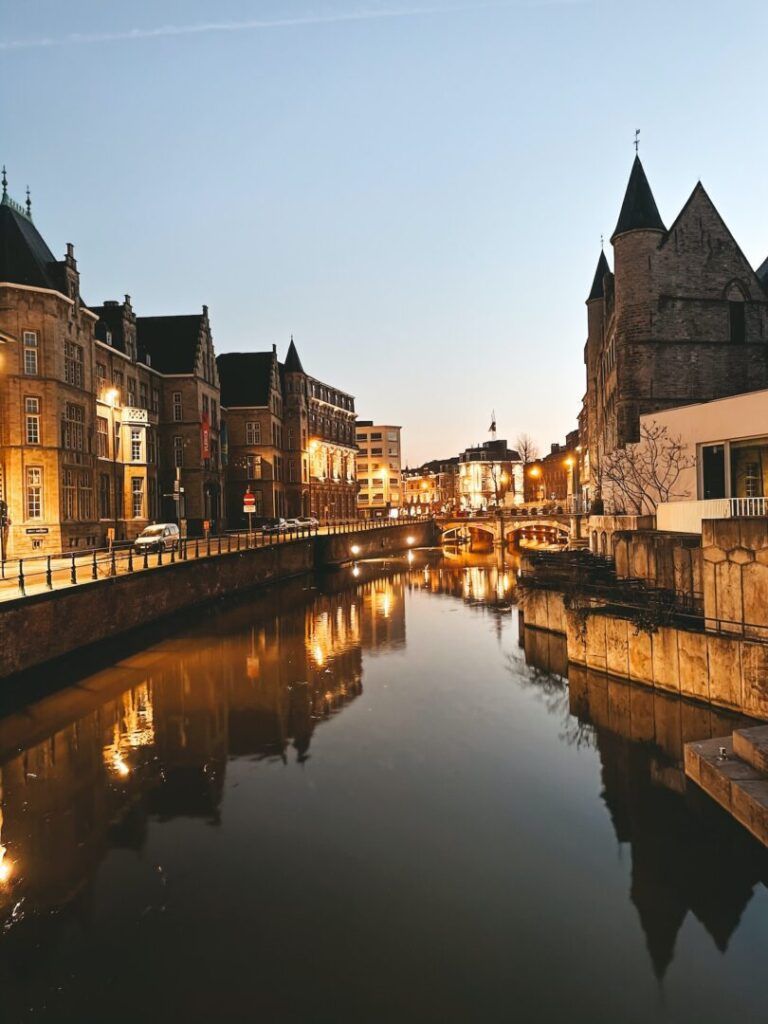
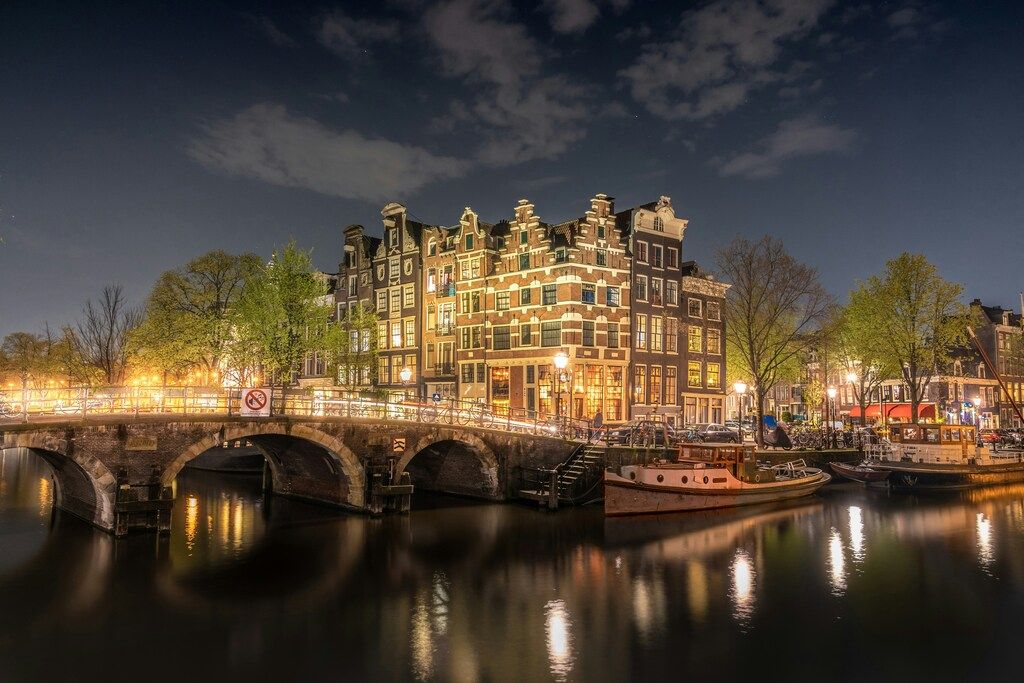
The canal belt is the city’s visual signature and the best place to begin. This UNESCO-listed area brings together gabled houses, elegant bridges, houseboats, and some of Amsterdam’s most memorable views. Early morning and late afternoon are the most rewarding times to explore it on foot.
Yes, it’s famous. Yes, it’s photographed to death. And yes, it still manages to look absurdly good in real life. Stroll along Prinsengracht, Keizersgracht, and Herengracht, and let yourself get pleasantly lost. In Amsterdam, getting lost is basically a premium activity.
2. Visit the Anne Frank House
The Anne Frank House is one of the most important places to visit in Amsterdam. It offers a moving, carefully curated experience that brings Anne Frank’s story and the wider history of the Holocaust into sharp focus. Tickets sell out quickly, so booking ahead is essential.
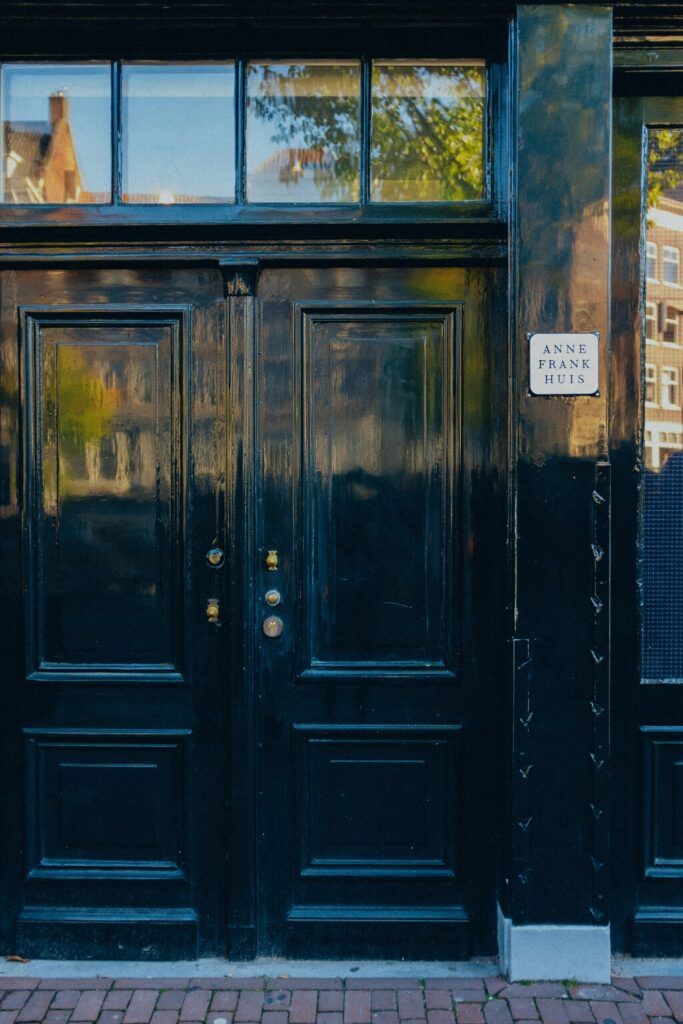
This is not a casual stop between snacks. It’s quiet, emotional, and deeply affecting. Give yourself time before and after the visit rather than rushing straight into selfie mode by the canal. It’s one of those places that stays with you long after the trip ends.
3. Explore the Rijksmuseum
The Rijksmuseum is the leading museum for Dutch art and history. It houses masterpieces by Rembrandt, Vermeer, and other major painters, but also offers a broader look at the Netherlands through decorative arts, historical objects, and beautifully designed galleries.
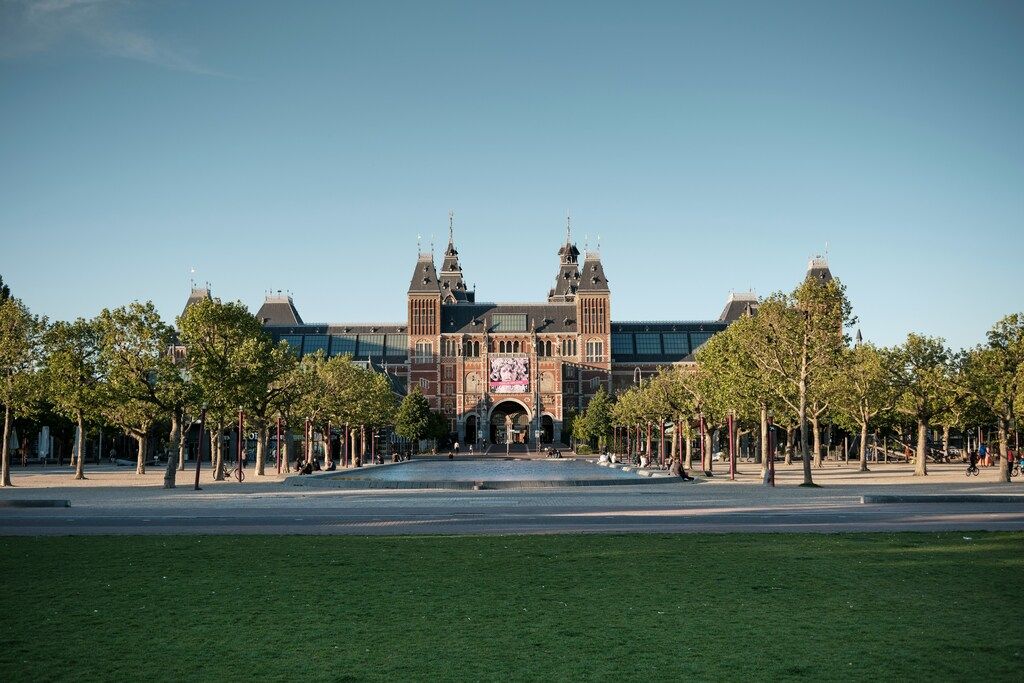
Even if you don’t usually sprint toward museums, this one earns its place. The building is impressive, the collection is enormous, and The Night Watch alone has enough dramatic energy to make half the room fall silent. Art people will be thrilled; non-art people may become art people by accident.
4. See the Van Gogh Museum
The Van Gogh Museum holds the world’s largest collection of works by Vincent van Gogh. It is one of the city’s most popular cultural sites and gives strong insight into both his artistic development and his personal life through paintings, sketches, and letters.
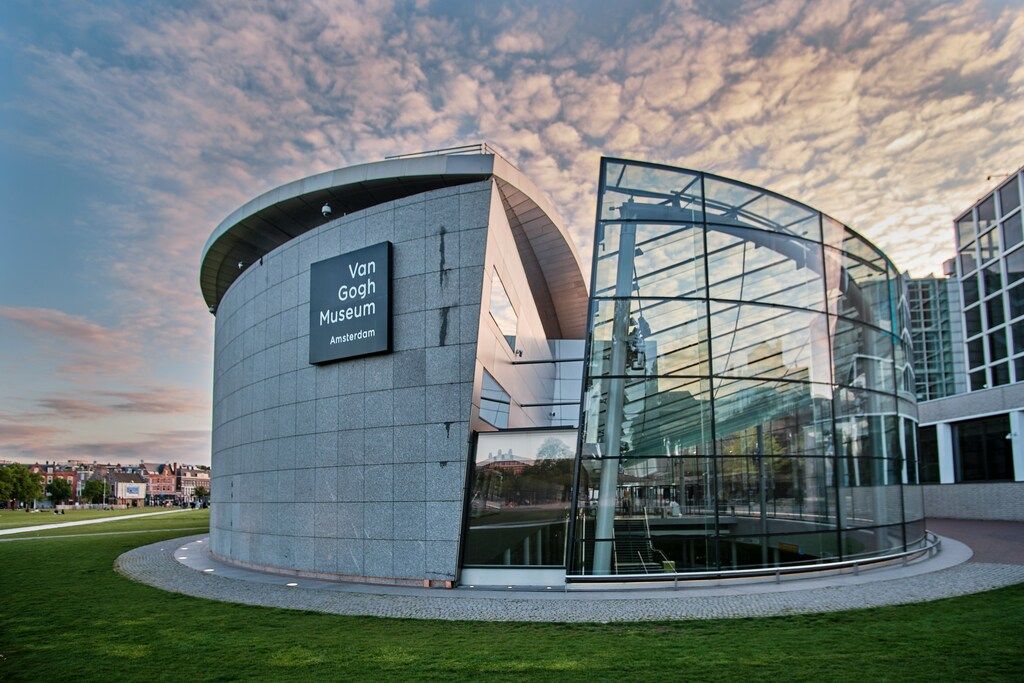
It’s more than a greatest-hits parade of sunflowers and self-portraits. The museum tells a story, and it does it well. If you’ve ever wanted to feel both inspired and a tiny bit emotionally unsteady before lunch, this is the place.
5. Spend time in the Jordaan
The Jordaan is one of Amsterdam’s most appealing neighborhoods. Known for its narrow streets, canals, independent shops, and brown cafés, it offers a more local and relaxed atmosphere while still being central and easy to reach on foot.
This is where Amsterdam turns on the charm without trying too hard. Vintage stores, tiny bars, canal corners that seem almost suspiciously pretty: it’s all here. If the city were auditioning for the role of “effortlessly cool European capital,” the Jordaan would get the part immediately.
6. Browse De Negen Straatjes
De Negen Straatjes, or the Nine Streets, is a small area within the canal district known for boutiques, vintage fashion, design stores, and cozy cafés. It’s ideal for a slower pace and works particularly well as a mid-morning or late-afternoon stop.
You don’t come here for monuments. You come here to wander, peek into shop windows, and suddenly convince yourself you need a beautifully unnecessary ceramic cup. This area is compact, stylish, and dangerously good at making “just a quick look” last two hours.
7. Recharge in Vondelpark
Vondelpark is Amsterdam’s best-known green space and a useful break from the busier central districts. It is ideal for a walk, a picnic, or simply slowing down after museums and sightseeing. In good weather, it feels like the whole city has agreed to exhale together.
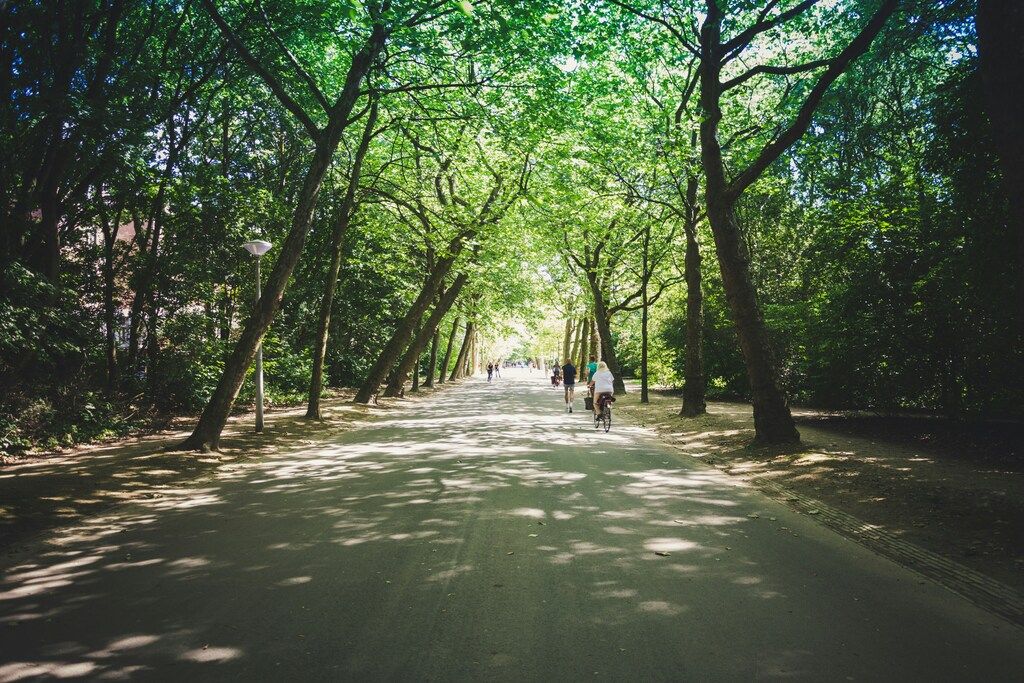
If your itinerary starts feeling a little too efficient, this is the antidote. Grab a coffee, find a bench, and watch cyclists, runners, children, dogs, and very confident birds going about their day. It’s urban park life with excellent styling.
8. Eat your way through De Pijp and Albert Cuyp Market
De Pijp offers a livelier residential feel and some of the city’s best casual food options. Its centerpiece, Albert Cuyp Market, is a long-running street market where you can try Dutch snacks, fresh produce, sweets, and international bites in one walkable stretch.
If your travel style includes “I would like to understand a culture through fried food,” this is your neighborhood. Try stroopwafels, bitterballen, local cheese, and whatever smells too good to ignore. Research is important. Very serious research.
9. Step inside Begijnhof
Begijnhof is one of Amsterdam’s most peaceful historic sites. Hidden behind a modest entrance near the busy center, this courtyard dates back to the Middle Ages and offers a quieter, more reflective side of the city away from the crowds.
It feels like a secret, which is impressive considering plenty of people know about it. Once inside, the mood changes completely. Noise drops, pace slows, and suddenly you’re in a calm pocket of history wondering how this is just a few steps from central Amsterdam.
10. Stop by the Bloemenmarkt
The Bloemenmarkt is Amsterdam’s floating flower market, located along the Singel canal. While it is more tourist-focused today than traditional market-focused, it remains a recognizable stop and a colorful reminder of the Netherlands’ long relationship with flowers.
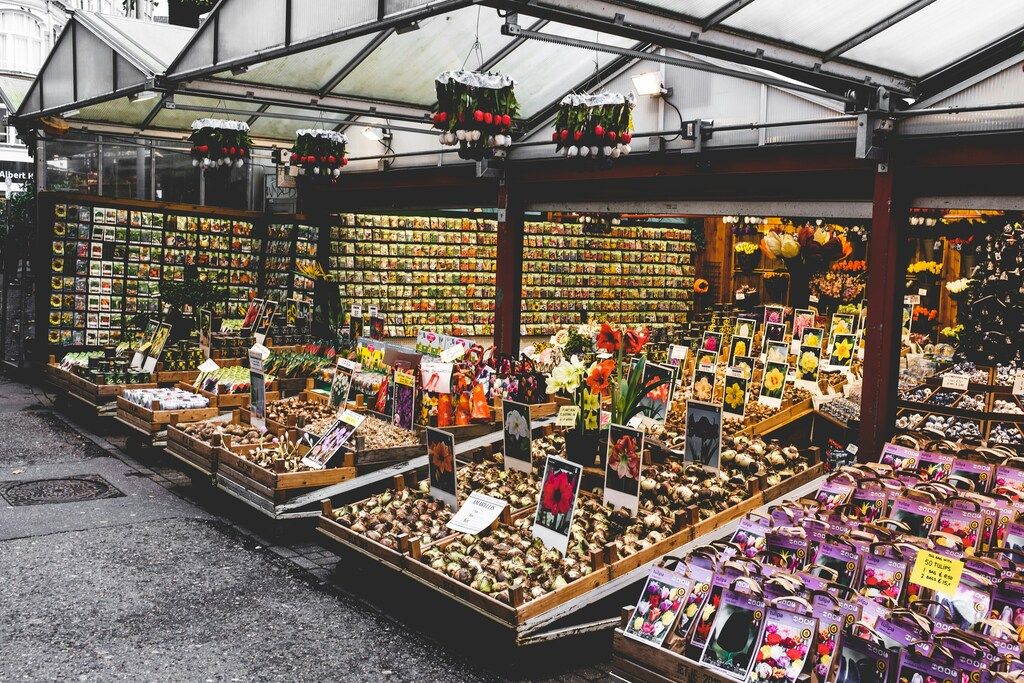
Is it the most authentic experience in the city? Not really. Is it still cheerful, photogenic, and very easy to enjoy? Absolutely. Tulip bulbs, souvenirs, bright displays, and a pleasant canal setting make it worth a short visit, especially if you like your sightseeing with a side of color.
11. Take the ferry to Amsterdam Noord
Amsterdam Noord gives you a different perspective on the city. Reachable by free ferry from Centraal Station, it has a more modern and creative character, with former industrial spaces, contemporary architecture, street art, and cultural venues.
Crossing the water takes only minutes, but the vibe shifts fast. Suddenly the city feels younger, edgier, and a little less polished in a good way. Head to NDSM Wharf if you like urban art, big spaces, and places that look like someone had an excellent idea and just kept going.
12. See Oude Centrum and Dam Square
The old center and Dam Square contain some of Amsterdam’s best-known urban landmarks, including the Royal Palace, Nieuwe Kerk, and busy shopping streets. It is often crowded, but it provides useful historical context and easy access to other central areas.
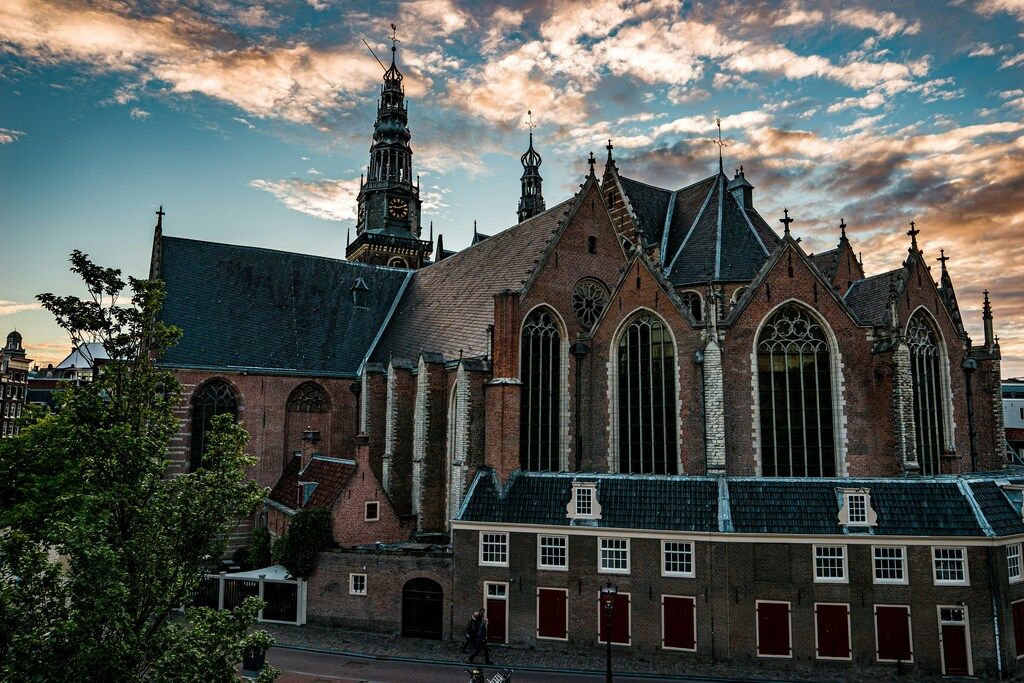
This part of the city can feel hectic, but it’s still worth seeing. Think of it as Amsterdam at full volume: trams, tourists, grand buildings, and a constant buzz. You may not linger for hours, but it helps connect the city’s medieval roots with its modern energy.
Practical tips for your itinerary
A smooth trip depends on a bit of planning. Amsterdam is easy to navigate, but the most popular museums and attractions often require advance booking. Walking is usually the best way to move around the center, while ferries, trams, and bikes help for longer distances.
- Book early for Anne Frank House and Van Gogh Museum.
- Walk the center whenever possible; many highlights are close together.
- Use the free ferry behind Centraal Station for Amsterdam Noord.
- Be careful with bikes; cycle lanes are not decorative suggestions.
- Plan 3 days if you want a good balance of museums, neighborhoods, and slower moments.
Planning more short trips? Read our guide to the best European cities for a city break.
WeRoad’s tip
A perfect Amsterdam afternoon: canals, snacks, and sunset
For a route that feels very Amsterdam without trying too hard, start in the Jordaan and drift toward De Negen Straatjes. This part of the city is ideal for a slow wander between vintage shops, neighborhood bars, and canal views that somehow look good in every kind of weather. Stop in a traditional local spot for a small Dutch tasting moment: a warm stroopwafel, a portion of bitterballen, and a few slices of Dutch cheese. It’s not a full meal, technically, but spiritually it absolutely is.
From there, keep things simple and very local: settle by the canal with a sunset beer and let the city do the rest. If you still have energy, add a short canal boat ride before dark or head up to a rooftop terrace for one last drink with a view. It’s the kind of sequence that works especially well on your first evening, when you want atmosphere without overplanning. Amsterdam loves a flexible plan, and frankly, it wears sunset ridiculously well.
Make room for the city between the landmarks
The best parts of Amsterdam are not only the famous sights, but also the moments in between. A canal at sunset, a market snack eaten standing up, a quiet courtyard, a neighborhood bar with too many good options on the menu: that’s where the city becomes memorable.
If Amsterdam is calling, it might be the perfect time to discover WeRoad group trips and experience the city with new travel buddies who are just as ready for canals, culture, and questionable amounts of stroopwafel.
FAQ
- What should I not miss in Amsterdam?
-
You should not miss the canal belt, the Anne Frank House, the Rijksmuseum, and at least one neighborhood such as the Jordaan or De Pijp. These places together give you a strong mix of history, scenery, art, and local atmosphere.
- Are 3 days in Amsterdam enough?
-
Yes, 3 days in Amsterdam are usually enough for a first visit. You can cover the major sights, enjoy a museum or two, take a canal cruise, and still have time to explore neighborhoods without feeling like you’re sprinting through the city with a waffle in each hand.
- What are the do and don'ts in Amsterdam?
-
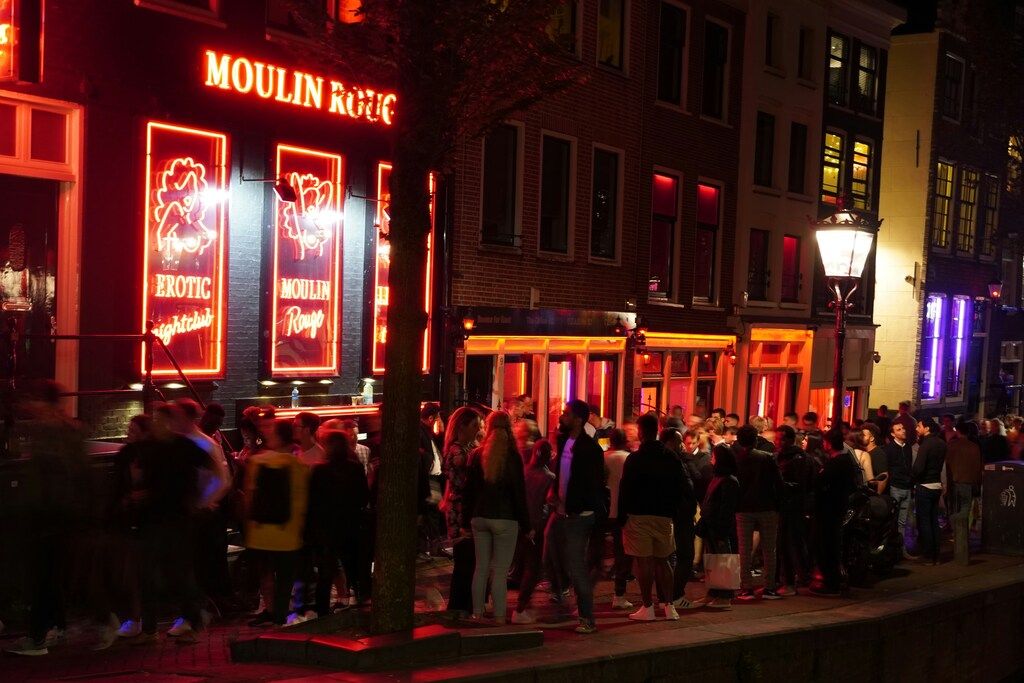
Do book popular attractions ahead, walk carefully near bike lanes, and respect quiet residential areas. Don’t photograph sex workers in the Red Light District, block bridges for long photo sessions, or wander into cycle lanes unless you enjoy adrenaline and bells ringing behind you.
- What are 10 things for adults to do in Amsterdam?
-
Adults can enjoy a canal cruise, museum visits, neighborhood bars in the Jordaan, food tasting in De Pijp, rooftop drinks, vintage shopping in the Nine Streets, a ferry ride to Amsterdam Noord, art galleries, live music venues, and an evening stroll through the old center.
- Is Amsterdam walkable for first-time visitors?
-
Yes, Amsterdam is highly walkable, especially in the central districts. Many of the main sights are close enough to combine in a single day, though trams and ferries are helpful for reaching outer neighborhoods or saving energy after long museum visits.