
In a nutshell
- The best places to visit in Europe include a mix of iconic capitals, island escapes, and scenic regions, with standout choices such as Rome, Paris, Barcelona, Amsterdam, Lisbon, Santorini, Dubrovnik, Switzerland, and Iceland.
- First-time travelers should focus on easy, high-reward cities like Rome, Paris, Barcelona, and Amsterdam, which combine famous landmarks, walkable neighborhoods, strong transport connections, and enough variety to fill several days without stress.
- The best country to visit in Europe depends on travel style: Italy excels in food and history, Spain in energy and architecture, Portugal in value and coastal charm, Greece in islands and archaeology, and Switzerland in mountain scenery.
- The prettiest places in Europe for scenery lovers include Santorini, the Swiss Alps, Iceland, and the Adriatic coast, where dramatic natural settings pair with strong local character and memorable experiences beyond simple sightseeing.
- A stronger Europe itinerary comes from combining two or three nearby destinations with different strengths, such as a major city, a coastal stop, and a scenic region, instead of trying to cover too much ground in one trip.
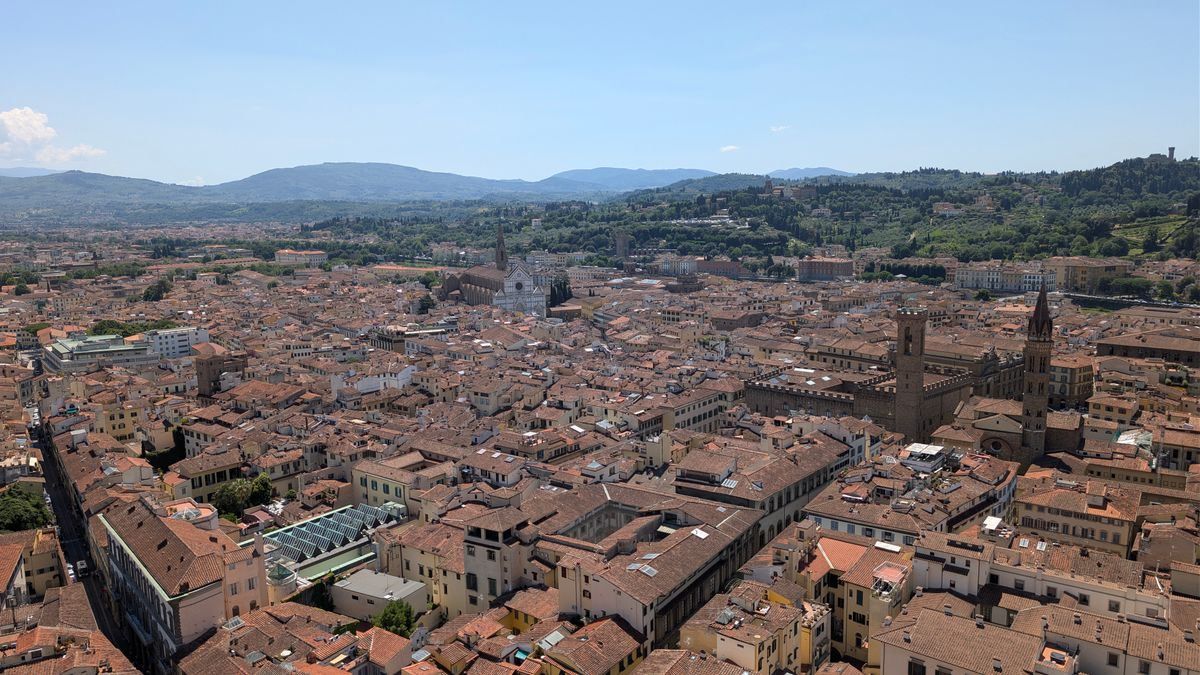
Europe has a sneaky habit of making trip planning wonderfully difficult. One minute you are dreaming of pasta in a sun-drenched piazza, the next you are eyeing fjords, castles, island sunsets, and train rides through alpine valleys. If you are searching for the best places to visit in Europe, the real challenge is not finding amazing destinations. It is choosing where to begin.
From iconic capitals to postcard-perfect coastal towns, Europe offers an absurdly good mix of history, food, landscapes, and culture. Some destinations are perfect for a first trip, while others shine when you want fewer crowds, more local character, or a specific vibe. Below, you will find standout places worth considering, plus practical tips to match the right destination to your travel style.
What makes a European destination truly worth visiting
The best European destinations combine memorable landmarks, a strong local identity, easy exploration, and experiences that feel different from one another. A great place is not just beautiful on Instagram. It should offer atmosphere, food, culture, and enough personality to make you want to miss your train on purpose.
That is why this list balances major classics with places that feel a little more special once you arrive. Some are ideal for first-time visitors, others for repeat travelers who are ready to cheat on Paris with somewhere new. Paris, please do not take it personally.
Top 10 best places to visit in Europe
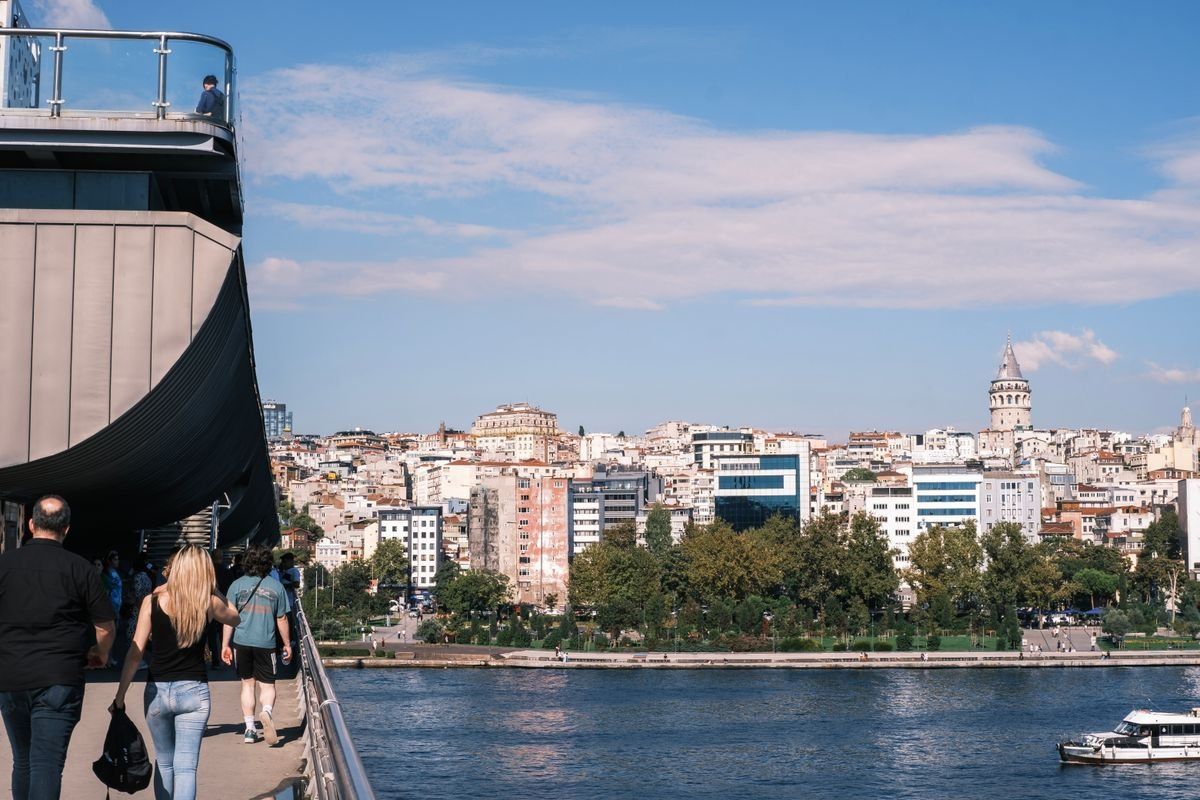
These destinations stand out because they offer a strong mix of cultural icons, local charm, food, scenery, and accessibility. If you want a short list that works for many types of travelers, start here. Each one delivers a different version of Europe, from ancient cities to island escapes.
- Rome, Italy – Ancient history, unforgettable food, and that glorious urban chaos that somehow works.
- Paris, France – Art, architecture, cafés, and enough atmosphere to make even a walk to the bakery feel cinematic.
- Barcelona, Spain – Beaches, Gaudí, nightlife, and tapas. Frankly, a bit of an overachiever.
- Amsterdam, Netherlands – Canals, museums, cycling culture, and easy day trips.
- Lisbon, Portugal – Hills, trams, tiled facades, ocean light, and excellent value.
- Prague, Czech Republic – Fairytale streets, beautiful architecture, and strong city-break appeal.
- Dubrovnik, Croatia – Walled beauty, Adriatic views, and one of Europe’s most photogenic old towns.
- Santorini, Greece – Dramatic caldera views, whitewashed villages, and sunsets that know they are famous.
- Interlaken and the Jungfrau region, Switzerland – Alpine scenery, hiking, and mountain rail journeys.
- Reykjavík and southern Iceland – Waterfalls, geothermal landscapes, and otherworldly road-trip energy.
| Destination | Best for | Ideal trip length | Best season |
|---|---|---|---|
| Rome | History, food, first-time Europe trips | 3-4 days | Spring, autumn |
| Paris | Art, romance, museums | 3-5 days | Spring, early autumn |
| Barcelona | Architecture, beach, nightlife | 3-4 days | Late spring, early autumn |
| Lisbon | Value, scenery, food | 3 days | Spring, autumn |
| Santorini | Views, couples, island escape | 2-4 days | May, June, September |
| Iceland | Nature, road trips, adventure | 5-10 days | Summer or winter |
Best European cities for a first trip
For a first visit to Europe, choose cities that are easy to navigate, rich in highlights, and well connected. Rome, Paris, Barcelona, and Amsterdam are excellent choices because they offer famous sights, reliable transport, and plenty to do even with limited time.
Rome
Rome is one of the easiest answers to the question of where to go in Europe first. You have the Colosseum, Vatican City, piazzas, fountains, and neighborhoods like Trastevere that are ideal for evening strolls. It is busy, loud, and occasionally dramatic, a bit like traveling inside an operatic group chat.
Paris
Paris rewards both planners and wanderers. You can spend your mornings in the Louvre or Musée d’Orsay and your afternoons crossing the Seine, browsing bookshops, or sitting at a café pretending to write your novel. Nobody has to know your masterpiece is just a pastry ranking system.
Amsterdam
Amsterdam is compact, scenic, and pleasantly manageable. The canal belt, Rijksmuseum, Anne Frank House, and nearby day trips make it ideal for first-timers. It also works well if you want a relaxed pace without feeling like you are missing the big cultural hitters.
Best countries to visit in Europe depending on your style
The best country depends on what you want from your trip. Italy is unbeatable for food and history, Spain for energy and variety, Portugal for value and coastal charm, and Switzerland for mountain scenery. Europe does not have one winner, thankfully, because that would start arguments.
- Italy for art, ancient ruins, regional food, and classic cities.
- Spain for beaches, nightlife, architecture, and flavorful city breaks.
- Portugal for affordability, surf towns, wine, and scenic urban escapes.
- Greece for islands, archaeology, and summer travel.
- Switzerland for hiking, lakes, trains, and alpine views.
- Croatia for coastlines, old towns, and island hopping.
Prettiest places in Europe for scenery lovers
If your dream trip is built around views rather than museum tickets, Europe has no shortage of dramatic landscapes. The prettiest places often combine natural beauty with strong local identity. Think cliffs, lakes, mountains, colorful villages, and coastlines so good they almost seem unfair to the rest of the planet.
Santorini and the Greek islands
Santorini remains one of the prettiest places in Europe thanks to its cliffside villages, blue domes, and sea views. It can be crowded, yes, but shoulder season makes a big difference. For a calmer Greek experience, consider Naxos or Paros.
The Swiss Alps
The Jungfrau region, Zermatt, and Lucerne offer some of Europe’s most spectacular mountain scenery. This is the place for cable cars, lakes, flower-filled trails, and the kind of clean air that makes you suddenly understand wellness influencers.
Iceland
Iceland feels like another planet wearing a very stylish minimalist outfit. Waterfalls, black-sand beaches, glaciers, lava fields, and geothermal pools create one of the continent’s most unique landscapes. It is especially rewarding for road trips and outdoor-focused itineraries.
Dubrovnik and the Adriatic coast
Dubrovnik, Kotor, and parts of the Croatian coast blend historic architecture with bright blue sea views. The result is ridiculously photogenic. Even your least enthusiastic travel companion may suddenly become very invested in “just one more viewpoint.”
European wonders and iconic landmarks to include

Europe is packed with landmarks that shape many travelers’ bucket lists. While the official “wonders” vary by list, several places are universally iconic and worth including in your route. These sites work best when paired with time to explore the city or region around them, not just snap a photo and flee.
- Eiffel Tower in Paris
- Colosseum in Rome
- Sagrada Família in Barcelona
- Acropolis in Athens
- Neuschwanstein Castle in Germany
- Stonehenge in England
- Canals of Venice in Italy
These landmarks matter because they connect history, architecture, and place. The smartest move is to build a trip around one or two icons, then add neighborhoods, local restaurants, and day trips that make the experience feel richer and less checklisty.
How to choose the right destination for your trip
The right destination depends on season, budget, travel pace, and interests. Start by choosing your priority: culture, beaches, food, nature, nightlife, or a little bit of everything. Then match that priority to a region instead of trying to see six countries in eight days like a stressed-out game show contestant.
For culture and history
Choose Rome, Athens, Prague, or Vienna. These cities are packed with museums, churches, palaces, and layers of history that are easy to appreciate even if you slept through half your history classes.
For beaches and summer travel
Choose Greek islands, Croatia, Portugal’s Algarve, or southern Spain. These destinations shine in late spring and early autumn, when the weather is great and the crowds are slightly less committed to chaos.
For nature and outdoor adventures
Choose Iceland, Switzerland, Norway, or the Dolomites in Italy. Expect hikes, road trips, viewpoints, and enough fresh air to make you briefly consider becoming “an outdoors person.” No paperwork is required.
For food-focused trips
Choose Italy, Spain, Portugal, or France. Whether you want wine regions, markets, pastries, seafood, or simple local dishes done perfectly, these countries make it extremely easy to plan your days around lunch. A noble strategy.
A smart way to build your Europe itinerary
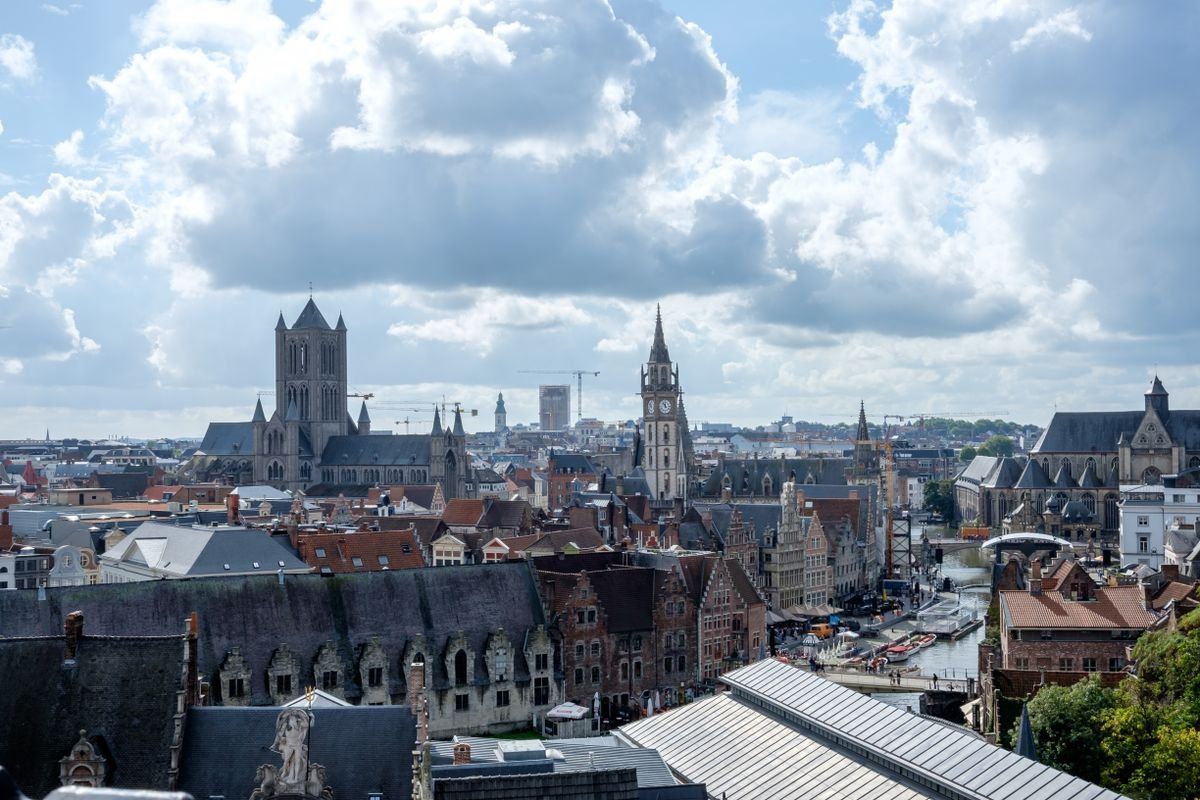
The best Europe itineraries are focused, not rushed. Combine two or three nearby destinations with different strengths, such as one major city, one scenic area, and one slower stop. This creates variety without turning your holiday into a long-running relationship with train timetables.
Some reliable combinations include:
- Rome + Florence + Venice for a classic Italy route
- Paris + Amsterdam + Brussels for art, food, and easy rail links
- Barcelona + Madrid + Seville for Spain’s cultural variety
- Lisbon + Porto + Algarve for value, wine, and coast
- Dubrovnik + Split + Hvar for Adriatic island hopping
Where to go next
The best place to visit in Europe is the one that matches the kind of trip you actually want. If you love history, start with Rome or Athens. If you want scenery, choose Switzerland or Iceland. If food and atmosphere matter most, you will do very well in Italy, Spain, or Portugal.
Europe rarely disappoints, but it rewards thoughtful planning. Choose fewer stops, stay a little longer, and leave room for spontaneity. And if you want to share the journey, discover WeRoad group trips for Europe and turn your next destination into a proper adventure.
FAQ
- What are the top 10 places to visit in Europe?
-
Some of the strongest all-round choices are Rome, Paris, Barcelona, Amsterdam, Lisbon, Prague, Dubrovnik, Santorini, the Jungfrau region in Switzerland, and Reykjavík with southern Iceland.
- Which is the best country to visit in Europe?
-
There is no single best country for everyone. Italy is ideal for food and history, Spain for lively cities and beaches, Portugal for value, Greece for islands, and Switzerland for landscapes and outdoor activities.
- Where is the prettiest place in Europe?
-
That depends on your taste, but Santorini, the Swiss Alps, Iceland, and the Croatian coast are often considered among the prettiest places in Europe thanks to their dramatic scenery and distinctive atmosphere.
- Which 7 wonders are in Europe?
-
Lists vary, but commonly recognized European wonders and iconic sites include the Colosseum, Eiffel Tower, Acropolis, Sagrada Família, Neuschwanstein Castle, Stonehenge, and the canals of Venice.
- When is the best time to visit Europe?
-
The best time is usually spring or early autumn, when the weather is pleasant and crowds are lighter than in peak summer. Winter is excellent for Christmas markets, skiing, and northern lights trips.
- How many countries should I visit in one Europe trip?
-
For most travelers, two or three countries are enough for a balanced trip. Moving less often gives you more time to enjoy each place and reduces travel fatigue.