In a nutshell
- Group trips offer a middle ground between independence and connection, making them ideal for people who want the freedom of traveling solo without the full weight of planning and navigating every detail alone.
- The first day is usually easier than expected because most participants arrive solo too, and structured welcome moments help break the ice naturally without forcing instant friendships or uncomfortable social pressure.
- The experience combines shared activities with personal space, allowing travelers to enjoy group dinners, excursions, and memorable moments together while still having time to explore independently and recharge.
- Compared with fully independent travel, group trips often deliver stronger value through coordinated logistics, built-in support, and smoother access to experiences, even when they are not the cheapest option at first glance.
- The most memorable part is often the people: strangers become travel companions through shared jokes, spontaneous moments, and common experiences that transform a simple itinerary into a much more meaningful trip.
Traveling on your own does not have to mean being on your own all the time. For many people, the sweet spot sits somewhere between full independence and built-in company: you choose to go, but you do not have to figure everything out alone.
That is exactly why group travel has become such a popular option for solo adventurers. You still get the thrill of stepping out of your routine, landing somewhere new, and collecting stories you will repeat far too often at brunch. The difference is that you do it with a small crew of people who started out as strangers and often end up as your favorite holiday plot twist.
If you are curious about the reality of a group trip for solo travelers, here is what it actually feels like, from the first awkward hello to the final “we absolutely must plan another trip together” message that somehow appears before your flight home.
Why solo travelers choose group trips
A group journey appeals to solo travelers because it combines freedom, structure, and connection. You keep the excitement of going independently, but you remove much of the stress around planning, logistics, and navigating an unfamiliar place entirely by yourself.
For a lot of travelers, the biggest win is simple: you do not need to wait for friends to align calendars, budgets, and life goals. You can just book the trip you want. No endless group chat. No “let me check and get back to you” from someone who absolutely will not get back to you.
It is also a smart choice if you want:
- Built-in company without needing to travel with people you already know
- Less planning stress for transport, accommodation, and key experiences
- More confidence in destinations that feel intimidating on your own
- A social atmosphere with people who are there for a similar reason
- Time for yourself, alongside shared moments
In other words, it is not about giving up independence. It is about choosing a version of travel that makes room for both autonomy and connection.
What the first day is really like
The first day usually feels like a mix of curiosity, anticipation, and mild social panic. Most travelers arrive not knowing anyone, which creates a level playing field and makes those first introductions much easier than people often expect.
Let us be honest: nobody glides into day one like they are starring in a coming-of-age travel film. Most people are thinking some version of, “What if everyone already clicks?” The good news is that most people join solo, so the room is usually full of others having the exact same thought while pretending to casually sip water.
The first few hours often include:
- Meeting the group and the coordinator
- Settling into the accommodation
- Going over the itinerary and practical details
- Sharing a first meal, walk, or welcome activity
This structure helps break the ice naturally. You are not forced into instant best-friend mode. You just start doing things together, and conversation tends to follow. By the end of the first evening, names are still being learned, but the awkwardness has already dropped several levels.
The social side without the pressure
One of the best parts of a social trip is that connection happens organically. You are not expected to perform, entertain, or be “on” all the time. Good group travel creates opportunities to bond without making every minute feel like a team-building exercise.
This matters especially for people who like people, but also like silence, snacks, and the occasional dramatic stare out of a train window. Shared travel works because it gives you a reason to interact naturally: getting lost together, trying new food, swapping stories, or laughing over a plan that went slightly off-script.
In a well-balanced group experience, you will usually find:
- Shared activities that make interaction easy
- Free time to explore on your own or in smaller sub-groups
- No need to pair up constantly
- A relaxed social rhythm instead of nonstop intensity
The result is often more natural than people expect. Friendships develop because of shared moments, not because someone told the group to “say one fun fact about yourself.” A mercy for everyone involved.
How much independence do you actually have?
Even in a guided group setting, solo travelers usually keep a meaningful degree of independence. Most itineraries balance scheduled activities with personal time, so you can join the shared experience while still making the trip feel like your own.
This is one of the biggest misconceptions around organized travel. People imagine being marched around with zero flexibility, like a very scenic school field trip. In reality, a good itinerary leaves breathing room.
Where structure helps
Group planning is especially useful for complex or time-consuming parts of travel. It reduces friction and helps you get more from the destination without spending your energy on admin.
That support often includes:
- Accommodation bookings
- Transport between stops
- Local logistics and timing
- Selected experiences and activities
Where freedom still matters
You still get personal space within the trip. Free time allows you to rest, wander, shop, journal, disappear into a museum, or simply take yourself out for a coffee and pretend you are mysterious.
That balance is often what makes this style of travel work so well. You are supported, but not boxed in.
Group trips vs solo travel on your own
Both travel styles have real advantages. The best option depends on what kind of experience you want, how confident you feel with planning, and whether connection or total flexibility matters more on this particular trip.
| Aspect | Independent solo travel | Group travel as a solo traveler |
|---|---|---|
| Planning | You organize everything yourself | Core logistics are arranged for you |
| Social experience | Can be enriching, but unpredictable | Built-in connections from day one |
| Flexibility | Maximum freedom | Balanced with a shared itinerary |
| Support | You handle issues alone | Group leader and travel mates provide backup |
| Comfort for first-timers | Can feel overwhelming | Usually easier and more reassuring |
There is no universal winner here. Some trips are perfect for going fully independent. Others become better, easier, and more memorable when shared with a group.
Is it cheaper to travel solo or in a group?
The answer depends on the destination, travel style, and what is included. A group trip is not always the absolute cheapest option on paper, but it can offer stronger overall value by bundling transport, stays, activities, and support.
When you travel entirely on your own, you may find cheap deals, but you also absorb all the hidden costs of planning mistakes, solo supplements, fragmented bookings, and overpriced last-minute choices. One wrong transfer can suddenly cost more than your “budget strategy” was supposed to save. Character building, yes. Ideal, no.
Group travel can be cost-effective because it often includes:
- Shared accommodation arrangements
- Pre-planned transport
- Included experiences
- Local knowledge that helps avoid common tourist traps
So while independent travel may sometimes look cheaper upfront, the value of a group experience often lies in convenience, efficiency, and peace of mind as much as in price alone.
Who will you travel with?
Most solo-friendly group trips bring together people with different backgrounds but similar motivations. They may come from different cities, jobs, and routines, yet share an openness to new places, new experiences, and meeting new people.
This is often what surprises first-time travelers most. The group is rarely a perfectly matched squad from a casting call. It is better than that. It is real. Some are experienced travelers, some are doing their first big trip, some are outgoing, some are quieter, and almost everyone arrives hoping the vibe will be good.
Usually, the people who join are looking for things like:
- Adventure with a social side
- A break from routine
- Meaningful experiences rather than just sightseeing
- A chance to travel without waiting for a companion
You do not need to be the loudest or most extroverted person in the group to enjoy it. In fact, many solo travelers appreciate group trips precisely because the social side is built around shared experiences, not forced small talk.
What makes the experience memorable
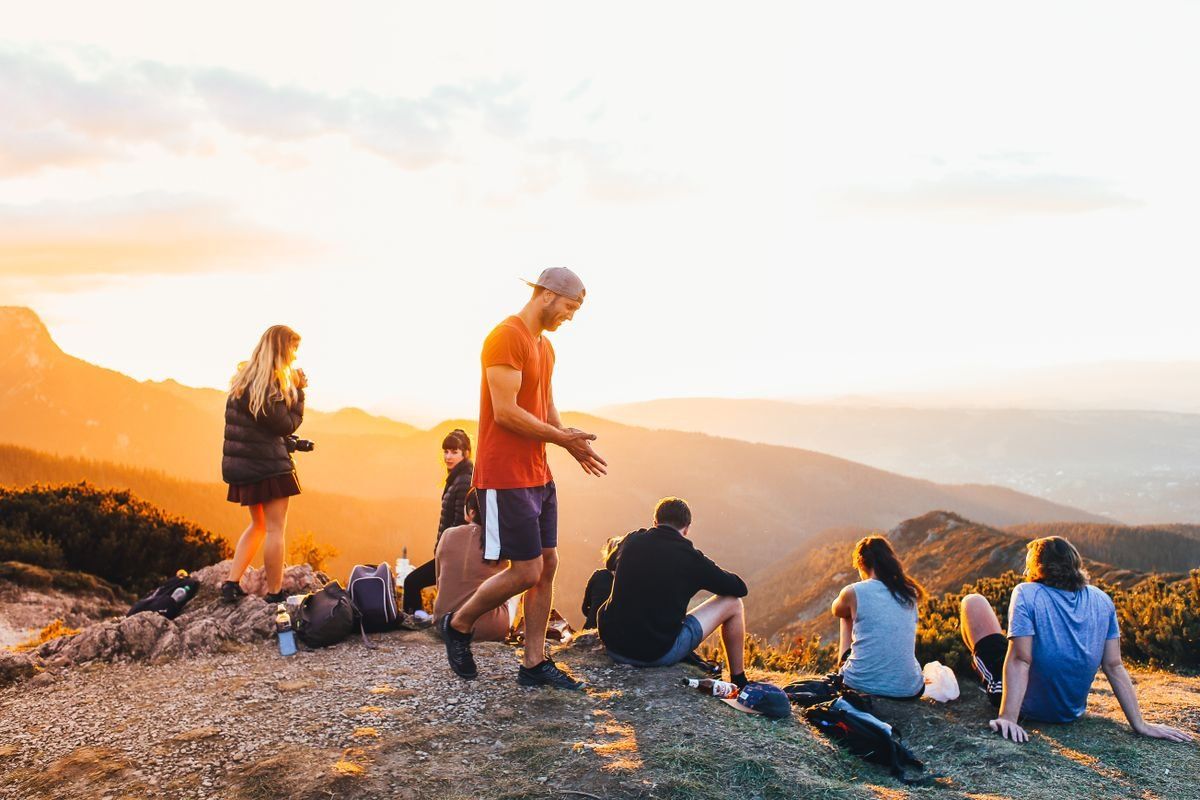
The moments people remember most are usually not just the landmarks. They are the shared reactions, inside jokes, unexpected conversations, and little rituals that form when a group starts to click.
Yes, the destination matters. Of course it does. But what turns a trip into a story you keep telling is often the human side of it: the dinner that lasted three hours, the sunrise nobody wanted to wake up for but loved, the spontaneous detour, the person who started as “someone in my group” and ended as “someone I still talk to now.”
That is the real appeal of socially led solo travel. It gives you:
- Shared memories that feel bigger than the itinerary
- A sense of belonging without needing to know anyone beforehand
- Support and spontaneity in the same experience
- Space to be yourself while still being part of something
When a group trip is the right choice
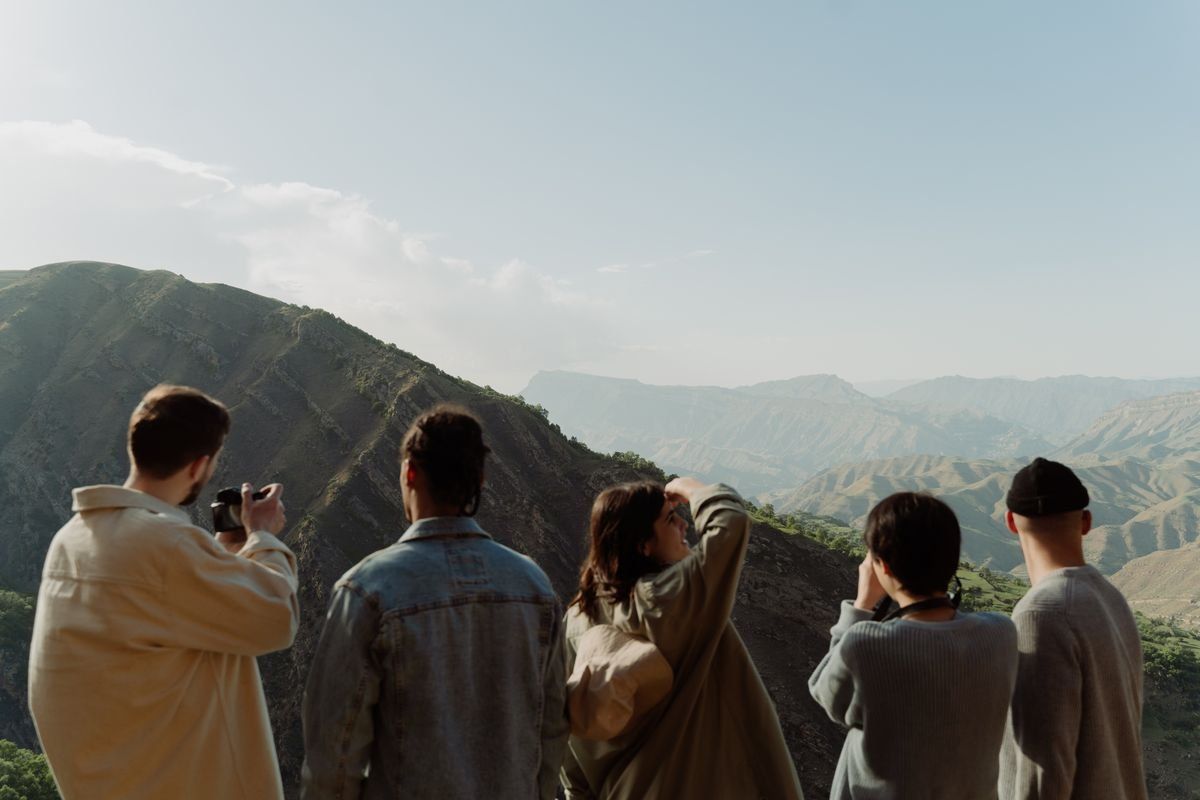
A group experience is often the right fit when you want to travel solo but not feel isolated, especially on a first trip, in a complex destination, or during a phase when you want more connection from your travels.
It can be a great option if you want to:
- Take your first solo trip with extra reassurance
- Visit a place where logistics are more complicated
- Meet people while still having personal time
- Stop overplanning and start actually enjoying the journey
- Turn a holiday into something more social and memorable
And if you are wondering whether there are travel groups for single people, the answer is yes, absolutely. Many trips are designed specifically for those booking on their own, which makes the dynamic more open, balanced, and easy from the start.
Your next trip could start with one booking
Choosing to travel solo does not mean choosing to do everything alone. A good group trip gives you the freedom to go where you want, with the comfort of shared experiences, helpful structure, and new people to enjoy it with.
If that sounds like your kind of adventure, it may be time to stop waiting for the perfect travel buddy and start with the one person who is definitely available: you. The rest of the group can meet you there.
Discover WeRoad group trips and find the kind of journey that makes solo travel feel social, easy, and genuinely fun.
FAQ
- What are the best group trips for solo travelers?
-
The best trips are usually those designed with a balanced mix of included activities, free time, and a social atmosphere. Small group adventures, multi-stop itineraries, and experience-led trips work especially well because they create natural opportunities to connect without making the schedule feel too rigid.
- What are some good solo-friendly group travel ideas?
-
Good options include cultural city-hopping trips, island adventures, road trips, food-focused journeys, and nature-based itineraries. The strongest choices are often destinations where logistics can be tricky alone or where shared experiences make the trip more enjoyable.
- Is group travel good for introverts?
-
Yes, it can be. Introverts often appreciate group travel when it includes enough free time and does not force constant interaction. Because conversations happen around shared experiences, the social side tends to feel more natural and less draining than people expect.
- Will I have time to explore on my own during a group trip?
-
In most well-designed group trips, yes. There is usually a mix of planned activities and free time, so you can join the group when you want and still enjoy solo moments for wandering, relaxing, or exploring personal interests.
- Are there travel groups for people booking alone?
-
Yes. Many travel companies create trips with solo bookers in mind, and in many cases, a large portion of the group joins independently. That makes it easier to settle in, meet like-minded people, and feel comfortable from the beginning.