In a nutshell
- Día de los Muertos is a meaningful Mexican tradition focused on honoring deceased loved ones through altars, flowers, food, cemetery visits and family gatherings, and it should not be confused with Halloween.
- The best destinations depend on your travel style: Mexico City is ideal for first-timers and public events, Oaxaca for culture and food, Michoacán for the most emotional and traditional rituals, and Mérida for a regional Yucatán experience.
- Travellers can take part respectfully by visiting public ofrendas, markets, parades and cemeteries, while always asking before taking photos and remembering they are entering spaces of remembrance, not staged attractions.
- For a better trip, book early, expect crowds and higher prices, especially around late October and early November, and budget according to your destination, since popular cities become significantly more expensive during the celebration.
- The most rewarding itinerary combines major events with quieter local moments: tasting pan de muerto, exploring flower-filled markets, seeing candlelit altars and learning the symbolism behind the traditions with a respectful local perspective.
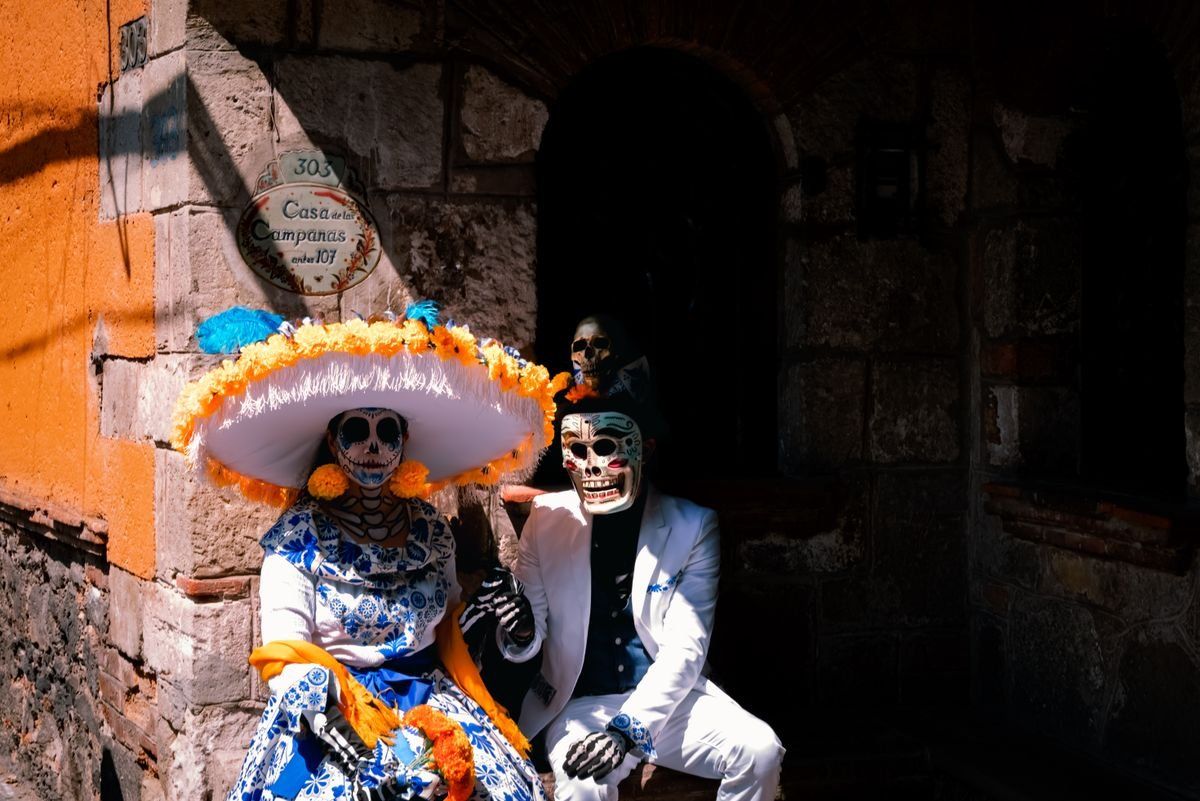
Día de los Muertos is one of the most meaningful times to visit Mexico. More than a festival, it is a living tradition that blends remembrance, family rituals, public celebrations, food, flowers and community gatherings. For travellers, it can be emotional, beautiful and unforgettable when approached with respect.
You’ll see marigolds everywhere, taste sweet pan de muerto, spot altars glowing with candles and hear music drifting through plazas and cemeteries. It’s colourful, yes, but not in a “theme party” way. This is not Halloween wearing a fake moustache: it is a heartfelt celebration of life, memory and connection.
What Day of the Dead in Mexico really means
Day of the Dead in Mexico is a tradition centered on honoring loved ones who have passed away. The mood is not gloomy, but reflective and warm. Families prepare altars, visit graves, share food and spend time together, welcoming the memory of the dead back into everyday life.
The celebration usually unfolds between October 31 and November 2, though events often begin earlier. In many places, November 1 is associated with children who have passed away, while November 2 is dedicated to adults.
Its roots go back to pre-Hispanic beliefs, later blending with Catholic traditions. That mix is part of what makes the experience so rich: ancient symbolism, local customs and modern public events all coexisting in a way that feels surprisingly natural.
Symbols you’ll see everywhere
The most recognizable symbols are not just decorative. Each one carries meaning connected to memory, return and spiritual guidance. Understanding them adds depth to the trip and helps you see beyond the Instagram glitter.
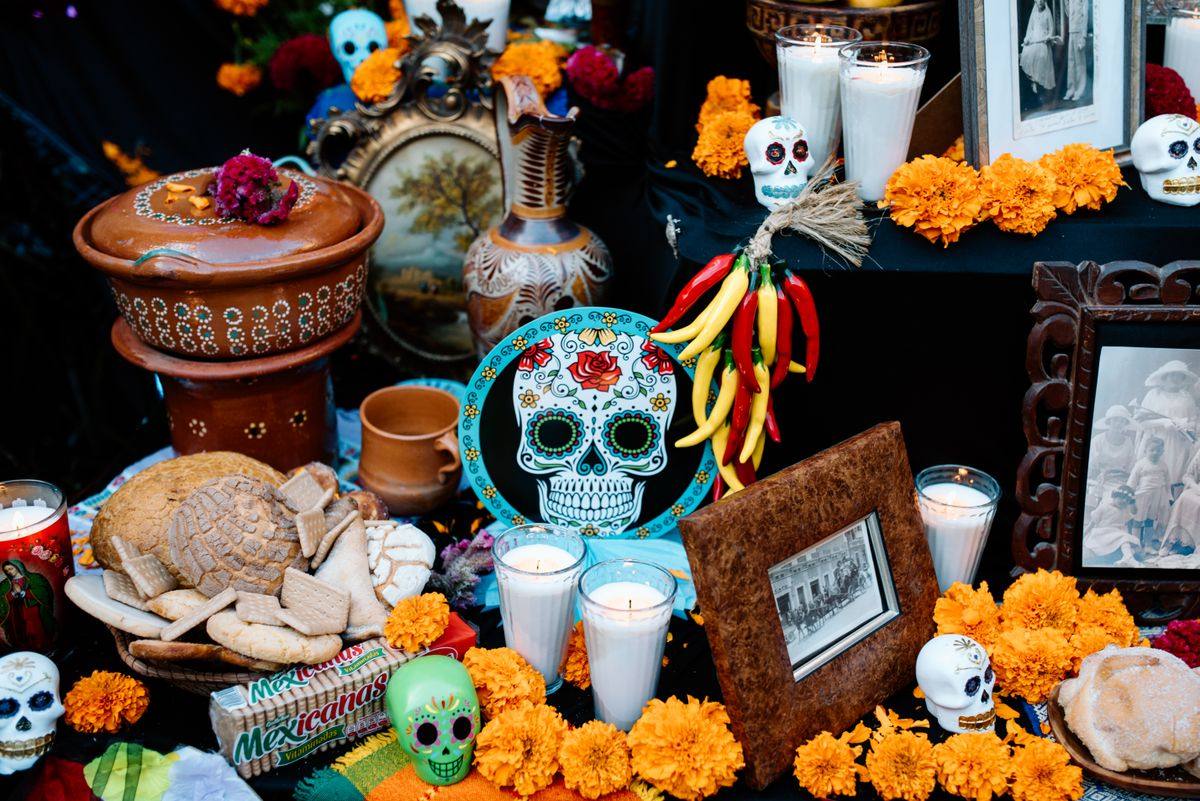
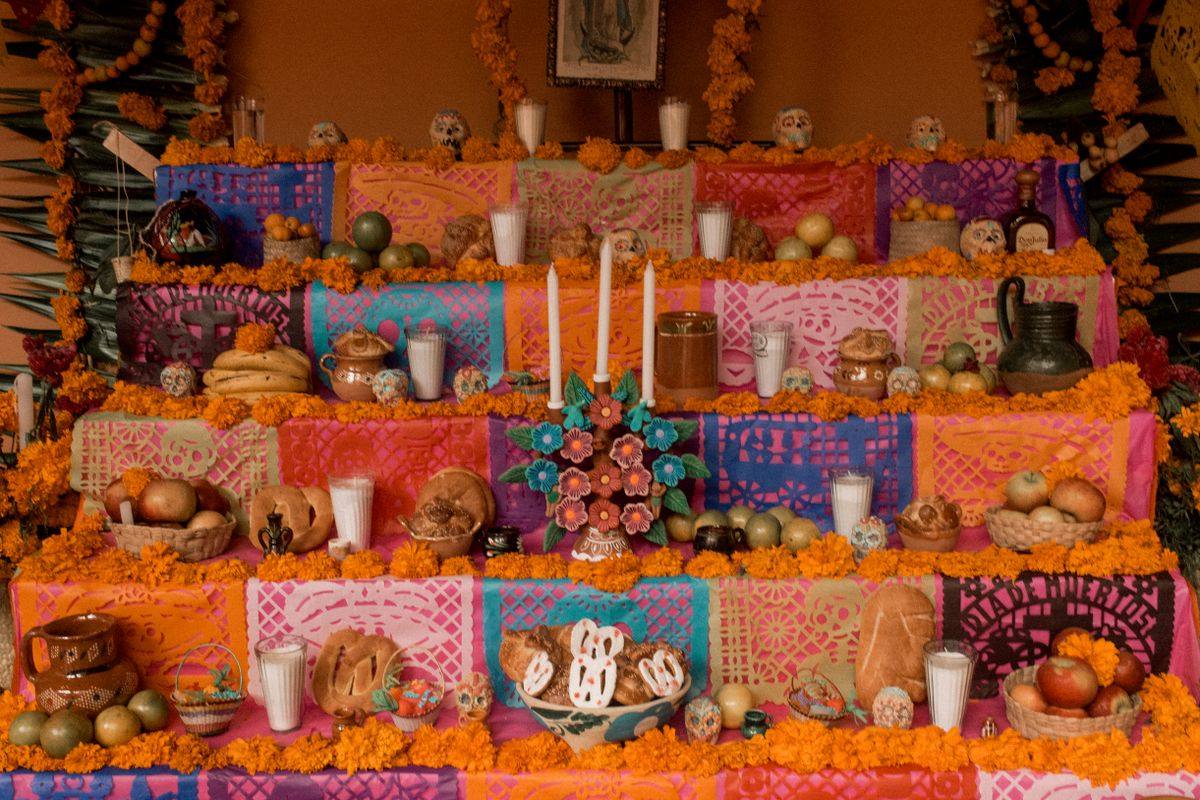
- Cempasúchil marigolds, believed to guide spirits with their color and scent
- Ofrendas, altars with photos, candles, food and personal objects
- Calaveras, skulls made from sugar, clay or papier-mâché
- Papel picado, cut-paper banners symbolizing the fragility of life
- Pan de muerto, the traditional bread eaten during the celebration
Can travellers take part respectfully?
Yes, travellers can absolutely experience Día de los Muertos in Mexico. Public events, markets, parades and many cemetery visits welcome visitors. The key is to approach it as a cultural and spiritual tradition, not as a costume show or a spooky attraction.
Respect matters most in cemeteries and local neighborhoods. If families are gathered at graves, remember that you are witnessing an intimate moment. Admire quietly, ask before taking photos and follow the lead of locals.
The best mindset is simple: arrive curious, stay humble, and don’t treat every candlelit grave like your personal film set. Your camera can come along, but maybe let your eyeballs have a turn too.
Best places to experience Día de los Muertos
Mexico offers very different ways to experience the celebration. Some destinations are famous for large-scale public events, while others are known for more intimate and traditional rituals. The best choice depends on whether you want major city energy, community traditions or a mix of both.
| Destination | Best for | Atmosphere | What to expect |
|---|---|---|---|
| Mexico City | First-time visitors | Big, vibrant, accessible | Parades, mega altars, museums, markets, public displays |
| Oaxaca | Culture and food lovers | Traditional and artistic | Street events, markets, cemetery visits, strong local identity |
| Michoacán | Authentic rituals | Emotional and ceremonial | Pátzcuaro area, Janitzio, Indigenous traditions, candlelit vigils |
| Mérida | Yucatán traditions | Elegant and community-based | Processions, altars in squares, regional interpretation of the holiday |
Mexico City
Mexico City is the easiest and most dynamic place to experience the celebration. It combines museums, markets, public altars and major events with practical transport links, lots of accommodation and countless food stops that may derail your itinerary in the best possible way.
The city is famous for its Day of the Dead parade, though dates can change each year. You’ll also find installations in the Zócalo, decorations along Paseo de la Reforma, themed exhibits and seasonal food all over town.
If you want an urban trip with plenty to do beyond the festival itself, this is a great option. It’s also ideal if you only have a few days and want a full experience without too much logistical acrobatics.
Oaxaca
Oaxaca offers one of the most beloved celebrations in the country. It feels artistic, rooted and deeply local, with traditions visible in homes, markets, public spaces and cemeteries. It is a strong choice for travellers looking for atmosphere and cultural depth.
Expect decorated streets, community altars, lively plazas and excellent seasonal food. Markets become especially important in the days leading up to November 1 and 2, when locals shop for flowers, candles and offerings.
Also, Oaxaca during this period is a terrible place to try being “low-key.” You’ll say, “I’ll just have one snack,” and five moles later you’ll be discussing your spiritual bond with hot chocolate.
Michoacán
Michoacán, especially around Pátzcuaro and Janitzio, is often considered one of the most moving places to witness these traditions. The celebrations here are closely tied to Indigenous Purépecha communities and are known for their nighttime vigils and cemetery rituals.
This is where many travellers find the most solemn and powerful side of the holiday. Rather than focusing on spectacle, the emphasis is on remembrance, candles, family gatherings and continuity across generations.
Mérida
Mérida offers a Yucatán interpretation of the celebration, often connected to Hanal Pixán, the local Maya-influenced tradition. It is a rewarding option if you want something a bit less mainstream than Mexico City while still enjoying organized public events.
You may find processions, altars in plazas and streets decorated with flowers, candles and portraits of the deceased. The atmosphere is festive but generally more community-focused than massive.
What to do during the celebration
The most rewarding experiences combine public events with quieter observation. Rather than chasing only the biggest parade, try to include markets, neighborhood altars, local food and at least one evening visit to a cemetery or traditional gathering if appropriate.
- Visit a public ofrenda and learn its symbolism
- Try seasonal dishes like pan de muerto, tamales and hot chocolate
- Explore local markets for flowers, candles and handmade crafts
- Watch a parade or procession if your destination hosts one
- Attend a respectful cemetery visit with a local guide when possible
Guided experiences can be especially valuable in smaller towns or ceremonial areas, where context matters as much as the event itself.
Practical travel tips for planning your trip
Planning ahead is essential because this is one of the busiest travel periods in many parts of Mexico. Hotels, guided visits and transportation can sell out early, especially in Mexico City, Oaxaca and the lake towns of Michoacán.
When to book
Book flights and accommodation several months in advance if possible. For the most popular destinations, earlier is better. Waiting until the last minute may still work if you enjoy chaos as a personality trait, but it is not recommended.
How much budget you need
Costs vary a lot by destination and travel style. In Mexico City, a week on $1000 can be possible for budget-conscious travellers, especially with simple accommodation, public transport and casual meals. It becomes tighter during festival dates, when prices rise and availability drops.
If you want central accommodation, museum visits, organized experiences and a few nicer meals, plan a higher budget. Smaller destinations can be more affordable day to day, but transport and limited hotel stock may push prices up during the holiday.
What to pack
Pack for warm days, cooler evenings and long hours on your feet. Comfortable walking shoes are more useful than “fashion sneakers” that turn into medieval punishment devices after 20 minutes.
- Light clothing for daytime
- A sweater or jacket for evenings
- Comfortable shoes
- Cash for markets and small vendors
- A respectful attitude, which weighs nothing and improves everything
Etiquette that matters
The most important rule is to remember that this celebration belongs first to the communities and families who observe it. Visitors are welcome, but respectful behavior makes the difference between meaningful travel and awkward tourism.
- Ask permission before photographing people or graves
- Do not touch altars or offerings
- Avoid reducing the tradition to Halloween aesthetics
- Dress appropriately for cemetery visits and ceremonies
- Support local artisans instead of buying mass-produced souvenirs
Many Mexicans feel proud to share this tradition with visitors, as long as it is approached with sincerity. That’s the sweet spot: participate, learn, enjoy, but don’t perform expertise after eating one sugar skull.
The WeRoad tip
Choose Michoacán if you want a more intimate and unforgettable experience
If you’re torn between big-city spectacle and something more rooted in tradition, Michoacán is the kind of place that quietly steals the whole show. In Morelia, the days leading up to the celebration are already full of life: families prepare altars and ofrendas, while local markets fill with calaveritas de azúcar, pan de muerto and flower-decorated calacas. Then the atmosphere deepens around Tzintzuntzán, known for hosting one of the most authentic and folkloric gatherings linked to Día de los Muertos anywhere in Latin America.
The real magic arrives on the night of November 2, when the boat crossing to Janitzio Island at sunset becomes part of the experience itself. As darkness falls, the island’s candlelit cemeteries glow with flowers, and families keep vigil through the night beside the graves, surrounded by fruit, candles and food. It is quiet, moving and powerful in a way that doesn’t need any special effects. If you want a journey that feels less like an event and more like a privilege, this is the one to remember.
Why this trip stays with you
Travelling through Mexico during Día de los Muertos is memorable because it invites you into a different relationship with memory, family and grief. The beauty of the celebration lies not only in what you see, but in the tenderness behind it.
You’ll come for the marigolds, the music and the candlelight. You’ll leave thinking about the way entire communities make space for remembrance without fear, and celebration without forgetting.
If you want to experience this moment with the right balance of discovery, logistics and group energy, take a look at the WeRoad group trips to Mexico and find the itinerary that fits your style.
FAQ
- Can tourists celebrate Day of the Dead in Mexico?
-
Yes, tourists can experience the celebration in many public spaces, including plazas, markets, parades and some cemeteries. The important thing is to be respectful, ask before taking photos and understand that this is a cultural and spiritual tradition, not a costume party.
- Where is the best place in Mexico to celebrate the Day of the Dead?
-
There is no single best place for everyone. Mexico City is great for first-time visitors and large public events, Oaxaca is known for atmosphere and tradition, while Michoacán is often considered the most authentic and emotional setting for ceremonial observance.
- Is $1000 enough for a week in Mexico City?
-
It can be enough for a budget trip, especially if you stay in simple accommodation, use public transport and eat at casual local spots. During Day of the Dead, though, prices rise, so you should book early and expect less flexibility with central hotels and organized activities.
- How do Mexicans feel about the Day of the Dead?
-
For many Mexicans, it is a deeply important time of remembrance, family connection and cultural identity. While the mood can be joyful and colorful, the meaning remains personal and sincere, which is why respectful behavior from visitors is so important.
- When should I arrive in Mexico for Día de los Muertos?
-
Arriving a few days before November 1 is ideal. This gives you time to see markets, early decorations and pre-festival events, while also reducing the stress of last-minute transport issues and sold-out accommodation.