
In a nutshell
- Top dive destinations differ by style and marine life: Belize excels in reefs and blue holes, the Maldives in drift dives and mantas, Indonesia in biodiversity, and the Galápagos in big pelagic encounters.
- Skill level matters when choosing where to dive: destinations such as Cozumel, Bali, and parts of the Red Sea are more accessible to newer divers, while Galápagos, Socorro, and some Maldivian channels are better for experienced divers.
- Iconic sites are only part of the picture: beyond famous names like the Great Blue Hole or Thistlegorm, many regions offer complete dive ecosystems with reefs, wrecks, walls, and macro life that justify a longer stay.
- Trip logistics shape the experience: some places are ideal for resort-based diving and day trips, while others, especially remote atolls and advanced shark destinations, are best explored by liveaboard.
- Season, safety, and operator quality are essential: the best underwater experiences depend on timing, appropriate certification, conservative dive planning, and choosing operators with strong safety standards.
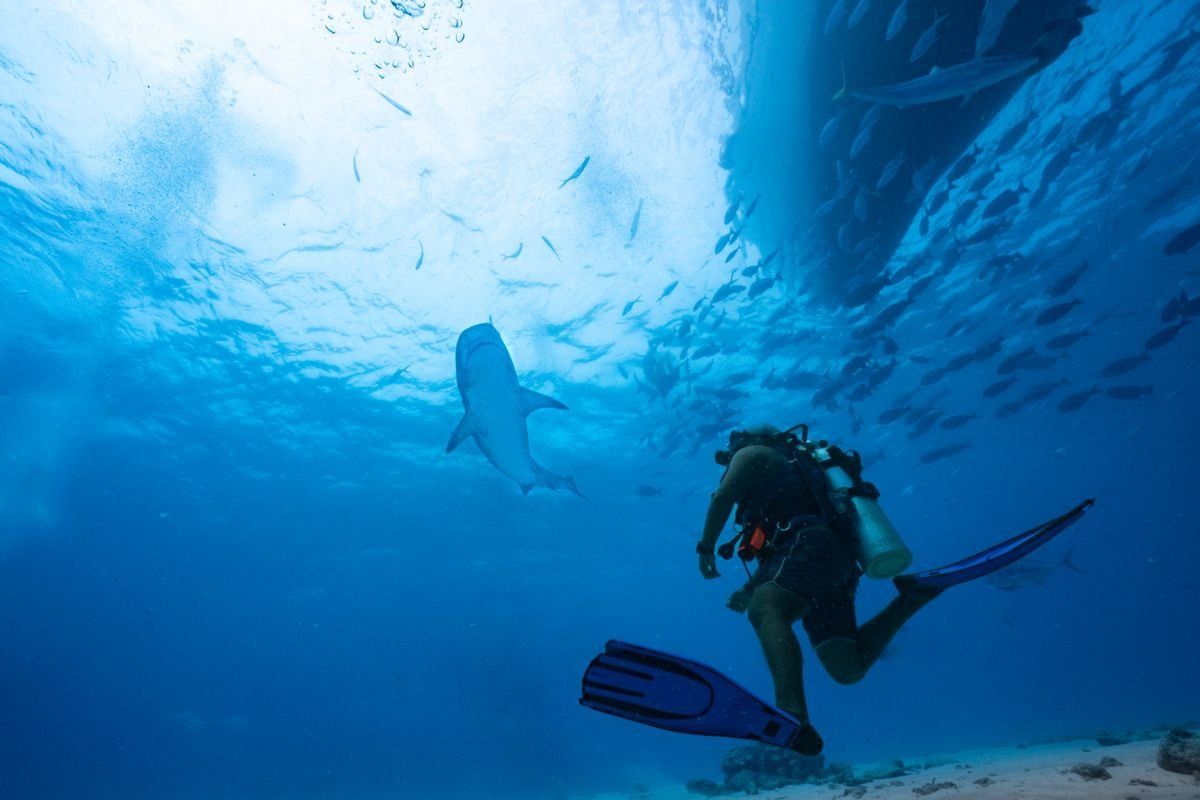
There are trips you remember for the food, others for the sunsets, and then there are the ones you remember because a turtle casually drifted past your mask like it owned the place. Scuba diving belongs to that third category. It turns a holiday into a full-on underwater adventure, with coral gardens, wrecks, caves, and big pelagic encounters all competing for your attention.
Across the globe, some destinations stand out for visibility, biodiversity, reef health, and the sheer variety of dives available. From the famous Great Blue Hole in Belize to the dreamy atolls of the Maldives, these are the places that keep divers updating bucket lists and saying things like “just one more dive” with absolutely no intention of stopping at one.
What makes a scuba diving destination truly special
The best dive destinations combine healthy marine ecosystems, reliable conditions, and sites suited to different experience levels. Visibility, currents, water temperature, and seasonal wildlife all matter, but so does variety: reefs, walls, wrecks, drift dives, and macro life can turn a good trip into a memorable one.
A great dive trip is not only about spotting sharks the size of a small car. It is also about finding the right match for your skills and travel style. Some places are ideal for beginners who want calm water and easy logistics. Others are better for advanced divers who secretly enjoy a briefing that includes the phrase “strong downcurrent possible.”
- Marine life: turtles, rays, reef sharks, whale sharks, nudibranchs, and more
- Conditions: visibility, currents, and water temperature
- Access: shore diving, day boats, or liveaboards
- Experience level: beginner-friendly sites versus advanced-only dives
- Seasonality: some species and conditions are highly time-dependent
Top destinations for unforgettable dives
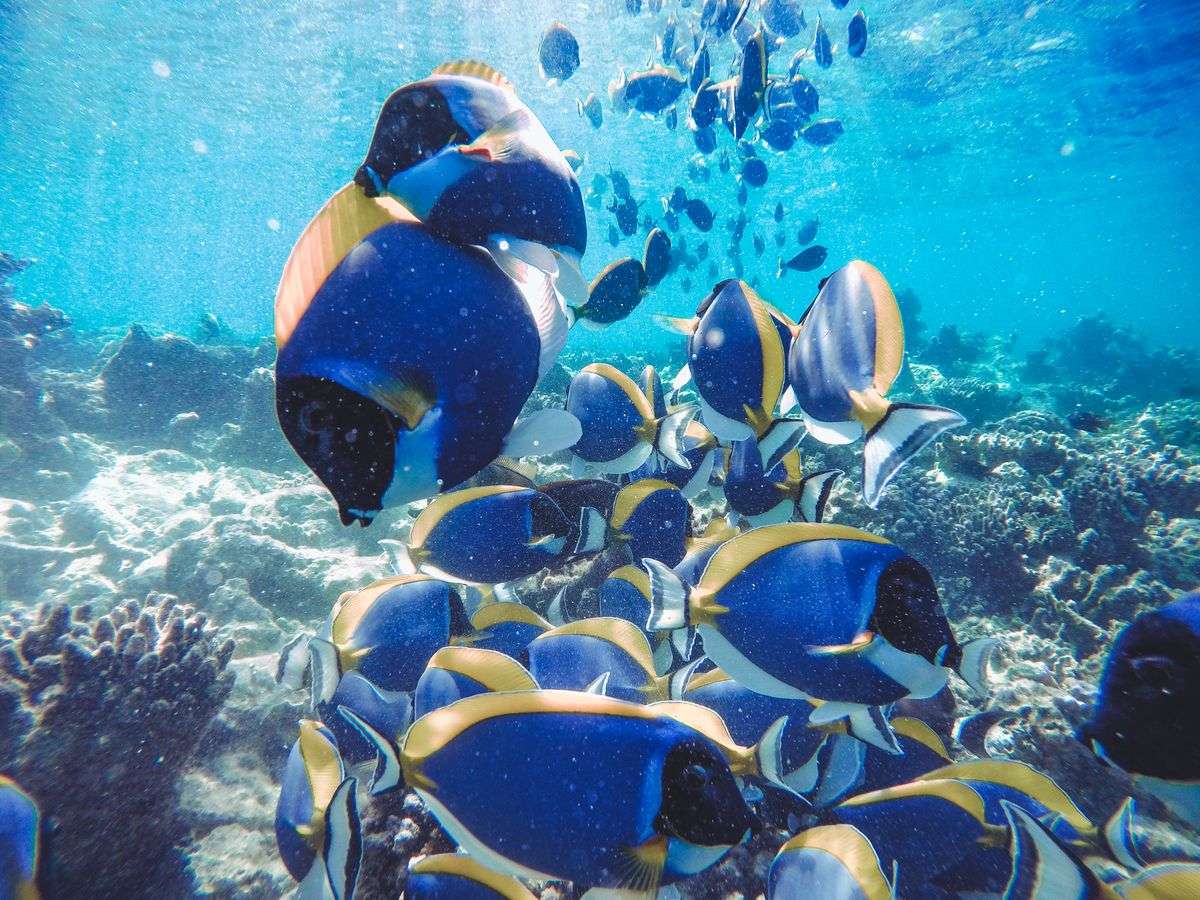
Several regions consistently rank among the world’s finest underwater escapes because they offer exceptional biodiversity, iconic dive sites, and dependable conditions. These destinations cover different styles of diving, from coral atolls and drift dives to blue holes, cavern systems, and thrilling pelagic encounters.
Belize
Belize is one of the Caribbean’s most iconic dive destinations thanks to its barrier reef, marine reserves, and world-famous blue hole formations. It suits both recreational divers and more experienced adventurers looking for dramatic topography and strong reef biodiversity.
The star attraction is the Great Blue Hole, a giant marine sinkhole that has become legendary among divers. But Belize is not a one-site wonder. Hol Chan Marine Reserve and Turneffe Atoll deliver coral gardens, nurse sharks, rays, and excellent visibility. It is the kind of place where even the boat ride feels promising, which is usually a good sign.
Maldives
The Maldives offers classic Indian Ocean diving with channels, thilas, and manta cleaning stations. It is best known for drift dives, large marine animals, and crystal-clear lagoons, making it a strong choice for divers who want both beauty and adrenaline.
From South Ari Atoll to Hanifaru Bay in the right season, the Maldives delivers encounters with manta rays, reef sharks, eagle rays, and sometimes whale sharks. Many trips are done by liveaboard, which means wake up, dive, eat, dive again, repeat. Honestly, it is a very respectable life plan.
Indonesia
Indonesia is one of the most diverse diving countries on Earth, with options for macro lovers, reef enthusiasts, and pelagic seekers. Its size means conditions and styles vary widely, but the quality across major regions is exceptionally high.
Raja Ampat is famous for staggering biodiversity and pristine reefs, while Komodo National Park combines colorful coral with thrilling current-swept dives and manta sightings. Bali adds wreck diving and easy access for mixed-experience groups. In short, Indonesia does not really do “boring” underwater.
Galápagos Islands
The Galápagos is renowned for big animal encounters and challenging conditions. It is best suited to experienced divers who are comfortable with currents, cooler water, and deeper profiles in exchange for some of the most dramatic marine life on the planet.
At sites like Gordon Rocks, Wolf, and Darwin, divers may encounter hammerhead sharks, sea lions, eagle rays, Galápagos sharks, and seasonal whale sharks. This is not the destination for a lazy float near a beach reef. It is more the underwater equivalent of stepping into a wildlife documentary and trying not to squeal through your regulator.
Mexico
Mexico stands out because it offers radically different dive experiences in one country. On one side, the Caribbean brings reefs and cenotes; on the other, the Pacific offers larger pelagic species and more exposed conditions.
In the Yucatán Peninsula, divers can explore surreal cenotes with dramatic light beams and limestone formations. Cozumel is famous for drift diving and healthy reef systems, while Socorro is a remote liveaboard destination known for giant mantas and sharks. Mexico is basically the overachiever of dive travel.
Egypt’s Red Sea
The Red Sea combines easy access, warm water, strong coral coverage, and famous wrecks. It is one of the most reliable regions for divers seeking excellent visibility and a broad range of sites without necessarily crossing half the planet.
Areas such as Sharm El Sheikh, Dahab, and Marsa Alam offer reefs, walls, and shore dives, while advanced divers often look toward Elphinstone or liveaboard routes including Brothers and Daedalus. Add in the SS Thistlegorm, and wreck lovers suddenly get very emotional.
Philippines
The Philippines offers excellent value, warm water, and a huge variety of underwater environments. It is particularly attractive for divers who want reef life, macro critters, and a few standout big-animal experiences on the same trip.
Malapascua is celebrated for early-morning thresher shark sightings, while Moalboal is known for its sardine run and easy reef access. In Coron, wreck divers can explore haunting World War II sites. Few places balance affordability and marine diversity this well.
Compare the world’s standout dive regions
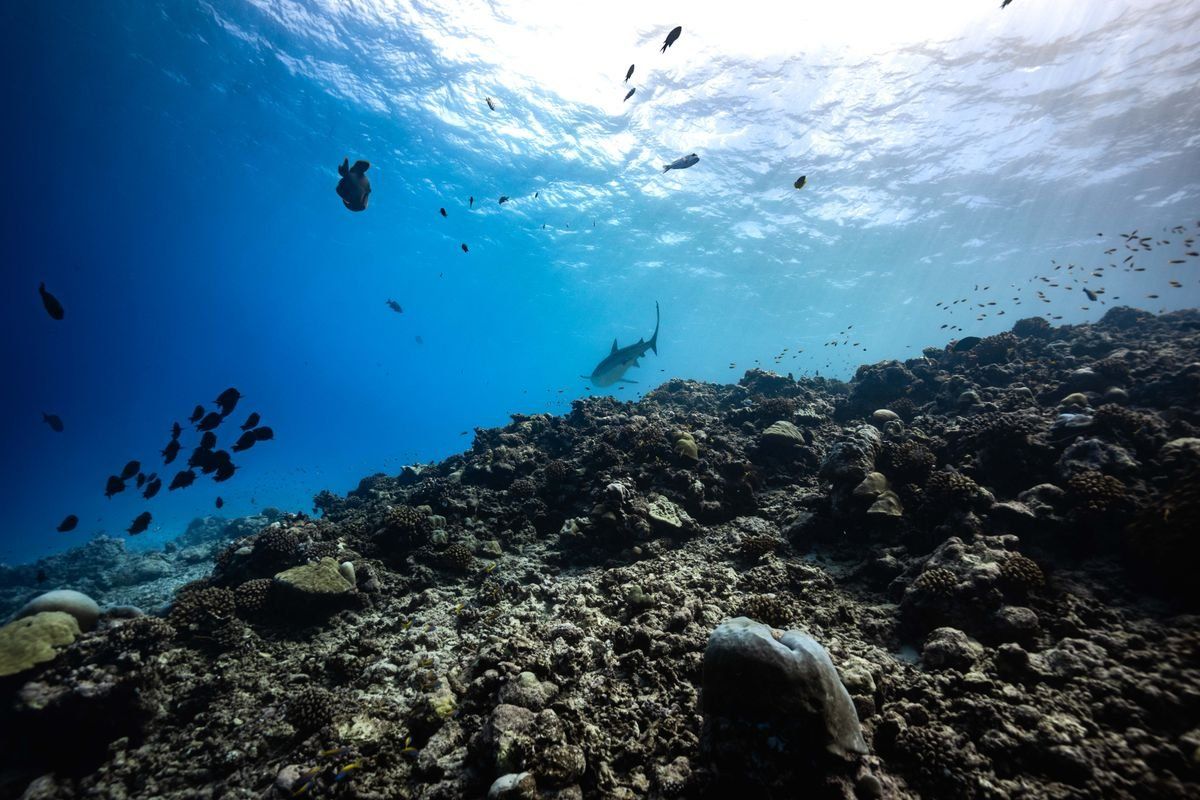
Each destination offers a distinct underwater experience, and comparing them helps narrow down the right trip. The table below highlights key differences in marine life, difficulty, and the best type of travel setup for each location.
| Destination | Best for | Level | Highlights | Ideal trip style |
|---|---|---|---|---|
| Belize | Reefs and blue holes | Beginner to advanced | Great Blue Hole, atolls, sharks, rays | Resort stay + boat diving |
| Maldives | Drift dives and mantas | Intermediate to advanced | Manta rays, whale sharks, channels | Liveaboard |
| Indonesia | Biodiversity and reef health | All levels, depending on area | Raja Ampat, Komodo, macro life | Resort or liveaboard |
| Galápagos | Big animal encounters | Advanced | Hammerheads, sea lions, whale sharks | Liveaboard |
| Mexico | Cenotes and variety | Beginner to advanced | Cozumel, cenotes, Socorro | Road trip + boat diving |
| Red Sea | Coral reefs and wrecks | Beginner to advanced | Thistlegorm, walls, reef systems | Resort or liveaboard |
| Philippines | Value and marine variety | Beginner to advanced | Thresher sharks, sardine run, wrecks | Island hopping |
How to choose the right dive destination for you
The right destination depends on your certification level, comfort in current, and what you most want to see underwater. Budget, travel time, and whether you prefer day boats or liveaboards also shape the best choice.
It helps to start with one simple question: what kind of dive memories are you chasing?
- For beginners: consider Belize, parts of the Red Sea, Bali, or Cozumel.
- For big marine life: choose the Maldives, Galápagos, Socorro, or Malapascua.
- For reefs and biodiversity: look at Raja Ampat, Komodo, or Belize.
- For wreck diving: head to Coron or the Red Sea.
- For unusual geology: pick cenotes in Mexico or blue holes in Belize.
And yes, it is entirely normal to plan a trip around one fish, one ray, or one improbably photogenic turtle. Divers have built entire itineraries on less.
Timing, safety, and practical planning
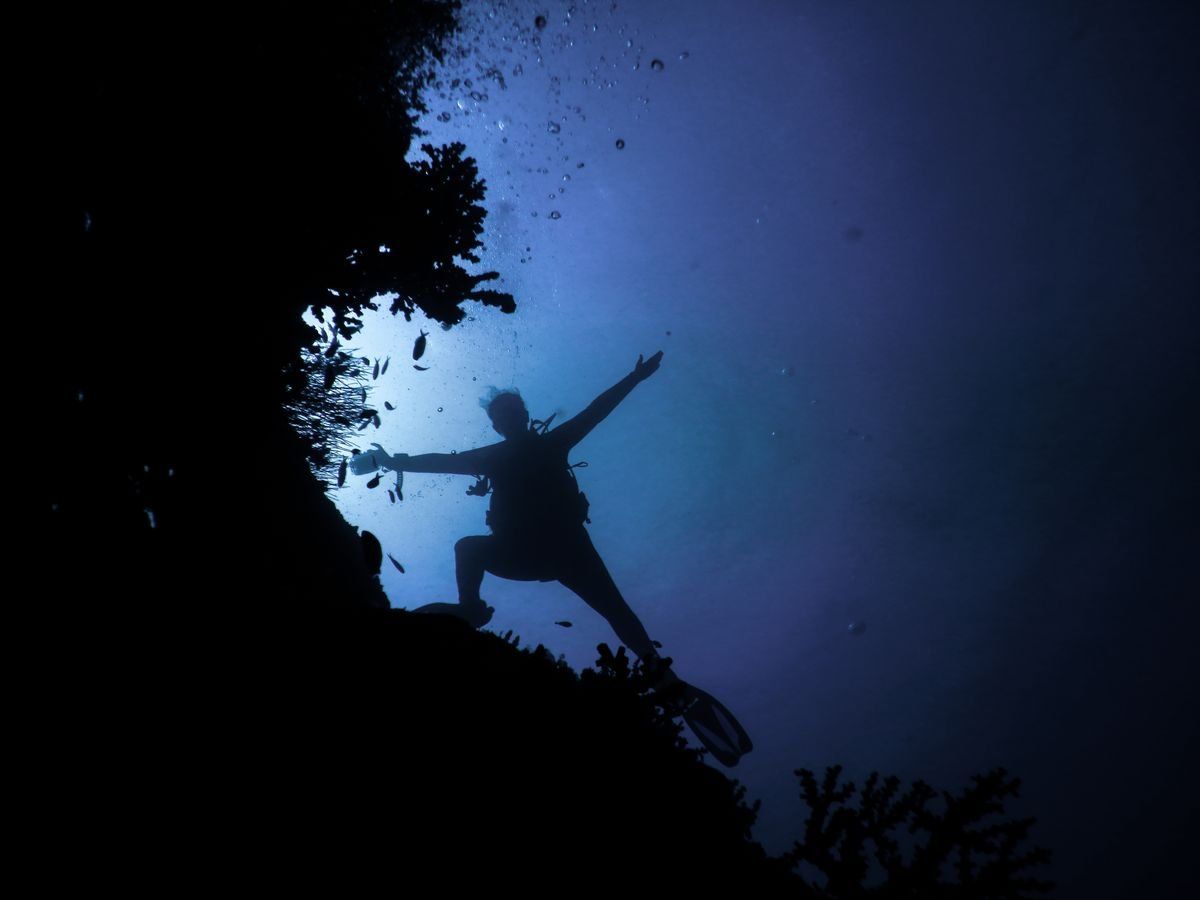
Good planning improves both safety and enjoyment underwater. Seasonal conditions affect visibility, currents, and marine life sightings, while proper training and realistic dive choices help ensure a smoother trip.
A useful concept divers often mention is the 120 rule, which generally refers to limiting the combined depth and bottom time across repetitive dives to reduce fatigue and keep dive profiles conservative. It is not a universal law or a substitute for dive tables and computers, but it reflects a smart principle: avoid pushing limits just because the reef is pretty and your excitement level is somewhere near “golden retriever at the beach.”
- Check the best season for visibility and wildlife in each destination
- Match dives to your certification and recent experience
- Choose reputable operators with strong safety standards
- Consider travel insurance that covers diving activities
- Leave time between your last dive and your flight home
Ready to swap dry land for fins?
The world’s most memorable dive destinations offer far more than pretty coral. They give you close encounters with wildlife, landscapes that feel almost unreal, and that rare travel feeling of being completely present in the moment. Whether your dream trip involves the atolls of the Maldives, the reefs of Belize, or the current-rich waters of Indonesia, the right destination can transform a holiday into a true underwater story.
If you want to pair adventure, group energy, and unforgettable destinations, take a look at WeRoad group trips and find the route that gets you closer to your next big blue obsession.
FAQ
- Where is the cheapest place to scuba dive?
-
Some of the most affordable places to dive are in Thailand, the Philippines, and parts of Indonesia. These destinations often combine low dive prices, budget accommodation, and warm water conditions that are friendly for both new and experienced divers.
- Which beach is best for scuba diving?
-
There is no single best beach for diving, because it depends on what you want to see. For easy reef access, places like Bonaire, Moalboal, and parts of Bali are highly regarded. Shore access, visibility, and reef quality make the real difference.
- What are the top dive sites in the world?
-
Some of the most celebrated dive sites include the Great Blue Hole in Belize, Richelieu Rock in Thailand, Gordon Rocks in the Galápagos, Hanifaru Bay in the Maldives, and the SS Thistlegorm in Egypt. The “best” site often depends on whether you prefer reefs, wrecks, caves, or large marine life.
- When is the best time of year to go scuba diving?
-
The ideal time depends on the destination. The Maldives and Belize are often best in the dry season, while wildlife sightings in places like the Galápagos or Malapascua can be strongly seasonal. Always check local conditions before booking.
- Do I need to be certified to dive in these destinations?
-
For most scuba dives, yes, a certification such as Open Water is required. Some destinations also offer introductory dives for beginners, while advanced sites may require Advanced Open Water, nitrox, or a minimum number of logged dives.