In a nutshell
- Living as a modern nomad means combining remote work with mobility: you need online income, reliable internet, and a routine that supports both productivity and travel, whether you move often or prefer slower stays.
- The safest way to begin is to secure income before departure: remote employment, freelancing, or an online business can all work, but beginners benefit most from stability, savings, and a realistic emergency fund.
- Legal and practical setup matters as much as wanderlust: visas, tax residency, health insurance, banking, and data security should be checked before leaving, because each country applies different rules and thresholds.
- The best first destination is not necessarily the trendiest one: compare cost of living, internet quality, time zones, safety, community, and visa clarity to find a base that makes everyday life easier.
- This lifestyle offers freedom but also demands discipline: the major upsides are autonomy and cultural discovery, while the main risks include loneliness, burnout, unstable income, and blurred work-life boundaries.
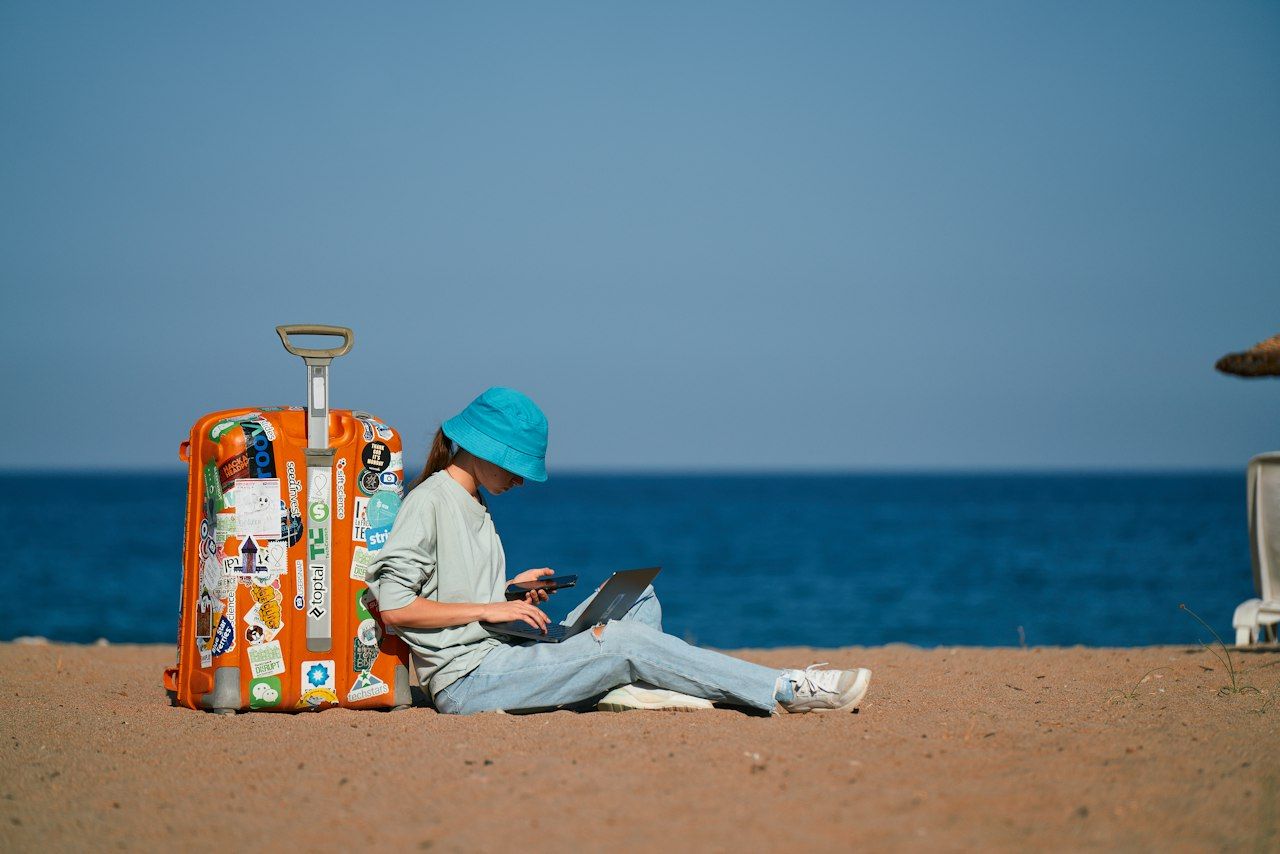
Working from a laptop near the sea sounds glamorous, and sometimes it really is. Other times, it means joining a call while your Wi-Fi performs interpretive dance. Still, for many people, a location-independent lifestyle offers something hard to ignore: more freedom, more flexibility, and a chance to shape work around life, not the other way around.
If you want to travel while keeping an income, the good news is that this path is more realistic than it used to be. The less glamorous news? It takes planning. You need the right job setup, a legal way to stay abroad, reliable tools, and a routine that stops every beach bar from becoming your unofficial office.
What it means to live and work as a modern nomad
A person living this lifestyle works remotely while moving between cities or countries, either full-time or for limited periods. The key elements are location independence, internet-based work, and the ability to manage income without being tied to one office.
That can include freelancers, remote employees, founders, consultants, designers, developers, marketers, writers, and online teachers. Some travel constantly. Others prefer a slower rhythm, staying one to three months in each place. In fact, slow travel is often the smarter option: fewer logistics, better focus, and fewer moments spent asking, “Wait, which country’s charger adapter is this?”
You do not need to sell all your belongings, buy seven linen shirts, and suddenly start journaling on rooftops. You simply need work that can be done online and a practical system that supports your life on the move.
Who qualifies for this lifestyle
You qualify if your income comes from work you can legally perform online without needing to be physically present in a fixed workplace. What matters most is remote income, not a specific age, passport, or job title.
There is no universal global definition, but most people in this category share a few common traits:
- They work online for clients, employers, or their own business
- They can perform their job from different locations
- They depend on stable internet and digital tools
- They spend extended time away from a permanent home base or work office
You may also hear terms like remote worker, location-independent professional, or online freelancer. They overlap, but not always perfectly. Someone can be fully remote and still never leave their hometown. The travel element is what gives the nomadic version its passport stamps and occasional laundry crisis.
How to start: build the income first
The most important step is creating a stable income you can manage from anywhere. Before choosing a dream destination, make sure your work setup is portable, predictable, and realistic enough to support living costs, emergencies, and travel plans.
This is where enthusiasm should meet spreadsheets. Romance is lovely, but rent still wants paying.
Remote employee route
If you already have a job, the easiest path may be to negotiate remote work or find a company with a work-from-anywhere policy. This often offers the most stability, especially for beginners.
Look for roles in:
- Marketing and content
- Customer support
- Project management
- Design and UX
- Software development
- Data analysis
- Operations and recruitment
Freelance or self-employed route
Freelancing gives more flexibility, but usually less financial predictability. It can work well if you already have marketable skills and a client base.
Common freelance fields include:
- Copywriting and editing
- Graphic design
- Web development
- SEO and digital strategy
- Video editing
- Consulting
- Virtual assistance
Online business route
Building a business can eventually offer the most freedom, but usually takes the longest to stabilize. Examples include ecommerce, courses, coaching, affiliate websites, or digital products.
Whichever route you choose, aim for at least three to six months of financial runway before making a major move.
The skills and tools you really need
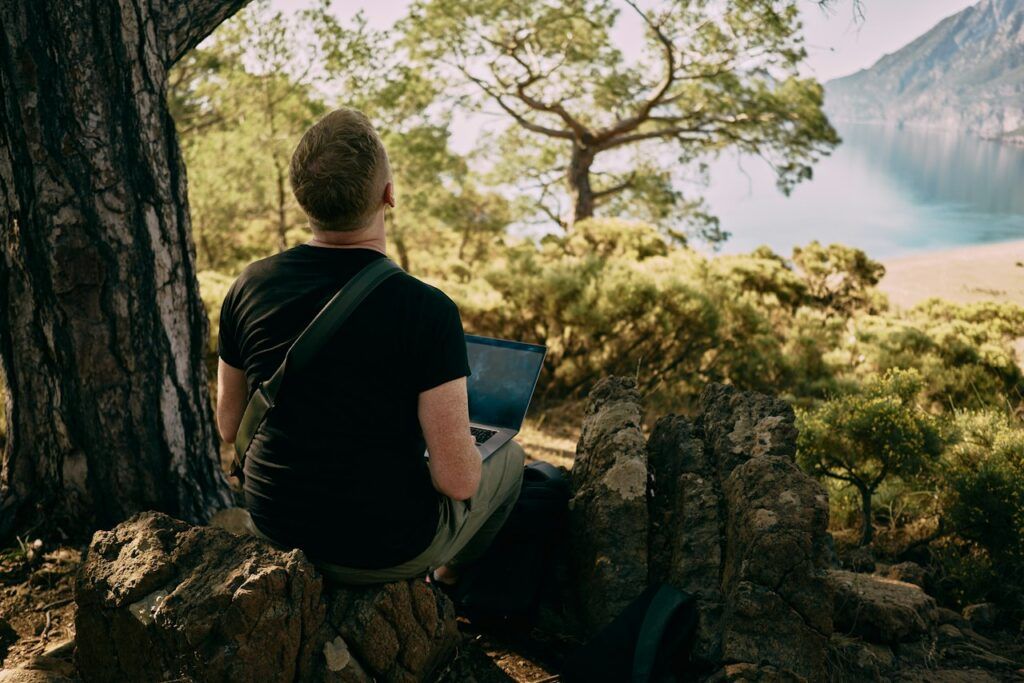
You do not need to be a tech wizard, but you do need strong practical habits. The most useful skills are communication, self-management, time planning, and digital literacy. Fancy productivity apps help, but they cannot rescue a chaotic calendar.
At minimum, set yourself up with:
- Laptop suitable for your work
- Cloud storage for documents and backups
- Communication tools like Slack, Zoom, Meet, or Teams
- VPN for safer browsing on public Wi-Fi
- International banking solutions
- Travel and health insurance
- Local SIM or eSIM for mobile data backup
Also, learn to check accommodation reviews with a suspiciously high level of scrutiny. “Fast Wi-Fi” can mean 200 Mbps. It can also mean “the host once saw a router.”
Visas, taxes, and legality
Before working abroad, you need to understand local rules. Many countries now offer digital nomad visas or remote work permits, but requirements vary widely. Tourist visas are not always the correct legal option for long stays or remote work.
This is the unsexy but essential part. Different countries have different rules for:
- Length of stay
- Minimum income thresholds
- Health insurance requirements
- Proof of employment or business ownership
- Tax residency after a certain number of days
Some destinations are popular because they combine good infrastructure with clear visa options. Others are beloved online but legally murky in practice.
| Country | Why people choose it | Watch out for |
|---|---|---|
| Portugal | Good climate, strong community, solid infrastructure | Rising living costs in major cities |
| Spain | Lifestyle, transport, food, growing remote scene | Regional bureaucracy can be slow |
| Thailand | Affordable living, established nomad hubs, great food | Visa rules can change frequently |
| Mexico | Time zones for the Americas, varied cities, culture | Safety and regional cost differences |
Always verify current rules through official embassy or government sources. Visa advice from a random forum post written at 2:13 a.m. in 2023 should not run your life.
How to choose the best country for your first base
The best destination depends on your job, budget, passport, and personal routine. For most beginners, the ideal first base is not the most exotic place on the map. It is the place where daily life feels manageable, productive, and safe.
Focus on these factors:
- Cost of living relative to your income
- Internet reliability and coworking access
- Time zone fit for clients or your team
- Visa clarity and length of stay
- Safety and healthcare access
- Community and social opportunities
- Climate and lifestyle preferences
For a first experience, many people prefer cities with established remote-work communities, where it is easier to find coworking spaces, meetups, and practical information. A gentle landing beats a dramatic one, especially when your first overseas task is figuring out why your bank app suddenly thinks you live on Mars.
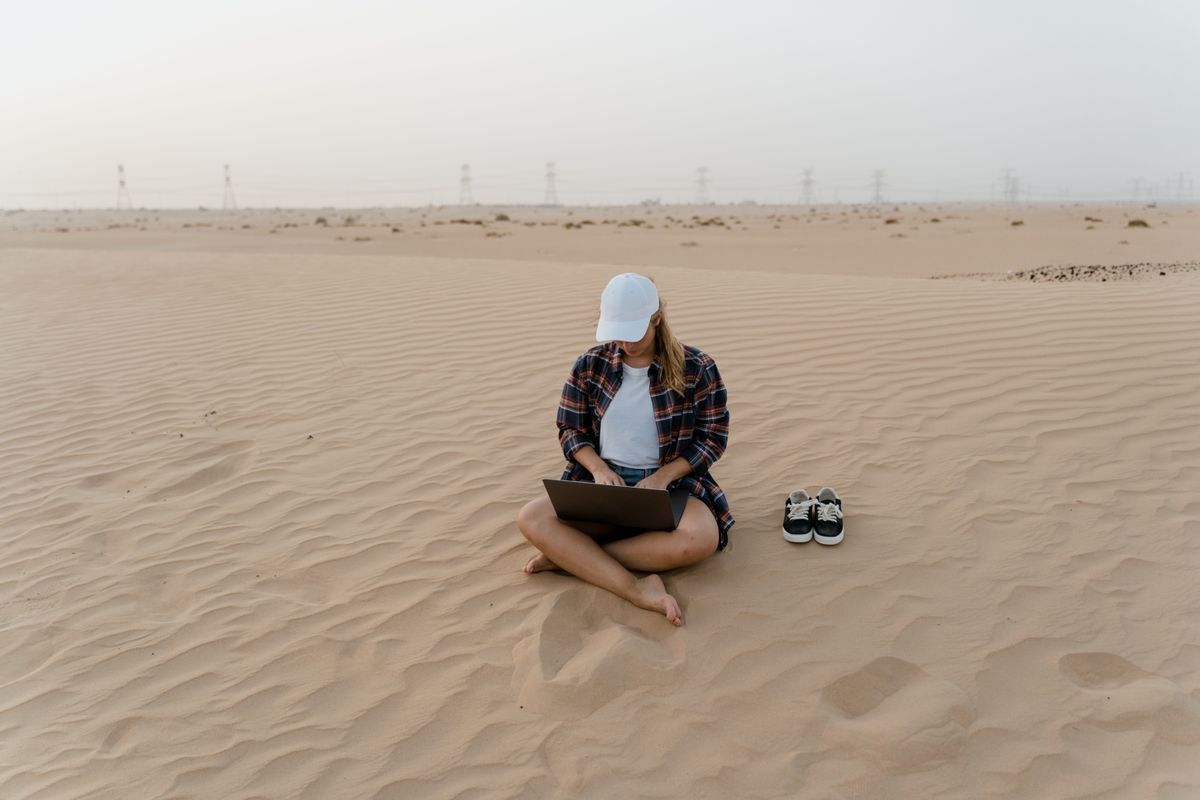
The pros and challenges you should expect
This lifestyle offers freedom and flexibility, but it also requires discipline, resilience, and planning. The biggest rewards often come from autonomy, while the biggest difficulties usually involve loneliness, bureaucracy, unstable routines, and work-life boundaries.
Main benefits
- Freedom of location and schedule
- Potentially lower living costs
- Exposure to new cultures and people
- Greater control over your daily rhythm
- Opportunities for personal growth
Main challenges
- Loneliness and relationship strain
- Burnout from constant movement
- Visa and tax complexity
- Inconsistent income if freelancing
- Time-zone stress and poor boundaries
The dream is real, but so is admin. Sometimes the highlight of your week is a sunset over the ocean. Sometimes it is finally finding a chair that does not destroy your back. Both matter.
A realistic beginner plan
The best way to begin is to test this lifestyle gradually. Start with a short stay in one destination while keeping your workload stable. This reduces risk and helps you understand whether the day-to-day reality fits your personality and goals.
- Secure remote income or portable clients
- Save an emergency fund for at least 3 months
- Choose one beginner-friendly destination
- Book accommodation with verified internet
- Sort insurance, banking, and phone data
- Research visa and tax implications
- Stay for 4 to 8 weeks before moving again
- Track spending, productivity, and wellbeing
This trial phase tells you more than endless online research ever will. Some people discover they love the rhythm immediately. Others realize they prefer one or two work-travel months per year. That still counts as a win.
Your next move
Becoming a location-independent worker is possible for more people than ever, but it works best when you treat it like a life design project, not a spontaneous personality makeover. Build the income, understand the legal basics, start slow, and choose places that support both work and adventure.
And if you want a taste of the world before planning your own remote-work chapter, discover WeRoad group trips and find inspiration for your next destination.
FAQ
- What qualifies someone as a location-independent worker?
-
A person generally qualifies if they earn money through work that can be done online and are able to live temporarily in different places without needing a fixed office. The core requirements are remote income, digital tools, and mobility.
- What is another word for people who work while traveling?
-
Common alternatives include remote worker, location-independent professional, online freelancer, or remote entrepreneur. The exact term depends on the person’s work model and whether they travel regularly.
- What is the average age of people living this lifestyle?
-
There is no fixed average worldwide, but many surveys place the typical age in the 30s. That said, there are plenty of younger freelancers, mid-career professionals, and even families working remotely while traveling.
- What is the best country for a beginner?
-
There is no universal best choice. Portugal, Spain, Thailand, and Mexico are often recommended because they combine infrastructure, community, and lifestyle advantages. The right pick depends on budget, visa rules, time zones, and work needs.
- Can you start without freelancing?
-
Yes. Many beginners start as remote employees rather than freelancers. If your employer allows location flexibility, that can be one of the easiest and most financially stable ways to begin.
- Do you need a special visa to work remotely abroad?
-
In many cases, yes, or at least you need to confirm what local law allows. Some countries offer dedicated remote-work visas, while others have stricter rules. Always check official government sources before traveling.