
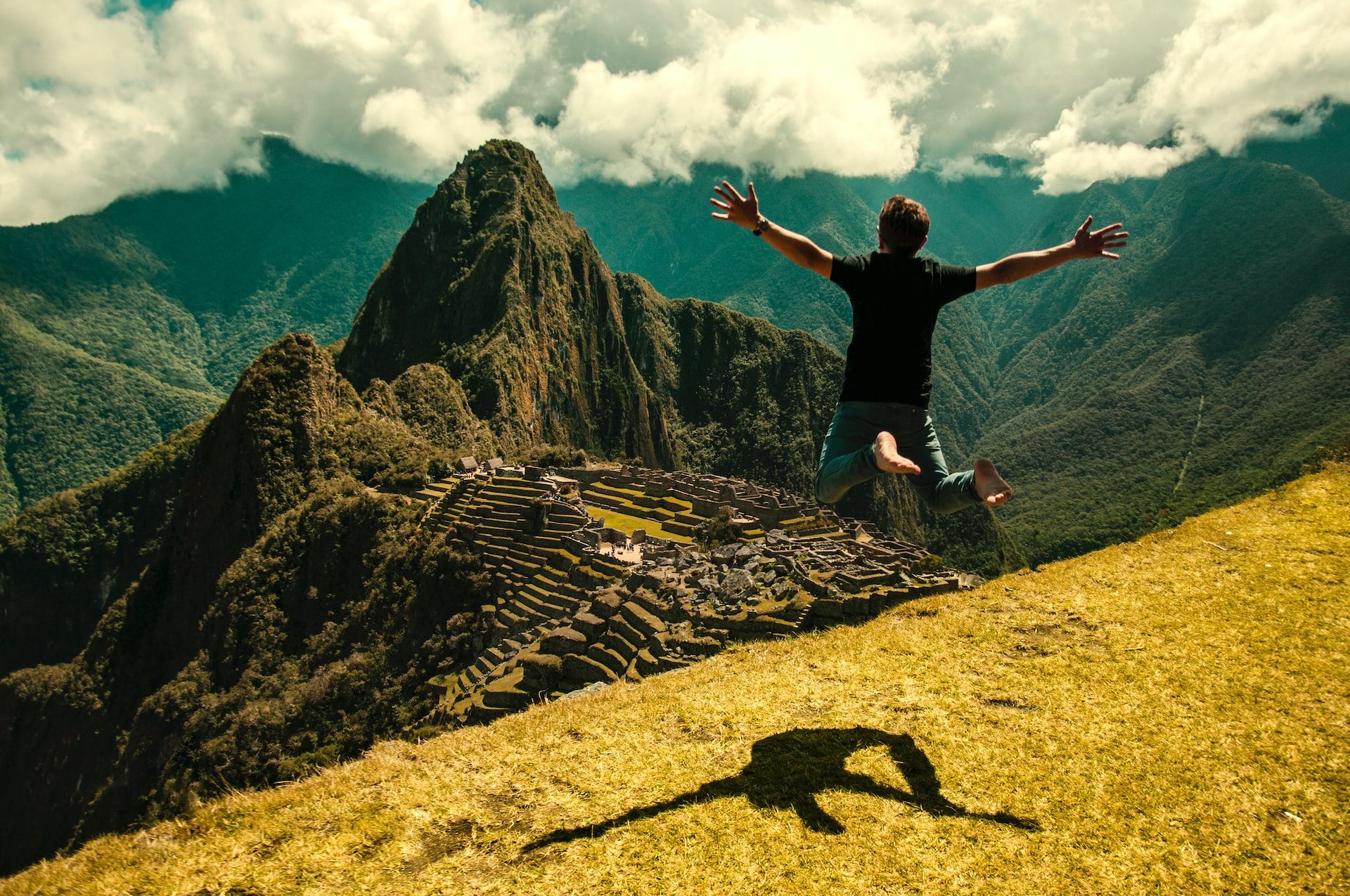
In a nutshell
- Follow the right order | Land in Cusco, head straight to the Sacred Valley, visit Machu Picchu, then return to Cusco, this reduces altitude sickness and makes logistics easier.
- Allow 7–10 days | 7 days covers the essentials at a good pace; 10 days adds breathing room for acclimatization, markets, and slower mornings.
- Don’t skip the Sacred Valley | Ollantaytambo, Moray, and the Maras salt mines are highlights in their own right, not just a stopover on the way to Machu Picchu.
- Book early, carry cash | Machu Picchu tickets and trains sell out fast, especially May–September. Always have soles on hand for markets and taxis.
If you’re planning a Peru itinerary focused on Machu Picchu, Cusco, and the Sacred Valley, the smartest route is simple: land in Cusco, acclimatize slowly, sleep in the valley before Machu Picchu, and end in Cusco. This order reduces altitude stress, saves time, and makes the trip far more enjoyable.
Peru is one of those destinations that makes you feel like you should have packed three extra camera batteries, a larger appetite, and perhaps a second pair of lungs. Between ancient Inca sites, mountain towns, cobbled streets, markets, llamas who clearly think they own the place, and one of the most iconic archaeological sites in the world, this route gives you the greatest hits without turning your holiday into a competitive speed-walking event.
Below you’ll find a practical, first-timer-friendly itinerary, tips on altitude, transport, where to sleep, and how to make the most of every stop without needing a vacation after your vacation.
Why this Peru itinerary works
This itinerary works because it follows the geography and altitude of southern Peru in a logical way. You begin gently, spend time in the lower-altitude Sacred Valley, visit Machu Picchu with less rushing, and return to Cusco after your body has had time to adjust.
Many travelers make the classic mistake of landing in Cusco and immediately trying to do everything at once. The result? Headaches, fatigue, and the romantic realization that stairs have suddenly become personal enemies. A better plan is to slow down at the start, let the Andes introduce themselves politely, and then dive into the big highlights.
This route is ideal if you have 7 to 10 days in Peru and want to focus on culture, landscapes, food, and iconic ruins instead of cramming in Lima, the Amazon, Rainbow Mountain, and fourteen emotional breakdowns in bus stations.
The best 7-day Peru itinerary
If you have one week, focus only on Cusco, the Sacred Valley, and Machu Picchu. It is enough time to see the essential highlights at a comfortable pace, especially if you keep travel logistics simple and avoid packing every day with long transfers.
- Day 1: Arrive in Cusco, transfer to Sacred Valley
- Day 2: Explore Pisac or Ollantaytambo slowly
- Day 3: Sacred Valley highlights: Moray, Maras, Ollantaytambo
- Day 4: Train to Aguas Calientes
- Day 5: Visit Machu Picchu, return to Cusco or Ollantaytambo
- Day 6: Explore Cusco
- Day 7: Sacsayhuamán, San Blas, departure
This version keeps things realistic. You still get the wow moment at Machu Picchu, the history of Cusco, and the scenic beauty of the Sacred Valley, but without treating your suitcase like a relay baton.
A more relaxed 10-day version
If you have 10 days, add extra nights in Cusco and the Sacred Valley. This gives you more flexibility for acclimatization, slower mornings, better train timing, and optional activities like markets, museums, cooking classes, or a light day hike.
Here is a comfortable 10-day outline:
- Day 1: Arrive in Cusco, transfer to Urubamba or Ollantaytambo
- Day 2: Rest and acclimatize in the Sacred Valley
- Day 3: Chinchero, Moray, Maras salt mines
- Day 4: Ollantaytambo ruins and town
- Day 5: Train to Aguas Calientes
- Day 6: Machu Picchu visit
- Day 7: Return to Cusco, easy evening in San Blas
- Day 8: Cusco historic center, Qorikancha, San Pedro Market
- Day 9: Sacsayhuamán and nearby ruins
- Day 10: Departure or extra cultural activity
With 10 days, Peru stops feeling like a checklist and starts feeling like a trip. You can have long lunches, browse markets properly, and stare dramatically at mountain views as if you are in a very expensive documentary.
Where to stay: Cusco or Sacred Valley?
The best strategy is to stay in both. Spend your first nights in the Sacred Valley to acclimatize more gently, then move to Cusco after visiting Machu Picchu. This split stay improves comfort and helps reduce unnecessary early-morning transfers.
Travelers often wonder whether to base themselves only in Cusco. It’s possible, but not always the smartest move. The valley towns are lower in altitude and closer to key sites and train stations.
| Base | Best for | Pros | Things to consider |
|---|---|---|---|
| Cusco | Culture, food, nightlife, museums | Beautiful center, many restaurants, easy sightseeing | Higher altitude, can feel intense on arrival |
| Ollantaytambo | Machu Picchu access, charming town atmosphere | Close to train station, lovely ruins, easier pace | Smaller choice of hotels and nightlife |
| Urubamba | Relaxed stays, resorts, valley location | Lower altitude, quieter, good for rest | Less character than Cusco or Ollantaytambo |
How to handle altitude on your Peru itinerary
The key to managing altitude is to go slowly, drink water, avoid overexertion on day one, and sleep in the Sacred Valley before spending more time in Cusco. For most travelers, that alone makes a noticeable difference.
Cusco sits at around 3,400 meters, while parts of the Sacred Valley are lower. That may not sound dramatic on paper, but your body may react as if it has just been informed of an unexpected mountain-related betrayal.
- Take it easy on arrival and skip strenuous activity on day one
- Hydrate well before and during the trip
- Avoid heavy meals and too much alcohol at first
- Sleep in Ollantaytambo or Urubamba before returning to Cusco
- Carry altitude medication if recommended by your doctor
Coca tea is common, hotels often offer it, and yes, you will probably try it at least once. Whether it becomes your new personality trait is entirely up to you.
Sacred Valley highlights you should not skip
The essential Sacred Valley stops are Ollantaytambo, Moray, Maras salt mines, and, if time allows, Pisac or Chinchero. Together they offer the best mix of Inca engineering, scenery, local culture, and manageable travel times.
Ollantaytambo
Ollantaytambo is one of the most rewarding stops in the region because it combines a living Inca town, a major archaeological site, and practical access to the train for Machu Picchu. If you only choose one valley base, this is often the best one.
The ruins are steep but absolutely worth it. The views over the valley are excellent, and the town itself is charming without feeling overly polished. It’s the sort of place where you plan to “just walk around for half an hour” and somehow emerge two coffees and twelve photos later.
Moray
Moray is famous for its circular terraces, believed to have been used by the Incas for agricultural experimentation. It is visually striking, historically fascinating, and easy to combine with Maras on the same half-day or full-day outing.
It’s one of those places that looks almost too geometric to be real. You arrive, look down into the terraces, and immediately understand why every itinerary includes it. Even people who usually say “I’m not really into ruins” tend to become suspiciously quiet here.
Maras salt mines
The Maras salt mines are one of the most unique landscapes in the region. Hundreds of salt pools cascade down the hillside, creating a bright patchwork effect that feels completely different from the stone-built archaeological sites nearby.
They are still used today, which gives the site a living, working character rather than a museum feel. Also, if you enjoy edible souvenirs, this is your moment. Suddenly everyone becomes deeply passionate about artisanal salt.
Planning your Machu Picchu day
The best way to visit Machu Picchu is to buy tickets early, stay either in Aguas Calientes or near the Ollantaytambo train station, and avoid trying to do everything in one exhausting day from Cusco. That approach is much smoother and far less stressful.
A few essentials matter a lot here:
- Book entry tickets in advance, especially in high season
- Book train tickets early from Ollantaytambo or Poroy
- Check circuit rules before buying your entrance
- Bring your passport because it is required
- Pack light and dress in layers
If you sleep in Aguas Calientes the night before, your morning is easier. If you stay in Ollantaytambo, the logistics are still very manageable. What you really want to avoid is a same-day mission from Cusco involving an alarm so early it feels morally questionable.
What to do in Cusco after Machu Picchu
After Machu Picchu, spend at least two days in Cusco. The city deserves more than a rushed walk through the center because it combines Inca foundations, colonial architecture, lively neighborhoods, excellent food, and important archaeological sites just outside town.
At first glance, Cusco is beautiful. After a little time, it becomes genuinely magnetic. You wander from the Plaza de Armas into narrow streets, end up in San Blas, find a café with a balcony view, and begin casually checking whether remote work from the Andes counts as a life plan.
Top experiences include:
- Plaza de Armas and the historic center
- San Blas for artisan shops and cafés
- Qorikancha, once one of the most important Inca temples
- San Pedro Market for local food and atmosphere
- Sacsayhuamán for massive stonework and panoramic views
Practical tips for a smoother Peru itinerary
A smooth Peru trip depends on pre-booking the essentials, keeping your route focused, carrying some cash, and leaving room for weather and transport changes. A little planning goes a long way, especially around Machu Picchu and train logistics.
- Book Machu Picchu and trains early, especially from May to September
- Carry cash in soles for markets, taxis, and small purchases
- Use layers because mountain weather changes fast
- Choose a focused route instead of trying to see all of Peru at once
- Allow downtime for altitude, delays, and spontaneous discoveries
The best itineraries always leave a little breathing room. In Peru, that means time for viewpoints, a long lunch, an unexpected market stop, or simply standing still while a llama blocks the path and reminds everyone who the real VIP is.
Final thoughts on building your Peru itinerary
The best Peru itinerary for first-time visitors is not the one with the most pins on a map. It is the one that lets you enjoy Machu Picchu, Cusco, and the Sacred Valley at a pace that feels exciting but sustainable.
If you plan well, this route delivers everything people dream about when they imagine Peru: dramatic mountain scenery, extraordinary history, living culture, memorable food, and that surreal first glimpse of Machu Picchu that somehow still exceeds expectations. Not bad for one trip, really.
If you want to experience this destination with like-minded travelers, discover the WeRoad group trips to Peru and start planning your next adventure.
FAQ | Peru itinerary
- How many days do you need for a Peru itinerary focused on Machu Picchu, Cusco, and Sacred Valley?
-
Ideally 7 to 10 days. Seven days covers the essentials, while 10 days allows a more relaxed pace and better altitude acclimatization.
- Is it better to stay in Cusco or the Sacred Valley first?
-
For most travelers, it is better to stay in the Sacred Valley first because the lower altitude can make acclimatization easier before spending more time in Cusco.
- Can you visit Machu Picchu as a day trip from Cusco?
-
Yes, but it is tiring and less efficient. Staying in Ollantaytambo or Aguas Calientes usually makes the experience smoother and more enjoyable.
- What is the best town to stay in for visiting Machu Picchu?
-
Ollantaytambo is a great base for train access and atmosphere, while Aguas Calientes is the most convenient if you want to be closest to the site the night before.
- Do you need to book Machu Picchu tickets in advance?
-
Yes. Entry tickets and train tickets should be booked as early as possible, especially in high season, because availability is limited.