In a nutshell
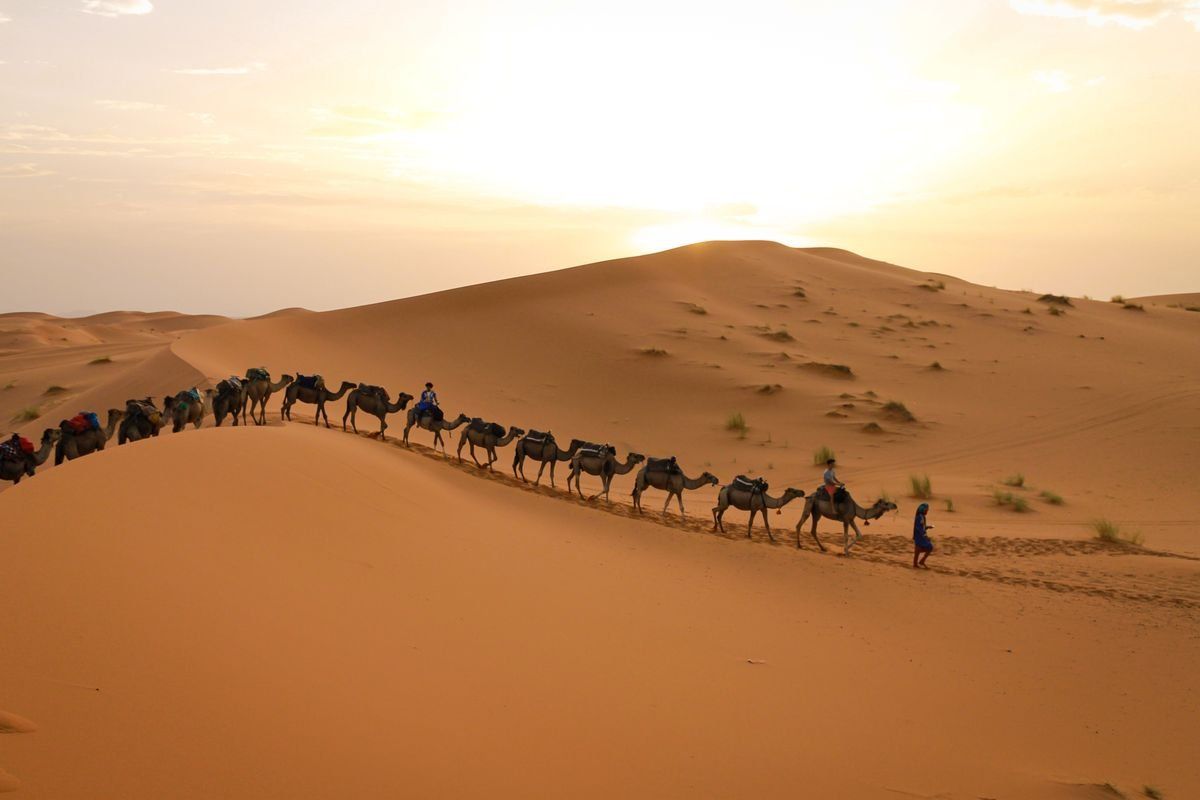
- Spring and autumn are usually the most comfortable seasons for a trip across Morocco, especially if you want to combine imperial cities, desert landscapes, mountain routes and cultural stops without dealing with extreme temperatures.
- Summer is best for the coast and selected mountain areas, while inland destinations such as Marrakech and desert regions can become intensely hot, particularly in July and August, making midday sightseeing far less enjoyable.
- Winter is a smart option for fewer crowds and better value, especially for city breaks, southern itineraries and desert travel, but travelers should expect colder nights, possible rain in the north and snow in the Atlas Mountains.
- The best months for a first trip are often April, May, September and October, because they offer a strong balance of weather, accessibility and flexibility for different routes and experiences.
- Trip length matters almost as much as season: seven to ten days are usually enough for a satisfying first itinerary, while two weeks allow a broader route that includes major cities, the Sahara and either the mountains or the coast.
Morocco is one of those destinations that can be wildly different depending on when you go. In the same trip, you might wander through the souks of Marrakech, sleep under the stars in the Sahara Desert, and breathe crisp air in the Atlas Mountains. Timing matters here more than most people expect.
In general, the most pleasant periods are spring and autumn, especially from March to May and September to October. That said, Morocco is a year-round destination if you match the season to the places and experiences you want. Basically: don’t challenge the desert in August unless you and the sun have signed a peace treaty.
When to go to Morocco at a glance
The most balanced time for a trip is usually spring or autumn, when temperatures are milder across cities, mountains and desert areas. Summer is better for the coast, while winter works well for cultural trips, southern routes and desert landscapes, as long as you pack layers for cold nights.
| Season | Best for | What to expect |
|---|---|---|
| Spring (Mar-May) | Cities, desert trips, hiking | Mild temperatures, blooming landscapes, more visitors |
| Summer (Jun-Aug) | Coast, surfing, mountain escapes | Very hot inland, cooler by the sea, lively beach towns |
| Autumn (Sep-Nov) | All-round trips, Sahara, city breaks | Warm but manageable weather, great light, comfortable touring |
| Winter (Dec-Feb) | Fewer crowds, desert, southern Morocco | Cool days, cold nights, snow in the mountains, possible rain in the north |
Month-by-month guide to Morocco
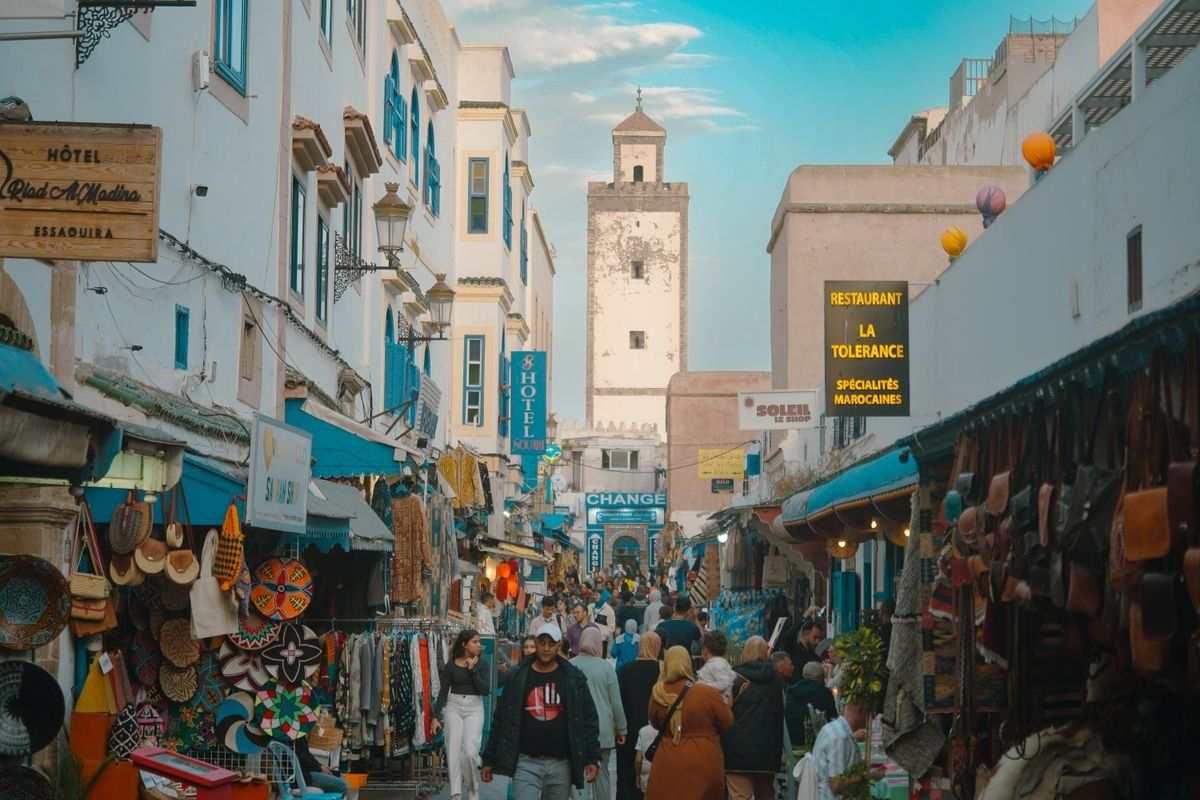
Each month offers different conditions across Morocco, so there is no one-size-fits-all answer. Coastal towns, imperial cities, mountain villages and desert camps can feel like different countries in the same week. The key is choosing the month that fits your travel style, not just the postcard in your head.
January
January is one of the coolest and wettest months, especially in the north. It is a good time for travelers who want fewer crowds, lower prices and clear desert skies, but nights can be very cold and mountain areas may see snow.
This is a solid month for Marrakech, Fes and southern routes if you prefer sightseeing without the shoulder-to-shoulder shuffle. The Sahara is beautiful in winter light, though nighttime temperatures can drop sharply. Bring warm layers: your daytime photos may say “golden escape,” but your evening fingers may say “where are my gloves?”
February
February stays cool, but rainfall usually eases slightly compared with January. It works well for desert experiences, city breaks and winter trekking in some regions, while keeping tourist numbers relatively low.
If you want manageable weather and more breathing room in major sights, February is a smart choice. It can also be a good month for cultural travel with a more local feel. The mountains remain cold, but the contrast between snowy peaks and sunlit valleys is pretty spectacular.
March
March marks the beginning of spring and brings milder temperatures across much of the country. It is one of the most comfortable months for mixing cities, desert landscapes and outdoor activities in a single itinerary.
Landscapes begin to look greener after winter rains, and this is when Morocco starts showing off a bit. Chefchaouen, Marrakech and desert gateways such as Ouarzazate are especially enjoyable. Evenings can still be cool, so don’t pack like it’s midsummer just because the photos look warm.
April
April is among the strongest months for visiting, thanks to warm days, blooming scenery and generally pleasant conditions nationwide. It is ideal for sightseeing, trekking and desert excursions before the hotter months arrive.
This is peak “good idea” season. The Atlas Mountains are excellent for hiking, cities are lively without being unbearable, and the desert is still comfortable enough for camel rides and camp nights. Around Easter and school holidays, however, prices and availability may become less friendly than a mint tea vendor.
May
May offers warm, mostly dry weather and is often considered one of the top months for a trip to Morocco. It suits travelers who want a bit of everything: culture, coast, mountains and desert.
It is often the last reliably comfortable month for the Sahara before summer heat ramps up. The Valley of the Roses is particularly lovely at this time, and cities like Fes and Marrakech are still very doable. Book ahead, because you will not be the only genius with this plan.
June
June begins the hot season, especially inland, while coastal destinations remain much more pleasant. It is a good month for beach towns, surfing spots and mountain escapes, but less ideal for intensive city touring in the interior.
Essaouira, Taghazout and other Atlantic spots come into their own now thanks to breezes and seaside energy. Inland cities can already feel quite hot, especially in the middle of the day. If your ideal holiday includes grilled fish, salty air and not melting into your sandals, June is promising.
July
July is very hot in much of Morocco, particularly in inland cities and desert regions. It is best for coastal travel and selected mountain areas, while travelers sensitive to heat should avoid busy urban itineraries.
Marrakech in July can feel intense, especially in the afternoon. Coastal places like Essaouira and Tangier are much easier to enjoy, and evenings across the country often come alive once the heat fades. Think slow mornings, long lunches in the shade and nightlife that starts when the sun finally calms down.
August
August is typically the hottest month of the year. It is best reserved for the coast, cooler mountain zones and travelers who are comfortable planning around high temperatures.
The desert is generally not the best idea now, unless your holiday dream is being dramatically outshone by a thermometer. Beaches and surf towns are the safest bet, though they can be busy. If you do travel in August, early starts, hydration and shaded breaks are not optional extras.
September
September brings relief after summer, with warmer-than-spring but more manageable temperatures. It is one of the best months for a broad itinerary that includes cities, mountains and some desert areas.
This month hits a sweet spot: the weather improves, summer crowds start to ease, and the sea is still inviting. It is especially good for first-time visitors who want a little of everything. The Sahara can still be hot early in the month, so late September is often the safer bet.
October
October is one of the best times of year for Morocco, with comfortable temperatures, clear skies and excellent conditions for city breaks, hiking and desert adventures. It suits almost every travel style.
If Morocco had a “golden hour” month, this would be a serious contender. Marrakech is more manageable, the Sahara becomes enjoyable again, and mountain trails are in great shape. It is also harvest season in some regions, which means extra color, extra flavor and very little reason to complain.
November
November is cooler and can bring more rain, particularly in the north and along the Atlantic coast. It is still a good time for imperial cities, desert trips and shoulder-season travel with fewer visitors.
The light is lovely, temperatures are comfortable for sightseeing, and places like Rabat, Fes and Meknes feel calmer. The desert starts getting popular again thanks to milder daytime conditions. Just keep a jacket handy, because Morocco in November likes a little unpredictability.
December
December offers a mix of mild sunny days, cold nights and generally thinner crowds outside the holiday period. It is well suited to city escapes, southern itineraries and winter desert experiences.
Late December can get busier around Christmas and New Year, so early booking helps. The High Atlas may see snow, which adds a dramatic backdrop if you are heading south from Marrakech. For many travelers, it is a surprisingly charming time to visit: festive, atmospheric and far less sweaty than summer.
Best season by travel style
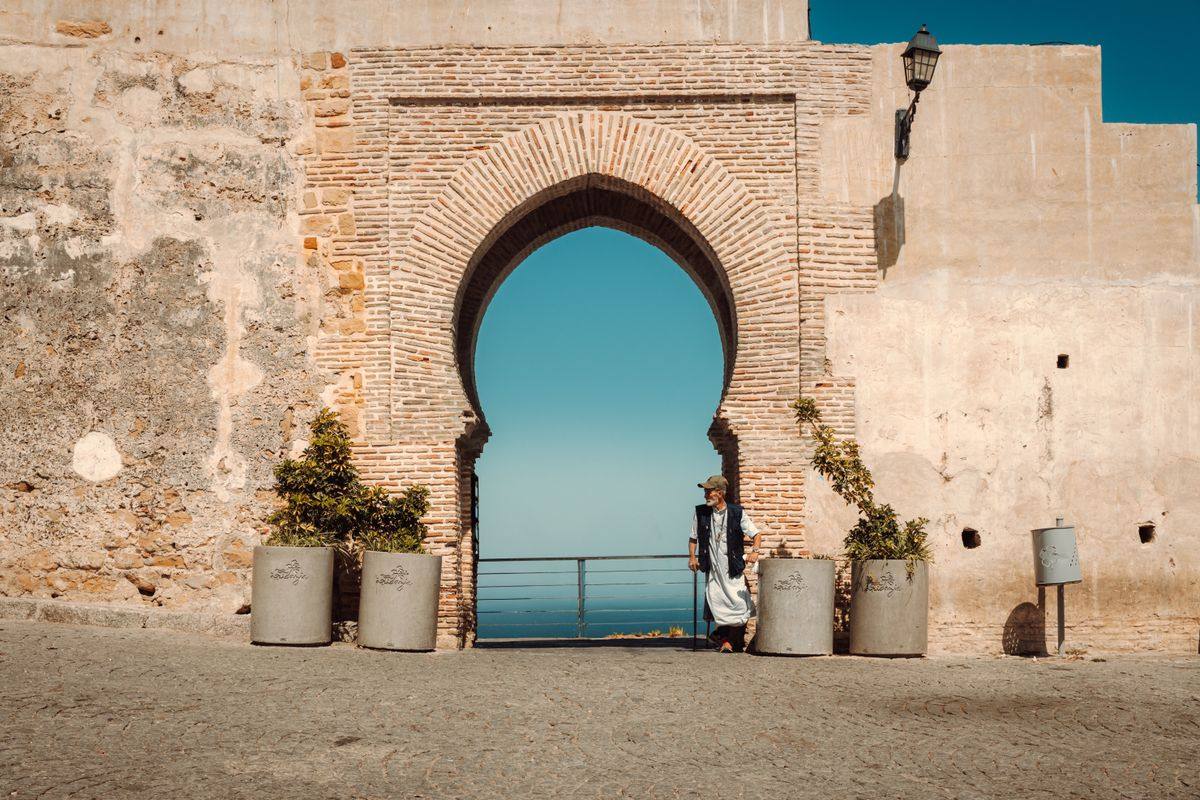
The right moment depends on what you want to do in Morocco. Cities, beaches, hiking trails and dunes all peak at different times, so matching the season to your plans leads to a much smoother trip.
- For cities and cultural touring: March to May, and September to November
- For the Sahara Desert: March to May and October to November
- For the coast and surfing: June to September, with windy conditions in some Atlantic towns
- For hiking in the Atlas Mountains: April to June and September to October
- For lower prices and fewer crowds: January, February and November, excluding holiday peaks
When to avoid Marrakesh
The least comfortable period for Marrakech is usually July and August, when daytime temperatures can become extremely high. Travelers who dislike heat, crowded streets and intense afternoon sightseeing will generally prefer spring or autumn instead.
That does not mean summer is impossible, but it requires a different rhythm. Early mornings, long breaks and late evenings become your best friends. If your dream is to wander all day through medinas and gardens without feeling like a croissant in an oven, choose April, May, September or October.
How many days are enough for Morocco?
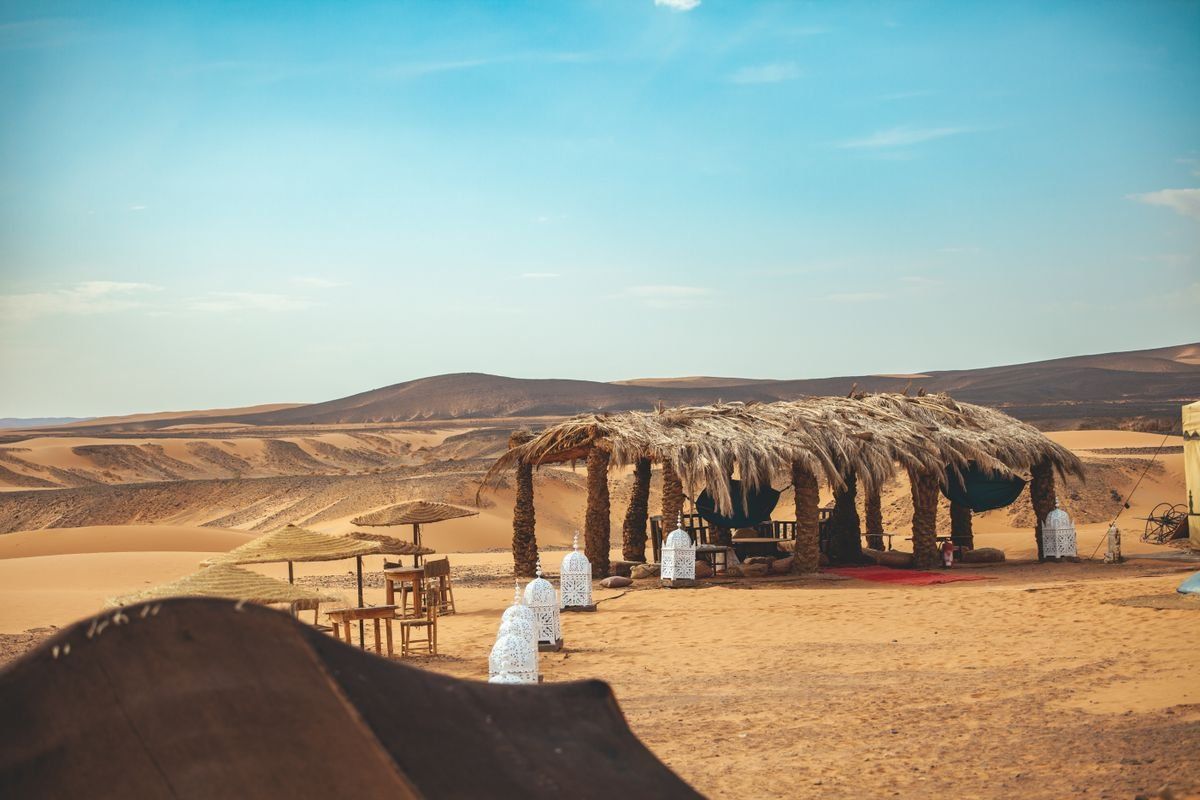
A good first trip usually needs at least seven to ten days to combine cities, landscapes and travel time without rushing. Shorter breaks can work for one region, but Morocco rewards slower itineraries and realistic distances.
For example:
- 5 days: one main base such as Marrakech, with a desert or Atlas add-on
- 7 days: Marrakech, Ait Benhaddou, Sahara and one more stop
- 10 days: a fuller route including Marrakech, Fes, Chefchaouen or the coast
- 2 weeks: ideal for a more complete north-to-south trip
Planning your trip with the seasons in mind
The best period to explore Morocco is usually spring or autumn, but every season can work if you plan around regional weather. The most important thing is building an itinerary that respects distances, temperatures and your travel pace.
Choose spring for all-round comfort, autumn for balance and desert travel, summer for the coast, and winter for quieter city breaks and southern adventures. And if you want to experience Morocco with the right mix of planning, spontaneity and new travel buddies, take a look at the WeRoad group trips to Morocco.
FAQ
- What month is the best to visit Morocco?
-
For many travelers, April, May, September and October are the best months because the weather is generally pleasant across most regions and works well for cities, desert trips and hiking.
- What is the cheapest time to travel to Morocco?
-
The most affordable periods are often January, February and November, outside major holidays. You may find lower prices on flights and accommodation, plus fewer crowds at popular sights.
- Is summer a bad time for Morocco?
-
Not necessarily. Summer is great for the coast and some mountain areas, but it is much less comfortable for inland cities and the Sahara because of extreme heat, especially in July and August.
- When should you skip Marrakesh?
-
If you struggle with high temperatures, it is better to avoid July and August. Spring and autumn are much more pleasant for walking through souks, gardens and historic neighborhoods.
- Can you visit the Sahara all year round?
-
Technically yes, but the most comfortable months are usually March to May and October to November. Summer can be too hot, while winter nights can be very cold.