
In a nutshell
- May, June and September are generally the strongest all-round months, combining milder weather, long daylight, manageable crowds and good conditions for both cities and the Highlands.
- Summer is best for long evenings, island-hopping, hiking and festivals, especially in June and August, but it also brings higher prices, more tourists and more active midges.
- Autumn, particularly late September and October, is ideal for Highland colors, scenic drives, photography and quieter travel, though daylight shortens and some seasonal businesses may close.
- Spring offers one of the smartest value windows, with April and May delivering greener landscapes, fewer queues and a lower chance of intense midge activity compared with high summer.
- Rain is possible year-round, with the west generally wetter than the east; packing waterproof layers is essential in any season, while choosing the right month depends on whether you prioritize festivals, scenery, budget or outdoor activities.
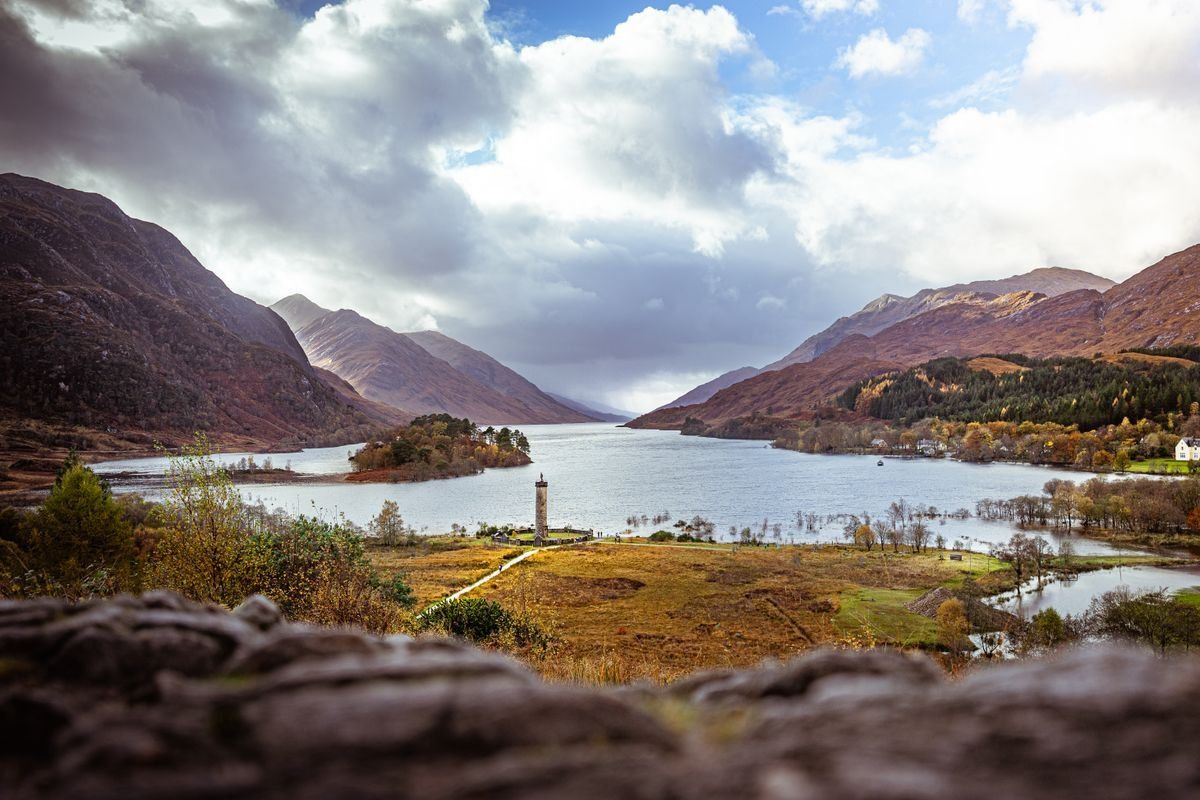
Scotland is one of those places that looks dramatic in almost any weather, which is lucky because the weather likes to improvise. One minute you get golden light over a loch, the next minute your hood becomes your personality. That said, some months are definitely better than others depending on what you want: long days, autumn colors, lower prices, festivals, or a lower chance of becoming a buffet for midges.
In general, May, June and September are the sweetest spots for most travelers. They offer a strong balance of decent weather, long daylight hours, manageable crowds and better conditions for road trips, hikes and city breaks. Summer is lively and bright, while autumn brings quieter roads and those rich Highland tones that make every photo look suspiciously professional.
At a glance: the best period for most travelers
The most reliable window for a trip is late spring to early autumn, especially from May to June and again in September. These months usually combine milder temperatures, good sightseeing conditions and fewer crowds than peak summer.
If you want the short answer, here it is:
- Best overall: May, June and September
- Best for long daylight: June and early July
- Best for autumn scenery: late September and October
- Best for festivals: August
- Best for fewer crowds and lower prices: April, May, late September and October
- Best to reduce midge misery: April, early May and later autumn
Scotland does not really do “perfect weather” in the conventional sense. It does, however, do atmosphere with elite confidence. So the better question is not just when to go, but what kind of Scotland you want to meet.
Scotland by season
Spring: March to May
Spring is one of the smartest times to visit, especially in April and May. Days get longer, landscapes brighten up and popular routes are still relatively calm compared with summer.
This is when Scotland begins to shake off winter and look very pleased with itself. Gardens bloom, hills turn greener, and you can explore cities like Edinburgh and Glasgow without elbowing your way through crowds. May is often considered one of the most pleasant months because it can be drier than autumn, prices are usually softer than summer, and the notorious midge situation is not yet at full battle strength.
Spring is especially good for:
- Road trips through the Highlands
- Castle-hopping without peak-season queues
- Wildlife spotting and coastal walks
- City breaks with crisp but manageable weather
Summer: June to August
Summer is the season for the longest days, the biggest energy and the highest visitor numbers. It is ideal for exploring remote areas, island-hopping and making the most of Scotland’s famous extended daylight.
In June, daylight stretches gloriously late, especially in the north. This means more time for scenic drives, hikes, ferry rides and spontaneous detours because “that viewpoint is only 20 minutes away” and suddenly it is 10:45 pm and still not entirely dark. July and August remain popular, with generally mild temperatures and a packed events calendar.
But summer has trade-offs:
- It is the busiest and often most expensive season
- Accommodation in popular areas books up fast
- Midges are more active, especially in the west Highlands and near water
- August in Edinburgh can be wonderfully chaotic thanks to festival season
If your dream is a classic scenic trip with long evenings and open attractions, summer is a strong pick. If your dream also includes personal space and lower hotel rates, maybe keep scrolling.
Autumn: September to November
Early autumn is excellent for travelers who want color, atmosphere and fewer crowds. September and October are particularly appealing for scenic routes, photography and quieter stays.
This is when the Highlands lean into their most cinematic self: gold forests, purple heather fading into russet tones, misty mornings and light that makes even a roadside sheep look poetic. September still offers decent daylight and relatively mild temperatures, while October brings stronger autumn character.
Autumn works well for:
- Photography and landscape lovers
- Driving itineraries with calmer roads
- Budget-conscious travelers outside peak dates
- Edinburgh and Glasgow without peak-summer intensity
One thing to note: some seasonal businesses, especially in islands and rural areas, start reducing hours or closing later in autumn. Charming? Yes. Slightly inconvenient when you wanted soup at 4 pm? Also yes.
Comparing autumn destinations? See our picks for the best places to visit in October.
Winter: December to February
Winter is best for travelers who enjoy festive cities, moody landscapes and a quieter, more local atmosphere. It is less suitable for broad touring plans that depend on long daylight and fully open seasonal services.
Scotland in winter can be beautiful in a dramatic, windswept kind of way. Edinburgh during Hogmanay is a major draw, and snowy Highland scenes can be magical when conditions cooperate. But daylight is short, weather is more disruptive and rural transport or accommodation options may be reduced.
Choose winter if you want:
- Festive city breaks
- Winter landscapes and cosy pubs
- Lower-season travel outside holiday dates
Month-by-month comparison
The right month depends on your priorities. The table below compares weather feel, crowd levels and key reasons to travel in each period.
| Period | What to expect | Best for | Watch out for |
|---|---|---|---|
| April | Fresh air, longer days, spring color | Quiet sightseeing, road trips | Changeable weather |
| May | Mild weather, fewer crowds, greener landscapes | Best overall balance | Book early for popular routes |
| June | Very long days, pleasant temperatures | Hiking, islands, scenic touring | Growing crowds |
| July-August | Peak season, festivals, lively atmosphere | Events, classic summer trip | Midges, higher prices, crowds |
| September | Milder shoulder season, softer light | Scenery, value, fewer tourists | More variable rain |
| October | Autumn colors, moody landscapes | Photography, quieter travel | Shorter days, seasonal closures |
Midges, rain and other very Scottish matters
Midges are tiny biting insects that can affect summer travel in parts of the Highlands and west coast. Rain is possible year-round, but patterns vary by region, with the west generally wetter than the east.
Let us address the tiny winged villains first. Midge season usually runs from late spring into early autumn, with the biggest annoyance often in June, July and August, especially at dusk, near still water and in the west. They are not everywhere all the time, but when they are around, they arrive like they have received a group invitation.
To reduce your chances of becoming a local delicacy:
- Travel in April, May or September
- Prefer breezier coastal or eastern areas
- Pack repellent and light layers
- Avoid standing still near water at dusk if midges are active
As for rain, it can happen in any month. October is often considered one of the wetter months, and the west Highlands and islands usually get more rainfall than the east. Translation: bring waterproofs, but do not panic. A little drizzle is part of the mood board.
Best time based on your travel style
Different months suit different itineraries. Choosing according to your travel style will give you a better experience than simply aiming for the warmest weather.
For hiking and Highlands road trips
May, June and September are usually the best bets. Trails are more accessible, daylight is generous and conditions are generally better for long scenic days.
For Edinburgh and city breaks
May, June, September and December work very well. August is exciting for festivals, but also crowded and expensive.
Prefer a city with a more local feel? Read our guide to the things to do in Glasgow.
For budget-conscious travel
April, early May, late September and October often offer better value than high summer. Winter can also be affordable outside holiday periods, though with more logistical limitations.
For festivals and cultural events
August is the standout month thanks to the Edinburgh Festival Fringe, the Royal Edinburgh Military Tattoo and many summer events across the country.
For autumn colors
Late September and October are ideal, especially in areas such as Perthshire, Cairngorms National Park and Highland glens.
Looking for more autumn inspiration? Read our guide to the best places to see fall foliage abroad.
So, when should you go?
For most travelers, the best months are May, June and September. They strike the strongest balance between weather, daylight, crowd levels and overall flexibility for exploring the country.
If you want endless daylight and classic summer energy, go in June. If you want a balanced trip with fewer crowds, choose May or September. If your heart belongs to amber forests, soft mist and dramatic Highland scenery, October might be your month.
And if Scotland throws four seasons at you in one day, just nod politely and continue toward the nearest castle, loch or pub. That is not bad luck. That is the full experience.
Want to experience Scotland with a group that’s ready for road-trip views, sudden weather plot twists and a proper pub stop at the end of the day? Discover the WeRoad group trips to Scotland and find the itinerary that matches your season.
FAQ
- How many days are enough to see Scotland?
-
A trip of 7 to 10 days is a good minimum for a first-time visit. It gives you enough time to combine Edinburgh or Glasgow with part of the Highlands, a scenic drive and maybe one island or loch area. If you want a slower pace, 10 to 14 days is even better.
- What month is the rainiest in Scotland?
-
Often, October is considered one of the wettest months, especially in the Highlands and western regions. That said, rainfall can happen in any season, and regional differences matter a lot. The west coast is usually wetter than the east.
- What is the cheapest month to go to Scotland?
-
The cheapest periods are often January, February and parts of the shoulder seasons such as April or late October, excluding holidays and major events. Prices usually rise sharply in August because of festival season and peak demand.
- Are Americans welcome in Scotland?
-
Yes, absolutely. Americans are very welcome in Scotland, and many locals are used to international visitors. As anywhere, being polite, patient and respectful goes a long way. Bonus points if you do not ask every person you meet whether they know your cousin in Boston with “Scottish roots.”
- Is September a good month for Scotland?
-
Yes, September is one of the best times to go. You often get a great mix of milder weather, fewer crowds, beautiful light and more reasonable prices than in peak summer.
- When should I avoid Scotland because of midges?
-
If midges are a big concern, be cautious with June to August, especially in the west Highlands, lochs and sheltered damp areas. For a lower chance of dealing with them, choose April, early May or later autumn.