In a nutshell
- Glasgow stands out for authenticity: it combines Victorian grandeur, industrial history, contemporary creativity, and a famously warm local character, making it one of the most engaging cities in Scotland for travelers who want culture without stiffness.
- The city’s top must-sees include Kelvingrove Art Gallery and Museum, Glasgow Cathedral, the Glasgow Necropolis with its panoramic hillside setting and more than 3,500 monuments, and the mural trail that showcases Glasgow’s strong street-art identity.
- Neighborhood choice shapes the experience: the City Centre is best for first-time convenience, the West End for museums and cafés, the East End for history and raw character, Merchant City for dining and evenings out, and the Southside for parks and local life.
- Glasgow is especially strong for free and affordable travel, with excellent museums such as Kelvingrove, Riverside Museum, and the Burrell Collection, plus parks, historic streets, and self-guided walks that deliver a lot without requiring a big budget.
- The most memorable way to enjoy Glasgow is to mix daytime sightseeing with evening culture: explore museums and landmarks, walk through parks or murals, then end the day with pub atmosphere and live music in a city that truly earns its UNESCO City of Music reputation.
Glasgow doesn’t try too hard to impress you, which is exactly why it does. Gritty, creative, funny, and full of personality, this city wins people over with its music, museums, and warm local energy. If you’re searching for things to do in Glasgow, expect a mix of grand Victorian architecture, free cultural attractions, green parks, and pubs where the night can get gloriously out of hand.
Unlike cities that feel polished within an inch of their life, Glasgow feels real. You come for the landmarks, but you remember the street art, the jokes from locals, the live band in the corner of a pub, and the feeling that the city is always up for one more story. That’s the magic here: a place with edge, soul, and plenty to keep you busy.
What should you not miss in Glasgow?
If you only have limited time, prioritize the city’s essential highlights: Kelvingrove Art Gallery and Museum, Glasgow Cathedral, the Glasgow Necropolis, the street art trail, and an evening of live music. These experiences capture Glasgow’s history, creativity, and personality better than almost anything else.
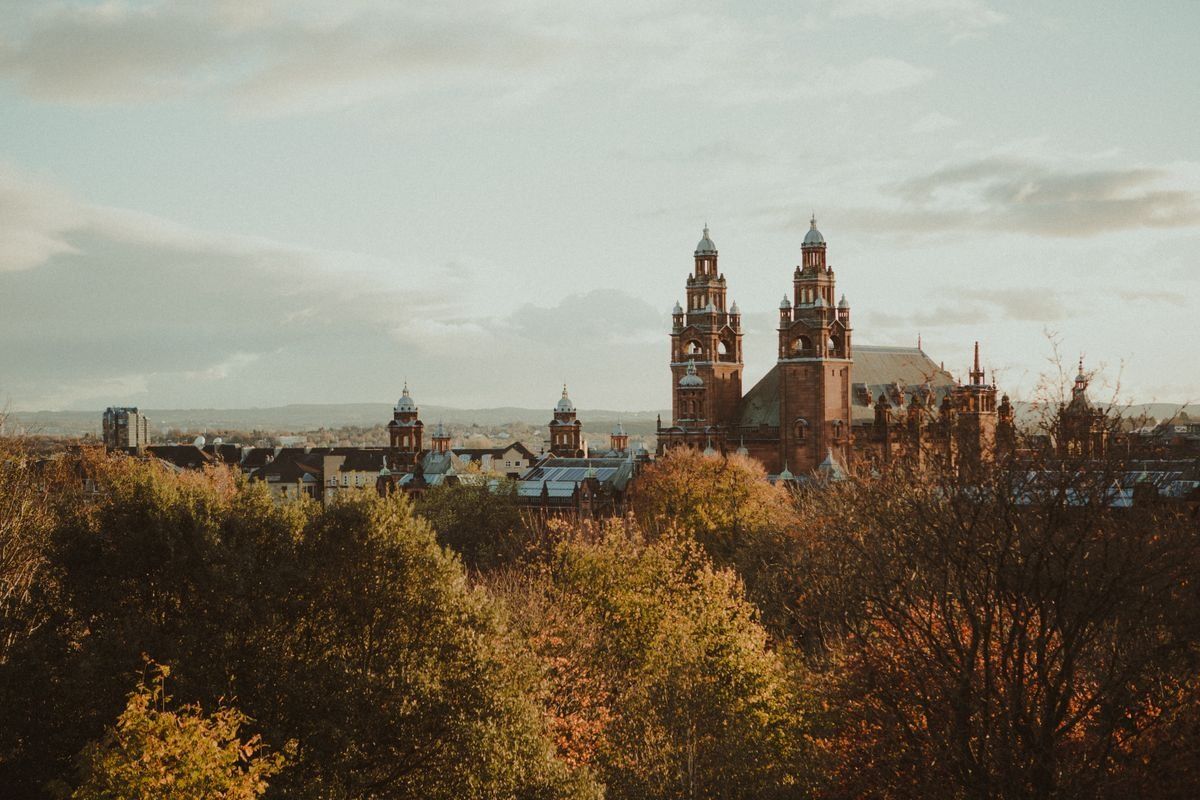
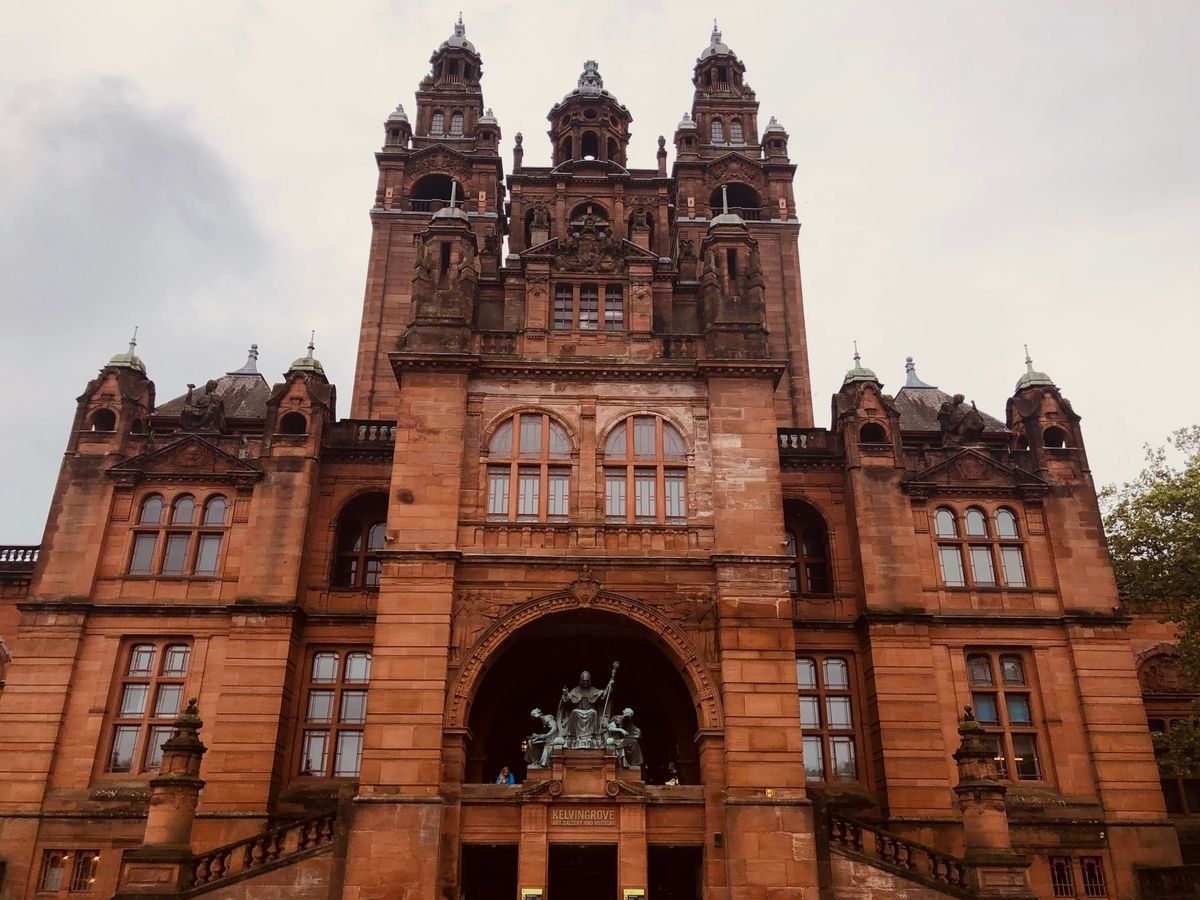
Start with Kelvingrove Art Gallery and Museum, one of the city’s signature attractions and, happily, one that doesn’t ask for your wallet at the door. Inside, you’ll find everything from fine art to natural history, from armor to eccentric curiosities. It’s the kind of museum where you walk in planning an hour and leave wondering where the afternoon went.
Then head east to Glasgow Cathedral, one of Scotland’s most important medieval buildings. The atmosphere here is completely different from the city center’s shopping streets and busy traffic. The cathedral grounds connect you to the oldest layer of Glasgow, and they set up one of the city’s most memorable nearby sights.
That sight is the Glasgow Necropolis, a panoramic Victorian hillside cemetery with more than 3,500 monuments, overlooking the city’s medieval cathedral. It sounds a bit gothic-and-gloomy on paper, but in person it’s beautiful, dramatic, and strangely peaceful. The views over the city are excellent, and the sculptures and memorials make it feel like an open-air museum with a very stylish obsession with angels.
Finally, save time for the City Centre Mural Trail. Glasgow’s street art is not an afterthought here; it’s part of the city’s identity. Giant murals appear between office blocks, under bridges, and around corners, turning a simple walk into a treasure hunt with better photo opportunities than most people’s camera rolls can handle.
Top attractions and neighborhoods at a glance
Glasgow is best explored by area, because each neighborhood offers a different side of the city. The center is practical and energetic, the West End is leafy and stylish, and the East End feels more historic and raw. Picking the right base helps you make the most of your visit.
| Area | Best for | Main highlights | Vibe |
|---|---|---|---|
| City Centre | First-time visitors | George Square, murals, shopping, nightlife | Busy, central, energetic |
| West End | Museums, parks, cafés | Kelvingrove, Botanic Gardens, University of Glasgow | Elegant, youthful, relaxed |
| East End | History and character | Glasgow Cathedral, Necropolis, Barras Market | Historic, gritty, local |
| Merchant City | Food and evenings out | Restaurants, bars, stylish streets | Trendy, social, polished |
| Southside | Local life and green spaces | Pollok Country Park, Burrell Collection | Creative, residential, cool |
Best museums and cultural sights
Glasgow is one of the best cities in the UK for free culture. Many of its top museums cost nothing to enter, and they cover everything from transport and religion to old masters and modern design. This makes the city ideal for curious travelers and rainy-day planners alike.
Kelvingrove Art Gallery and Museum
Kelvingrove is the city’s most famous museum for good reason. It is broad, accessible, and genuinely fun, with major artworks and quirky objects sharing the same grand red-sandstone setting. It works well whether you love museums deeply or just enjoy pretending you do for an afternoon.
The building itself is spectacular, and the collection is even better. Expect fine art, Scottish history, natural history displays, and a few gloriously random exhibits that remind you Glasgow never wants to be too formal. It’s a proper crowd-pleaser.
The Riverside Museum
The Riverside Museum is the city’s transport museum, but that description undersells it badly. It is interactive, family-friendly, and architecturally striking, sitting right on the River Clyde. Even visitors who think they are “not really into transport” often end up loving it.
Vintage cars, trams, locomotives, and recreated streets bring Glasgow’s industrial and social history to life. It’s also a good stop if you want to understand how the city’s shipbuilding past shaped its identity.
The Burrell Collection
The Burrell Collection offers one of Glasgow’s richest art experiences in a greener setting. Located in Pollok Country Park, it combines international art, medieval objects, and decorative pieces in a calm, beautifully designed space away from the center.
It’s ideal if you want a slower pace after the urban buzz. Pair it with a walk in the park and, if luck is on your side, a sighting of the park’s famous Highland cows, who pose for photos like seasoned influencers but with better hair.
Historic Glasgow and iconic landmarks
Glasgow’s history is most visible in its churches, old civic buildings, and Victorian streetscapes. While the city is often associated with music and modern culture, its historic core reveals a much older story shaped by religion, trade, and industry.
George Square is a logical starting point. Surrounded by stately buildings, it gives you a sense of the city’s grandeur and civic pride. Nearby, if you can join a tour, Glasgow City Chambers is worth the detour for its opulent interiors.
In the East End, Provand’s Lordship offers a glimpse of medieval Glasgow. It is one of the city’s oldest surviving houses and a good stop if you enjoy smaller heritage sites that feel a bit more tucked away. Add nearby St Mungo Museum if you want more context around the city’s religious and cultural history.
And yes, you should absolutely seek out the Duke of Wellington statue with the traffic cone on its head. It may not be ancient, solemn, or architecturally life-changing, but it is deeply Glasgow: irreverent, iconic, and impossible to separate from the city’s sense of humor.
What to do in Glasgow for fun?
For fun, Glasgow shines after dark and in its more spontaneous experiences. Live music, comedy, street art walks, vintage markets, football culture, and pub evenings all reveal the city’s playful side. This is not a city that believes fun should be over-curated.
First, lean into the live music scene. Glasgow is a UNESCO City of Music, and this isn’t just tourism-office chest-thumping. From legendary venues like King Tut’s Wah Wah Hut and Barrowland Ballroom to smaller pubs with folk sessions, music is part of the city’s bloodstream.
If you like independent atmospheres, browse the Barras Market area in the East End. Depending on the day, you’ll find market stalls, vintage pieces, local food, and plenty of character. It’s a little rough around the edges in places, but so is Glasgow’s charm. This is not a city wrapped in bubble wrap.
For something lighter, explore the city by following the mural trail, stopping for coffee in the West End, and finishing with a comedy show or pub crawl. Glasgow doesn’t do sterile fun. It does the kind where someone starts singing unexpectedly and, somehow, everyone else seems emotionally prepared.
How to spend one day in Glasgow
With one day in Glasgow, focus on a route that blends major sights with neighborhood atmosphere. The best plan combines culture, history, a scenic walk, and an evening experience. This gives you a strong first impression without spending the day rushing from place to place.
- Morning: Start in the West End at Kelvingrove Art Gallery and Museum.
- Late morning: Walk through Kelvingrove Park and continue toward the University of Glasgow.
- Lunch: Eat in the West End or head to Finnieston for restaurants and casual dining.
- Afternoon: Visit Glasgow Cathedral and walk up through the Glasgow Necropolis.
- Early evening: Return to the center and follow part of the mural trail.
- Night: Finish with live music, a pub, or dinner in Merchant City.
This itinerary works especially well for first-timers because it balances Glasgow’s refined side with its more atmospheric corners. You get museums, architecture, views, and nightlife without needing to sprint like you’re late for a Ryanair gate announcement.
Parks, views, and quieter moments
Glasgow has an impressive amount of green space, and these areas offer a useful break from the city’s busier streets. Parks and gardens also reveal another side of Glasgow: less gritty, more spacious, and often surprisingly elegant.
Glasgow Botanic Gardens is one of the easiest places to unwind, especially if you’re already in the West End. The glasshouses, riverside paths, and surrounding cafés make it a gentle but rewarding stop. Nearby, the University of Glasgow adds dramatic architecture and a slightly Hogwarts-like mood, which never hurts.
Pollok Country Park is another excellent option if you want more room to breathe. It’s large, scenic, and combines culture with nature thanks to the Burrell Collection. For central greenery, Glasgow Green remains a classic place for a walk and a glimpse of the city’s everyday rhythm.
Food, drink, and where Glasgow feels most local
Food and drink are central to the Glasgow experience, not just an add-on between attractions. The city is full of good pubs, modern restaurants, casual cafés, and neighborhood spots where personality matters as much as the menu.
For first-time visitors, Finnieston, the West End, and Merchant City are reliable areas for eating out. You’ll find everything from contemporary Scottish cooking to global cuisine. Glasgow is refreshingly unpretentious about food: quality matters, but nobody minds if you order something comforting and call it cultural research.
- For pubs: Look for traditional spots with live music or whisky lists.
- For trendy dining: Try Finnieston and Merchant City.
- For café culture: The West End is your best bet.
- For local flavor: Venture beyond the obvious central streets.
If you want a classic Glasgow night, keep it simple: a good meal, a pint or whisky, and a live set somewhere intimate. The city handles the rest.
A city that stays with you
Glasgow is not about ticking off landmarks as fast as possible. It is about atmosphere, conversation, music, and discovering that a city can feel both grand and gloriously down-to-earth. Come for the museums and architecture, stay for the humor, the nightlife, and the sense that this place never quite performs for tourists because it doesn’t need to.
If Glasgow sounds like your kind of city, it might be time to discover the WeRoad group trips for this destination and experience Scotland with a crew that’s ready for culture, laughs, and a few unforgettable nights out.
FAQ
- Is Glasgow worth visiting for a weekend?
-
Yes, Glasgow is ideal for a weekend trip. You can cover major highlights like Kelvingrove, the Cathedral, the Necropolis, the West End, and the live music scene in two to three days without feeling rushed.
- What is Glasgow most famous for?
-
Glasgow is most famous for its live music scene, Victorian architecture, free museums, street art, and distinctive local personality. It is also known as a UNESCO City of Music.
- Are many attractions in Glasgow free?
-
Yes, many of Glasgow’s best attractions are free, including Kelvingrove Art Gallery and Museum, Riverside Museum, Glasgow Botanic Gardens, and several other museums and galleries across the city.
- Where should first-time visitors stay in Glasgow?
-
First-time visitors usually do best in the City Centre for easy transport and access to attractions, or in the West End for a more atmospheric stay with cafés, parks, and cultural sights nearby.
- Is Glasgow walkable for tourists?
-
Yes, many central attractions are walkable, especially within the City Centre, Merchant City, and parts of the West End. For longer distances, Glasgow’s subway, buses, and taxis make getting around straightforward.