In a nutshell
- Fall is one of the best seasons to visit the Dolomites thanks to cooler hiking temperatures, quieter trails, and striking golden larch forests that transform valleys, lakes, and mountain passes.
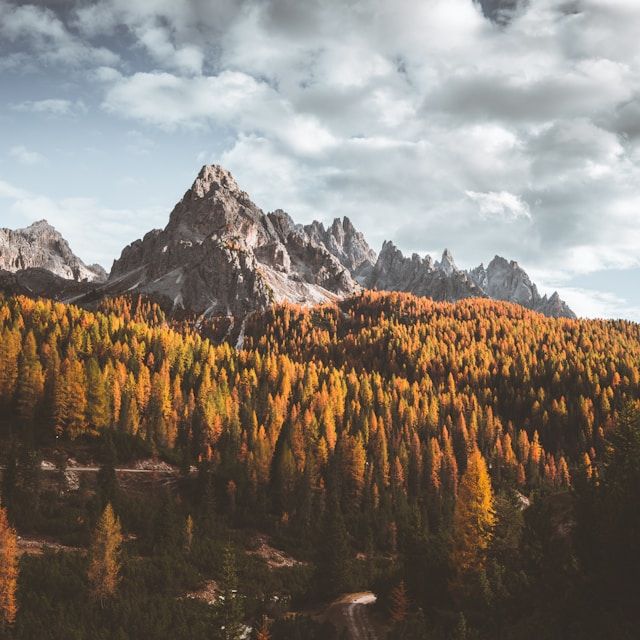
- The best time for fall colors is usually from early to late October, with mid-October often offering the most reliable balance of foliage, open access, and scenic conditions across different elevations.
- Top places for foliage and hiking include Val di Funes, Alpe di Siusi, Lago di Braies, and the passes around Gardena, Giau, and Cinque Torri, each with a different mix of views, trail difficulty, and atmosphere.
- October is especially worth visiting because it combines strong visual appeal with fewer crowds, though late October and November require more flexibility due to possible snow and seasonal closures.
- The best bases include Cortina d’Ampezzo, Ortisei, Santa Maddalena, and Dobbiaco, while successful fall hiking depends on checking closures, packing layers, starting early, and planning around shorter days.
There’s something wildly satisfying about watching the Dolomites swap summer crowds for crisp air, golden larches, and mountain views that look suspiciously over-edited by nature itself. Fall is when these alpine giants slow down, soften in color, and become a dream for hikers, photographers, and anyone who enjoys a dramatic landscape with a side of polenta.
If you’re planning a trip to the Italian Alps between late September and early November, this is one of the most rewarding shoulder seasons to go. You’ll find cooler temperatures, fewer people on the trails, and forests turning bright shades of yellow and orange, especially where the larch trees take over the slopes.
Why visit the Dolomites during fall
Fall is one of the best seasons to experience the Dolomites because it combines scenic hiking conditions, colorful forests, and lighter crowds than summer. The weather can still be excellent, especially in early to mid-October, while the landscapes gain a richer, more cinematic feel.
In practical terms, this season works beautifully for travelers who want more than postcard views. Trails are often quieter, mountain roads feel less chaotic, and famous spots like Lago di Braies or Alpe di Siusi become far more enjoyable. In short: the mountains still bring the drama, but without making you fight half of Europe for a parking spot.
- Cooler hiking temperatures that make longer walks more comfortable
- Golden larch foliage across valleys, passes, and lake shores
- Reduced crowds compared with July and August
- Beautiful light for photography at sunrise and sunset
- More peaceful villages and slower travel rhythm
Best time for fall colors in the Dolomites
The best timing for foliage usually falls between early October and late October, with slight variations depending on altitude, weather, and the first cold nights. Higher areas tend to change earlier, while lower valleys may peak a bit later.
As a rule, mid-October is often the sweet spot. If your goal is to see the brightest colors, this is usually the safest window. That said, mountain weather loves surprises. One week you get glowing forests and blue skies, the next you get mist, fresh snow, and a strong desire for a second espresso.
| Period | What to expect | Best for |
|---|---|---|
| Late September | Early color at higher elevations, mild weather, some services still open | Hiking with more stable access |
| Early to mid-October | Peak larch color in many areas, cool mornings, fewer crowds | Foliage, scenic drives, classic hikes |
| Late October | Strong fall atmosphere, possible snow, shorter days | Photography, quiet travel, dramatic landscapes |
| November | Many closures, faded foliage, more unpredictable weather | Only for flexible off-season travelers |
Where to go for the best foliage and hikes
The most rewarding fall areas in the Dolomites combine open views, larch forests, and manageable trail access. Valleys, alpine meadows, lake circuits, and mountain passes tend to offer the strongest mix of color and scenery.
Some places are famous for good reason, while others shine because they’re easy to reach and stunning in low season. Here are some of the top areas to consider for a fall itinerary.
Val di Funes
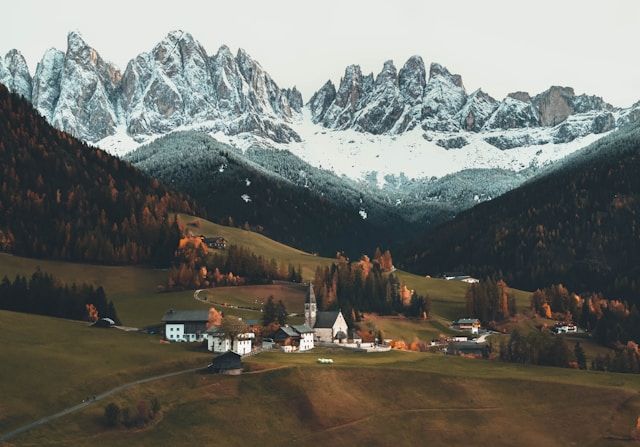
Val di Funes is one of the prettiest valleys in the Dolomites, known for postcard churches, farm meadows, and the sharp peaks of the Odle range. In fall, the mix of golden trees and soft light makes it especially memorable.
This is a great pick if you want scenic walks rather than high-effort hikes. The viewpoints near Santa Maddalena and St. Johann in Ranui are iconic, but the valley also rewards slow wandering, camera breaks, and dramatic pauses where nobody can tell whether you’re emotional or just cold.
Alpe di Siusi
Alpe di Siusi offers broad alpine meadows, scattered huts, and mountain backdrops that feel almost unreal. In fall, the grass turns warm-toned, the larches glow, and the atmosphere becomes much quieter than in peak season.
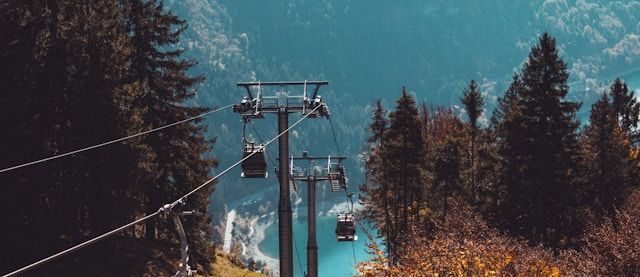
It’s ideal for easy to moderate hikes and panoramic walks. Access rules can be restrictive for cars, so check road and cable car schedules in advance. The reward is a landscape that looks like it was designed by someone with an unhealthy obsession with symmetry.
Lago di Braies
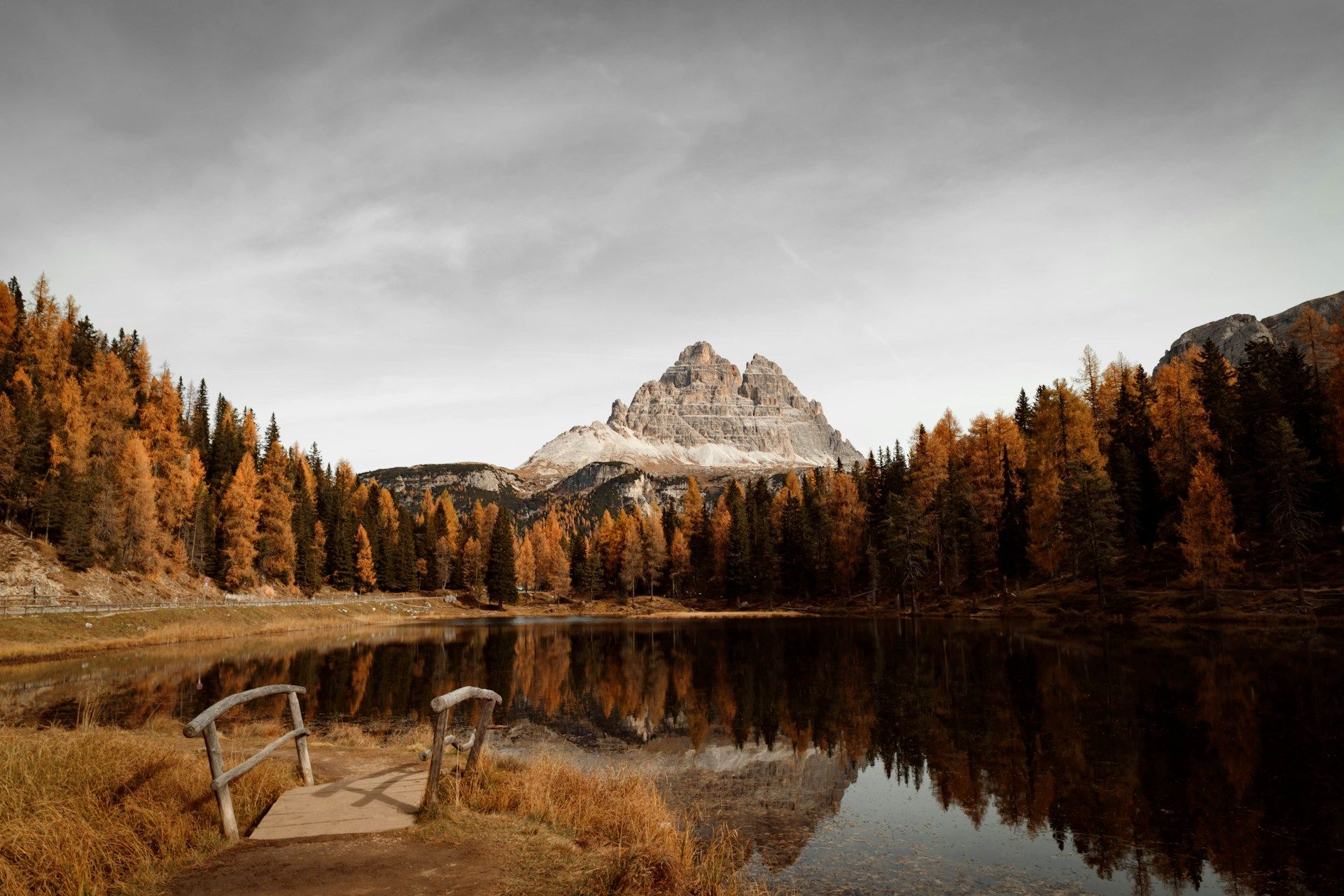
Lago di Braies is one of the most famous lakes in the Dolomites, and fall is one of the best times to enjoy it with slightly less chaos. The surrounding forest often turns golden, and the reflections can be superb in calm conditions.
The loop trail around the lake is easy and scenic, making it a good option for a relaxed day. Early morning is best if you want quieter views. By that point, even the ducks seem more organized than summer tourists.
Passo Gardena, Passo Giau, and Cinque Torri
Mountain passes and open ridgelines are excellent for seeing the contrast between pale rock, dark pines, and yellow larches. Passo Gardena, Passo Giau, and the trails around Cinque Torri are especially scenic in October.
These areas work well for day hikes, short walks, or scenic drives with frequent stops. If you like your landscapes big, your air crisp, and your calves mildly offended, this is your zone.
Is October worth it?
Yes, October is absolutely worth it in the Dolomites. It is often the best month for combining fall color, hiking comfort, and reduced crowds, especially during the first three weeks.
For many travelers, October hits the sweet spot: enough services are still available, the trails remain accessible in many areas, and the scenery is at its most colorful. By late October, conditions become more variable, but that can also mean misty mornings, dusted peaks, and spectacular light. Basically, the mountains become even more photogenic and slightly more unpredictable, like that one friend who always says “let’s just wing it.”
When to avoid the Dolomites
The least practical times are usually the late shoulder seasons when services are closed but winter infrastructure has not fully started. In fall, that often means part of November, when many huts, lifts, and restaurants may be shut.
If you rely on cable cars, rifugios, or public transport, double-check everything before you go. Late fall can still be beautiful, but it requires flexibility. If your dream trip depends on precise logistics and zero surprises, this is not the moment to freestyle.
- Avoid late November if you want foliage and broad trail access
- Check lift and hut closures from late September onward
- Be cautious after snowfall, especially on high passes and exposed hikes
- Skip peak holiday weekends if you want quieter viewpoints
The prettiest towns to base yourself in
The best towns for a fall trip depend on which side of the Dolomites you want to explore. Some are ideal for eastern highlights and classic lakes, while others work better for valleys, meadows, and western panoramas.
Cortina d’Ampezzo is a strong base for the eastern Dolomites, including Lago di Braies, Tre Cime, and Passo Giau. Ortisei is excellent for Alpe di Siusi, Seceda, and Val Gardena. Santa Maddalena is smaller and more atmospheric, perfect if your idea of happiness includes silence, church spires, and a suspicious number of photos of the same mountain from slightly different angles.
| Town | Best for | Style |
|---|---|---|
| Cortina d’Ampezzo | Eastern lakes, passes, iconic hikes | Lively mountain town |
| Ortisei | Alpe di Siusi, Seceda, Val Gardena | Convenient and polished |
| Santa Maddalena | Val di Funes views and quiet stays | Small, scenic, peaceful |
| Dobbiaco | Lakes, Tre Cime area, northern access | Practical and relaxed |
Practical tips for hiking in fall
Fall hiking in the Dolomites is rewarding, but it requires more planning than summer. Days are shorter, temperatures drop quickly, and some facilities close earlier or for the season.
The upside is that with a little preparation, the experience can be much better than peak season. Bring layers, check local conditions daily, and keep backup plans in case of weather or road changes. The mountains are welcoming, but they are not interested in your overconfidence.
- Dress in layers for cold mornings and warmer afternoons
- Start early to make the most of daylight
- Carry water and snacks, especially when huts are closed
- Check trail status after rain or early snow
- Book accommodation in advance in smaller villages
- Rent a car if possible for more flexibility
The WeRoad tip
Turn a scenic day hike into a full alpine experience
One of the best ways to enjoy fall in the Dolomites is to build your day around the rhythm of the mountains rather than rushing between viewpoints. Start with a loop walk around Lake Braies early in the morning, when the water mirrors the forest colors and the path through the woods still feels calm and quiet. Then shift toward higher ground for a hike across pastures and ridges, stopping at a mountain refuge for local dishes that taste even better when you’ve earned them with a few uphill kilometers.
If you want to make the experience unforgettable, stay for dinner at a refuge reachable on foot and spend the night high in the mountains. Watching the peaks turn red, orange, and gold at sunset from a hut near 3,000 meters is the kind of moment that makes you forget your phone exists. The next morning, a high-altitude sunrise followed by a walk toward the rocky spires of Cinque Torri feels like a proper grand finale. It’s part hike, part feast, part “wow, why don’t I live here?” energy.
A final note before you go
A fall trip through the Dolomites offers some of the best hiking and foliage in Europe, especially if you travel in October and stay flexible. The combination of golden forests, jagged peaks, and crisp alpine air makes this season particularly memorable.
Whether you want panoramic walks, lake loops, or mountain passes glowing at sunset, this is a brilliant time to explore the region at a slower pace. And if you’d rather share the magic, the logistics, and maybe a post-hike plate of dumplings with other travelers, take a look at WeRoad group trips in the Dolomites and northern Italy.
FAQ
- What is the best month to go to the Dolomites?
-
October is one of the best months for a fall trip because it usually offers the strongest foliage, pleasant hiking weather, and fewer crowds than summer. For general outdoor travel, September and early October are both excellent.
- Is the Dolomites area worth visiting in October?
-
Yes, October is a fantastic time to visit. You can enjoy colorful larch forests, scenic trails, quieter roads, and dramatic mountain light, especially during the first half to middle of the month.
- What is the prettiest town in the Dolomites?
-
Many travelers consider Santa Maddalena in Val di Funes one of the prettiest, thanks to its church views and mountain backdrop. Cortina d’Ampezzo and Ortisei are also excellent, depending on the atmosphere and access you want.
- Can you hike in the Dolomites in late October?
-
Yes, but conditions become more variable. Lower and mid-elevation trails may still be accessible, while higher routes can be affected by frost or snow. Always check forecasts, local trail updates, and road conditions.
- Do cable cars and rifugios stay open in fall?
-
Some do, but many close between late September and early November. Opening dates vary by area, so it is important to verify lift schedules and hut availability before building your itinerary.