
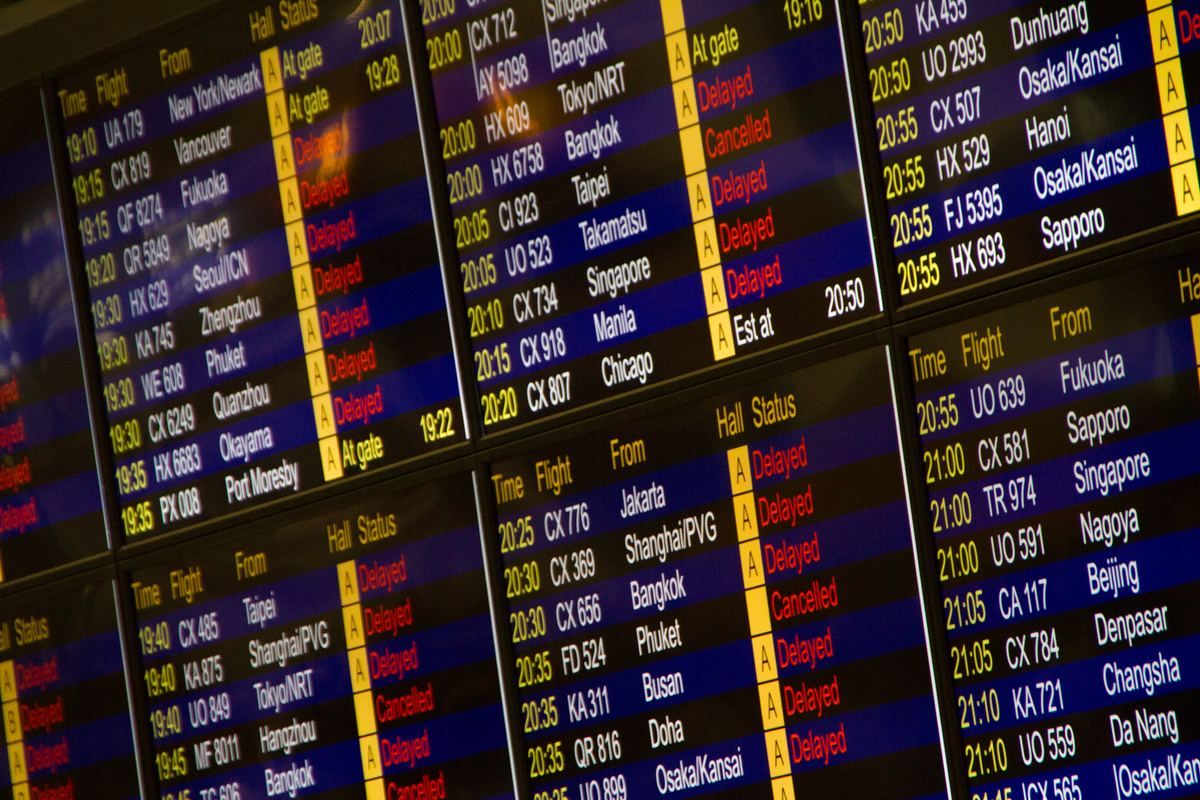
In a nutshell
- European rules are the strongest for delayed-flight compensation: if you arrive 3 hours or more late and the airline is responsible, EC 261 may entitle you to €250 to €600 per passenger, depending on the distance traveled.
- In the United States, delays usually do not trigger automatic cash compensation, but a passenger may be entitled to an automatic refund when a flight is significantly changed, especially if the delay exceeds 3 hours domestically or 6 hours internationally and the rebooking is refused.
- The cause of the delay is essential: operational issues like crew or maintenance problems can support a claim, while extraordinary circumstances such as bad weather, air traffic control restrictions, or security issues often remove the right to cash compensation.
- Passengers may still have rights even without compensation, including meals, hotel stays, ground transport, rebooking, and communication support, especially during long or overnight delays.
- A strong claim depends on evidence: keep your boarding pass, request the reason for the delay, take screenshots of updates, and save all receipts so you can pursue reimbursement, compensation, or escalation if the airline refuses your request.
A delayed flight can turn a smooth travel day into a long lesson in airport seating ergonomics. One minute you’re planning dinner at your destination, the next you’re eating overpriced chips under a flickering departures board. The good news is that passengers do have rights, and in some cases, airlines may owe you money, assistance, or a refund.
The rules depend mainly on where your flight departs, which airline operates it, and why the delay happened. That means not every late departure leads to compensation, but it’s worth knowing the difference between a frustrating delay and one that gives you a valid claim.
When a delayed flight may lead to compensation
In general, compensation is most clearly defined under EU Regulation EC 261/2004. If your arrival is delayed by 3 hours or more and the airline is responsible, you may be entitled to a cash payment. In the United States, airlines are usually not required to pay cash compensation for delays, though you may qualify for a refund in certain situations.
Here’s the key point: what matters is usually the arrival delay, not just the late departure. So yes, your plane can leave late and still recover some time in the air. Annoying for your nerves, helpful for the legal math.
Under EU and UK-style passenger rights
If your journey falls under EC 261 or equivalent UK rules, compensation may apply when the delay reaches at least 3 hours at final destination. The disruption must also be caused by something within the airline’s control, such as operational or technical issues.
- Delay of 3+ hours on arrival
- Flight departing from the EU/EEA/UK, regardless of airline, or arriving there on certain eligible carriers
- Airline responsibility, such as crew or maintenance issues
- Valid booking and check-in completed on time
In practice, this means a Rome to New York flight, a Paris to Lisbon hop, or even a New York to Madrid flight on an eligible European carrier could be covered. Air travel law loves an itinerary twist almost as much as airlines do.
In the United States
For flights within, to, or from the U.S., there is generally no automatic cash compensation for ordinary delays. However, if your flight is significantly changed and you decide not to travel, you may have the right to an automatic refund instead of a voucher.
Current U.S. rules generally treat these situations as significant enough for a refund if you reject the alternative offered by the airline:
- Domestic delay of more than 3 hours
- International delay of more than 6 hours
- Departure or arrival at a different airport
- Extra connections added to the trip
- Downgrade in class of service
So no, the U.S. system usually won’t hand you compensation money just because your afternoon flight became an evening saga. But if the schedule changes enough and you refuse rebooking, a refund may be due.
The 3-hour delay rule explained
The famous 3-hour rule refers mainly to European passenger rights. If you reach your final destination at least 3 hours late and the airline is at fault, you may be entitled to compensation. This rule does not work the same way in the United States, where a 3-hour delay can matter more for refunds than for compensation.
This is why so many travelers ask whether a 2-hour delay qualifies. Usually, under European rules, 2 hours is not enough for cash compensation. You may still be entitled to care, updates, meals, or rebooking support depending on the route and length of the wait.
| Scenario | EU/EC 261 | U.S. rules |
|---|---|---|
| 2-hour delay | Usually no cash compensation | Usually no compensation |
| 3+ hour arrival delay | May qualify for compensation | Usually no cash compensation |
| 3+ hour domestic schedule change | May matter depending on route and cause | May qualify for refund if you reject rebooking |
| 6+ hour international schedule change | May qualify depending on route and cause | May qualify for refund if you reject rebooking |
How much money could you receive?
Under EC 261, compensation is usually based on flight distance and length of delay. The amount can reach up to €600 per passenger. In the U.S., the more common outcome is a refund rather than a fixed compensation amount for delays.
Here is the usual EC 261 compensation framework:
| Flight type | Arrival delay | Potential compensation |
|---|---|---|
| Up to 1,500 km | 3+ hours | €250 |
| 1,500 to 3,500 km | 3+ hours | €400 |
| Over 3,500 km | 3 to 4 hours | €300 |
| Over 3,500 km | 4+ hours | €600 |
The amount is tied to the route, not to the ticket price. So yes, sometimes a budget flight delay can produce a compensation amount that feels surprisingly generous. Consider it emotional damages for every gate change announcement you endured.
When airlines do not have to compensate you
Compensation is not automatic in every case. If the delay is caused by extraordinary circumstances outside the airline’s control, cash compensation may not be owed. However, other rights, such as care, rebooking, or refunds, may still apply.
Examples often considered outside airline control include:
- Severe weather
- Air traffic control restrictions
- Airport staff strikes
- Security risks
- Medical emergencies
- Natural disasters
By contrast, issues like crew shortages, maintenance problems, or other operational failures are often considered the airline’s responsibility. Translation: if the clouds caused the chaos, compensation may be off the table; if the airline caused the chaos, your claim gets much stronger.
Your rights while you wait at the airport
Even when cash compensation is not available, airlines may still owe you assistance during long delays. Under European rules, this is known as the right to care. In the U.S., many airlines also commit to certain forms of support for controllable delays, though policies vary by carrier.

Depending on the delay length and route, you may be entitled to:
- Meals or meal vouchers
- Water and refreshments
- Hotel accommodation for overnight delays
- Transport to and from the hotel
- Rebooking on the next available flight
- Access to communications
Always ask the airline staff directly what they are offering, and check the carrier’s policy online if possible. The squeaky wheel may not always get the oil, but the informed traveler usually gets the voucher.
How to claim compensation or a refund
The most effective way to claim is to gather evidence, confirm whether your route is covered, and submit your request directly to the airline. If the airline rejects the claim and you believe the refusal is wrong, you can escalate the case through regulators or a claims company.
- Keep your documents: boarding pass, booking confirmation, baggage receipts.
- Record the delay: take screenshots of notifications, airport boards, and arrival times.
- Ask for the reason: the cause of the delay matters a lot.
- Save receipts: food, transport, hotel, or other necessary expenses.
- Submit a claim through the airline’s website or customer service channel.
- Escalate if needed: contact the relevant national authority or consumer protection body.
If you’re claiming under U.S. refund rules, remember one crucial detail: you usually need to reject the alternative offered if you want the refund instead of rebooking. If you accept the new flight, you typically lose that refund right for the unused ticket.
Special cases: connecting flights and missed onward travel
Missed connections can also qualify for protection, especially when all flights are on the same booking. In European cases, what often matters is your final arrival time, not just the delay on the first segment.
If your first delayed flight causes you to miss a connection and you arrive at your final destination 3 hours or more late, you may still have a valid compensation claim under EC 261, provided the airline is responsible and the itinerary is covered.
Separate tickets are trickier. If you booked two unrelated flights on your own and the first one was late, the second airline usually has no duty to help. Harsh, yes. Legal, often also yes.
Travel smarter when plans go sideways
Knowing your passenger rights can save you money, stress, and several dramatic speeches at the gate. The key differences are simple: Europe offers stronger compensation rights for long delays, while the United States focuses more on refunds for significant changes. In both systems, documentation is your best travel companion after your passport.
Before your next trip, it’s worth checking the airline’s delay policy and keeping receipts if anything goes wrong. And once your travel luck returns to normal, you can always swap airport limbo for something more fun: discover WeRoad group trips and get back to planning the part of travel everyone actually likes.
FAQ
- How long does the flight have to be delayed to get compensation?
-
Under European rules, compensation usually starts when you arrive at your final destination 3 hours or more late and the airline is responsible. In the U.S., delays do not usually create a right to cash compensation, though they may lead to a refund in some cases.
- Is a 2-hour flight delay enough for compensation?
-
Usually not. A 2-hour delay normally does not qualify for cash compensation under EC 261. You may still be entitled to assistance such as food, updates, or rebooking support depending on the route and circumstances.
- At what point does an airline have to compensate me for a delay?
-
An airline may owe compensation when the delay crosses the legal threshold and the cause is within its control. In Europe, that is typically 3+ hours on arrival. In the U.S., airlines are generally not required to pay delay compensation, but refunds can apply for significant changes if you do not accept the replacement itinerary.
- What is the 3-hour delay rule?
-
The 3-hour delay rule mainly refers to European passenger rights. If your covered flight arrives at the final destination at least 3 hours late, you may have a claim for compensation, as long as the airline caused the disruption and no extraordinary circumstances apply.
- Can I get both compensation and a refund?
-
Sometimes, yes. Under European rules, you may be entitled to compensation for lost time and, in some situations, a refund if the delay becomes very long and you choose not to travel. In the U.S., a refund is more common than compensation for delayed flights.
- Do missed connections count for delay compensation?
-
They can, especially if all flights are on the same booking. Under EC 261, if the delayed first flight causes you to reach your final destination 3 or more hours late, you may still qualify for compensation.