In a nutshell
- Mountain gorillas can be seen in the wild mainly in Uganda, Rwanda, and DR Congo, with Bwindi Impenetrable National Park and Volcanoes National Park standing out as the most practical and popular choices for international travellers.
- Permit costs are the main expense: roughly USD 800 in Uganda and USD 1,500 in Rwanda. These fees are not just access tickets, but direct contributions to conservation work, ranger protection, and local communities.
- The trek can be physically demanding, with steep, muddy, high-altitude trails and durations that vary from under an hour to several hours. A decent fitness level helps, but travellers do not need elite training, especially with guide support and porter assistance.
- Safety is high when the activity is organised through official channels. Habituated gorilla families are monitored daily, and strict rules such as distancing, quiet behaviour, and not trekking while sick protect both visitors and the animals.
- Rwanda is often worth the higher price for travellers short on time, thanks to easier logistics and high-end infrastructure, while Uganda offers stronger overall value for those who want a longer, more varied nature itinerary.
Meeting mountain gorillas in their natural habitat is one of those travel experiences that stays with you for years. It is not a zoo visit, not a drive-by safari, and definitely not something you scroll past five minutes later. It is a guided walk into dense forest, followed by one extraordinary hour in the presence of one of the rarest primates on Earth.
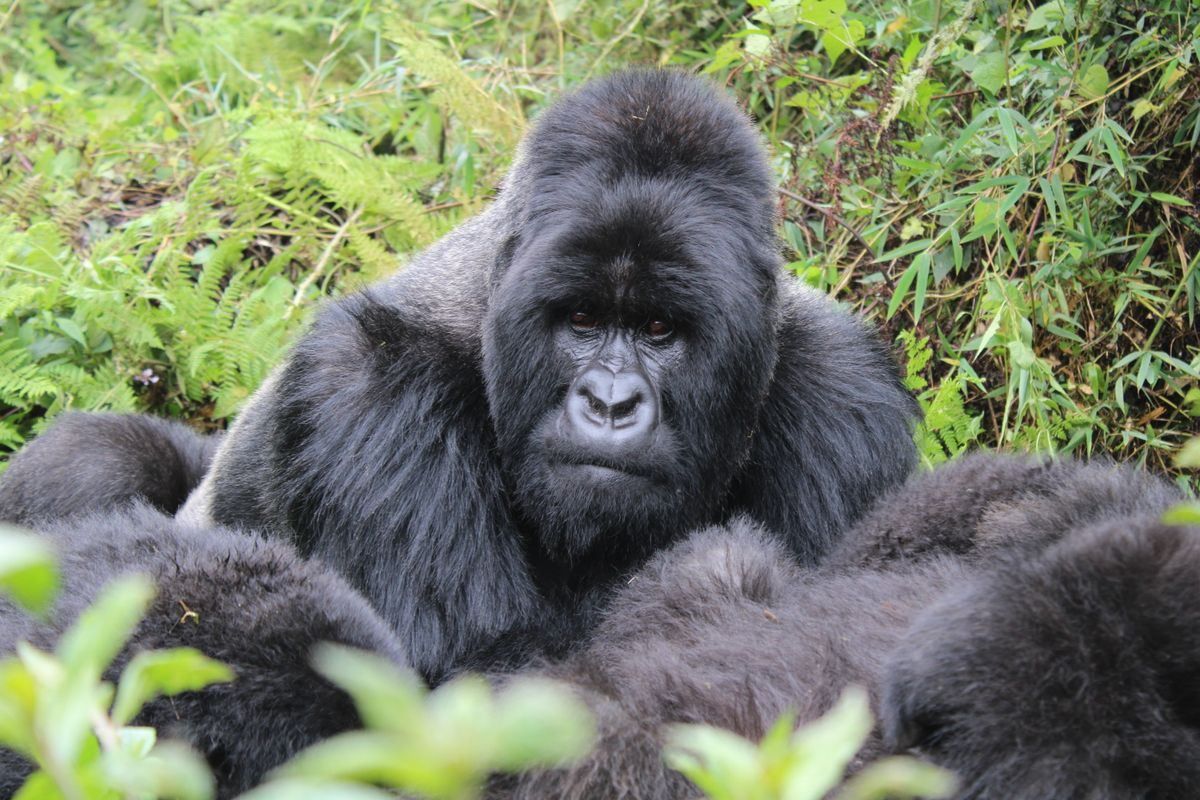
The magic lies in the contrast: muddy boots, quickened breath, rainforest silence, and then suddenly a silverback appears a few metres away, entirely unbothered by your existence. Humbling? Yes. Glamorous? Let’s say your hiking socks will deserve a medal. But unforgettable, absolutely.
Where to see mountain gorillas in the wild
The best places to see mountain gorillas are in Uganda, Rwanda, and the Democratic Republic of the Congo. These countries protect the last remaining populations in the Virunga region and Bwindi forest. For most travellers, Uganda and Rwanda are the most practical options thanks to more established tourism infrastructure and easier trip planning.
Mountain gorillas live only in a small part of East-Central Africa, which makes the experience incredibly special. Unlike many wildlife sightings, this one depends on permits, ranger-led access, and strict conservation rules. In short: no casual pop-in, no “maybe we’ll wing it tomorrow.” The gorillas are booked, busy, and very well protected.
Uganda: Bwindi Impenetrable National Park and Mgahinga
Uganda is often considered the top choice for travellers who want a balance of value, biodiversity, and a more extended adventure. Bwindi Impenetrable National Park is home to the largest population of mountain gorillas, while Mgahinga Gorilla National Park offers a smaller, quieter alternative.
Bwindi is famous for its thick forest, steep slopes, and multiple habituated gorilla families. That means more permit availability and a range of trekking routes. It also pairs well with other Ugandan highlights like chimpanzee tracking, safari parks, and Lake Bunyonyi. Basically, if you like your wildlife trip with a side of variety, Uganda is showing off.
Rwanda: Volcanoes National Park
Rwanda offers the most accessible and streamlined gorilla experience in Volcanoes National Park. The park is reachable by road from Kigali in a few hours, making it ideal for shorter itineraries or travellers who want a premium, well-organised experience.
The trekking here can still be demanding, but logistics are generally smoother. Lodges are excellent, roads are good, and the overall setup feels efficient. Rwanda is often the choice for travellers who want less transfer time and more polish. Yes, it costs more, but it also delivers a very high-quality experience from start to finish.
DR Congo: Virunga and Kahuzi-Biega
The Democratic Republic of the Congo can offer remarkable primate encounters, including mountain gorillas in Virunga National Park and eastern lowland gorillas in Kahuzi-Biega. However, travel here requires extra caution, up-to-date safety checks, and flexible planning.
For many travellers, Uganda and Rwanda remain the safer and simpler options. Congo can be deeply rewarding, but it is not usually the first recommendation for a first-time gorilla trip unless conditions are stable and the trip is arranged very carefully.
| Destination | Main park | Best for | Typical permit cost |
|---|---|---|---|
| Uganda | Bwindi, Mgahinga | Better value, longer itineraries, more gorilla families | About USD 800 |
| Rwanda | Volcanoes National Park | Short trips, smoother logistics, premium travel | About USD 1,500 |
| DR Congo | Virunga, Kahuzi-Biega | Experienced travellers, alternative primate routes | Varies |
How much does it cost to trek with gorillas
The biggest expense is the gorilla permit, which grants one guided visit and one hour with a habituated family. Prices vary by country, and additional costs include transport, accommodation, tips, and gear. Uganda is usually the more budget-friendly option, while Rwanda is the premium choice.
At the time of writing, a permit in Uganda is around USD 800, while in Rwanda it is around USD 1,500. These fees support conservation, ranger patrols, and local communities. So yes, it is expensive, but at least your money is doing more than funding another airport sandwich.
Other costs to consider include:
- Accommodation: budget to luxury options near the parks
- Transfers: road transport or domestic flights
- Porters: usually around USD 15-20, highly recommended
- Tips: for guides, rangers, and lodge staff
- Travel insurance: essential for a remote adventure
How difficult is the trek really
The difficulty ranges from moderate to challenging depending on weather, altitude, trail conditions, and where the gorilla family is located that day. A trek can last from under an hour to several hours each way. You do not need to be an athlete, but a reasonable level of fitness is important.
The rainforest terrain is often muddy, steep, and uneven. Add humidity and altitude, and even a short route can feel demanding. In Rwanda, some treks involve long uphill climbs. In Uganda, the forest can be thick and slippery. It is less “pleasant woodland stroll” and more “earned this view with my calves.”
That said, guides group visitors by fitness where possible, and porters can help carry bags and provide support on tricky sections. Many travellers in their 60s and 70s complete the trek successfully. Preparation helps a lot:
- Break in your hiking boots before the trip
- Train with regular walks or hikes
- Pack light but bring water and layers
- Use a porter if available
How safe is gorilla trekking
This experience is considered safe when organised through official parks and licensed operators. Treks are led by trained rangers and trackers who monitor gorilla families daily. Safety protocols exist both for travellers and for the gorillas, who are highly vulnerable to human illness.
The gorillas visited by tourists are habituated to human presence, which means they are accustomed to seeing people at a controlled distance. Rangers brief visitors carefully before each trek, and rules are strict for good reason. You are not just entering a forest; you are entering someone else’s living room, and the homeowner can bench-press a small scooter.
Key safety rules usually include:
- Keep at least 7 metres distance from the gorillas
- Do not visit if you feel unwell
- Speak quietly and avoid sudden movements
- Never touch or feed the animals
- Follow ranger instructions at all times
Political and regional safety varies by country, so always check current travel advice before booking. For most travellers, Rwanda and Uganda are the most straightforward options.
Best time to go
The best months are usually the drier seasons, from June to September and December to February. Trails are still muddy at times, but conditions are generally easier for hiking and photography. Gorilla visits take place year-round, so there is no truly bad season, only muddier trousers.
Dry months are popular because the forest paths are more manageable and travel logistics are easier. The wetter seasons, especially March to May, can mean fewer crowds and lush scenery, but tougher walking conditions. If you do not mind some rain and a little extra drama in your boots, shoulder season can still work very well.
What to pack for a gorilla trek
The right gear makes the trek more comfortable and safer. Prioritise protective clothing, waterproof layers, and sturdy footwear. Forest conditions change quickly, and even on dry days the undergrowth can be wet, scratchy, and slippery.
- Waterproof hiking boots with ankle support
- Long trousers and long sleeves
- Light rain jacket or poncho
- Gardening gloves for grabbing vegetation
- Gaiters for mud protection
- Reusable water bottle and snacks
- Camera without flash
- Small backpack
- Insect repellent and sunscreen
Is Rwanda worth it for this experience
Rwanda is absolutely worth considering if you value efficient logistics, excellent accommodation, and a shorter travel time to the park. It is especially appealing for travellers with limited time or those combining the trek with a broader East Africa itinerary.
The higher permit price is the main factor. If budget is less of a concern, Rwanda offers an exceptionally smooth and rewarding experience. If you want to keep costs lower and stay longer in nature, Uganda may offer better overall value. There is no universally better choice, only the one that fits your travel style, budget, and tolerance for bumpy roads.
Why this experience matters beyond the bucket list
Seeing mountain gorillas in the wild is not only memorable, it also supports one of Africa’s most important conservation success stories. Permit revenue helps fund park protection, community projects, anti-poaching efforts, and long-term wildlife monitoring.
That makes this journey different from many wildlife experiences. Your visit contributes directly to keeping these endangered primates alive in the wild. It is rare for a trip to feel thrilling, emotional, and meaningful all at once, but this one manages it without even trying too hard. Unlike the rest of us in travel photos.
Planning your mountain gorilla adventure
The most rewarding gorilla trips are those planned carefully, with the right permits, realistic fitness expectations, and enough time to enjoy the wider destination. Uganda suits travellers looking for value and variety, while Rwanda is ideal for a more seamless, premium experience.
Whichever country you choose, this is the kind of adventure that changes the rhythm of your trip and, often, your perspective too. And if you want to experience East Africa with like-minded travellers, take a look at WeRoad group trips for the destination and start planning something truly wild.
FAQ
- Do you always see gorillas during the trek?
-
Sightings are highly likely because trackers monitor habituated families daily. While wildlife can never be guaranteed, the success rate is extremely high in Uganda and Rwanda.
- How long do you spend with the gorillas?
-
Visitors are usually allowed one hour with the gorilla family once it is located. This rule helps reduce stress on the animals and limits disease transmission.
- What is the minimum age for trekking to see gorillas?
-
In most gorilla parks, the minimum age is 15 years old. This rule exists for safety, physical stamina, and health protection reasons.
- Should I hire a porter?
-
Yes, if possible. A porter can help with your backpack and support you on difficult terrain. Hiring one also directly benefits local communities living near the parks.
- Can I go if I have a cold?
-
No. Visitors with contagious illnesses are usually not allowed to join because gorillas are highly susceptible to human diseases, including common respiratory infections.