

In a nutshell
- Autumn is one of the best times to visit Greece thanks to mild temperatures, warm sea conditions in many areas, and a more relaxed atmosphere that makes island hopping and sightseeing easier than in peak summer.
- September to mid-October is the ideal window for combining beaches, ferries, and lively island life, while late October and November are better for slower itineraries focused on culture, scenery, and lower crowd levels.
- The most reliable islands in autumn include Crete, Rhodes, Naxos, Corfu, and Santorini, because they tend to maintain better transport links, more open services, and stronger local life beyond the high season.
- Not all islands close in October, but planning matters more: ferry timetables can be reduced, smaller islands may become very quiet, and booking accommodation and transport in advance helps avoid last-minute issues.
- Packing should focus on layers and flexibility, with light clothes for warm days, a jacket for cooler evenings, swimwear for southern islands, and practical shoes for towns, ruins, and coastal walks.
Autumn is one of the smartest times to explore Greece, especially if your dream trip includes ferries, sea views, whitewashed villages, and long lunches that don’t require a reservation made three lifetimes in advance. The weather often stays pleasantly warm, the sea can still be swimmable, and the pace becomes more relaxed.
That means you get a version of the country that feels more spacious, more local, and frankly less chaotic. The beach clubs are no longer fighting for your attention, the narrow lanes are easier to enjoy, and your sunset photo has better odds of featuring actual sky instead of 847 strangers’ elbows.
Why visit Greece in the autumn
Autumn offers a balanced mix of good weather, lower prices, and thinner crowds. It is a practical season for travelers who want to combine beaches, culture, food, and ferry travel without the intensity of peak summer. September and October are usually the sweet spot, while November suits slower itineraries.
There are a few reasons this season works so well. First, temperatures are often milder than in July and August, which makes walking around historic towns and archaeological sites much easier. Second, accommodation and transport can be more affordable. Third, popular islands feel more livable and less like everyone had the same group chat idea.
- Warm sea temperatures often last into October, especially in the south
- Fewer crowds at ports, beaches, restaurants, and major sights
- Better value on hotels and sometimes ferries or flights
- More authentic atmosphere in towns after the summer rush fades
- Ideal conditions for mixing relaxation, sightseeing, and hiking
Is October a good time for a trip to Greece?
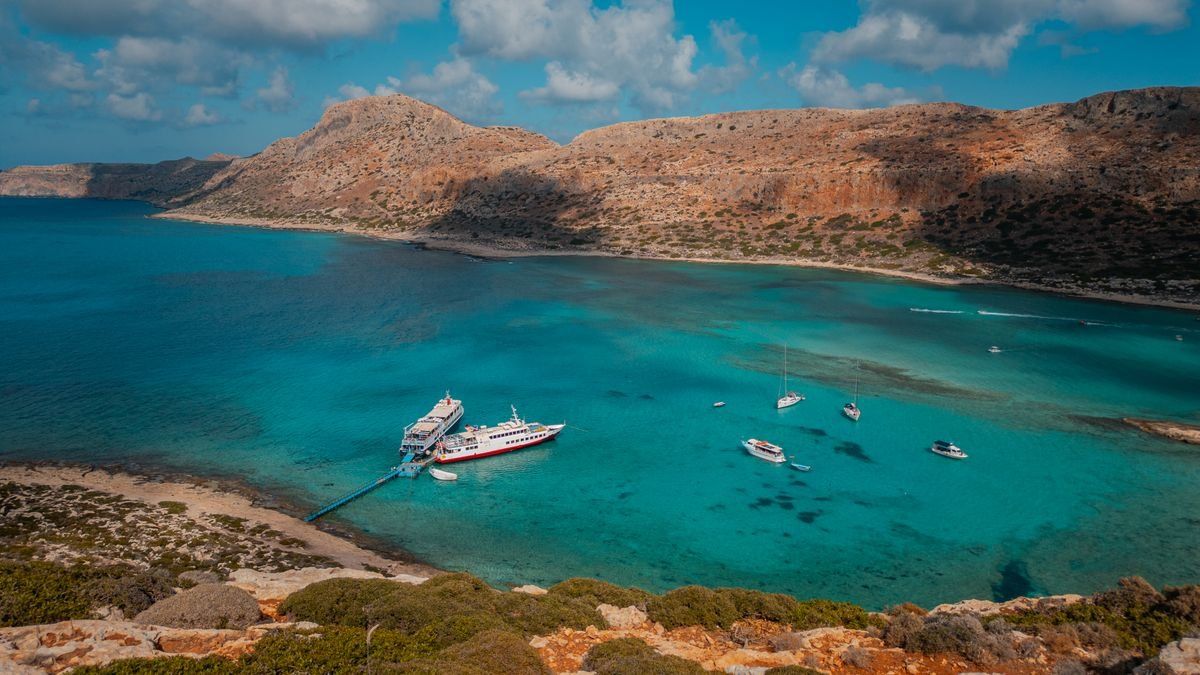
Yes, October is often an excellent month to visit. In many parts of Greece, days are still sunny and mild, and the sea remains pleasant for swimming. It is especially good for travelers who want to enjoy islands and cultural visits with fewer logistical headaches than in high season.
Early October feels very different from late October, though. In the first half of the month, many islands are still fully active, ferries run more frequently, and beach time is still very realistic. By the end of the month, some smaller islands begin to slow down, with fewer open businesses and lighter transport schedules.
So, yes, October is a strong choice, but timing matters. If your plan is classic island hopping with beach breaks and lively evenings, aim for late September to mid-October. If you prefer quieter villages, archaeological sites, and a slower rhythm, late October can be great too.
Weather in Greece during autumn
The weather varies by region, but autumn in Greece is generally mild and pleasant. Southern islands usually stay warmer for longer, while mainland and western regions tend to cool down earlier and see more rain. Packing layers is the easiest way to stay comfortable.
In practical terms, you can still find sunny beach days in Crete or Rhodes when Athens evenings already call for a light jacket. The Cyclades often remain bright and breezy through early autumn, while the Ionian islands may turn greener as rain returns a little sooner.
| Region | September | October | November |
|---|---|---|---|
| Cyclades | Warm, sunny, ideal for ferries and swimming | Mild, still pleasant, fewer crowds | Cooler, quieter, some seasonal closures |
| Crete & Rhodes | Hot to warm, sea at its best | Warm, excellent for beach and sightseeing | Mild, best southern option |
| Ionian islands | Warm, lush landscapes | Milder, occasional rain | Cooler and wetter |
| Athens & mainland | Warm, good for city breaks | Pleasant for sightseeing | Cooler, more autumnal |
Best islands for autumn island hopping
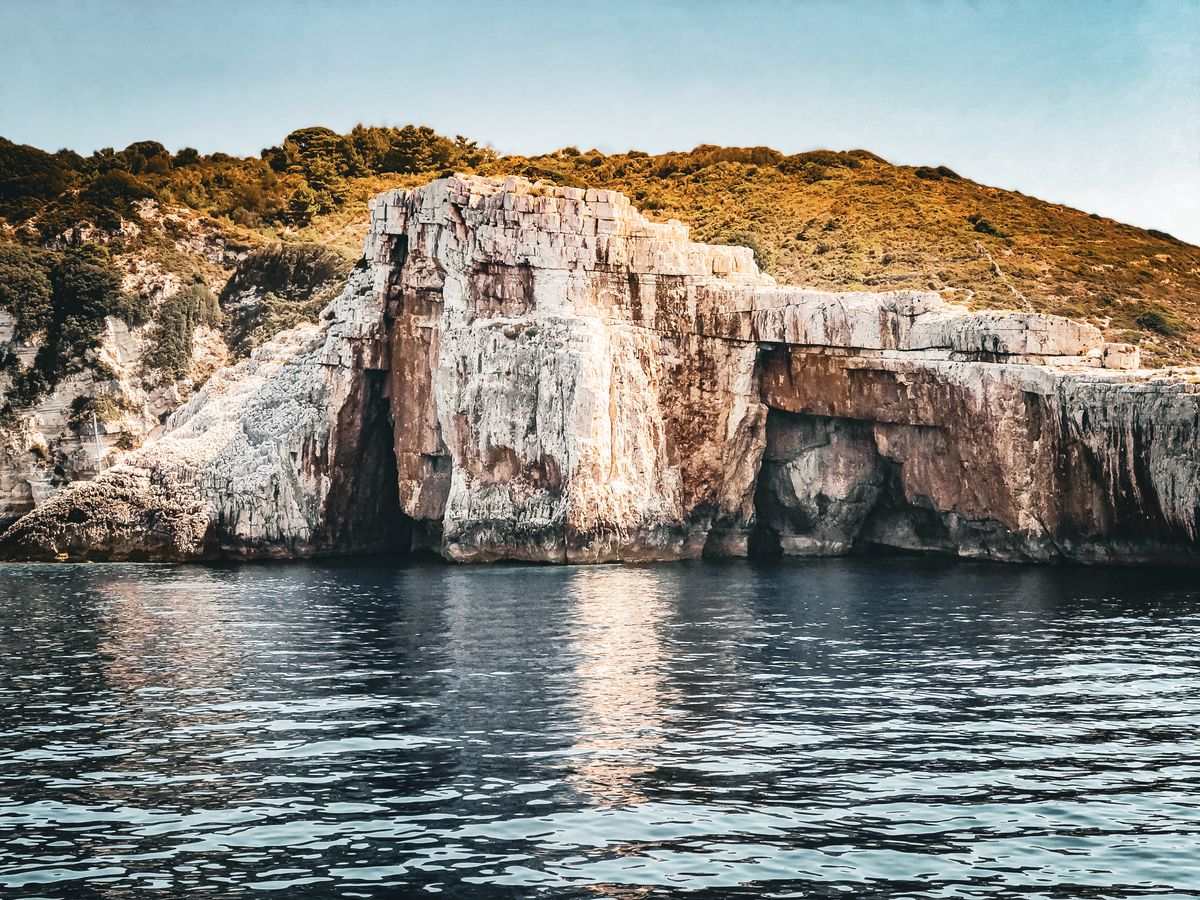
The best islands for an autumn trip are those that remain lively after summer and still have reliable connections. Choosing larger or better-connected islands helps you avoid transport issues while still enjoying a quieter atmosphere. Crete, Rhodes, Naxos, Corfu, and Santorini are among the safest bets.
Not every island behaves the same once summer winds down. Some become deliciously peaceful. Others become so peaceful you may start negotiating dinner plans with one cat and a closed taverna. A good autumn route should balance beauty, atmosphere, and practical connections.
Crete
Crete is one of the strongest choices for autumn thanks to its warm weather, large size, and year-round life. It works well for travelers who want beaches, towns, food, archaeology, and road-trip freedom all in one destination.
In autumn, Crete is wonderfully versatile. You can still swim, then spend the next day exploring mountain villages or coastal towns without melting into the pavement. Chania is especially atmospheric, and the island’s food scene becomes even more appealing when the pace slows down. It is also one of the best options if you want a reliable island even later in the season.
Rhodes
Rhodes stays warmer longer than many northern islands and offers a strong mix of history and coastline. It is ideal for travelers who enjoy cultural visits as much as beach time and want an island that does not shut down too quickly.
The big draw here is the medieval Old Town, which becomes far more enjoyable once the summer crowd thins out. Autumn gives you room to actually look around rather than shuffle in a human conga line. Rhodes is also a smart pick for late-season sunshine.
Naxos
Naxos is a great match for those who want a Cycladic island with a more grounded, local feel. It remains more authentic than some of its famous neighbors and often keeps a steadier rhythm after summer ends.
Expect village life, good food, long beaches, and fewer crowds than headline-grabbing islands. Naxos is particularly appealing in early autumn, when the sea is still warm and the island’s inland character shines. It feels less performative and more naturally welcoming.
Corfu
Corfu is a strong autumn option for travelers drawn to architecture, greenery, and a softer, slower mood. The island feels different from the Cyclades and combines cultural depth with beautiful coastal scenery.
Its old town is made for walking, especially when temperatures become gentler. Venetian, French, and British influences give Corfu a distinct identity, and the island suits those who like their beach time with a side of history and elegant facades. Very chic, without trying too hard about it.
Santorini
Santorini in autumn is calmer, more breathable, and often far more enjoyable than in peak season. It is best for travelers who want iconic landscapes and are happy to pay a little more for them, even outside summer.
With fewer cruise visitors and cooler temperatures, cliffside walks become much more pleasant. You still get the postcard views, but with a better chance of hearing your own thoughts. Early to mid-autumn is the sweet spot before the island gets noticeably quieter.
Do Greek islands shut down in October?
Some do begin to slow down in October, but not all of them shut down completely. Larger islands and the most popular destinations usually remain active, while smaller or more seasonal islands may reduce services, ferry frequency, and accommodation options.
The key is not to panic and assume the whole Aegean flips a giant “closed” sign on 1 October. In reality, Crete, Rhodes, Corfu, and often Santorini still offer plenty of options. What changes most is flexibility: there are fewer departures, fewer spontaneous choices, and less nightlife built around summer crowds.
For smoother planning:
- Choose well-connected islands
- Check ferry schedules before booking flights
- Reserve accommodation in advance, especially in late October
- Prefer shorter hopping routes over overly ambitious plans
How to plan an autumn island-hopping itinerary
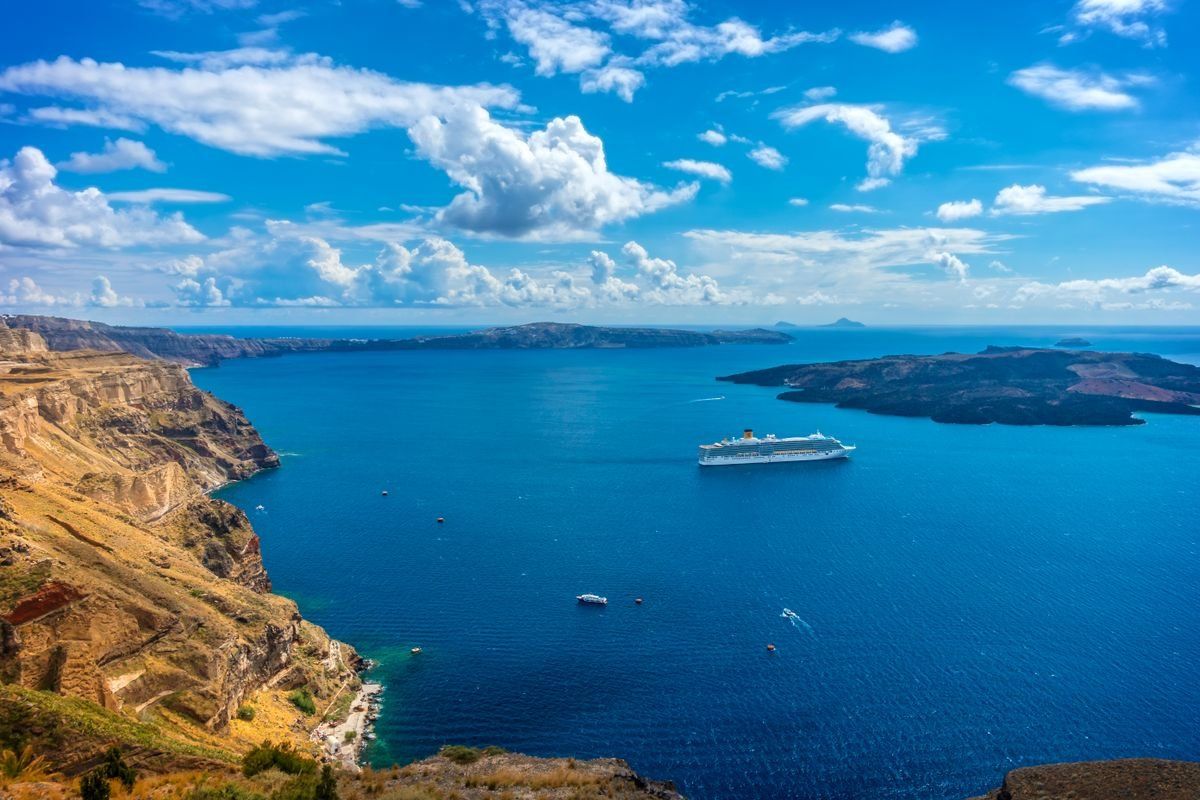
A successful autumn itinerary should prioritize realistic travel times, reliable ferry routes, and islands that still have enough open services for your travel style. Fewer stops often create a better trip than trying to squeeze in too many islands.
The trick is simple: don’t plan your route like you’re collecting fridge magnets at competitive speed. In autumn, a 2 or 3-island itinerary often works best. You want enough time to enjoy each stop and enough flexibility in case schedules change.
Here are a few route ideas:
- Cyclades classic: Santorini + Naxos
- Warm-weather focus: Crete + Rhodes
- Culture and coast: Athens + ferry to a nearby island, then one larger island
- Relaxed Ionian mood: Corfu as a slower single-island trip
What to pack for Greece in autumn
Packing for autumn in Greece means preparing for warm days, cooler evenings, and occasional weather changes. Light layers, comfortable shoes, and swimwear are usually the right starting point, especially in September and October.
You do not need a giant suitcase stuffed with “just in case” drama. Think practical and flexible. Most days still feel light and easy, but evenings can cool down, and ferries can get breezy.
- T-shirts and breathable daytime clothes
- Light sweater or jacket for evenings
- Swimwear for beach days, especially in the south
- Comfortable walking shoes for towns and archaeological sites
- Thin rain jacket if traveling in late October or November
- Sunscreen and sunglasses, because the sun has not retired yet
Travel notes on safety and current events
Travel conditions can change, so it is always important to check official government advisories and reputable news sources before departure. For most travelers, the practical approach is to monitor updates, verify transport schedules, and stay informed through official channels during the trip.
If wider regional tensions make you wonder whether travel plans could be affected, the answer depends on current official guidance rather than rumors online. Conditions in Greece can remain normal while headlines focus on events elsewhere, but it is still wise to review advice from your foreign ministry, your airline, and local authorities before you go.
The WeRoad tip
Choose islands that still feel alive after summer
For an autumn trip, our favorite move is to focus on islands that keep their personality once the summer rush fades. Corfu is perfect if you want elegant city walks and sunset views: wander through the lanes of Corfu Town, past the Venetian fortress, the Royal Palace, and its mix of Byzantine, French, and Venetian influences, then head up to Kaiser’s Throne for a golden-hour view over the Ionian Sea that feels almost suspiciously cinematic.
If you want warmer water and a bigger mix of experiences, Crete is the autumn overachiever. You can explore the legendary site of Knossos, tied to the myth of the Minotaur, then slow things down with a walk through Chania, among canals and Venetian architecture, before ending in Agios Nikolaos, where the harbor mood is all charm and zero hurry. In short: fewer crowds, more atmosphere, and much less chance of having your magical moment interrupted by someone’s inflatable flamingo.
A slower, sunnier way to see Greece
Autumn is one of the best seasons to experience Greece with more space, more ease, and often better value. It suits travelers who want to combine sea, culture, food, and island life without the intensity of midsummer. With the right route, it can be the perfect time for island hopping.
If you like the idea of warm seas, scenic ferries, and sunset walks that do not involve queue management as an extreme sport, this is your moment. And if you want to experience it with the right crew, take a look at WeRoad group trips to Greece and start planning your autumn escape.
FAQ
- Is Greece still hot in October?
-
In many areas, yes. Crete, Rhodes, and other southern islands often stay warm in October, with sunny days and sea temperatures that can still be comfortable for swimming. Northern and mainland areas are usually cooler, especially in the evenings.
- Which Greek islands are best in autumn?
-
The best choices are usually Crete, Rhodes, Naxos, Corfu, and Santorini. They offer a good balance of beauty, services, transport connections, and local life after the peak summer season.
- Can you swim in Greece during autumn?
-
Yes, especially in September and October. The sea often stays warm after summer, particularly around southern islands. Swimming becomes less predictable in November, although some warmer destinations can still be pleasant on sunny days.
- Is island hopping in Greece possible in late October?
-
Yes, but it requires more planning. Ferry schedules are usually less frequent, and smaller islands may have fewer open businesses. Sticking to larger, well-connected islands is the easiest way to keep the trip smooth.
- How many islands should I include in an autumn itinerary?
-
Usually two or three islands are enough for a balanced trip. Autumn travel works best when the itinerary is realistic, with reliable ferry routes and enough time to enjoy each stop without rushing.