In a nutshell
- Hogmanay is the Scottish New Year celebration and has deeper cultural roots than a standard New Year’s Eve party, with links to winter rituals, public holidays and long-standing traditions across Scotland.
- Edinburgh is one of the best places to experience it thanks to its historic setting, multi-day programme and iconic atmosphere, especially around the Old Town, Princes Street and Edinburgh Castle.
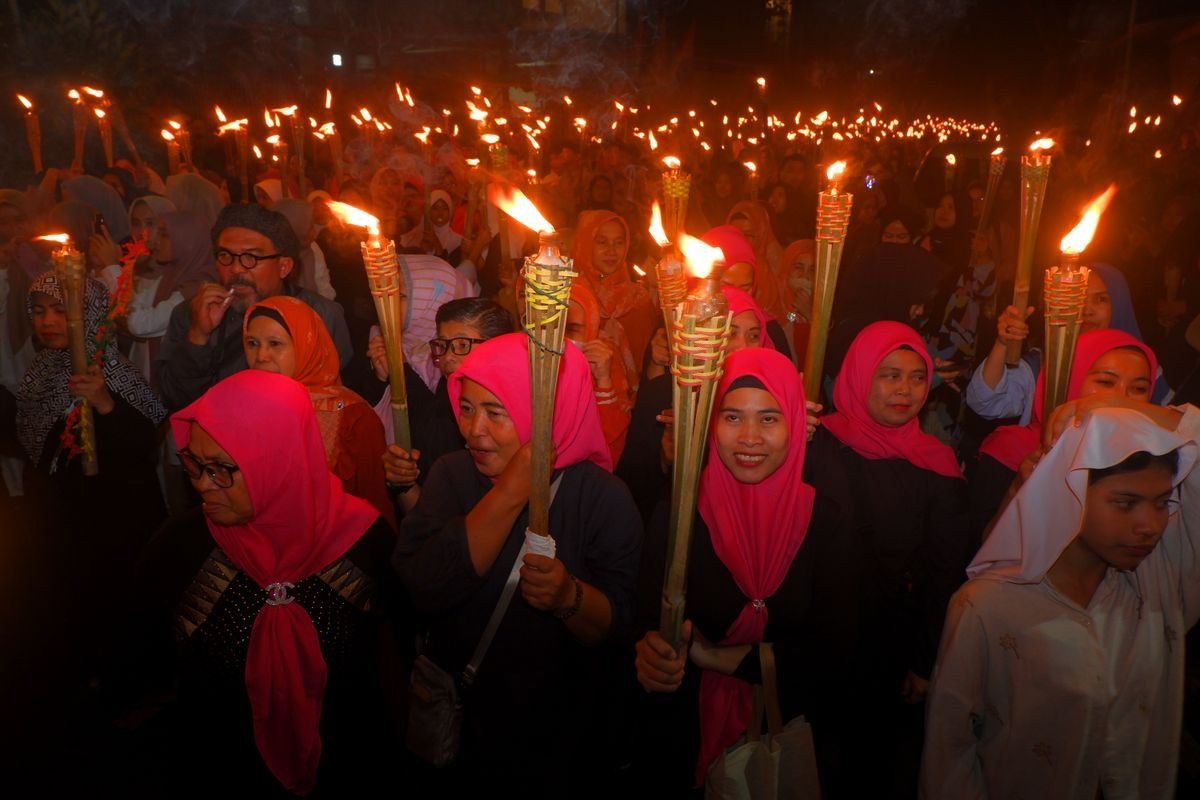
- The Torchlight Procession is a defining event, bringing thousands of people into the streets with flaming torches in a dramatic opening celebration that blends symbolism, spectacle and community.
- Traditional customs still matter, including first-footing, symbolic gifts like whisky and shortbread, and the midnight singing of Auld Lang Syne, which gives the celebration a distinct Scottish identity.
- Planning ahead is essential because accommodation, tickets and transport become complicated during the festive period, while weather, crowd levels and event changes can all affect your experience.
New Year’s Eve in Scotland is not just a countdown and a glass of bubbly. In Edinburgh, it becomes a city-wide ritual made of fire, music, old customs and a lot of joyful chaos. If you’re planning a winter trip to the Scottish capital, this is one celebration worth understanding before you throw on a scarf and join the crowd.
What makes this festival special is the mix of ancient symbolism and modern spectacle. One minute you are learning about centuries-old traditions, the next you are standing beneath Edinburgh Castle with fireworks exploding overhead and strangers singing like old friends. It is dramatic, emotional and, yes, gloriously cold.
What Hogmanay means in Scotland
Hogmanay is the Scottish name for New Year’s Eve, but in practice it often describes the celebrations that stretch across several days. In Scotland, this festive period has deep cultural importance and is often treated with even more enthusiasm than Christmas.
The origins of the word are still debated, with possible links to French, Norse and Gaelic language roots. What is clearer is its role in Scottish life. For centuries, New Year was the main winter celebration in Scotland, especially during periods when Christmas was less widely observed. So while other countries do a polite little midnight toast, the Scots decided to turn the whole thing into a full-blown cultural event. Respect, honestly.
Today, Edinburgh hosts one of the most famous New Year celebrations in the world, combining public events with traditional customs still recognised across the country.
Why Edinburgh is the best place to experience it
Edinburgh offers one of the most iconic ways to celebrate the Scottish New Year. The city’s historic setting, large-scale events and strong connection to local traditions create an atmosphere that feels both authentic and unforgettable.
There is something almost unfair about how photogenic Edinburgh looks in winter. The medieval streets, the volcanic skyline, the castle looming above it all: the city already feels theatrical before a single torch is lit. Add live music, fireworks and thousands of people wrapped in hats and excitement, and you get a celebration that feels genuinely unique.
Another reason the capital stands out is the structure of the festivities. Instead of one rushed evening, celebrations usually unfold across multiple days, with headline events, cultural activities and street entertainment building momentum toward midnight on 31 December.
The Torchlight Procession
The Torchlight Procession is one of the signature events of Edinburgh’s New Year celebrations. It usually opens the festival period and transforms the city into a river of fire, with thousands of participants carrying torches through the streets.
It is not subtle, and that is exactly the point. The procession creates a dramatic atmosphere that nods to ancient fire festivals while feeling completely alive in the present. Watching the glow move through the Old Town is one of those moments that makes you put your phone down for five seconds and think, “Right, this is actually incredible.”
The route and event format can vary by year, but the essence stays the same: a collective walk through the city, often ending with a large gathering, music and a sense of anticipation for the nights ahead. If you want a more symbolic and atmospheric start to the festivities, this is the event to prioritise.
What to expect during the procession
The experience is organised, busy and visually striking. It is designed for both locals and visitors, so you do not need any special knowledge to take part, but booking ahead is usually essential because tickets can sell out quickly.
- Expect large crowds and a festive atmosphere from early evening
- Dress warmly, as you will be outdoors for several hours
- Arrive early to find your meeting point and avoid last-minute stress
- Check official event updates for route, timings and safety rules
Even if you do not join as a torchbearer, watching from the sidelines is still memorable. Edinburgh knows how to do drama, and this is one of its best performances.
Traditional customs behind the celebration
Many Scottish New Year traditions are still associated with this festive period, even if they are practised more in homes than in major public events. The most famous include first-footing, singing Auld Lang Syne and symbolic gift-giving after midnight.
These customs are part of what gives the celebration its identity. It is not only about partying in the street. It is also about luck, hospitality and starting the year well.
First-footing
First-footing is the tradition of being the first person to enter a home after midnight. That first visitor is meant to bring luck for the year ahead, especially if they arrive with small gifts.
Typical gifts include:
- Whisky for good cheer
- Shortbread for abundance
- Coal for warmth
- Black bun or other food for prosperity
Traditionally, a dark-haired man was considered the luckiest first-footer. This sounds a bit random today, but folklore rarely worries about explaining itself too much.
Auld Lang Syne at midnight
Singing Auld Lang Syne at midnight is one of the best-known Scottish contributions to global New Year celebrations. In Edinburgh, it becomes especially moving when thousands of people join in together as the bells ring.
The song, associated with Robert Burns, reflects on friendship, memory and time passing. In other words, it is the perfect soundtrack for that emotional New Year moment when everyone suddenly becomes sentimental and starts hugging people they met 14 minutes earlier.
Fire as a symbol
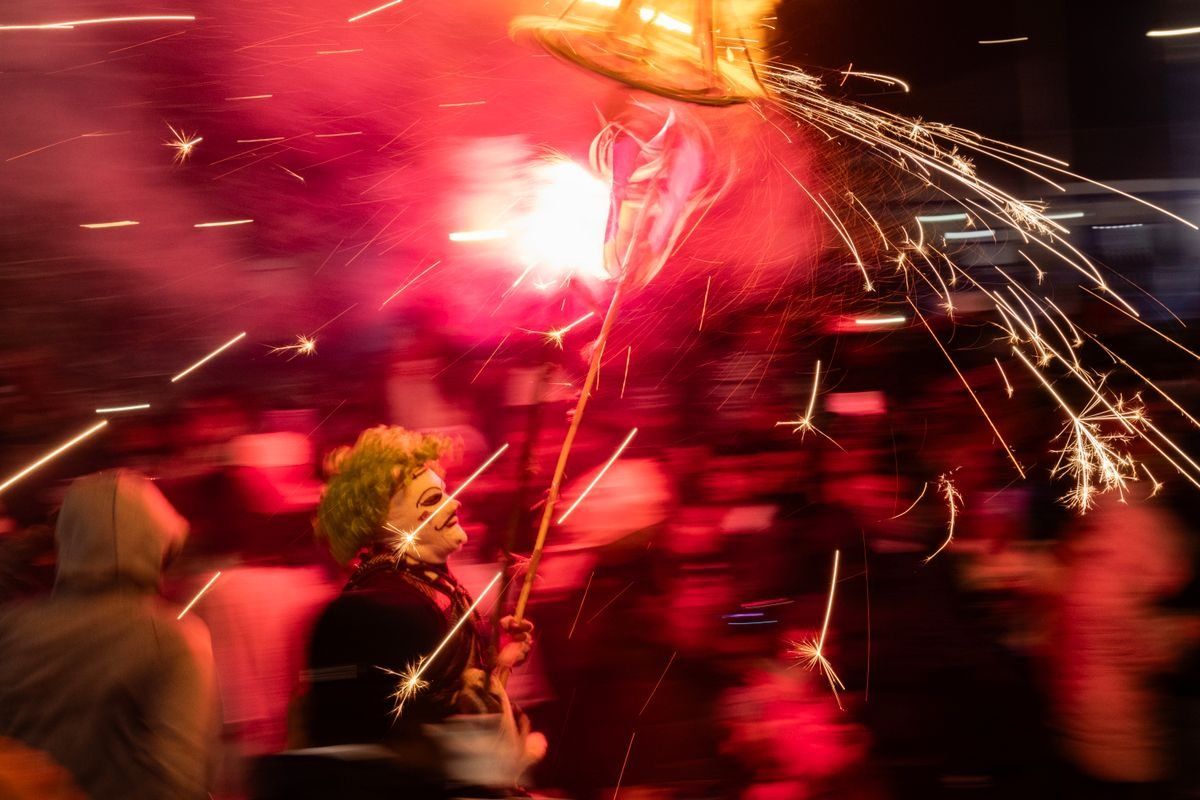
Fire has long played a role in Scottish winter celebrations. In Edinburgh, that symbolism survives in the procession, the fireworks and the general visual language of the festival.
Historically, fire represented cleansing, protection and the return of light during the darkest time of year. That is part of why the celebration feels bigger than an ordinary city party. It carries echoes of older seasonal rituals, even in its modern format.
How to celebrate in Edinburgh
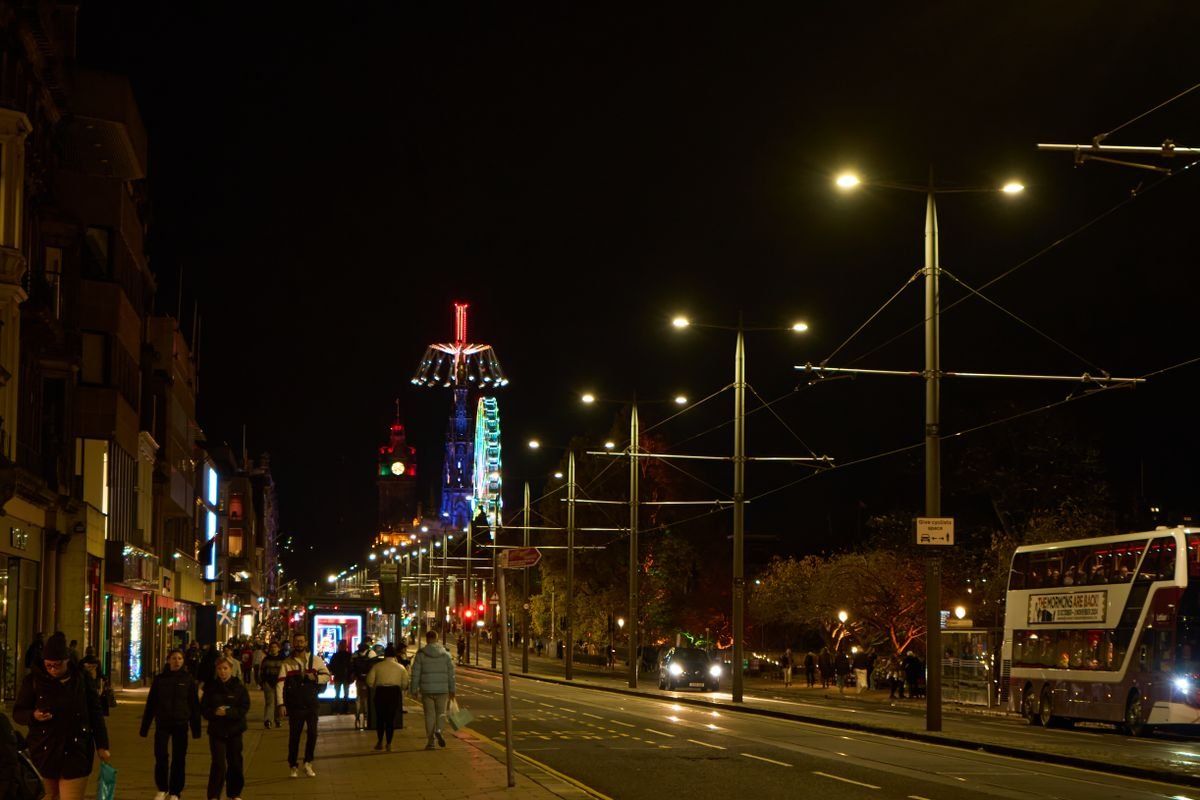
The best way to celebrate in Edinburgh depends on the kind of experience you want. Some travellers prefer the big-ticket events, while others enjoy combining public festivities with cosy pubs, local food and a slower pace on New Year’s Day.
If it is your first time in the city, a balanced plan usually works best.
- Join or watch the Torchlight Procession
- Book official events early if you want concerts or street party access
- Choose a good viewing area for the midnight fireworks
- Keep time on 1 January for a relaxed brunch, a walk or live music around the city
If you are brave enough, you can also look into New Year’s Day traditions like the Loony Dook in nearby South Queensferry, where participants plunge into freezing water. Fun is one word for it. Completely unhinged is another.
Useful tips for planning your trip
Edinburgh gets extremely busy during the festive period, so planning ahead is essential. Accommodation, event tickets and restaurant bookings can fill up fast, especially for the dates around 31 December.
| What to plan | Why it matters | Best advice |
|---|---|---|
| Accommodation | Hotels and central stays sell out early | Book several months in advance |
| Event tickets | Main celebrations often require advance booking | Use official festival channels |
| Clothing | Weather is cold, windy and often wet | Bring waterproof layers and warm shoes |
| Transport | Road closures and crowds affect movement | Walk when possible and check local updates |
Also remember that some editions of Edinburgh’s celebrations have changed or been reduced in the past because of safety issues, weather or public policy decisions. That is why checking the official programme before departure is always a smart move.
Scottish terms and traditions at a glance
A few key terms can help you understand the atmosphere and customs more easily. You do not need to speak Scots to enjoy the celebrations, but recognising these references adds useful context.
- Hogmanay: the Scottish term for New Year’s Eve and its celebrations
- First-footing: the first person to enter a house after midnight
- Auld Lang Syne: the traditional song sung at midnight
- Ne’erday: New Year’s Day in Scots usage
Learning a few of these expressions will not make you instantly Scottish, but it may help you nod more confidently while holding a dram.
A winter celebration worth the trip
Edinburgh’s New Year festivities combine tradition, spectacle and a powerful sense of place. Between the torchlit streets, the music, the customs and the fireworks over the castle, the city offers one of Europe’s most memorable ways to welcome a new year.
Whether you want the big crowd experience or a more intimate taste of Scottish culture, this celebration delivers both. And if Scotland is calling, it might be time to discover WeRoad group trips and experience Edinburgh with fellow travellers ready to start the year properly.
FAQ
- Why do the Scottish call it Hogmanay?
-
The exact origin of the word is uncertain, but scholars have suggested French, Norse and Gaelic influences. Today, it simply refers to the Scottish celebration of New Year’s Eve and the festive period around it.
- Is it appropriate to say happy Hogmanay?
-
Yes, it is perfectly appropriate. People also commonly say “Happy New Year,” but “Happy Hogmanay” is understood and can feel more locally connected when talking about Scottish celebrations.
- What do Americans call Hogmanay?
-
In the United States, people generally call it New Year’s Eve. The Scottish term is less commonly used unless the celebration specifically references Scottish culture or traditions.
- Why was Hogmanay cancelled in Scotland?
-
Some official events in Scotland, including those in Edinburgh, have been cancelled or scaled back in certain years due to public safety concerns, severe weather, health restrictions or logistical issues. The tradition itself was not cancelled, only specific organised events.
- Do you need tickets for Edinburgh’s Hogmanay events?
-
Many major events do require tickets, especially headline concerts and organised celebrations. Some activities may be free, but it is always best to check the official programme in advance.
- What should I wear for Hogmanay in Edinburgh?
-
Wear warm, waterproof layers and comfortable shoes. Temperatures are cold, and you may be outside for long periods in wind or rain, especially during processions and fireworks.