

In a nutshell
- Choosing travel insurance starts with your trip profile: destination, duration, planned activities, prepaid costs, and personal health needs should guide your decision more than price alone.
- The most important protections usually include medical expenses, baggage cover, delays, and cancellation-related benefits, but each policy has specific limits, conditions, and reimbursement rules that must be checked carefully.
- WeRoad packages already include basic medical and baggage travel insurance, plus 24/7 support from the WeRoad coordinator, while policy documents are sent two days before departure and optional upgrades can be added during checkout.
- Exclusions are just as important as benefits: pre-existing conditions, extreme sports, known events, unattended baggage, and travel to restricted areas are common reasons claims may be limited or denied.
- The best policy is the one that covers your highest-risk costs clearly and realistically, whether that means standard included protection, Flexible Cancellation, or additional third-party cover for more specific needs.
Travel planning is all playlists, packing cubes, and unrealistic promises to “travel light this time.” Then reality shows up: delayed flights, missing bags, surprise medical bills, or a last-minute cancellation. That is exactly why it helps to understand how to choose a travel insurance that actually matches your trip, your budget, and your tolerance for chaos.
The right policy is not necessarily the most expensive one or the one with the flashiest marketing. It is the one that covers the risks you are most likely to face, explains its limits clearly, and gives you support when things go off-script. In other words: boring before departure, incredibly useful during a problem.
Why travel insurance matters
Travel insurance matters because it can protect you from high unexpected costs linked to medical emergencies, baggage issues, delays, and cancellations. A good policy helps reduce financial risk and gives you a clear process to follow if something goes wrong abroad.
No one books a trip thinking, “Lovely, I hope my suitcase takes a solo vacation to another continent.” But travel disruptions happen more often than anyone would like. Medical treatment abroad can be expensive, airlines may not fully cover your losses, and even a small delay can trigger extra hotel, meal, or transport costs.
Insurance is less about pessimism and more about planning smartly. If your itinerary includes multiple flights, non-refundable bookings, remote destinations, or activities with a higher level of risk, having the right cover can make a huge difference.
Start with the type of trip you are taking

The best way to choose a policy is to begin with your actual trip details. Destination, duration, activities, transport, health considerations, and prepaid costs all influence the type and level of insurance you may need.
A weekend city break does not have the same insurance needs as a multi-stop group adventure across different countries. Before comparing policies, make a quick profile of your trip:
- Destination: healthcare costs and local risks vary by country.
- Trip length: longer trips often need broader coverage.
- Planned activities: trekking, diving, skiing, or other adventure sports may require add-ons.
- Total prepaid costs: the more non-refundable bookings you have, the more cancellation cover matters.
- Your health needs: pre-existing conditions may need specific coverage.
Think of it like choosing shoes for a trip. Flip-flops for a mountain hike? Technically a choice, yes. A good one? Not even slightly.
What a good travel insurance policy usually covers
A solid travel insurance policy usually includes medical expenses, baggage protection, and assistance services. More comprehensive plans may also include trip cancellation, trip interruption, delays, emergency evacuation, and optional upgrades for specific needs.
Not every policy includes the same benefits, and names can vary between providers, so always read the details rather than relying on the headline. These are the main coverage areas to review:
Medical expenses and emergency care
Medical cover is often the most important part of travel insurance, especially for international trips. It can help with emergency treatment, hospital care, and urgent medical assistance while you are abroad.
Check the coverage limit carefully. In some destinations, medical costs can rise very quickly. Also review whether the policy includes medical evacuation and repatriation, especially if you are going somewhere remote.
Baggage and personal belongings
Baggage cover can reimburse you if your luggage is lost, damaged, or delayed. It is useful, but it should not be judged only by the existence of the benefit: the limits and exclusions matter just as much.
Look at per-item limits, exclusions for electronics, and how delay claims work. If your bag arrives three days late while you are wearing the same T-shirt in every photo, you will want to know what essentials you can reasonably claim back.
Trip cancellation and interruption
Cancellation and interruption cover protect the money you have already spent on non-refundable travel arrangements. This can be very valuable if your trip is expensive or involves multiple bookings.
Standard policies only reimburse for covered reasons, such as illness, certain emergencies, or serious travel disruption. If flexibility matters to you, you may need a specific cancellation upgrade rather than assuming every reason is accepted.
Travel delay and missed connections
Delay cover can help pay for meals, accommodation, or transport if your trip is disrupted. It is especially relevant for complex itineraries or travel during busy seasons and bad-weather periods.
Always check waiting periods and reimbursement caps. A policy that sounds generous may only apply after a long minimum delay, which is less comforting when you are eating airport crisps for dinner.
How WeRoad travel insurance works
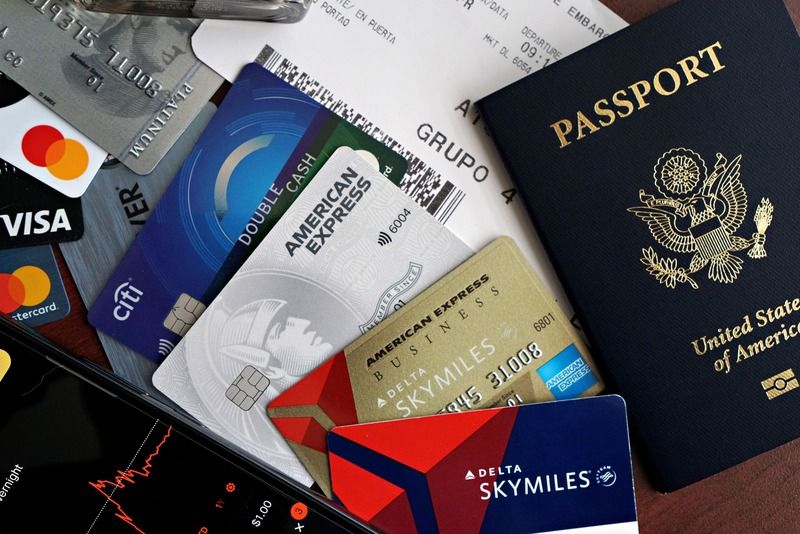
With WeRoad, basic travel insurance is already included in every package. This standard cover includes medical and baggage protection, while additional options can be added separately during checkout depending on your needs.
That means every WeRoad traveler starts with useful essential coverage already built in:
- Medical coverage: emergency medical expenses abroad during your group trip.
- Baggage protection: cover for lost, damaged, or delayed luggage.
- Support: 24/7 assistance from your assigned WeRoad coordinator on the ground.
Policy documents and details are emailed two days before departure, so you can review everything before the trip begins.
If you want extra flexibility, Flexible Cancellation may be available during checkout as an upgrade. This option allows cancellation up to 24 hours before departure for any reason, during specific seasonal windows or as an add-on when offered.
If your trip includes needs beyond standard cover, such as extreme sports add-ons, pre-existing condition extensions, or more tailored individual protection, you may also choose to supplement with a third-party policy.
How to compare policies without getting lost in the fine print
To compare travel insurance properly, focus on coverage limits, exclusions, deductibles, claim rules, and provider reliability. Price matters, but it should be considered only after you understand what the policy really covers.
A cheap policy that excludes the main risk of your trip is not a bargain. It is more like buying an umbrella with decorative holes.
- Check the medical limit and whether evacuation is included.
- Review cancellation terms and see which reasons are actually covered.
- Look at baggage limits, especially for valuables and electronics.
- Understand the deductible, if there is one.
- Read exclusions for sports, alcohol-related incidents, unattended items, and pre-existing conditions.
- Verify the claims process: what documents are needed, and how quickly should incidents be reported?
- Assess provider reliability through reviews, support quality, and clarity of documents.
| What to compare | Why it matters | What to look for |
|---|---|---|
| Medical coverage | Healthcare abroad can be costly | High limits, emergency treatment, evacuation |
| Cancellation cover | Protects prepaid non-refundable costs | Covered reasons, reimbursement percentage, deadlines |
| Baggage protection | Luggage issues are common | Loss, damage, delay, item limits |
| Activity exclusions | Some trips involve higher-risk experiences | Adventure sports coverage or add-ons |
| Assistance services | Support matters during emergencies | 24/7 help, clear contact methods, local coordination |
Common exclusions to check before you buy
Exclusions define the situations in which a policy will not pay out. Reading them before purchase is essential because they often affect the most misunderstood parts of travel insurance, including medical claims, cancellations, valuables, and adventure activities.
Typical exclusions may include:
- Pre-existing medical conditions unless specifically covered
- High-risk or extreme sports without an add-on
- Known events, such as a storm already announced before purchase
- Alcohol- or drug-related incidents
- Unattended baggage or poorly documented theft claims
- Travel to restricted areas or against official advice
This is the part of the policy where optimism goes to be humbled. Read it anyway. Future-you, calling an insurer from a pharmacy abroad, will be grateful.
When basic cover is enough and when you may need more

Basic cover is often enough for standard trips with low-risk activities and limited medical concerns. You may need extra protection if you have expensive non-refundable bookings, health considerations, or a more adventurous itinerary.
Basic insurance can work well when:
- You are taking a relatively straightforward trip
- Your main concern is emergency medical care and baggage protection
- Your activities fall within standard policy terms
You may want enhanced coverage when:
- You need stronger trip cancellation flexibility
- You have a pre-existing condition
- You are bringing expensive equipment
- You plan to do trekking, diving, skiing, or other adventure activities
- You are traveling to remote areas where evacuation cover matters more
How to make the final choice
The final choice should be based on your biggest financial and practical risks, not on guesswork. The right policy balances useful coverage, clear exclusions, fair limits, and support you can realistically access while traveling.
A simple way to decide is to ask yourself:
- What would cost me the most if something went wrong?
- What support would I need most urgently abroad?
- What is already included in my booking or payment card benefits?
- Do I need extra flexibility or specialist cover?
If you are traveling with WeRoad, you already have a strong starting point thanks to the included basic medical and baggage travel insurance. From there, you can decide whether optional cancellation flexibility or third-party supplementary cover makes sense for your specific trip.
Travel smarter, not nervously
Choosing travel insurance is easier when you focus on the real risks of your trip and review the policy details carefully. The goal is not to insure every imaginable scenario, but to protect the parts of your journey that matter most.
Good insurance should feel almost invisible until the moment you need it. Then it should become the most beautiful PDF you have ever received in your inbox.
And if you are already dreaming about your next adventure, take a look at the WeRoad group tours and find the destination that deserves a spot on your calendar.
FAQ
- What is the best way to choose travel insurance?
-
The best way is to match the policy to your trip rather than picking the cheapest option. Review destination, trip cost, medical needs, planned activities, exclusions, and claims rules before deciding.
- What is the best insurance company for travel insurance?
-
There is no single best company for every traveler. The right provider depends on the type of trip, the level of medical and cancellation cover needed, customer support quality, and how clearly the policy explains exclusions and limits.
- Does AAA or AARP offer travel insurance?
-
Some membership organizations may offer travel insurance products or partner offers, but availability and terms can vary. Always compare the actual coverage, limits, and exclusions instead of assuming a membership-based option is automatically the best fit.
- Who is the most reliable travel insurance company?
-
Reliability depends on transparent wording, responsive assistance, a straightforward claims process, and strong customer feedback. Look for providers with clear documentation and support channels you can access easily while abroad.
- Is the insurance included with WeRoad enough for most trips?
-
For many standard group trips, the included WeRoad insurance offers a useful foundation with medical coverage and baggage protection. If you need extra cancellation flexibility, sports cover, or pre-existing condition extensions, additional cover may be helpful.
- When should I buy extra travel insurance?
-
You should consider buying extra cover soon after booking, especially if you want time-sensitive benefits, broader cancellation options, or protection for specific medical or activity-related risks.