In a nutshell
- August 28, 2026 brings a deep partial lunar eclipse, with the Moon passing through Earth’s shadow and reaching maximum eclipse at 04:13 UTC; the event lasts about 5 hours and 38 minutes, while the clearly visible partial phase lasts around 3 hours and 18 minutes.
- The eclipse is partial, not total, but it will still be very dramatic: about 93% of the Moon’s diameter enters the umbra, and roughly 96% of the visible lunar surface appears eclipsed near maximum.
- The best viewing areas are South America and much of North America, where the full eclipse is visible and the Moon sits higher in the sky; western Europe and western Africa can also see it, though often low near moonset.
- It may look reddish or copper-toned, but it is not a full Blood Moon because a small bright edge of the Moon remains outside Earth’s darkest shadow.
- No special equipment or eye protection is needed; a clear horizon, local timing check, and optional binoculars are enough to enjoy one of the most memorable Moon events of 2026.
There’s something wonderfully dramatic about looking up and realizing the Moon has decided to put on a show. On August 28, 2026, skywatchers across large parts of the world will get exactly that: a deep partial lunar eclipse that will darken most of the lunar disk and, in some places, add a soft copper-red glow.
This is not a total eclipse, but it comes very close in visual impact. In practical terms, it means the Moon will look striking enough to make even the least astronomy-obsessed person pause mid-snack and say, “Wait, is the Moon doing a thing?” Yes. Yes, it is.
Below, you’ll find the key eclipse times in UTC, where the event will be visible, and which regions are set up for the best views.
What happens on August 28, 2026
On this date, the Full Moon will pass through Earth’s shadow, creating a partial lunar eclipse. The event will be deep, with most of the Moon entering the darker central shadow, so the effect will be much more noticeable than a faint penumbral eclipse.
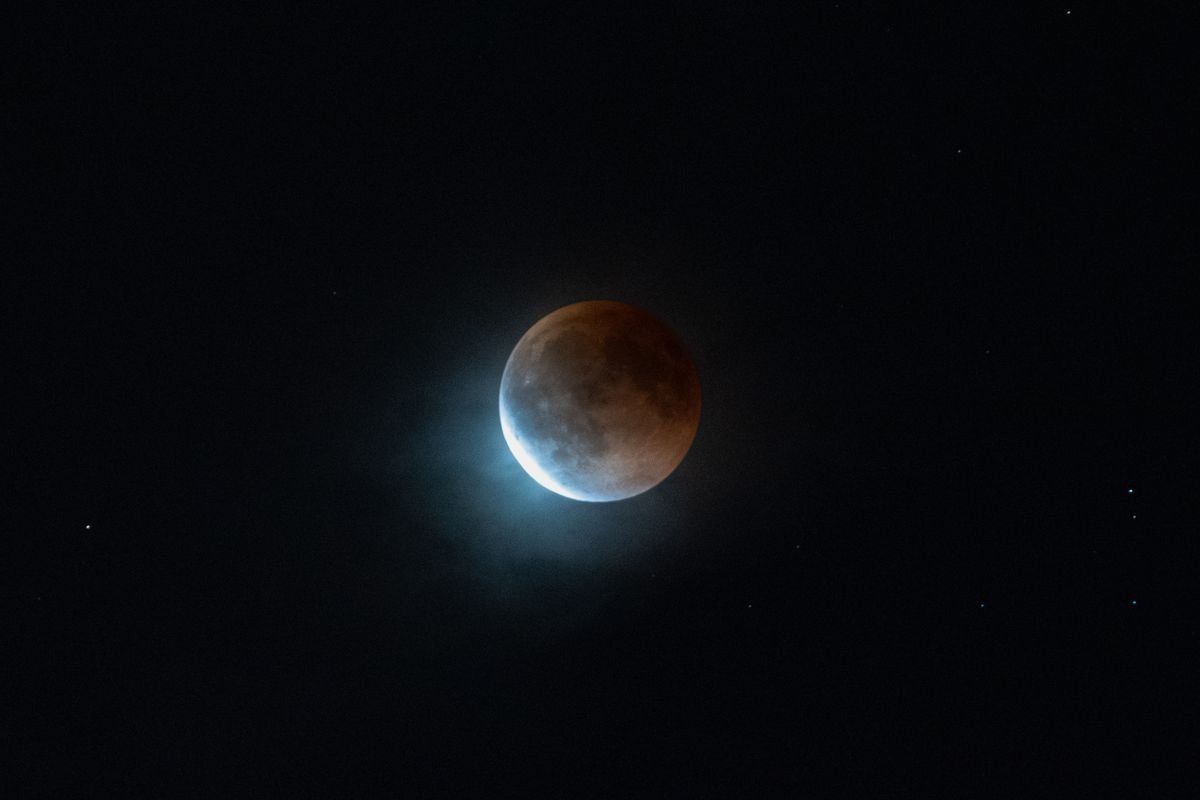
A lunar eclipse occurs when Earth moves between the Sun and the Moon. Because the alignment is not perfect this time, the Moon will not slip fully into the umbra, which is why this event is partial rather than total. Still, the coverage will be impressive: at maximum eclipse, roughly 93% of the Moon’s diameter will be inside Earth’s darkest shadow, with about 96% of its visible face appearing eclipsed.
That’s close enough to create a dramatic “almost Blood Moon” effect. In other words, the Moon won’t go full theatrical diva, but it will absolutely flirt with the role.
Eclipse time on August 28, 2026
The eclipse follows the same universal schedule everywhere, but your local clock will vary depending on your time zone. The most important moment is the maximum eclipse, when the Moon is deepest inside Earth’s umbra.
Here are the main phases in UTC:
| Phase | Time (UTC) | What you’ll see |
|---|---|---|
| Penumbral eclipse begins | 01:24 | A subtle dimming starts as the Moon enters Earth’s outer shadow |
| Partial eclipse begins | 02:34 | The dark umbral shadow starts taking a visible “bite” from the Moon |
| Maximum eclipse | 04:13 | The eclipse reaches its deepest stage |
| Partial eclipse ends | 05:52 | The Moon leaves the darkest part of Earth’s shadow |
| Penumbral eclipse ends | 07:02 | The event fully ends |
The total duration is about 5 hours and 38 minutes, while the more obvious partial phase lasts about 3 hours and 18 minutes. If you want the best visual payoff, focus on the hour before and after 04:13 UTC.
Where the eclipse will be visible best
The best views will be from places where the Moon stays well above the horizon during the deepest part of the eclipse. In general, the Americas are in the sweet spot, while western Europe and western Africa can still catch a memorable low-horizon view.
Unlike a solar eclipse, a lunar eclipse does not require you to stand in a narrow path. If the Moon is above your horizon during the event, you can see it. The difference is simply how much of the eclipse is visible and how high the Moon sits in the sky.
Best regions for viewing
South America offers the strongest overall conditions, with the entire eclipse visible and the Moon high in the sky near maximum. Much of North America also gets an excellent view, especially central and eastern areas.
- South America: excellent visibility, full event visible in most locations
- Central and eastern North America: very good visibility, including maximum eclipse
- Western North America: good visibility, though some places may miss the earliest phases at moonrise
- Western Europe: visible before moonset, but low on the horizon
- Western Africa: decent to good visibility before dawn
Regions with limited or no visibility
Some parts of the world will only catch the eclipse near moonset or miss it almost entirely. Much of Asia and Australia will not be in a favorable position for this event.
- Central and eastern Europe: limited view, Moon very low or setting near maximum
- Eastern Africa: partial early stages only in many places
- Most of Asia: generally not visible
- Australia: not visible
Best cities and viewing conditions
Some locations stand out because they combine long visibility with a comfortable Moon altitude. That makes the eclipse easier to enjoy and photograph, without fighting haze, buildings, or a suspiciously tall tree that suddenly becomes your mortal enemy.
| City | Visibility quality | What to expect |
|---|---|---|
| Buenos Aires | Excellent | Entire eclipse visible, Moon high at maximum |
| Lima | Excellent | Full event visible with very favorable sky position |
| New York | Very good | Entire eclipse visible overnight |
| Chicago | Very good | Strong view of maximum and partial phases |
| Los Angeles | Good | Moon rises during the eclipse, but maximum is visible |
| London | Fair to good | Maximum visible, but very low before moonset |
| Lisbon | Good | One of Europe’s better views, with a slightly higher Moon |
| Dakar | Good | Solid pre-dawn visibility from West Africa |
Will it be a Blood Moon?
This eclipse is not total, so it is not a classic Blood Moon. However, the deeply shadowed part of the Moon may still appear reddish or copper-colored, especially near maximum.
The red tint happens because sunlight passing through Earth’s atmosphere is filtered and bent toward the Moon. Blue light scatters more easily, while red wavelengths continue through, painting the eclipsed portion in warmer tones. Because this eclipse remains partial, a thin bright section of the Moon will stay outside the umbra, so the effect may look like a mix of silver, charcoal, and rusty orange.
So, no full Blood Moon certification stamp. But visually? It will still be pretty spectacular.
What moon phase is it on August 28, 2026?
The eclipse happens at the Full Moon phase. Lunar eclipses can only occur during a Full Moon, when the Moon is opposite the Sun in the sky and Earth can pass directly between them.
That means the Moon will normally be bright and round, which makes the shadow progression easy to notice. During this event, the Full Moon sits in the late-August sky and becomes the stage for one of the year’s most interesting astronomical moments. If you like your celestial events with maximum contrast and minimum equipment, this is your night.
How to watch the eclipse well
You do not need special eye protection to observe a lunar eclipse. The best approach is simply to choose a place with a clear view of the Moon and enough time to watch the eclipse develop gradually.
For a better experience, keep these tips in mind:
- Check your local moonrise or moonset time, especially in Europe, Africa, and the western US.
- Choose an open horizon: west-facing in Europe and Africa, east-facing in parts of western North America.
- Start early if you want to notice the penumbral dimming, though the real drama begins with the partial phase.
- Bring binoculars if you have them. They make the shadow edge much clearer.
- Watch near maximum for the strongest color and contrast.
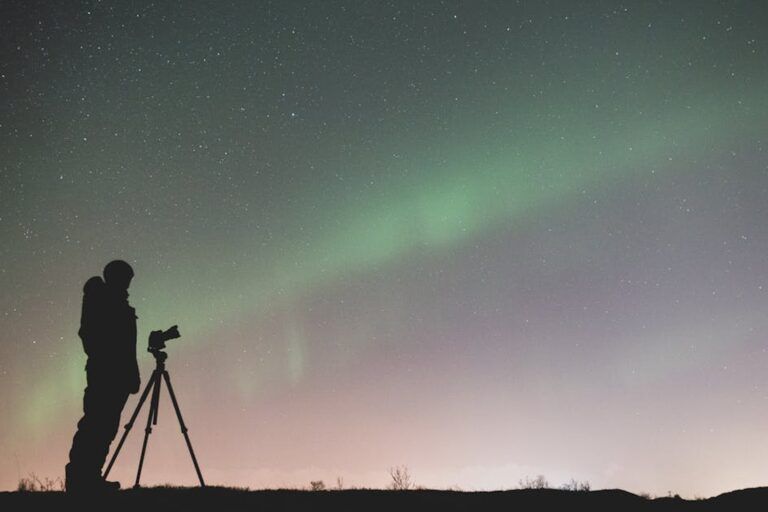
If you plan to photograph it, use a tripod and be ready to adjust exposure as the Moon darkens. The brightness changes more than many first-time eclipse photographers expect. The Moon loves to humble people with cameras. Politely, but firmly.
Why this eclipse is worth planning around
This is one of the most visually impressive lunar eclipses of 2026. Even without totality, the eclipse reaches a depth that makes it dramatic for casual viewers and rewarding for photographers.
It also follows the total solar eclipse of August 12, 2026 by just over two weeks, which is no coincidence. Solar and lunar eclipses often arrive in pairs during the same eclipse season. So if late August 2026 feels particularly cosmic, that’s because the sky is indeed showing off a little.
For travelers, this eclipse is a great excuse to combine a night under the stars with a memorable destination. Cities across South America, parts of the United States, and the Atlantic-facing edges of Europe and Africa offer especially appealing conditions.
And if you’re already dreaming about watching the sky from somewhere unforgettable, take a look at the WeRoad group trips for destinations where nature, scenery, and night skies make every moment feel a bit bigger.
FAQ
- Is there a blood moon on August 28?
-
Not a true total Blood Moon. The August 28, 2026 event is a partial lunar eclipse, but the shadowed area may still take on a reddish or copper color near maximum.
- What will happen on August 28, 2026?
-
A deep partial lunar eclipse will occur as the Full Moon moves through Earth’s shadow. Most of the Moon will darken, creating one of the most striking lunar events of the year.
- What is the phase of the Moon on August 28, 2026?
-
The Moon will be at the Full Moon phase. Lunar eclipses only happen during a Full Moon because Earth must line up between the Sun and the Moon.
- Is there a partial lunar eclipse on August 28th?
-
Yes. On August 28, 2026, there will be a partial lunar eclipse, with maximum eclipse at about 04:13 UTC.
- Do I need eclipse glasses to watch this lunar eclipse?
-
No. Lunar eclipses are safe to watch with the naked eye, unlike solar eclipses. You can also use binoculars or a telescope for a closer view.
- Where can I see the August 2026 lunar eclipse best?
-
The best visibility will be across South America and much of North America. Western Europe and western Africa also get views, though the Moon will be lower in the sky.