In a nutshell
- Munich’s 2026 Oktoberfest runs from September 19 to October 4 at Theresienwiese, the original home of the world’s most famous beer festival, with official ceremonies, parades, tents, rides, and Bavarian traditions throughout the event.
- Entry to the festival grounds is free, but visitors should budget for beer, food, transport, and especially accommodation, which becomes much more expensive during the festival period unless booked well in advance.
- Each tent offers a different atmosphere, from the historic opening energy of Schottenhamel to the traditional feel of Augustiner and the international crowd at Hofbräu, so choosing where and when to go can shape the entire experience.
- Reservations are useful but not always essential; they matter most for evenings, weekends, and groups, while early weekday visits often offer the best chance of finding unreserved seating with less stress and shorter queues.
- Good planning improves the trip significantly: use public transport, pack light, follow security rules, dress comfortably, and consider extending your stay to discover more of Munich beyond the festival itself.
Munich’s Oktoberfest is not just a beer festival. It is a city-sized celebration of Bavarian culture, music, food, traditions, and wonderfully chaotic group energy. One minute you are admiring traditional costumes, the next you are singing with strangers over a giant pretzel. It escalates quickly, in the best possible way.
Held on the famous Theresienwiese, this legendary event draws millions of visitors every year and turns Munich into one of Europe’s most exciting autumn destinations. If you are planning a trip for the 2026 edition, knowing the dates, costs, rules, and logistics in advance will make the experience smoother, cheaper, and far more fun.
When and where Munich’s Oktoberfest takes place in 2026
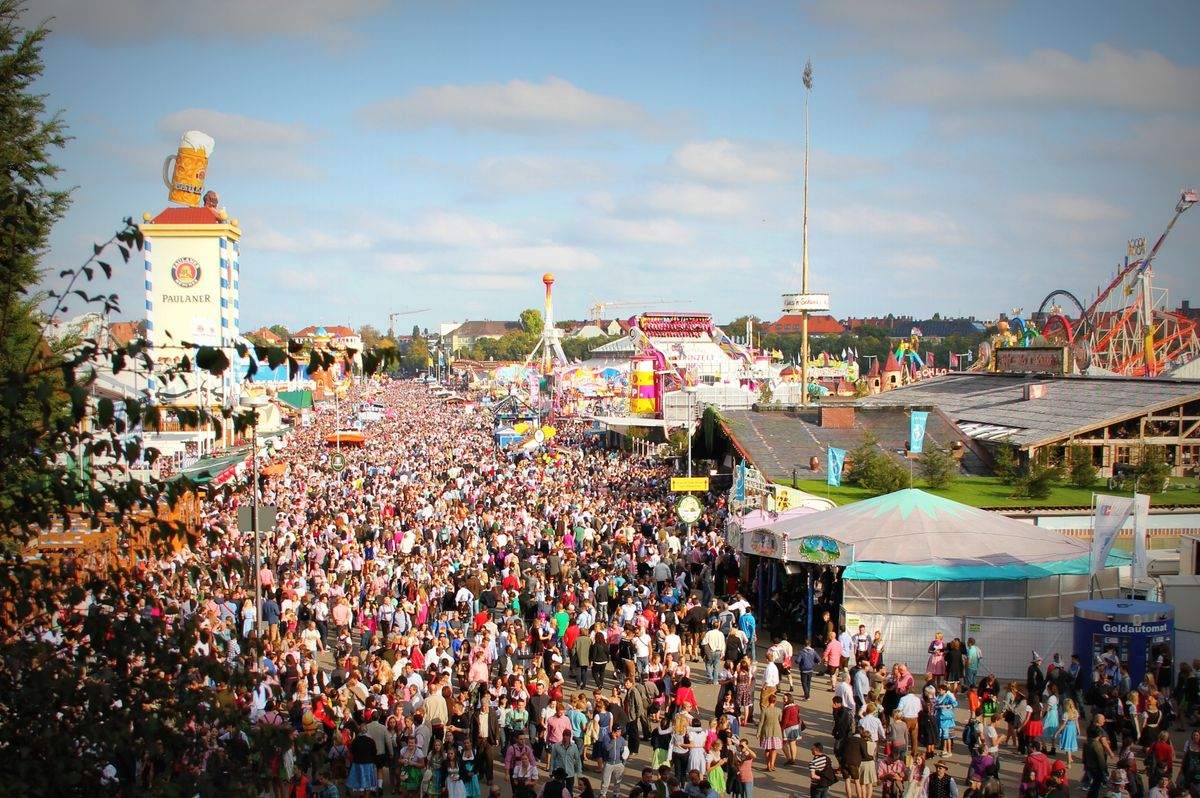
The 2026 festival will be held in Munich, Germany, at Theresienwiese, from September 19 to October 4, 2026. This is the original and most famous Oktoberfest in the world, often called simply the Wiesn by locals.
Theresienwiese is a large open fairground southwest of Munich’s historic center. It is easy to reach by public transport, and during the festival the entire area is clearly signposted. Even if your sense of direction normally disappears after one beer and half a bratwurst, you should still manage.
The opening day is especially famous for the official keg tapping ceremony in the Schottenhamel tent, when the Mayor of Munich starts the festivities with the traditional call, “O’zapft is!” There are also parades, brass bands, fairground rides, and special events throughout the 16-day celebration.
What Oktoberfest is really like
Oktoberfest combines a huge beer festival with a funfair, traditional food market, and cultural celebration. Visitors come for the beer tents, but the full experience also includes parades, music, local dishes, amusement rides, and a strong sense of Bavarian identity.
The atmosphere changes depending on where and when you go. During the day, many areas feel family-friendly and relaxed. In the evenings and on weekends, the energy rises dramatically. Tents fill up, songs get louder, and entire tables start swaying in suspiciously synchronized ways. It is festive, social, and surprisingly organized considering the scale.
You can expect:
- Large beer tents run by Munich breweries
- Traditional Bavarian food like roast chicken, pork knuckle, sausages, and pretzels
- Live brass bands and sing-alongs
- Carnival rides and games
- People in dirndls and lederhosen, from locals to enthusiastic first-timers
How much it costs to go to Oktoberfest in Munich
Entry to the festival grounds is generally free. Your main expenses will be food, drinks, transport, and accommodation. The biggest budget difference usually comes from where you stay and how early you book.
While exact 2026 prices can vary, Munich during Oktoberfest is rarely the moment for spontaneous bargain hunting. Hotels know what is happening. Apartment hosts know what is happening. Even your wallet knows what is happening.
| Expense | Typical expectation |
|---|---|
| Festival entry | Free for the grounds |
| Beer in tents | Usually around €13-€16 per liter, depending on the tent and year |
| Main dishes | Often €15-€30+ |
| Public transport | Budget for daily local transit or short-stay travel passes |
| Accommodation | Can range from budget hostels to very high hotel rates during peak days |
To save money:
- Book accommodation as early as possible.
- Stay slightly outside the city center near an S-Bahn or U-Bahn line.
- Visit on weekdays if you can.
- Set a daily budget before entering a tent full of cheerful bad influences.
Best tents and areas to explore
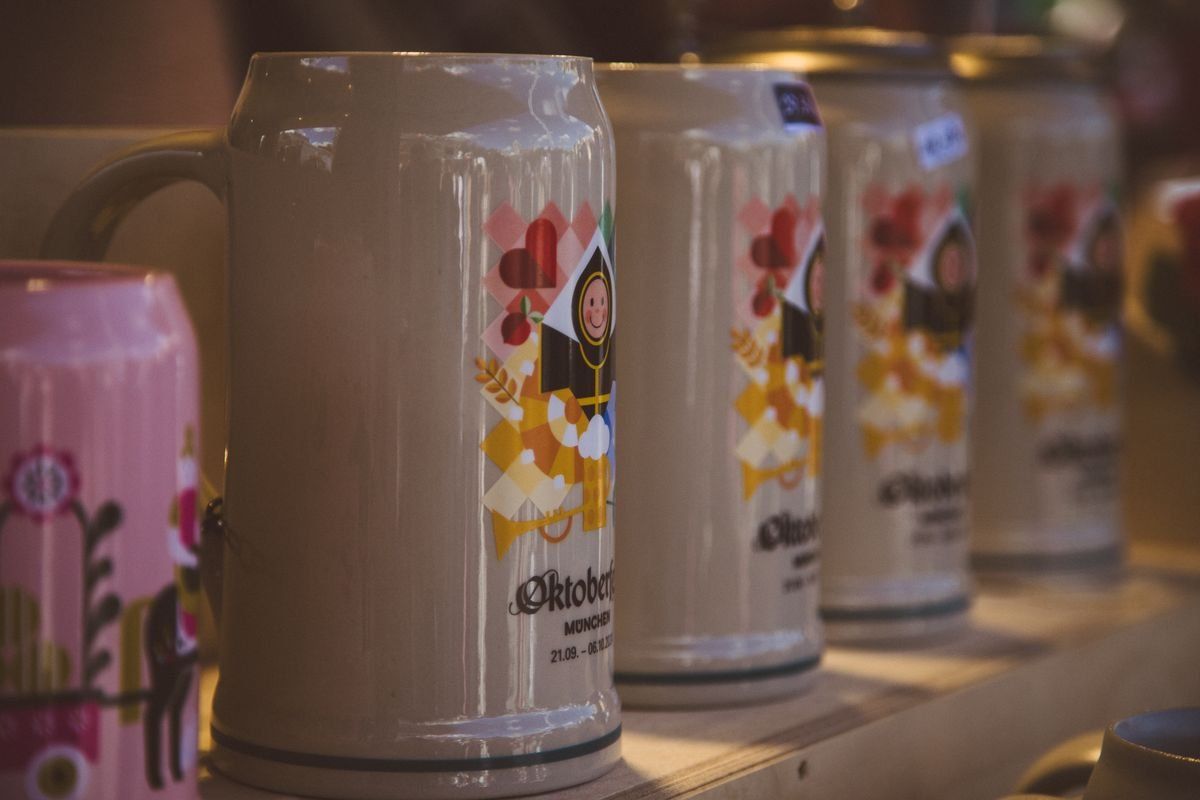
The festival features large and small tents, each with its own atmosphere, menu, and personality. Choosing the right tent matters because the experience can range from traditional and relaxed to lively and international.
Some tents are famous for history, others for food, music, or crowd type. You do not need to obsessively research all of them, but having a rough idea helps if you want a specific vibe rather than walking in blindly and ending up somewhere between a brass band and a table of people standing on benches at 2 p.m.
| Tent | Why it stands out |
|---|---|
| Schottenhamel | Hosts the official opening and attracts a younger, energetic crowd |
| Augustiner-Festhalle | Known for a more traditional atmosphere and beer served from wooden kegs |
| Hofbräu-Festzelt | Popular with international visitors and often lively from early on |
| Hacker-Festzelt | Famous for its festive mood and “Heaven of the Bavarians” interior |
| Käfer Wiesn-Schänke | Smaller, more exclusive, and known for food as much as beer |
Besides the big tents, smaller tents and food stalls can offer a more intimate experience. There is also Oide Wiesn, the historical section of the festival, which focuses on old-school Bavarian traditions, heritage rides, and a quieter cultural atmosphere.
Do you need reservations?
Reservations are not always required, but they are strongly recommended for evenings, weekends, and larger groups. Without a booking, you can still find unreserved seating, especially earlier in the day, but availability is never guaranteed.
Most tables in major tents are reserved in blocks, often including food and drink vouchers. If you are visiting with friends and want a stress-free experience, reserving ahead can be worth it. If you are flexible, arriving early gives you a fair chance of finding space in unreserved areas.
When reservations matter most
Reservations are most useful for busy time slots, especially Friday evenings, Saturdays, and special event days. These are the times when tents can fill quickly and entry lines become longer.
- Essential: weekend evenings, large groups, special celebrations
- Helpful: weekday evenings
- Less necessary: weekday mornings and early afternoons
What to wear to Oktoberfest
Traditional Bavarian clothing is optional, but many visitors enjoy dressing up. A dirndl for women and lederhosen for men are the classic choices, though casual clothes are also completely acceptable.
If you want to join the fun, choose something comfortable and weather-appropriate. September in Munich can be warm, cool, sunny, or damp, sometimes all before lunch. Stylish? Yes. Predictable? Absolutely not.
Practical clothing tips:
- Wear comfortable shoes you can stand in for hours
- Bring layers for chilly evenings
- Carry a light waterproof jacket if rain is possible
- Avoid costumes that feel gimmicky or uncomfortable for a full day
How to get there and move around Munich
Public transport is the easiest way to reach the festival. Munich has an efficient network of U-Bahn, S-Bahn, trams, and buses, and several stations are within walking distance of Theresienwiese.
Avoid driving if possible. Parking is limited, traffic is heavy, and combining beer with car keys is a spectacularly bad idea. Most visitors stay somewhere connected to the city center and rely on trains or the metro to move around.
Best transport tips
Staying near a public transport line will save time and stress. The festival area gets crowded, especially at peak times, so plan a little buffer into your day.
- Use public transport instead of taxis for the easiest access
- Buy day passes if you plan to explore beyond the festival
- Arrive early on weekends
- Save your accommodation address offline in case your phone battery gives up before you do
What is not allowed at Oktoberfest

Security rules are taken seriously at the festival. Large bags, dangerous items, and outside alcohol are generally not allowed. Policies can be updated each year, so it is important to check official visitor guidance before attending.
As a rule, expect bag checks and controlled entry points. This is a major international event, and safety is part of the organization. In general, avoid bringing anything bulky, sharp, illegal, or likely to make security staff raise an eyebrow.
Common restrictions include:
- Large bags or bulky luggage
- Weapons or dangerous objects
- Outside alcohol
- Illegal substances
- Drones or disruptive equipment
Also remember that behavior matters. Excessive drunkenness, aggression, and ignoring staff instructions are quick ways to ruin your own day and possibly someone else’s.
Where to stay for Oktoberfest 2026
Staying in Munich is the most convenient option, but nearby districts and well-connected suburbs can also work well. The key is booking early and choosing somewhere with easy transport links to the festival grounds.
Areas near the center are ideal for atmosphere and convenience, but they are also the first to become expensive. If central hotels feel offensively proud of their pricing, look at neighborhoods a little farther out with direct train access.
Good options include:
- Ludwigsvorstadt-Isarvorstadt for proximity to Theresienwiese
- Hauptbahnhof area for transport convenience
- Schwanthalerhöhe for easy access and local feel
- Outer districts connected by U-Bahn or S-Bahn for better prices
Making the most of your Munich trip
Oktoberfest is the headline act, but Munich deserves more than a quick in-and-out visit. Adding extra time lets you experience the city’s architecture, beer halls, museums, parks, and nearby Bavarian day trips.
Between festival days, explore Marienplatz, stroll through the English Garden, visit the Residenz, or sit down in a classic beer hall for a slower version of Bavarian hospitality. It is the perfect balance: one day in a giant tent singing with strangers, one day pretending to be refined in a museum.
If you want to experience Bavaria with the right mix of planning, spontaneity, and great company, take a look at WeRoad group trips to Germany and Munich.
FAQ
- Is Oktoberfest in Munich family-friendly?
-
Yes, parts of the festival are family-friendly, especially during the daytime. There are rides, games, food stalls, and calmer hours that are more suitable for children and visitors looking for a less intense atmosphere.
- Can you visit Oktoberfest without drinking beer?
-
Absolutely. Many people go for the food, music, traditional clothing, rides, and overall atmosphere. You can enjoy the tents and festival grounds without focusing on alcohol.
- How early should I book accommodation for Munich during Oktoberfest?
-
As early as possible. Booking several months in advance is highly recommended because prices rise quickly and the best-located options sell out first.
- Which day is best to visit Oktoberfest in Munich?
-
Weekdays are usually the easiest for a more relaxed experience, with fewer crowds and a better chance of getting into tents. Weekends are more energetic, but also much busier.
- Can I pay by card at Oktoberfest?
-
Some places may accept cards, but it is wise to check in advance and carry a payment backup. Policies vary by tent and vendor, so do not assume every stand is fully cashless.