
In a nutshell
- Traveling Europe by train works especially well because stations are central, the network is extensive, and many routes are faster door-to-door than flying, particularly between major cities such as Paris, Milan, Vienna, and Budapest.
- Interrail is best for flexible, multi-stop travel, while point-to-point tickets are often cheaper for fixed itineraries booked early; the right choice depends on how many destinations you plan to visit and how much spontaneity you want.
- Rail costs vary widely, but a typical trip can range from around €150 to over €600 depending on pass type, number of high-speed trains, reservation fees, and whether you use regional or night trains strategically.
- The smartest way to plan a Europe rail trip is to focus on one region, limit the number of stops, check real travel times before choosing cities, and book reservations early for popular high-speed or sleeper services.
- Countries like Switzerland, Italy, Germany, Austria, and Spain stand out for scenery, speed, route density, or comfort, and a night train such as Vienna to Berlin adds a memorable cross-border experience while saving time and accommodation.
Europe and trains are a bit like coffee and croissants: they simply make sense together. From city-center stations to panoramic alpine routes, rail travel turns the journey into part of the trip. If you’re wondering how to travel Europe by train, the short answer is this: plan a realistic route, choose the right pass or tickets, and book key reservations early.
It’s also one of the most satisfying ways to move across the continent. You skip airport chaos, arrive in the heart of the action, and watch landscapes change from vineyards to fjords to medieval skylines without ever taking off your shoes. Very convenient, very romantic, and only mildly dangerous for anyone tempted by station pastries every two hours.
Why train travel in Europe works so well
Train travel in Europe is worth it because the network is extensive, efficient, and designed to connect major capitals, smaller towns, and scenic regions. For many routes, trains are faster door-to-door than flying, and they offer more comfort, flexibility, and a lower environmental impact.
One of the biggest advantages is geography. Europe is compact, and many of its most famous cities sit just a few hours apart by rail. Think Paris to Brussels, Rome to Florence, or Vienna to Budapest. Instead of wasting half a day on airport transfers and security lines, you can settle into your seat, snack dramatically by the window, and arrive right in the middle of town.
Traveling by train also gives you more variety. You can mix:
- High-speed trains for fast links between major cities
- Regional trains for slower, local exploration
- Night trains to save time and accommodation costs
- Scenic rail routes for the kind of views that make your camera roll cry for mercy
Interrail or point-to-point tickets?
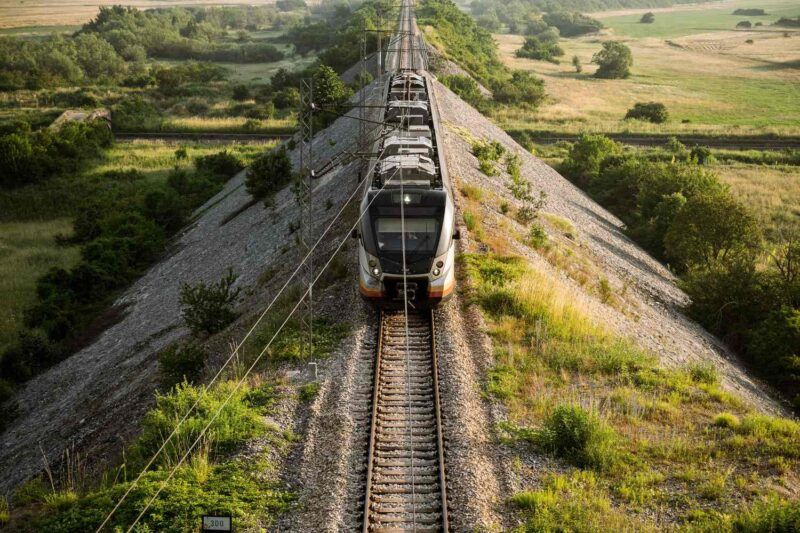
The best option depends on your style of travel. Interrail is ideal for multi-country trips with flexibility, while point-to-point tickets can be cheaper if your route is fixed and booked well in advance. The key is matching your ticket strategy to your itinerary.
Interrail is designed for European residents, while Eurail is the equivalent for non-European residents. In practice, the travel experience is similar: one pass, multiple countries, and the freedom to build your route around travel days.
When Interrail makes sense
Interrail is usually the better choice if you want flexibility across several countries without booking every single leg months in advance. It works especially well for travelers who plan to visit multiple cities and prefer keeping some room for spontaneous changes.
- You want to visit 4 or more cities in different countries
- You like flexible travel days
- You plan to use a mix of long and short train rides
- You value convenience over hunting separate fares for every leg
When individual tickets are better
Point-to-point tickets are often cheaper for travelers with a fixed itinerary, particularly on routes with strong high-speed competition. Booking early can unlock excellent prices, especially in countries like Italy, France, Spain, and Germany.
- Your dates are fixed
- You only plan a few long-distance journeys
- You can book weeks or months in advance
- You want the lowest possible fare on specific routes
How much does it cost to travel Europe by train?
The cost of traveling Europe by train varies widely depending on route, season, speed, and booking style. A budget-conscious rail trip can be affordable, while a fast, reservation-heavy itinerary across big capitals will cost more. Planning smart matters more than chasing the absolute cheapest option.
Here is a general cost overview for a one- to two-week trip:
| Travel style | Estimated rail budget | What it includes |
|---|---|---|
| Budget | €150–€300 | Regional trains, early bookings, fewer countries |
| Mid-range | €300–€600 | Interrail pass or mixed tickets, some reservations |
| Fast-paced | €600+ | High-speed trains, frequent long routes, sleeper add-ons |
Keep in mind that a rail pass does not always cover everything. You may also need:
- Seat reservations on many high-speed and night trains
- Supplements for premium scenic routes
- Local transit to and from stations
- Accommodation unless you use overnight trains strategically
The classic money-saving move is balancing expensive routes with reservation-free regional trains. The classic mistake is planning twelve countries in ten days and discovering that your main souvenir is a detailed memory of station ceilings.
How to plan a Europe trip by train

A good rail itinerary starts with fewer stops, logical geography, and enough buffer time. The smartest plan is not the one with the most pins on a map, but the one that gives you time to enjoy each destination without turning the holiday into an Olympic transfer event.
- Choose a region first, not the whole continent. Focus on Central Europe, Italy, Iberia, or Scandinavia.
- Limit your stops. For 10 to 14 days, 4 to 6 destinations is usually ideal.
- Check route times before locking in cities. A route that looks close on a map may involve long changes.
- Decide pass vs tickets based on flexibility and total mileage.
- Reserve key trains early, especially high-speed and night services.
- Leave margin for delays and station changes, particularly in large cities.
A very workable first-timer route could look like this: Amsterdam – Brussels – Paris – Zurich – Milan. It combines iconic cities, manageable travel times, and one particularly gorgeous alpine section. Another easy classic is Prague – Vienna – Budapest, which is compact, culturally rich, and full of stations where you will absolutely consider buying “just one small snack” and leave with enough pastries for a village.
Best countries in Europe for train travel
No single country is objectively best for every traveler, but some stand out for speed, scenery, coverage, or value. The right choice depends on whether you prioritize efficiency, dramatic landscapes, easy planning, or a mix of all three.
| Country | Best for | Why it stands out |
|---|---|---|
| Switzerland | Scenic routes | World-class alpine panoramas, precise connections, spotless trains |
| Italy | Fast city-hopping | Excellent high-speed links between major cultural cities |
| Germany | Network coverage | Strong domestic and international rail connections |
| Austria | Comfort and night trains | Great rail infrastructure and strong sleeper train options |
| Spain | Modern high-speed travel | Fast AVE routes and growing competition on major lines |
If you want the easiest first rail trip, Italy and Central Europe are hard to beat. If you want cinematic windows and a strong urge to narrate your own life like a travel documentary, Switzerland will absolutely deliver.
Types of trains you will use
Most rail trips across Europe combine several train categories. Knowing the difference helps you understand travel times, booking rules, and comfort levels. It also prevents that special kind of confusion that happens when you confidently board the wrong train with a sandwich and no plan.
High-speed trains
High-speed trains are the fastest option between major cities and usually offer comfortable seating, luggage space, and onboard services. They are ideal for covering long distances quickly, but many require advance seat reservations.
Examples include:
- TGV in France
- Frecciarossa and Italo in Italy
- ICE in Germany
- AVE in Spain
- Railjet in Austria and nearby countries
Regional trains
Regional trains are slower but very useful for short distances and smaller towns. They usually do not require reservations, which makes them a flexible and budget-friendly option for filling gaps in your itinerary.
Night trains
Night trains can save daylight hours and one hotel night while letting you cover longer distances. They are especially valuable on cross-border routes, though sleepers and couchettes often need separate reservations and book up early.
One memorable experience to include is a night train between Vienna and Berlin. You fall asleep in Austria and wake up in Germany, which feels delightfully efficient and just a tiny bit like teleportation with blankets.
Practical tips for smooth train travel
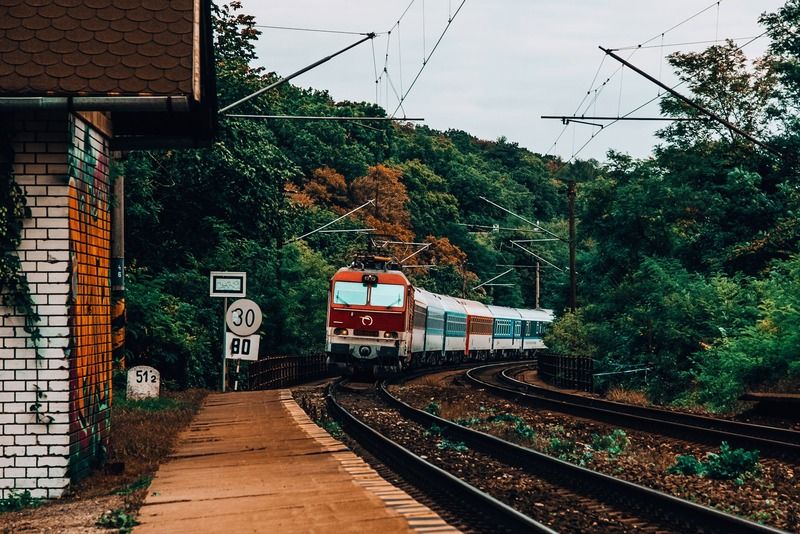
The most successful train trips are usually the simplest. Pack light, monitor schedules, and treat major reservations as non-negotiable. Once the basics are under control, the rest becomes much easier and far more enjoyable.
- Travel with manageable luggage. Stations often mean stairs, platforms, and quick changes.
- Use a rail app to store tickets and check live departures.
- Arrive early for major stations, especially in Paris, Milan, or Barcelona.
- Validate or activate correctly if your pass requires it.
- Reserve popular trains early in summer and around holidays.
- Bring food and water, because not every train has a dining car and platform snacks are a financial lifestyle choice.
Also remember that some routes require station changes within the same city. In places like Paris or London, that can add real time and stress, so always check the exact departure station before the day of travel.
Route ideas for a first Interrail adventure
First-time rail travelers should choose routes that are scenic, realistic, and easy to connect. The best itineraries combine short travel times with strong variety, allowing you to experience different cultures without spending every other day decoding platform screens.
Classic capitals
This route works well for first-timers who want iconic cities, simple logistics, and a strong mix of architecture, food, and nightlife. It keeps travel days manageable while giving you a satisfying multi-country experience.
- Amsterdam
- Brussels
- Paris
- Berlin
- Prague
Central Europe made easy
This option is compact, affordable, and perfect for a 7- to 10-day trip. Distances are short, train links are strong, and each city has a distinct character that makes the route feel varied without becoming exhausting.
- Prague
- Vienna
- Bratislava
- Budapest
Scenic southbound route
This itinerary is ideal if you want cities plus major scenery. It mixes culture with one of Europe’s most beautiful mountain crossings, creating a rail trip that feels rewarding both on and off the train.
- Paris
- Zurich
- Chur
- Tirano
- Milan
Your rail adventure starts with the right pace
The best way to travel Europe by train is to keep your route focused, your expectations realistic, and your ticket strategy aligned with your travel style. A great rail trip is not about seeing everything. It is about moving well, staying curious, and leaving room for the unexpected.
That might mean a spontaneous stop in a smaller town, a scenic regional train you hadn’t planned for, or the joy of waking up in a new capital after a sleeper ride. Europe by rail rewards flexibility, but it rewards smart planning even more.
If you’d like to experience Europe with company, structure, and none of the stress of organizing every detail yourself, take a look at WeRoad group trips in Europe and find the route that matches your travel mood.
FAQ
- Do I need seat reservations with an Interrail pass?
-
Not always. Many regional trains do not require them, but high-speed trains and night trains often do. It is important to check each route in advance, especially in France, Spain, Italy, and on international sleeper services.
- Is traveling Europe by train worth it compared to flying?
-
Yes, in many cases it is. Trains usually offer more comfort, central arrivals, fewer hidden time costs, and better scenery. For short and medium-distance routes, rail can be more efficient overall than air travel.
- How far in advance should I book trains in Europe?
-
For high-speed and night trains, booking several weeks or even months ahead is wise, especially in summer. For regional trains, advance booking is often unnecessary, which gives you more flexibility on the road.
- What is the easiest Europe train itinerary for first-timers?
-
A route like Prague, Vienna, Bratislava, and Budapest is one of the easiest. Distances are short, connections are simple, and the cities offer a strong mix of culture, food, and architecture without requiring intense travel days.
- Can I travel Europe by train on a budget?
-
Yes. Choose fewer countries, mix regional and long-distance trains, book fixed routes early when possible, and avoid unnecessary reservation-heavy itineraries. Night trains can also reduce accommodation costs if used wisely.