In a nutshell
- Europe is ideal for first-time independent travel because it offers reliable transport, short distances between countries, and a huge variety of cultures, landscapes, and city styles without overly complex logistics.
- The best first itinerary is regional, not continental: focusing on 3 to 5 stops, staying at least 2 to 3 nights per destination, and choosing nearby cities helps reduce stress, wasted travel time, and unnecessary costs.
- A realistic budget for backpacking Europe often ranges from €60 to €160+ per day depending on comfort level, while keeping an extra 20% emergency margin is a practical way to handle changes, upgrades, and unexpected expenses.
- You do not need to rely only on hostels: private hostel rooms, guesthouses, budget hotels, and serviced apartments can make a first trip more comfortable while preserving flexibility and keeping costs manageable.
- Central Europe is one of the strongest options for beginners thanks to good value, easy train connections, and rewarding cities like Prague, Vienna, Budapest, and Krakow that balance culture, affordability, and accessibility.
Europe has a way of making first trips feel bigger than life: one day you are sipping coffee in a grand square, the next you are on a train crossing borders before your playlist even gets dramatic. For many travelers, backpacking Europe sounds like the classic rite of passage, but your first trip does not need to mean only bunk beds, rushed check-ins, and mystery leftovers in a hostel fridge.
Traveling Europe for the first time can be flexible, social, and budget-aware without feeling chaotic. The sweet spot is building an itinerary that gives you freedom while still making room for comfort, better local experiences, and the occasional proper shower where you do not have to wear flip-flops like they are emotional support shoes.
Why Europe is ideal for a first backpacking trip
Europe is one of the easiest regions for first-time independent travel because countries are well connected, tourism infrastructure is strong, and short distances let you experience variety without exhausting logistics. You can combine major cities, smaller towns, and nature in one trip while keeping transport, safety, and planning relatively manageable.
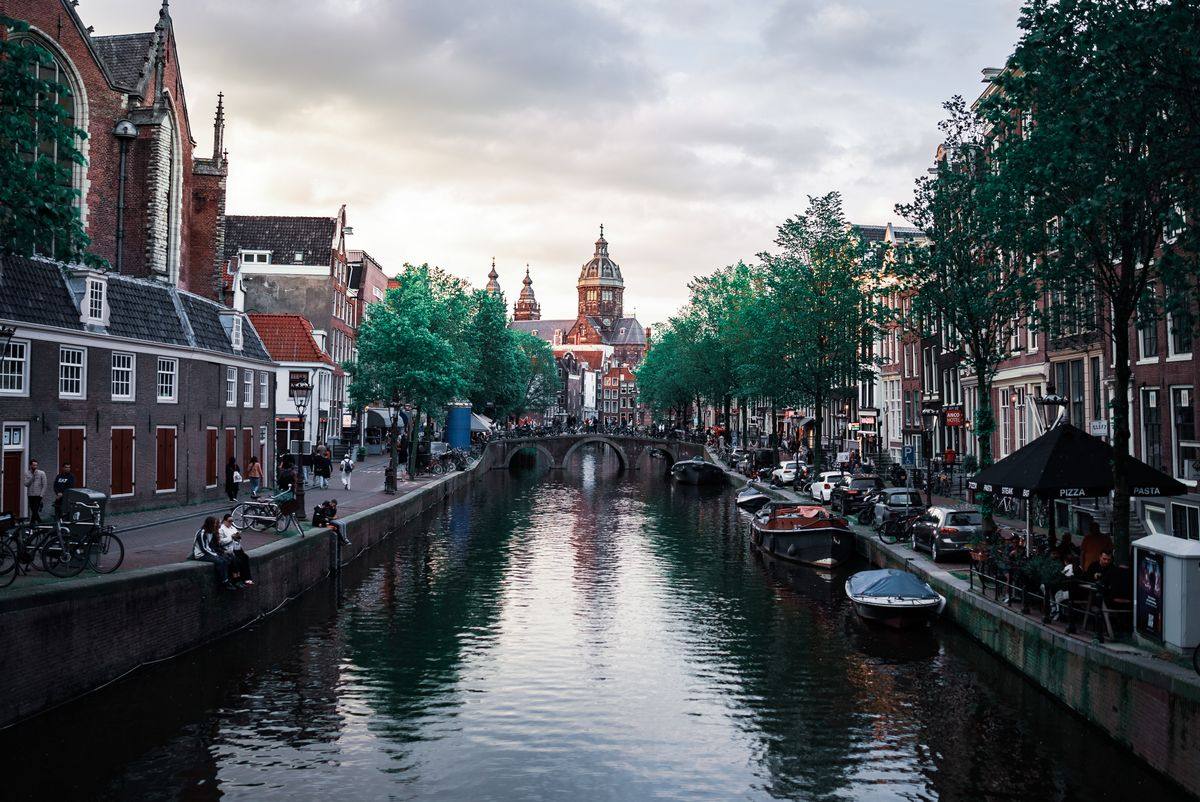
One of the biggest advantages is how quickly the scenery changes. You can go from Amsterdam canals to Prague squares, then onto Budapest baths or the Italian coast without needing expedition-level planning. Trains, buses, and budget flights make moving around simple, and most destinations have enough English support to help first-timers navigate without breaking into a cold sweat.
That said, Europe rewards a bit of strategy. The best first trip is not the one with the most flags collected. It is the one where you still recognize your own face in the mirror by day ten.
Discover the best places to visit in Europe
How to plan your first Europe route
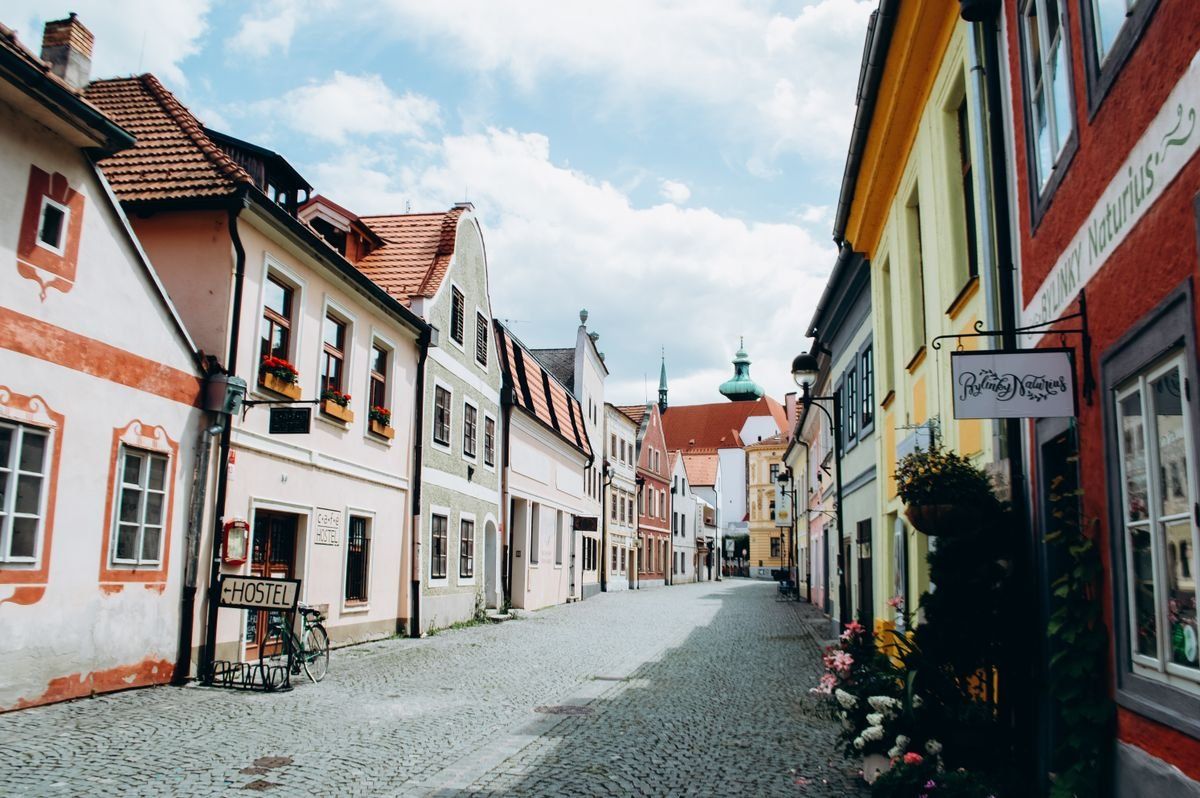
A strong first itinerary focuses on fewer stops, shorter travel times, and a clear regional logic. Instead of trying to see the whole continent, choose one area and travel through it well. This saves money, reduces stress, and gives you time to actually experience places instead of only arriving and leaving them.
The classic mistake is trying to “do Europe” in two weeks. Europe is not a museum speedrun. For a first trip, pick 3 to 5 destinations depending on your pace and trip length.
A simple rule for first-timers
Stay at least two or three nights in each stop whenever possible. This creates enough time to explore, rest, and deal with transport delays or weather changes. It also makes your trip feel less transactional and more immersive, which is usually the point of traveling in the first place.
- 7-10 days: 2 or 3 destinations
- 2 weeks: 3 to 5 destinations
- 3 weeks: 5 to 7 destinations, only if travel legs are efficient
Best route styles for a first trip
Choosing destinations that are geographically close helps keep your route smooth. Regional travel clusters are easier to manage than zigzagging across the continent for one famous landmark and a blurry airport sandwich.
| Route style | Best for | Example stops |
|---|---|---|
| Western Europe highlights | First iconic trip | London, Paris, Amsterdam, Brussels |
| Central Europe loop | Better value and easy transport | Berlin, Prague, Vienna, Budapest, Krakow |
| Southern Europe mix | Food, coast, slower pace | Barcelona, Nice, Florence, Rome |
| Balkans sampler | Offbeat and budget-friendly | Ljubljana, Zagreb, Split, Kotor |
Budgeting without ruining the fun
Europe can fit different budgets, but costs vary widely by country, season, and travel style. Western and Northern Europe are usually more expensive, while Central and Eastern Europe often offer better value. The smartest budget is one that covers essentials comfortably and leaves room for unexpected costs and memorable experiences.
A realistic daily budget for first-time backpackers often looks like this:
- Budget style: €60-90 per day
- Mid-range backpacking style: €100-160 per day
- More comfort and private stays: €170+ per day
These ranges usually include accommodation, local transport, food, sightseeing, and a little margin. International flights are generally separate.
A useful principle is the so-called 20% rule: keep around 20% of your total budget aside for surprises, upgrades, or mistakes. In other words, when your overnight bus gets canceled or you suddenly decide that a private room is essential for preserving your sanity, future-you will be grateful.
And yes, $5000 for 2 weeks in Europe is more than enough for many travelers, especially if flights are booked smartly and you balance a few splurges with practical choices. You do not need to live on supermarket bread alone, though Europe does make that option suspiciously delicious.
Where to stay beyond the classic hostel dorm
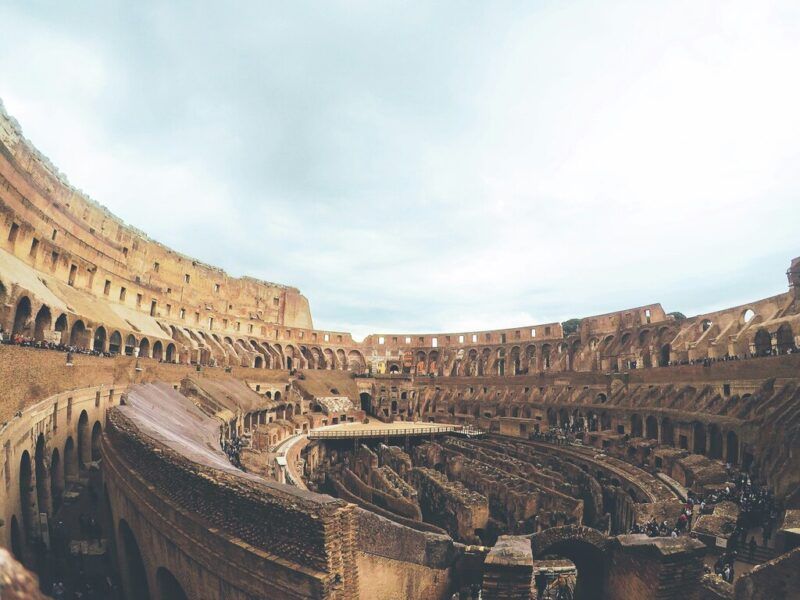
Hostels are still useful, but they are no longer the only practical option for backpack-style travel. First-time travelers can combine social accommodations with private rooms, guesthouses, aparthotels, and local rentals to create a more comfortable and varied trip without losing flexibility.
Think of accommodation as part of the experience, not just a mattress with Wi-Fi. A smart mix can improve sleep, location, and overall mood dramatically.
Good alternatives to full-time hostels
Mixing accommodation types often gives you the best of both worlds: social energy when you want it, privacy when you desperately need not to hear someone unzip a backpack at 2:14 a.m.
- Private hostel rooms: ideal if you want atmosphere without dorm life
- Guesthouses and B&Bs: great for local character and quieter nights
- Budget hotels: often worth it in pairs or small groups
- Serviced apartments: useful for longer stays and self-catering
- Small-group trips: helpful if you want structure with independence
If your trip is your first ever in Europe, booking at least the first few nights in advance is wise. Landing in a new city while tired, dragging a bag over cobblestones, and trying to compare twelve tabs on your phone is not the glamorous movie moment people promised.
Transport tips that make the trip easier
For first-timers, trains and long-distance buses are usually the easiest ways to move between cities. They are often central, simple to book, and less stressful than short flights. The best transport choice depends on distance, timing, luggage, and whether saving time or money matters more on your route.
In practice, here is what works best:
- Use trains for scenic and medium-distance routes
- Use buses when they are much cheaper and travel times are reasonable
- Use flights only for long jumps or when land travel eats a full day
- Walk often once you arrive, especially in historic centers
Do not assume a rail pass is always the cheapest option. On some routes, point-to-point tickets booked early cost less. Compare first, romanticize later.
What to pack for backpacking Europe

Packing light is one of the most useful decisions for a first Europe trip. You will move more easily, pay fewer baggage fees, and spend less energy managing stuff. A smaller bag also forces smarter choices, which is good, because you do not need six outfits “just in case.” Europe has shops. Civilization happened here.
A practical first-trip packing list includes:
- One carry-on or medium backpack
- 3 to 5 versatile outfits
- Comfortable walking shoes
- Light rain layer
- Power adapter for Europe
- Phone, charger, power bank
- Basic toiletries in travel size
- Passport, cards, insurance details
Choose layers over bulky items, and prioritize clothes you can mix easily. If an item works only for one dinner and one photo, it is probably not earning its luggage rights.
Best countries in Europe for first-time backpackers
The best country depends on your budget, interests, and travel confidence, but some destinations are especially beginner-friendly because they combine good transport, strong tourism services, and a rewarding mix of sights. Central Europe is often the easiest starting point for value, variety, and manageable logistics.
If you want a practical shortlist, consider these:
- Portugal: easygoing, scenic, relatively affordable, great for food and coast
- Italy: iconic and unforgettable, though busier and more expensive in hotspots
- Czech Republic: excellent value and very accessible for first-timers
- Hungary: affordable, lively, and well connected
- Slovenia: compact, beautiful, and easy to combine with nearby countries
For many first trips, Central Europe is the sweet spot. Cities like Prague, Vienna, Budapest, and Krakow are close together, rich in culture, and generally easier on the wallet than Paris or Scandinavia.
How to travel beyond the hostel mindset
Traveling beyond the hostel means choosing quality over travel clichés. It is about building a trip with better pacing, more local experiences, and accommodation that supports your energy, not drains it. You can still travel lightly and affordably while making space for comfort, spontaneity, and meaningful connections.
That could mean booking a private room every few nights, taking a cooking class instead of a pub crawl, or spending a full extra day in one city just because it feels right. Revolutionary, really.
Some easy ways to level up the experience:
- Stay in neighborhoods, not only near stations
- Mix famous cities with one smaller town
- Leave time for markets, walks, and day trips
- Choose one or two memorable paid experiences instead of ten rushed attractions
- Accept that rest is part of the itinerary
Make your first Europe trip feel like your own
The best first trip to Europe is not the cheapest, fastest, or most packed. It is the one that feels sustainable, exciting, and personal from start to finish. With a smart route, a realistic budget, and a more flexible approach to accommodation, your first journey can be both classic and comfortably beyond the hostel.
If you want to explore the continent with the right balance of independence, shared moments, and local discovery, take a look at WeRoad group trips in Europe and find the route that fits your style.
FAQ
- What is a realistic budget for backpacking in Europe?
-
A realistic budget is usually €60-90 per day for a strict budget trip, €100-160 for a more comfortable backpacking style, and more if you prefer private rooms or frequent paid activities. Costs depend heavily on destination and season.
- What is the 20% rule for backpacking?
-
The 20% rule means setting aside about 20% of your total trip budget for unplanned expenses. This can cover transport changes, a last-minute private room, higher food costs, or any surprise that appears the second you start feeling financially confident.
- Is $5000 enough for 2 weeks in Europe?
-
Yes, $5000 is generally enough for 2 weeks in Europe for most travelers, and it can even allow for a comfortable trip if flights are booked wisely. In more expensive countries, you will still want to track spending, but it is a solid overall budget.
- What is the best country in Europe to go backpacking?
-
There is no single best country for everyone, but Portugal, Italy, Czech Republic, Hungary, and Slovenia are all excellent choices. For first-timers, Central Europe often offers the best balance of cost, beauty, and ease.
- Should I book everything in advance for my first Europe trip?
-
Not everything. It is smart to book your arrival stay, key transport legs, and high-season accommodation in advance. Leave some flexibility for smaller decisions so your trip feels structured but not overplanned.
- Is backpacking Europe only for young travelers staying in dorms?
-
Not at all. Backpacking Europe today can mean traveling light, moving often, and staying flexible, while still choosing private rooms, boutique guesthouses, or small-group travel experiences that feel more comfortable and personal.