In a nutshell
- Berlin combines major history with contemporary culture, making it ideal for travelers who want to explore landmarks like the Brandenburg Gate, Reichstag, Holocaust Memorial and Topography of Terror while also discovering lively neighborhoods.
- The city’s street art scene is one of its defining features, especially around the East Side Gallery, Kreuzberg and Friedrichshain, where murals, alternative spaces and local character create a dynamic urban experience.
- Museums in Berlin add depth to any itinerary, from Museum Island and the Jewish Museum to the DDR Museum and Sachsenhausen Memorial, each offering a different perspective on art, memory and political history.
- Boat trips, rooftops and Teufelsberg offer fresh views of the city, helping visitors understand Berlin’s scale while balancing walking-heavy days with scenic and memorable experiences.
- Berlin is an excellent city break in every season, with two days enough for highlights, three or more days ideal for a fuller experience, and spring or autumn often the best times to enjoy both outdoor exploration and cultural stops.
Berlin is the kind of city that refuses to fit into one neat little box. It is elegant and rough around the edges, heavy with history and buzzing with creative energy. One moment you are standing in front of a world-famous landmark, and the next you are sipping a drink in a warehouse bar covered in murals.
That contrast is exactly what makes the German capital so memorable. If you are planning a short city break or mapping out a longer stay, Berlin offers a mix of historic sites, open-air art, great museums and nightlife districts that somehow all work together without ever feeling forced.
Why Berlin is worth visiting
Berlin stands out because it combines major historical landmarks with a relaxed, alternative spirit. You can learn about the twentieth century, walk along the remains of the Wall, browse independent shops and end the night in a bar that looks like it was designed by a very talented insomniac.
It is also a city that rewards curiosity. Yes, the big sights matter, but some of the best moments come from wandering into a courtyard, spotting a giant mural on the side of a building or finding a canal-side terrace just when your feet are negotiating a strike.
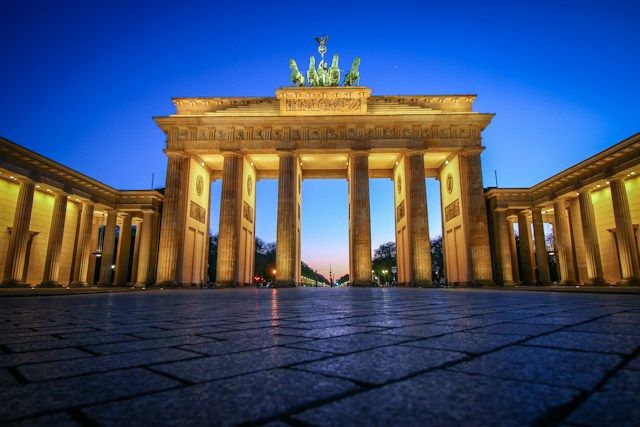
Berlin’s essential historic landmarks
Berlin’s historic core is compact enough to explore on foot and rich enough to fill an entire day. The key landmarks reveal the city’s political, cultural and wartime history, making them a strong starting point for any first visit.
Start with the Brandenburg Gate, the city’s best-known symbol and a powerful reminder of Berlin’s divided past and reunification. From there, walk to the nearby Reichstag, seat of the German parliament. Its glass dome is one of the most interesting viewpoints in the city, but book ahead because spontaneous genius is not always rewarded here.
Continue toward the Memorial to the Murdered Jews of Europe, often called the Holocaust Memorial. The grid of concrete slabs creates a quiet, disorienting space that encourages reflection rather than spectacle. It is one of Berlin’s most affecting places and deserves time.
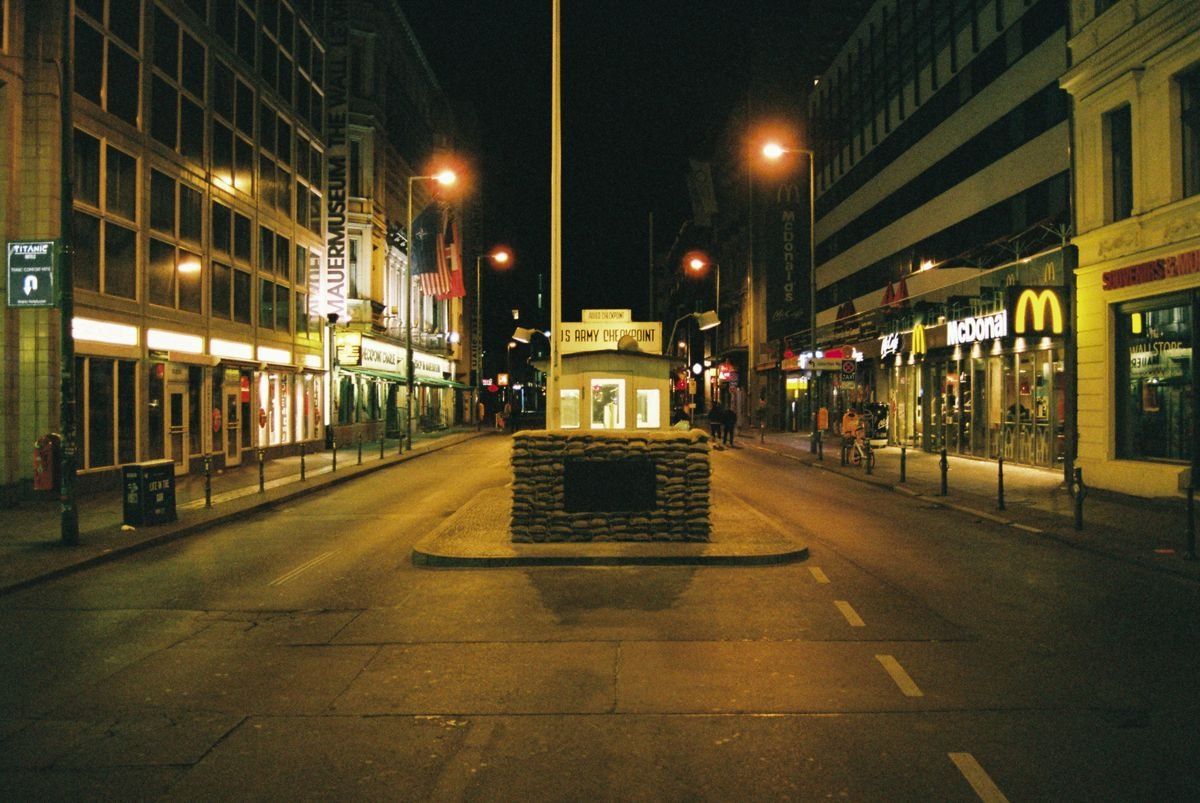
Another essential stop is Checkpoint Charlie. It can feel touristy, yes, but it still helps frame the story of East and West Berlin. Pair it with a visit to Topography of Terror, the open-air and indoor museum built on the former site of the Gestapo and SS headquarters. It is direct, well curated and crucial for understanding the darker layers of the city.
A practical route for first-time visitors
A good first route connects several major sites in one area. This helps you understand Berlin’s history before moving on to its more alternative neighborhoods and cultural spaces.
- Begin at Brandenburg Gate
- Walk to the Reichstag
- Continue to the Holocaust Memorial
- Head south to Topography of Terror
- Finish around Checkpoint Charlie
Street art and Berlin’s creative side
Berlin is one of Europe’s most compelling cities for street art. Murals, paste-ups and political messages appear across entire neighborhoods, turning everyday streets into a constantly changing outdoor gallery.
The most iconic place to begin is the East Side Gallery, the longest remaining stretch of the Berlin Wall transformed into public art. Walking along it gives you both a visual and historical experience, and it remains one of the most meaningful ways to see how Berlin turned division into expression.
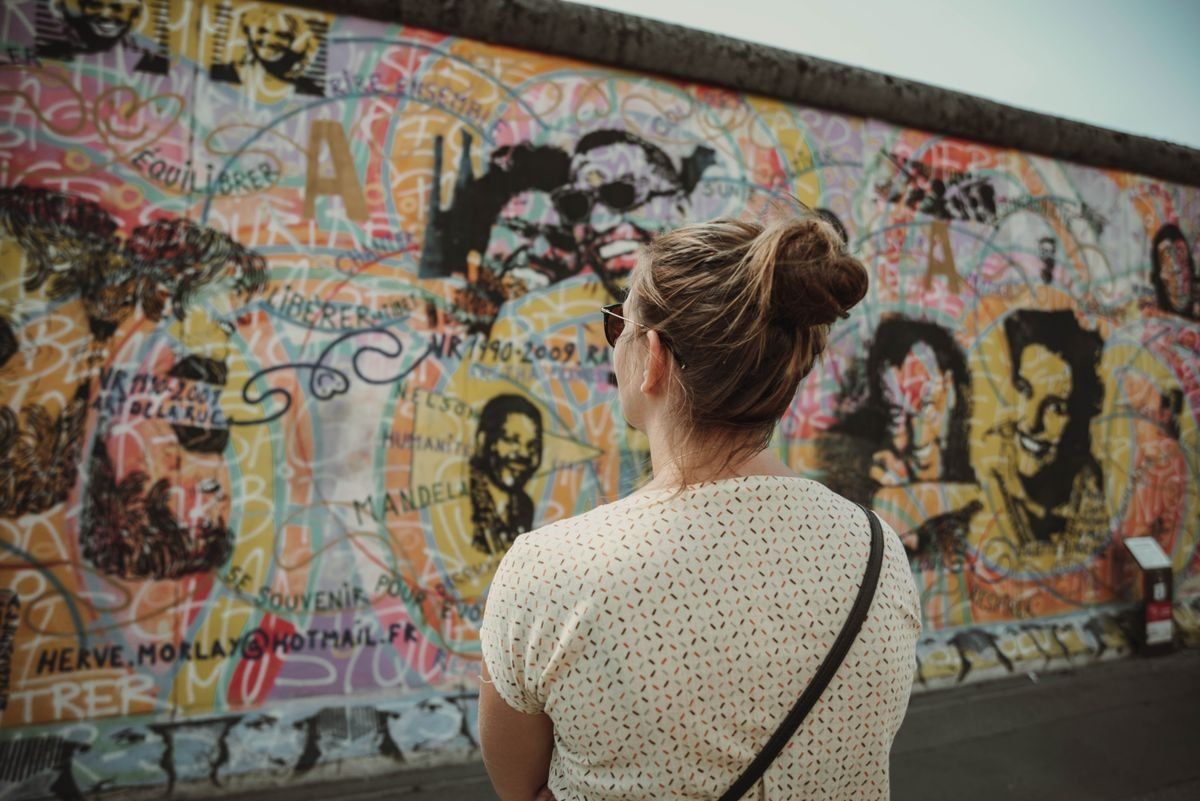
From there, cross the striking Oberbaumbrücke into Kreuzberg and Friedrichshain, two districts where Berlin’s alternative identity still feels very alive. Kreuzberg is especially good for a street art hunt: side streets, courtyards and facades regularly reveal bold, large-scale works. Keep an eye out for Victor Ash’s Astronaut mural on Skalitzer Straße, which has become one of the city’s most recognizable urban artworks.
If you want something more polished but still full of character, wander through Hackesche Höfe. These Art Nouveau courtyards mix boutiques, cafés and small galleries, showing a different side of Berlin’s creative scene. It is less gritty, more graceful, but still unmistakably Berlin.
Best areas for art, atmosphere and wandering
Some neighborhoods offer a stronger mix of murals, local shops and laid-back places to stop for food or coffee. These are the areas where Berlin feels most spontaneous.
- Kreuzberg: murals, canals, bars and multicultural food
- Friedrichshain: alternative vibe, nightlife and post-industrial scenery
- Hackescher Markt: courtyards, galleries and design shops
- Neukölln: vintage shopping, street food and local energy
Museums and cultural stops to add to your itinerary
Berlin offers museums for almost every interest, from archaeology and fine art to the Cold War and daily life in the former GDR. Even if museums are not usually your thing, Berlin may convert you with surprising efficiency.
Museum Island, a UNESCO World Heritage Site, is the city’s most famous museum complex. It is home to major collections and beautiful architecture, making it ideal if you want a classic cultural stop. Nearby, the Berlin Cathedral adds a dramatic skyline moment and a lovely riverside setting.
For more recent history, consider the DDR Museum, which explores everyday life in East Germany in an interactive way, or the Jewish Museum Berlin, one of the city’s most powerful cultural institutions. If your schedule allows for a deeper and more challenging visit, the Sachsenhausen Memorial in Oranienburg is an important day trip that confronts the history of the Nazi camp system with clarity and seriousness.
| Place | Why visit | Best for |
|---|---|---|
| Museum Island | World-class collections in a central historic setting | Art, archaeology, architecture |
| Topography of Terror | Essential documentation of Nazi persecution | Modern history |
| DDR Museum | Interactive look at life in East Germany | Cold War context |
| Jewish Museum Berlin | Deep, moving and architecturally striking experience | Culture and memory |
| Sachsenhausen Memorial | Important memorial site outside the city center | Serious historical reflection |
Boat trips, viewpoints and a different perspective
Berlin is a large city, and seeing it from the water or from above helps tie its districts together. These experiences are practical, scenic and a good break from hours of walking between landmarks.
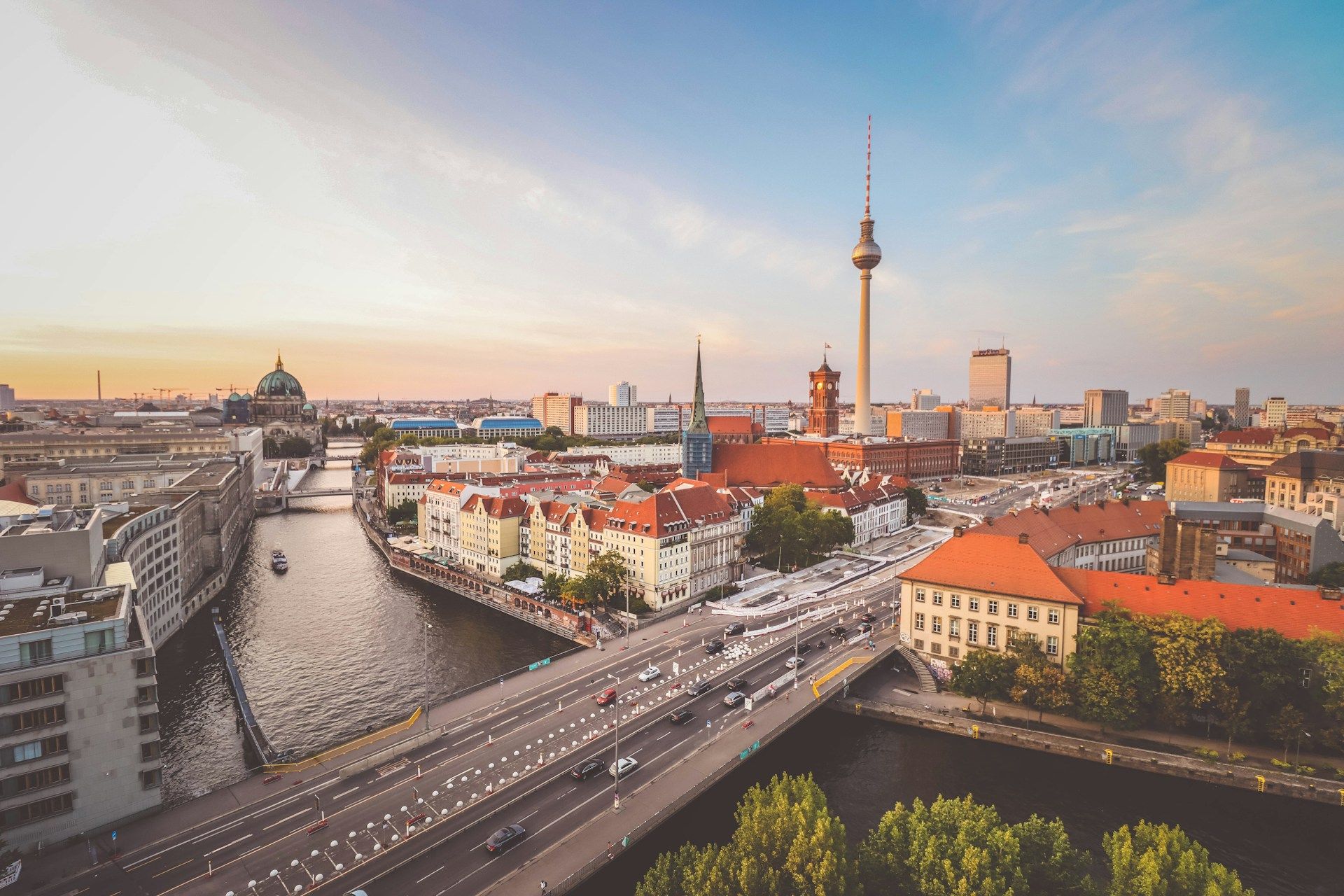
A boat trip on the River Spree is one of the easiest ways to get a fresh perspective on the city. You glide past government buildings, Museum Island and riverside architecture while giving your legs a very deserved intermission. Frankly, your feet may applaud.
For views from above, you have a few options. The TV Tower at Alexanderplatz gives you the classic skyline panorama. If you prefer something more unusual, head to Teufelsberg, a hill built from post-war rubble and topped by a former American listening station. The forest walk up is part of the experience, and sunset from there has a wild, cinematic feel that contrasts beautifully with central Berlin.
Nightlife in Berlin: where to go after dark
Berlin nightlife is varied, neighborhood-based and far more diverse than its techno reputation suggests. Whether you want cocktails, beer gardens, live music or clubs, the city gives you options without forcing everyone into the same scene.
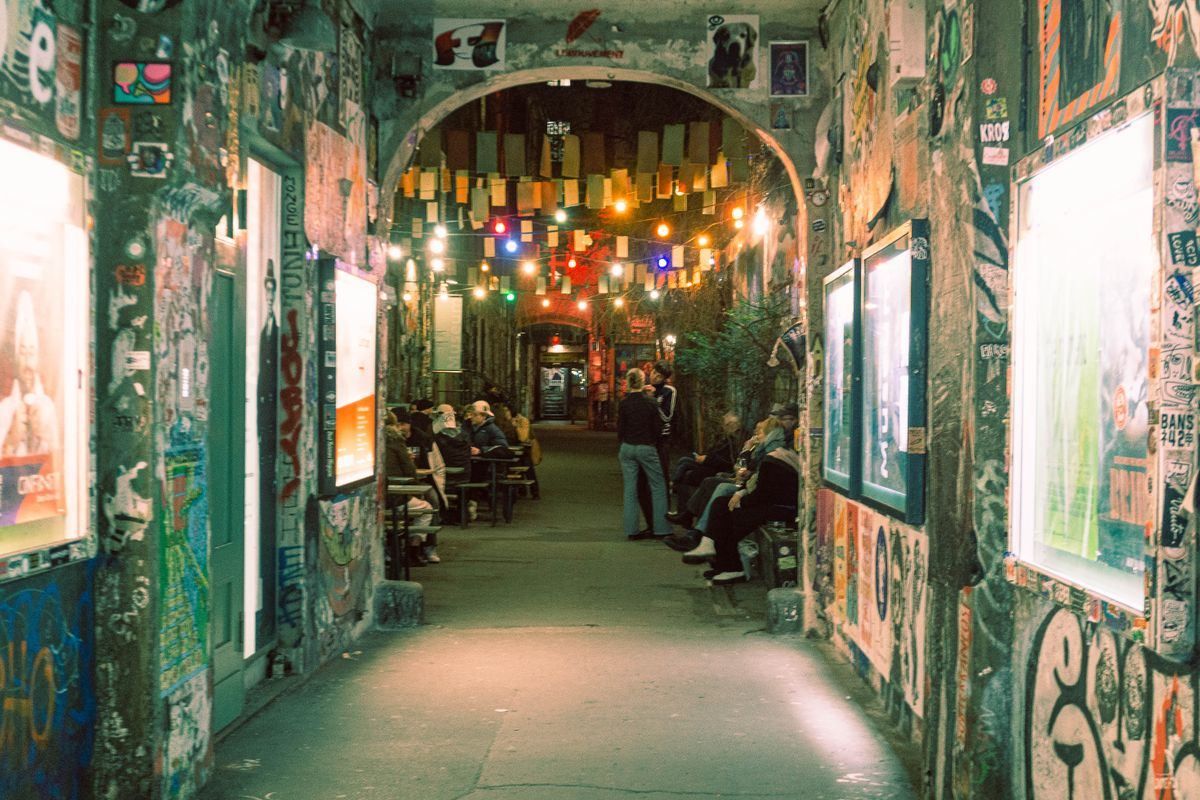
Friedrichshain and the area around Warschauer Straße are among the easiest places to start. You will find beer gardens, casual bars, late-night spots and a generally energetic atmosphere. It is lively without requiring a PhD in Berlin door policies.
Kreuzberg remains another classic choice, with everything from relaxed pubs to creative cocktail bars. In warmer months, many people begin the evening outdoors by the canal or on a bridge before moving on. A sunset aperitif on a rooftop is also a great call if you want skyline views before the night gathers speed.
If you enjoy nightlife with a local feel, leave room for spontaneity. In Berlin, the place with the least polished entrance can end up delivering the best playlist, the strongest Negroni and the friendliest conversation of the trip.
Planning to be here for the countdown? Read our guide to the best New Year’s Eve destinations in Europe, where Berlin is one of the top picks.
Is Berlin a good city break?
Berlin works very well for a city break because it offers strong contrasts, efficient transport and enough variety to suit different travel styles. It is especially rewarding for travelers interested in history, food, art and neighborhoods with personality.
Two full days can cover the essentials if you plan well, focusing on the historic center, the Wall sites and one or two neighborhoods like Kreuzberg or Friedrichshain. With three to four days, the pace becomes much more enjoyable, and you can add museums, rooftop stops, vintage shopping and a longer evening out without sprinting from landmark to landmark like you are on a very cultural game show.
Best time to visit Berlin
The best season depends on what kind of trip you want. Spring and early autumn usually offer the best balance of pleasant weather, walkability and manageable crowds.
Summer is ideal for canalside evenings, open-air events, rooftop bars and long walks between neighborhoods. Winter can be cold and grey, but Berlin’s museums, nightlife and Christmas markets keep the city engaging. Spring and autumn are often the sweet spots for a first trip, especially if you want to combine sightseeing with time outdoors.
The WeRoad tip
See Berlin shift from memory to skyline in one day
For a route that captures Berlin at its most powerful, start at the East Side Gallery, where the last long stretch of the Wall becomes a huge open-air gallery. Walk the full length slowly, then cross the Oberbaumbrücke into Kreuzberg and let the mood change with the streets. This is the right area for a relaxed street art hunt, small galleries, vintage shops and an easy lunch that turns into a coffee stop because, well, Berlin has that effect on people.
Later in the afternoon, head out to Teufelsberg. The walk up through the forest feels almost improbable after the intensity of the city center, and that is exactly why it works so well. At the top, the old American listening station and the wide sunset view over Berlin create one of the most memorable contrasts in the city. You begin with the story of division and end with a skyline that feels open, creative and very much alive. That is Berlin in a nutshell, just with better lighting.
Berlin, one layer at a time
Berlin is best experienced as a city of layers rather than a checklist of attractions. Its landmarks matter, but so do its neighborhoods, viewpoints, murals and night scenes. The more you move between these different sides, the more the city starts to make sense.
Give yourself time to explore the famous places, then leave space for the unexpected: a courtyard café, a mural on a side street, a sunset over rooftops or a riverside bar that keeps you out much later than planned. And if you want to experience the city with new travel buddies, take a look at our group trips to Germany and let the adventure begin.
FAQ
- How many days do you need in Berlin?
-
Two days are enough to see the main landmarks and one or two neighborhoods, but three to four days give you a much better balance of history, museums, street art and nightlife.
- What is Berlin best known for?
-
Berlin is best known for its twentieth-century history, the Berlin Wall, its creative and alternative culture, world-class museums and a nightlife scene that ranges from casual bars to iconic clubs.
- What should first-time visitors not miss in Berlin?
-
First-time visitors should prioritize the Brandenburg Gate, Reichstag, Holocaust Memorial, East Side Gallery, Topography of Terror and a walk through Kreuzberg or Friedrichshain.
- Is Berlin good for nightlife if you are not into clubs?
-
Yes. Berlin has plenty of beer gardens, cocktail bars, rooftop venues, live music spots and laid-back late-night hangouts, especially in Kreuzberg, Neukölln and Friedrichshain.
- When is the best time to go to Berlin?
-
Spring and early autumn are often the best times to visit because temperatures are comfortable and the city is great for walking. Summer is excellent for outdoor nightlife, while winter suits museum lovers and festive trips.