In a nutshell
- Patagonia in late December and early January is peak summer season, with long daylight hours, generally mild daytime temperatures and strong access to iconic destinations such as El Calafate, El Chaltén, Torres del Paine and Ushuaia.
- Weather is suitable for outdoor travel but remains unpredictable: expect a mix of sun, wind, cool evenings and occasional rain, with typical daytime temperatures around 12°C to 20°C, so layered clothing and waterproof gear are essential.
- Argentina and Chile offer different strengths: Argentina is especially convenient for glacier visits and independent travel between major hubs, while Chile shines for dramatic national parks and classic trekking landscapes, making a combined itinerary the strongest option when time allows.
- Holiday travel in Patagonia is often expensive because of long distances, limited accommodation, high seasonal demand and the cost of guided excursions, but early booking, a focused route and a balance of paid activities with self-guided hikes can help control the budget.
- A well-planned 8 to 12 day itinerary works better than trying to see everything, allowing time for glacier excursions, scenic hikes, wildlife spotting and festive celebrations in nature without turning the trip into a marathon of transfers.
Trading grey skies and puffer-jacket fatigue for glaciers, trekking trails and long summer evenings is a very solid festive life choice. Patagonia in December and early January offers a different kind of holiday season: wild landscapes, active days outdoors and celebrations framed by mountains instead of shopping windows.
That said, this is not a “flip-flops-and-no-plans” destination. Christmas and New Year are peak travel dates across both Chilean and Argentine Patagonia, so good timing, realistic expectations and a flexible itinerary matter. The reward? One of the most memorable end-of-year trips you can take, with a little wind to keep you humble. Character building, basically.
Why spend Christmas and New Year in Patagonia
Patagonia during the festive season is ideal for travelers who want nature, movement and big scenery instead of a traditional winter break. December brings long daylight hours, relatively mild temperatures and access to many of the region’s most iconic parks, making it one of the best times to explore the far south.
Christmas here feels less about routines and more about experience. One day you could be watching ice break from a glacier, the next hiking below granite towers or sailing through channels at the end of the world. It is festive, yes, but in a “cheers with windblown hair and dusty hiking boots” sort of way.
- Summer season: December is early to mid-summer in Patagonia.
- Long days: You can get up to 16–18 hours of daylight in some areas.
- Best for outdoor travel: Hiking, wildlife watching and road journeys are all in full swing.
- Memorable celebrations: Christmas and New Year feel unique in places like El Calafate, Puerto Natales and Ushuaia.
What the weather is like in December
December weather in Patagonia is generally milder than most people expect, but it remains highly changeable. Daytime temperatures are often comfortable for hiking, while mornings, evenings and windy viewpoints can feel much colder. Conditions shift fast, so layering is essential.
The short version? You might start the day in a fleece, hike in a T-shirt, add a shell because the wind gets theatrical, then finish with a beanie at sunset. Patagonia enjoys keeping travelers emotionally attached to their backpacks.
Typical temperatures
Across the main destinations, daytime temperatures in December usually range from 12°C to 20°C (about 54°F to 68°F). Night temperatures are lower, often around 5°C to 9°C (41°F to 48°F), especially in exposed or mountainous areas.
- El Calafate: usually cool to mild, often around 13–19°C
- El Chaltén: similar daytime temperatures, cooler with wind
- Torres del Paine: mild but very exposed to wind and sudden changes
- Ushuaia: cooler overall, but still suitable for outdoor activities
Wind, rain and changing conditions
Wind is the real main character in Patagonia. It can be strong even on sunny days, especially in open landscapes such as Torres del Paine and the steppe around El Calafate. Rain is possible at any time, though it does not usually dominate every day.
Bring:
- a waterproof outer layer
- breathable hiking clothes
- a warm mid-layer
- sunglasses and sunscreen
- hat and gloves for early starts or boat trips
Ready for a Digital Detox? Escape into Patagonia’s Rugged Wilderness
Best places to visit over the holidays
The best festive itinerary in Patagonia depends on how active you want your trip to be. Most travelers focus on a few key bases rather than trying to cover everything. The classic route combines glaciers, trekking and a southern city stop.
In practice, the greatest hits are famous for a reason. They deliver huge landscapes, easy logistics compared with more remote zones, and enough wow-factor to make your December camera roll look suspiciously fake.
| Destination | Why go at Christmas & New Year | Best for |
|---|---|---|
| El Calafate | Gateway to Perito Moreno Glacier and Los Glaciares National Park | Glaciers, boat trips, easy base |
| El Chaltén | Prime season for trails with views of Fitz Roy and Cerro Torre | Hiking, mountain scenery |
| Torres del Paine | Excellent conditions for iconic viewpoints and multi-day treks | Trekking, wildlife, epic landscapes |
| Ushuaia | Summer access to Tierra del Fuego and Beagle Channel excursions | End-of-the-world atmosphere, nature, sailing |
El Calafate and Perito Moreno Glacier
El Calafate is one of the easiest entry points for a holiday trip in Patagonia. It offers reliable tourist infrastructure, a lively seasonal atmosphere and direct access to the famous Perito Moreno Glacier, one of the region’s most spectacular natural sights.
Watching giant chunks of ice crash into the water around Christmas is a good reminder that nature does not care about your out-of-office message. Boardwalk visits are accessible, while boat trips and ice-trekking excursions add a more active angle.
El Chaltén for summer hiking
El Chaltén is the top choice for travelers who want to spend the holiday season on the trail. December days are long, trail access is usually good and the views around Mount Fitz Roy are at their most inviting, weather permitting.
It is a tiny town with a big reputation, where breakfast conversations casually include phrases like “sunrise summit view” and “my calves are filing a complaint.” Day hikes can be enough, but strong hikers can also build a more ambitious trekking-focused itinerary.
Torres del Paine for iconic landscapes
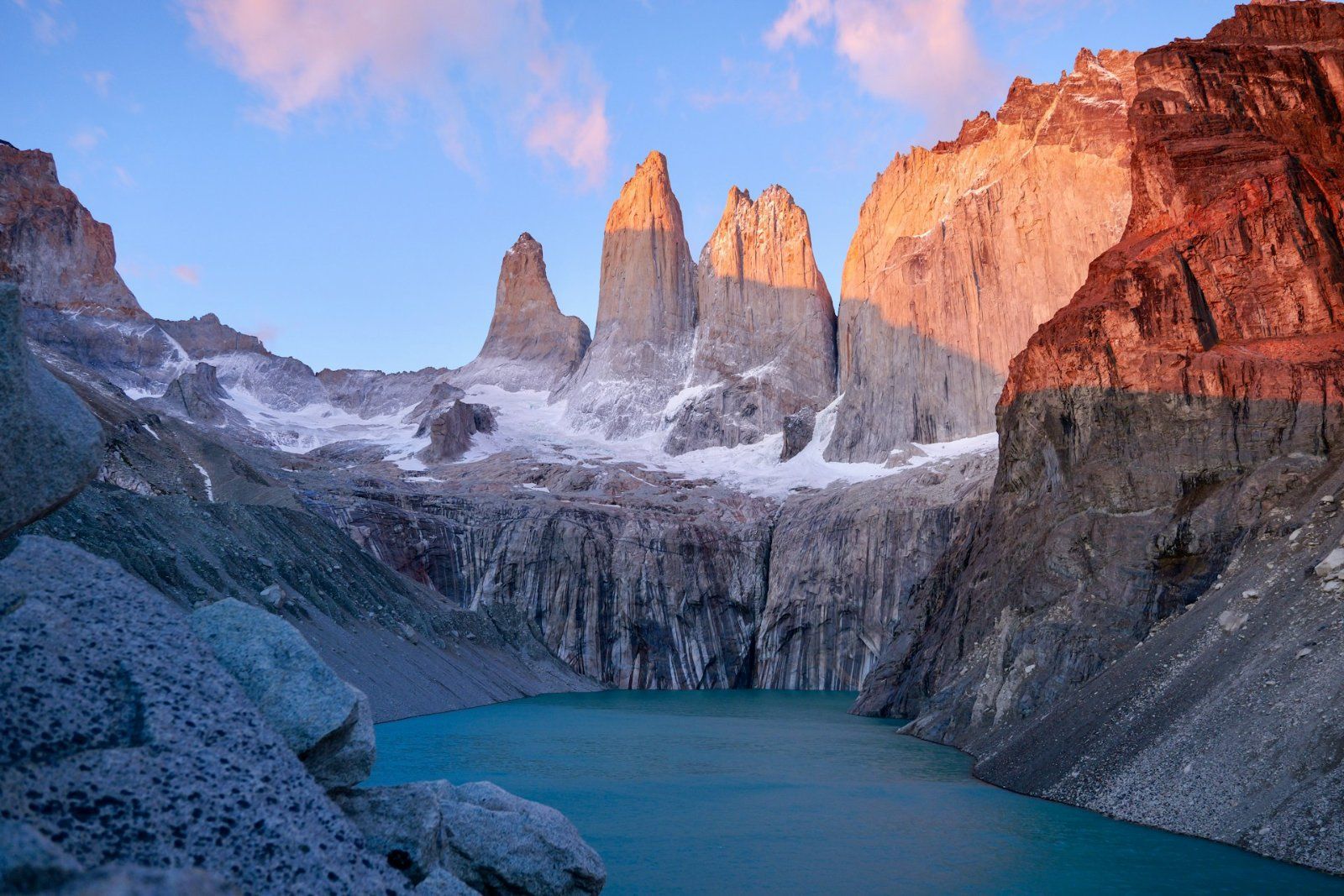
Torres del Paine National Park is one of the best places in South America for a festive adventure trip. In late December, the park is fully active, with longer days and broad access to trails, viewpoints and wildlife areas.
Expect striking lakes, jagged peaks, guanacos grazing like they pay rent, and weather that can change its mood faster than a family group chat on December 24. It is ideal for both classic day excursions and sections of the W Trek.
Ushuaia and Tierra del Fuego
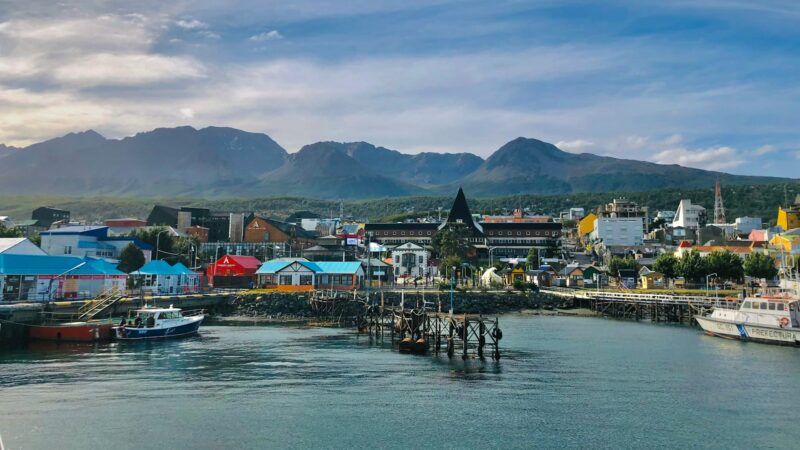
Ushuaia, on the island of Tierra del Fuego, adds a different atmosphere to a Patagonia holiday. It combines mountains, sea, forests and a remote urban setting that feels distinct from the trekking hubs farther north.
For New Year, it is hard to beat the symbolic appeal of celebrating near the southern tip of the continent. Excursions in Tierra del Fuego National Park or on the Beagle Channel work especially well if you want a less trekking-heavy finale.
Is Patagonia better in Chile or Argentina?
There is no single better side of Patagonia for every traveler. Argentina tends to be simpler for glacier visits and independent travel between key hubs, while Chile stands out for national parks such as Torres del Paine and dramatic fjord-like scenery.
The honest answer is wonderfully inconvenient: if you can, do both. The border is not a travel villain here; it is often part of the logic of a well-built itinerary.
- Choose Argentina if you want El Calafate, El Chaltén and a strong mix of glaciers plus hiking.
- Choose Chile if Torres del Paine is your priority and you want classic Patagonian wilderness.
- Combine both for the most complete trip, especially over 10 days or more.
Why a Christmas trip to Patagonia can be expensive
Patagonia is often considered expensive because distances are long, services are seasonal and the end-of-year period is high demand. Flights, hotels, transfers and guided excursions all rise in price around Christmas and New Year, especially in top destinations.
This is not the kind of place where you casually “wing it” and somehow find a charming bargain with glacier views. Last-minute planning in peak season usually means fewer options and higher costs.
Main cost factors
The price of a holiday trip to Patagonia reflects logistics more than luxury. Even simple itineraries involve internal flights, border crossings or long road transfers, plus national park access and activity bookings.
- Peak season demand: December and January are among the busiest months.
- Limited accommodation: Rooms in places like El Chaltén and Torres del Paine book out early.
- Excursion costs: Glacier navigation, guided treks and transport are rarely cheap.
- Remote geography: Getting around takes time and money.
How to keep your budget under control
It is possible to plan smartly without stripping the trip of its highlights. The key is to focus on fewer bases, book early and prioritize the experiences that matter most to you.
- Book flights and hotels several months ahead
- Travel with a clear route instead of overloading the itinerary
- Mix paid excursions with self-guided hikes
- Compare whether a group trip offers better value than arranging everything separately
How to plan a holiday itinerary
The most effective Christmas and New Year route in Patagonia balances travel time with outdoor experiences. Because distances are significant, trying to see too much can reduce the quality of the trip. A focused 8 to 12 day itinerary often works best.
In other words: Patagonia is not a destination for collecting passport stamps like Pokémon cards. Fewer stops usually mean more actual adventure and less heroic repacking.
Suggested 10-day route
A classic first trip can combine Argentina and Chile while keeping transfers manageable. This gives you glaciers, hiking and at least one major national park.
- Days 1–3: El Calafate and Perito Moreno Glacier
- Days 4–6: El Chaltén for day hikes
- Days 7–10: Torres del Paine or Ushuaia, depending on your priorities
Wildlife and nature during the festive season
December is a rewarding month for wildlife and landscapes in Patagonia. Trails, lakes and grasslands are active, and the long days increase your chances of spotting native species while spending more time outdoors.
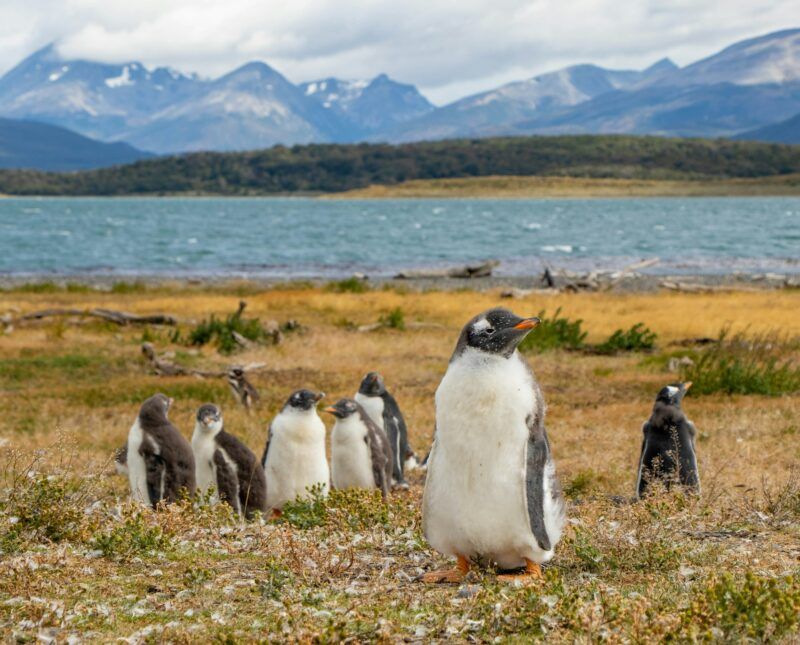
You may see guanacos, foxes, condors, flamingos and marine wildlife depending on your route. The biggest predator in Patagonia is the puma, though sightings are relatively rare and usually happen in specific protected areas. Most travelers will spend more time battling the wind than avoiding wildlife.
Before you book
Patagonia at Christmas and New Year suits travelers who want a festive break built around landscapes, movement and a sense of remoteness. It is less about classic holiday rituals and more about choosing summer at the far edge of the world.
If that sounds like your kind of celebration, it may be time to swap mulled wine for mountain air. Discover WeRoad group trips to Argentina and Chile and start planning an end-of-year adventure that feels anything but ordinary.
FAQ
- How cold does it get in Patagonia in December?
-
In December, most main travel areas in Patagonia have daytime temperatures between 12°C and 20°C (54°F to 68°F). Nights are cooler, often around 5°C to 9°C (41°F to 48°F), and wind can make it feel colder, especially in exposed areas.
- Is Patagonia a good destination for Christmas and New Year?
-
Yes, it is an excellent choice for travelers who want an active festive trip. December brings summer conditions, long days, strong access to trails and glaciers, and a memorable alternative to traditional winter holidays.
- Why is Patagonia so expensive to visit?
-
Patagonia can be costly because it is a remote region with long travel distances, limited seasonal accommodation and high demand during Christmas and New Year. Flights, transfers, park access and excursions all add to the final budget.
- Is it better to go to Patagonia in Chile or Argentina?
-
It depends on your priorities. Argentina is ideal for Perito Moreno, El Calafate and El Chaltén, while Chile is perfect for Torres del Paine. If possible, combining both sides gives the best overall experience.
- What is the biggest predator in Patagonia?
-
The biggest land predator in Patagonia is the puma. It lives in several protected areas across the region, although sightings are uncommon and usually occur in more remote natural zones rather than in towns or standard tourist routes.