In a nutshell
- Patagonia is an ideal destination for a digital detox, thanks to its remote landscapes, limited cell service, and abundance of outdoor experiences.
- The best time to visit Patagonia is from November to March, when temperatures are milder, days are longer, and hiking conditions are generally better.
- Two of the region’s most iconic hikes are the W Trek in Torres del Paine, Chile, and the Laguna de los Tres trail to Mount Fitz Roy in Argentina.
- Travelers looking to slow down can stay at wellness-focused retreats such as EcoCamp Patagonia and Tierra Patagonia, or choose a more remote experience at an Argentine ranch.
- Taking a break from screens can help reduce anxiety, improve sleep, and increase overall satisfaction, especially when combined with physical activity and time outdoors.
- A digital detox doesn’t have to mean giving up your phone completely: reducing daily screen time can already make a difference, and Patagonia’s limited connectivity makes unplugging much easier.
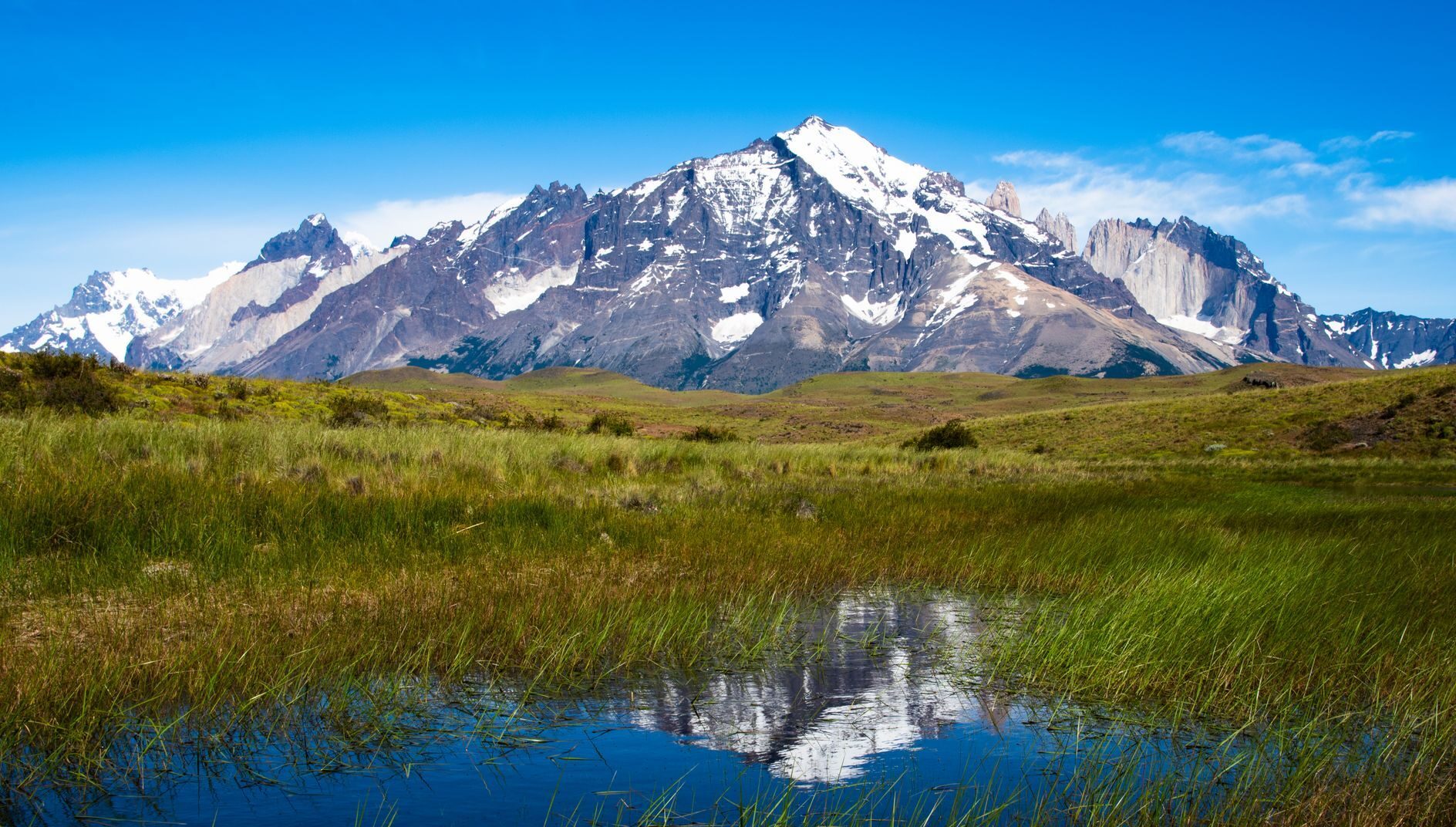
Some people go to Patagonia for the bright blue skyline of towering glaciers and the magenta sunsets. Others are drawn to the variety of wildlife roaming the lush landscape, from the llama-like guanacos that can run up to 35 miles per hour to the iconic Magellanic penguins waddling along the jagged shoreline. But increasingly, nearly all visitors traveling to this remote corner of the word are looking for a chance to escape and unplug.
This year, publications ranging from Vogue to Consumer Affairs have declared “digital detox” one of the hottest new travel trends. Airbnb recently revealed that U.S. searches for stays near national parks saw a 35% increase for 2026, amid a viral movement to “touch grass,” which has grown from a TikTok meme into a wellness trend. In Patagonia, where cell service is limited to towns and a handful of lodges, and the dramatic landscape takes your breath away, “digital detox” is easier than you might expect. Between admiring the snow-capped peaks, glacial lakes and colorful sunsets, you may not even notice that it’s been days since you checked social media.
Just keep in mind that, in Patagonia, the seasons are opposite to what they are in the U.S. due to its location in the Southern Hemisphere. To take advantage of milder temperatures, longer days and overall better conditions on the hiking trails, the best time to visit Patagonia is November through March, which is their version of late spring through early fall.
The trek
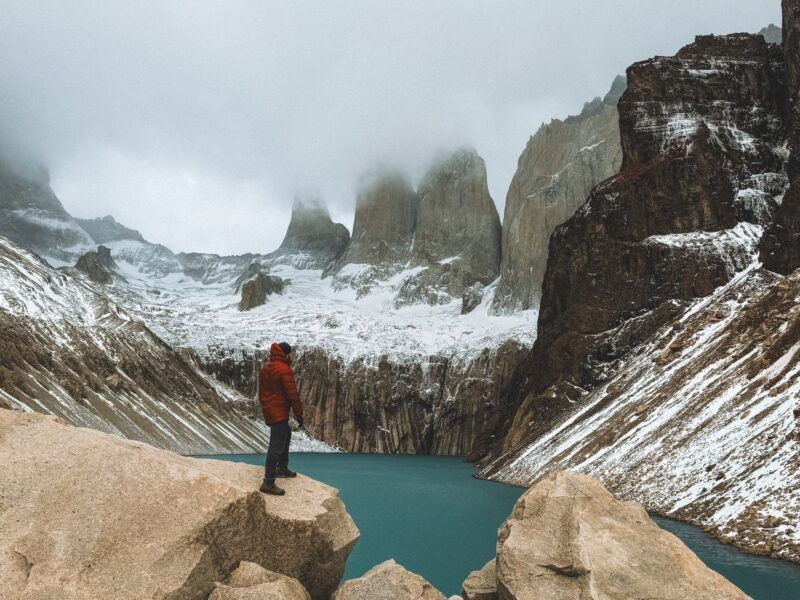
If you are looking for an active vacation, the popular W Trek through the Torres del Paine National Park in the Chilean part of Patagonia will take you from the gentle slopes of Lake Nordenskjöld to French Valley, with its epic views of mountain peaks, to the iconic Grey Glacie,r and finally to the Base of the Towers. The Towers, from which the park draws its name, are three jagged peaks that rise up to around 9,000 feet above sea level.
The full trek is around 50 miles, but you can customize the length based on what you want to see, opting for a three-day or a five-day itinerary. You can stay at campgrounds (bring your own tent) or refuges (which offer beds, showers and food) along the trail, or at any of the several hotels you will find on way.
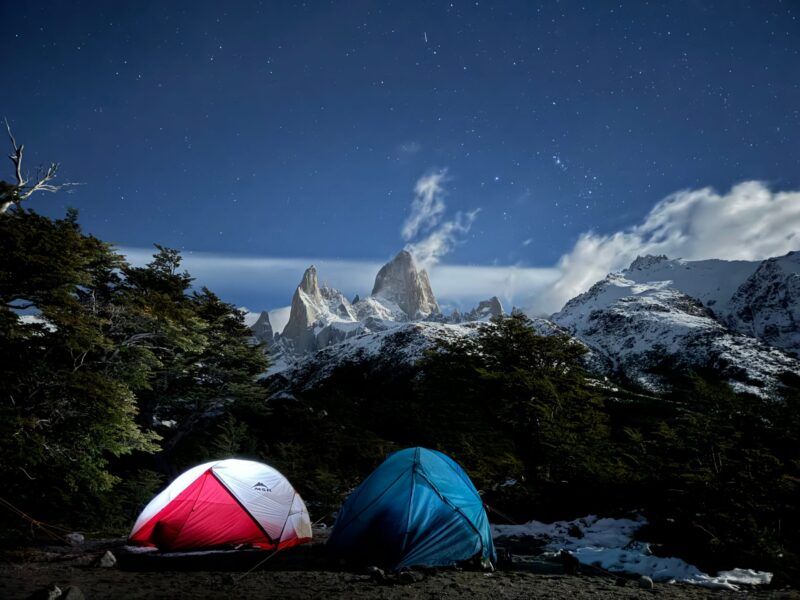
On the Argentina side of Patagonia, the 14-mile Laguna de los Tres hike beginning in the mountain village El Chaltén is one of Patagonia’s most popular day trips, moving through native forest and along the Del Salto stream before reaching the base of Mount Fitz Roy, which rises over 11,000 feet rising the Laguna de los Tres glacial lake. This moderately strenuous hike starts off gently but gradually becomes more challenging as you ascend. Catching the sunrise at the Laguna is a treat, but you’ll need to start the trek early as 2AM!
(Want to combine the Chilean and Argentinian highlights into one longer trip? WeRoad offers a 13-day itinerary packed with nature walks, glacier views, wildlife spotting tours and water adventures!)
The stay
If you are less interested in elevation gain and instead looking for rest and rejuvenation, you can opt to spend more time at Patagonia’s so-called “detox hotels,” which offer yoga, wellness treatments and meals tailored to a variety of dietary preferences. Among them is EcoCamp Patagonia inside the Torres Del Paine National Park, the world’s first dome hotel where you can spend the night in sustainable geodesic-design cabins before embarking on day trips or relaxing in the company of other travelers.
On the other side of Lake Sarmiento, the Tierra Patagonia hotel pairs sweeping views of the surrounding wilderness with premium amenities including a heated indoor pool, hydromassage and sauna. You can spend the day following Patagonia’s native wildlife, including guanacos, foxes and birds of prey, before returning to a massage and soak at the Uma Spa.
You can reach both hotels by flying from Santiago to Punta Natales, Chile, then rent car or take public transportation.
Looking for a more rustic experience? Book a few nights at Estancia Ranquilco in Neuquén, Patagonia’s northernmost province in the Argentine Andes. Getting there is part of the adventure: after flying into Buenos Aires, you’ll drive several hours to the village of El Huecú (you’ll need an off-road vehicle), then travel the rest of the way to the ranch on horseback. Once there, you can enjoy backcountry trips to the remote wilderness, farm-to-table meals made with produce and meat from the ranch, and even horsemanship workshops emphasizing traditional training methods rooted in the Argentina’s ranching culture.
The benefits of unplugging
During the first few days, you may find yourself reaching for your phone to scroll social media, check work emails, or even read the news. Just remember that vacation is meant to provide a break from the usual routine, along with its endless stream of pings, alerts and messages. After a while, you may discover there is something freeing about being unreachable. And science-backed evidence suggests it may be good for your health, too.
Studies show that going on a “digital detox” reduces anxiety, improves sleep, and boosts satisfaction. After you factor in the added benefits of fresh air, physical activity and time outdoors, you have a powerful recipe for improving overall wellbeing.
But don’t think you have to lock away your phone for a week at a time (unless you’re ready for that!). You can try a gradual approach, and limit the use of your phone to a couple of hours per day. In Patagonia, where cell service is limited to nonexistent, you may not have a choice.
Ready to experience Chile for yourself? Discover WeRoad group tours to Chile and Argentina and start planning your next adventure!