In a nutshell
- Travel in your 30s often feels more meaningful because you have a clearer sense of self, better boundaries, and a stronger ability to choose experiences that truly match your interests instead of following pressure, trends, or generic bucket lists.
- The biggest advantages include self-awareness, better budgeting, and more intentional planning, which allow you to prioritize comfort where it matters, invest in standout experiences, and build trips around value rather than just low cost or social approval.
- The most rewarding experiences at this stage are usually deeper ones: immersive cultural moments, nature-based resets, memorable local activities, and shared adventures with like-minded people rather than overly packed itineraries focused only on quantity.
- Compared with your 20s, your mindset changes more than your ability to travel. You can still backpack, travel solo, and be spontaneous, but with sharper judgment, healthier pacing, and less tolerance for exhausting plans that look better on paper than in real life.
- Making the most of this decade means traveling with intention: choosing fewer destinations, allowing rest, spending on what counts, and picking trips that reflect who you are now, not who you think a traveler is supposed to be.
Your 30s can be a surprisingly great time to explore the world. You often know yourself better, travel with more intention, and care less about ticking boxes just to impress someone back home. The result is usually a richer, calmer, and more memorable way to experience new places.
In your 20s, travel can feel like a blur of night buses, instant noodles, and very questionable hostel decisions. In your 30s, the energy shifts. You still want adventure, but now you also want good coffee, a bed that doesn’t squeak like a haunted door, and experiences that leave a mark for the right reasons.
That’s exactly why traveling through your 30s often feels different: you’re not just going somewhere, you’re choosing how you want to feel while you’re there.
Why travel feels more meaningful in your 30s
Travel often becomes more meaningful in this decade because you have a clearer sense of what matters to you. Instead of chasing every attraction, you start choosing experiences that match your values, energy, budget, and curiosity. That makes each trip feel less random and more personal.
By this point, many people have already learned a valuable lesson: more is not always better. More cities, more tours, more photos, more plans packed into one long weekend? Not necessarily the dream. In your 30s, you begin to appreciate depth over speed.
That might mean spending four slow days in Lisbon instead of racing across three countries, or choosing a local cooking class in Thailand over another generic checklist stop. You’re still discovering the world, just with better filters and fewer chaotic decisions made on two hours of sleep.
The biggest advantages of exploring the world in your 30s
The biggest advantages usually include better financial stability, stronger self-awareness, and a healthier sense of boundaries. These factors make it easier to design trips that reflect what you actually enjoy, rather than what you think travel is supposed to look like.
You know your travel style
Knowing your travel style helps you spend your time and money better. In your 30s, you are more likely to understand whether you enjoy nature, culture, nightlife, road trips, food-focused itineraries, or a balanced mix. This clarity improves every part of the experience.
Maybe you love waking up for sunrise hikes. Maybe you absolutely do not, and that is a beautiful truth. Maybe your ideal day includes museums, long lunches, and wandering neighborhoods with no fixed plan. Whatever your style is, your 30s are usually when you stop apologizing for it.
You can often afford better choices
Having a slightly bigger budget can transform a trip. It does not need to mean luxury, but it can mean fewer compromises, less stress, and more comfort where it counts. Small upgrades often create a much better overall experience.
That could be:
- Direct flights instead of absurd layovers
- Private rooms every now and then
- Better-located stays that save time
- Unique local experiences worth paying for
- Travel insurance, because grown-up decisions are oddly attractive
You may still love a bargain, of course. But now you know that saving $20 is not always worth arriving emotionally damaged.
You care less about travel performance
In your 30s, there is often less pressure to perform travel for other people. You become less interested in proving that you are adventurous and more interested in actually enjoying yourself. That shift makes trips feel more honest and restorative.
You do not need every meal to be photogenic, every beach to be secret, or every moment to become content. Sometimes the best part of a trip is simply sitting in a piazza, eating something excellent, and thinking, “Yes, this was the correct life choice.”
The experiences that actually matter more now
The experiences that often matter more in your 30s are the ones that create connection, perspective, and lasting memories. These usually include meaningful conversations, immersive activities, beautiful landscapes, and time to fully enjoy a place rather than rushing through it.
Here are the kinds of travel moments that tend to hit harder now:
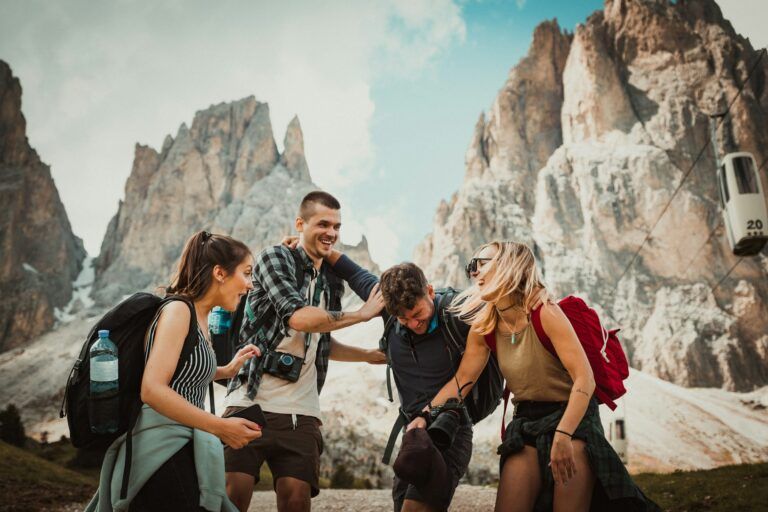
- Shared experiences with like-minded people
Trips become more memorable when the people around you are on the same wavelength. Group adventures, especially with people in a similar life stage, can feel social without being chaotic. - Experiences that teach you something
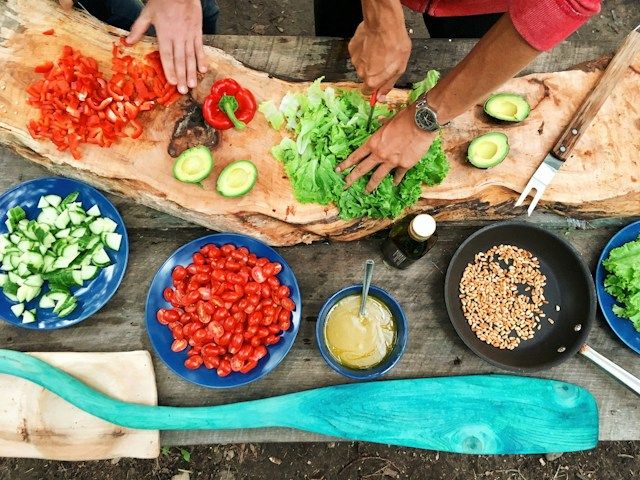
A street food tour, a surf lesson, a hike with a local guide, or a vineyard visit can stay with you longer than another afternoon spent half-looking at your phone. - Nature that resets your brain
Think of the stillness of the desert, a mountain sunrise, or swimming in water so clear it looks fake. These moments matter because they cut through the noise. - Cultural immersion
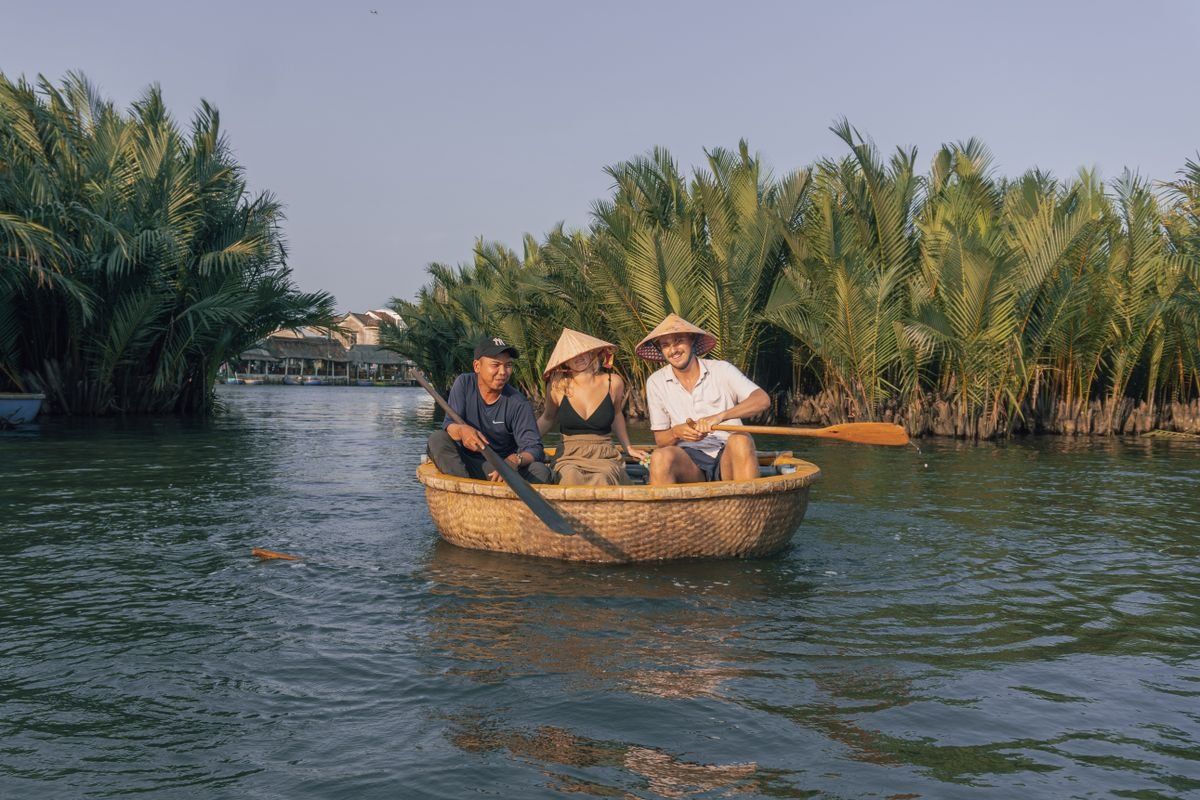
Markets, family-run restaurants, neighborhood walks, and local traditions often become more exciting than the “must-see” landmark you felt obliged to visit. - Time with purpose
A trip can be fun and still have substance. In your 30s, that mix becomes especially appealing.
30s travel vs 20s travel: what really changes
The main difference is not your age, but your mindset. In your 30s, travel usually becomes less about intensity and more about quality. You still want stories to tell, but you also want sleep, decent logistics, and experiences that feel genuinely worth your limited time off.
| Travel in your 20s | Travel in your 30s |
|---|---|
| Say yes to everything | Choose what truly fits your energy |
| Travel for volume | Travel for meaning |
| Budget above all | Value above all |
| Party-first itineraries | Balanced itineraries with real highlights |
| FOMO drives decisions | Self-awareness drives decisions |
And yes, you may now stretch before a flight. This is not defeat. This is evolution.
Is backpacking or solo travel still worth it in your 30s?
Backpacking and solo travel can still be excellent choices in your 30s. They simply look different for many people. The focus often shifts from doing the cheapest possible version of the trip to finding the smartest, safest, and most rewarding version.
Plenty of travelers in their early and mid-30s still choose hostels, long-term trips, and spontaneous itineraries. The difference is that they are usually more selective. They pick social places with good reviews, leave room for rest, and avoid situations that feel draining just because they are “part of the experience.”
No, 32 is not too old to go backpacking. Not even slightly. If anything, it can be one of the best ages to do it, because you bring more confidence, better judgment, and a lower tolerance for nonsense. That last one is truly a travel superpower.
How to make the most of travel in this stage of life
To make the most of travel in your 30s, focus on trips that match your real priorities. That means being honest about your budget, time, social needs, comfort level, and the kind of memories you want to create. Intention makes all the difference.
A few smart ways to plan better:
- Pick fewer destinations and spend longer in each one
- Mix activity with downtime so the trip stays enjoyable
- Invest in one or two standout experiences
- Travel with people you actually click with
- Leave room for spontaneity without making the whole trip chaotic
This stage of life can feel full: work, relationships, routines, responsibilities, maybe even a group chat that somehow requires project management skills. Travel becomes valuable not because it helps you escape your life, but because it helps you reconnect with it from a better angle.
Choose trips that reflect who you are now
The best trips in your 30s are usually the ones that feel aligned with who you are today. They are not about keeping up with anyone else. They are about discovering places, people, and experiences that leave you fuller, lighter, and maybe just a little obsessed with planning the next one.
Whether that means a group adventure in Japan, a road trip through Iceland, a cultural deep dive in Morocco, or island-hopping in Greece, the point is not doing travel “right.” The point is doing it in a way that feels right for you.
If you want to share that kind of experience with people who get it, discover WeRoad group trips and find the destination that matches your next chapter.
FAQ
- Is $20,000 enough to travel the world?
-
Yes, it can be enough, but it depends on your route, travel style, and trip length. A budget of $20,000 can stretch far in regions like Southeast Asia or Latin America, but it will go much faster in places like Japan, Australia, or Western Europe. In your 30s, many travelers prefer a balance of value and comfort, so careful planning matters.
- Is 32 too old to go backpacking?
-
No, 32 is absolutely not too old to go backpacking. In fact, many people enjoy it more in their 30s because they travel with greater confidence, better financial control, and more awareness of what they actually enjoy. Backpacking does not have an age limit; it just evolves with you.
- What stage of life are your 30s?
-
Your 30s are often a decade of consolidation and clarity. Many people are building careers, defining relationships, managing responsibilities, and becoming more intentional about how they spend time and money. That is exactly why travel during this stage can feel more grounded, rewarding, and personally meaningful.
- What age group travels the most?
-
Travel habits vary by country, income, and lifestyle, but adults in their late 20s to 40s tend to travel frequently because they combine independence, earning power, and strong interest in experiences. People in their 30s are especially active travelers because they often seek trips that balance adventure, culture, and comfort.
- Why does travel feel different in your 30s?
-
It feels different because your priorities change. You are more likely to seek quality over quantity, choose experiences with purpose, and care less about impressing others. That creates trips that feel more personal, memorable, and enjoyable from start to finish.
- Is group travel a good option in your 30s?
-
Yes, group travel can be a great option in your 30s, especially if you want to meet like-minded people without organizing everything yourself. The best group trips combine social connection, local experiences, and enough flexibility to make the journey feel exciting rather than rigid.