In a nutshell
- Snackpacking is a food-first travel style that focuses on discovering a destination through small, everyday bites from markets, bakeries, street stalls, supermarkets, and casual local spots rather than only through formal restaurant meals.
- The trend is growing because it feels more authentic, flexible, and accessible: it fits modern travel habits, supports spontaneous exploration, often costs less than traditional dining, and creates highly memorable experiences through low-pressure tasting.
- This approach offers real cultural insight because local snacks reveal daily habits, flavor preferences, seasonal products, and neighborhood rhythms in ways that are often more immediate and less curated than classic dining experiences.
- The best snack-focused itineraries mix planning with spontaneity, using food markets, walkable districts, and regional specialties as anchors while leaving room for unexpected discoveries and local recommendations along the way.
- Practical details matter: carrying a tote bag, water, napkins, and allergy information can make a snack-led day easier, while checking customs and transport rules helps if you plan to bring edible souvenirs home.
Travel trends come and go, but some stick because they tap into something genuinely human: curiosity, appetite, and the undeniable urge to buy mysterious chips in a language you do not speak. That is exactly why food-first travel is having a moment. People are no longer building trips only around museums, viewpoints, and dinner reservations. They are also planning detours for corner bakeries, market stalls, supermarket aisles, and tiny neighborhood spots where locals grab a quick bite.
This shift has a name: snackpacking. In simple terms, it means exploring a place through its everyday food culture, one small bite at a time. Not just famous restaurants, but also convenience stores, pastry counters, produce markets, street vendors, and regional snacks that tell you how people really eat. And honestly, few things say “I understand this country now” quite like becoming emotionally attached to a random lemon cookie you found at a train station.
What snackpacking really means
Snackpacking is a style of travel that puts local snacks and casual food discovery at the center of the experience. Instead of focusing on one big meal, travelers move through a destination by tasting small, accessible, often inexpensive bites that reflect daily life, regional habits, and neighborhood culture.
It is less about chasing a white-tablecloth “best restaurant” list and more about tasting your way through a city in motion. Think of it as a culinary treasure hunt: a flaky pastry for breakfast, a street skewer at noon, a strange but excellent soda in the afternoon, and a bag of local crisps for “research purposes” later in the evening.
What makes this trend different is its everyday perspective. A supermarket can reveal local flavors just as clearly as a tasting menu. A bakery queue can tell you what a city loves before 9 a.m. A market stall can show you seasonality, tradition, and price points all at once. In other words, this is travel through food without the formality.
Why this travel trend is growing
The rise of snack-led travel reflects a broader shift toward authenticity, flexibility, and budget-conscious experiences. Travelers want something local, spontaneous, and easy to fit into a busy itinerary. Small bites make that possible while creating more interaction with the place itself.
There are a few clear reasons why this approach has become so popular:
- It feels more local: Neighborhood snacks often say more about a place than a polished tourist menu.
- It is more flexible: No reservation, no dress code, no three-hour commitment.
- It can be more affordable: Sampling five small specialties may cost less than one high-end dinner.
- It suits modern travel habits: Social media, walking itineraries, and spontaneous planning all support this style.
- It creates memorable moments: People remember the unexpected bite they loved, not just the “important” meal they booked months ago.
There is also a psychological bonus. When every snack is a low-stakes decision, trying new things becomes easier. If something is amazing, brilliant. If it is terrible, you have lost six euros and gained a travel story. That is still a win, frankly.
What counts as snack-first travel
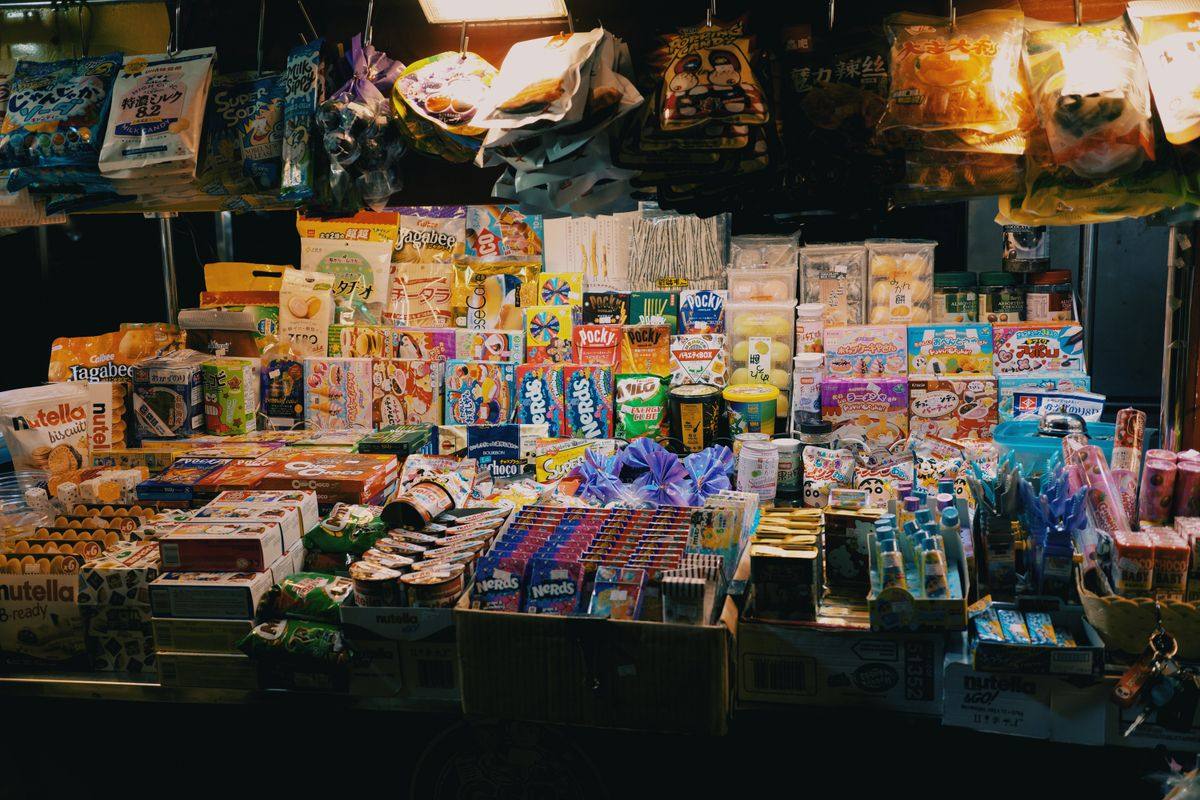
This way of traveling includes much more than street food. It covers bakeries, food halls, delis, grocery stores, vending machines, farmers markets, hotel pantries, train station kiosks, and all those humble spots that rarely make “top 10” lists but often steal the show.
Some of the most common snack-focused experiences include:
- Browsing local supermarkets for regional sweets, chips, sauces, and drinks.
- Stopping at neighborhood bakeries to try morning pastries or savory specialties.
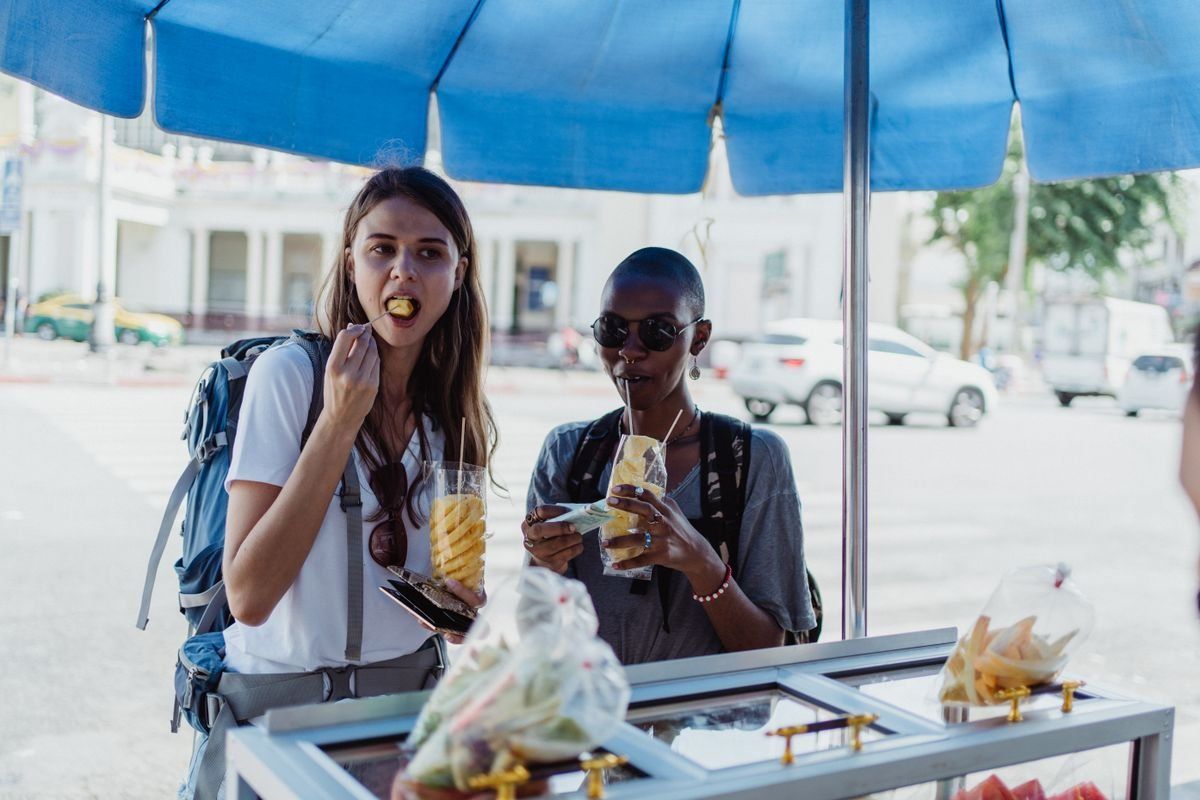
- Eating at food markets where you can sample several local dishes in one place.
- Following street food routes through different districts of a city.
- Buying edible souvenirs that are genuinely tied to the destination.
The point is not to eat constantly with Olympic-level dedication, although some travelers may treat it that way. The point is to use small, local tastings as a lens for understanding a destination more deeply.
How snackpacking helps you know a destination better
Food in its most casual form often offers direct access to local identity. Small snacks reveal ingredients, flavor preferences, rituals, timing, and even social habits. They also place travelers in everyday settings where interactions feel more natural and less staged.
A pastry counter shows what people eat on work mornings. A market shows what is in season. A convenience store shows what is mainstream, nostalgic, or trendy. Regional crisps, bottled teas, candies, preserved foods, and bakery staples all reflect what locals actually buy for themselves.
This matters because not every meaningful food experience happens in a restaurant. Sometimes culture appears in a paper bag, slightly warm from the oven, eaten while standing on a side street with absolutely no cutlery and zero regrets.
It encourages slower, more observant travel
Snack-based exploration naturally slows your pace and sharpens your attention. You notice side streets, local queues, handwritten menus, and neighborhood rhythms that are easy to miss when moving only between major attractions.
Rather than jumping from landmark to landmark, you start noticing where the city breathes. Where people actually stop. Where the line forms at lunch. Which bakery sells out first. It is sightseeing, yes, but with crumbs.
It spreads your spending more widely
Choosing multiple small vendors can support a broader local economy. Instead of concentrating your budget in one venue, you distribute it across family-run businesses, market traders, and independent producers that form the daily food ecosystem of a destination.
That also makes the experience feel more connected to the place. One snack may come from a bakery run by the same family for decades, another from a weekend market stall, another from a tiny shop selling regional products. It is delicious economics, if you will.
Best destinations for a snack-led itinerary
The best places for this kind of trip usually combine walkability, strong street food culture, lively markets, and distinctive regional products. Big capitals work well, but so do smaller cities with deep food traditions and active neighborhood life.
Here are a few destinations that naturally suit a snack-focused approach:
| Destination | Why it works | What to look for |
|---|---|---|
| Tokyo | Convenience-store culture, depachika food halls, regional sweets | Onigiri, mochi, seasonal KitKats, bakery finds |
| Mexico City | Markets, street stalls, strong neighborhood food identity | Tacos, fresh juices, pan dulce, market snacks |
| Lisbon | Walkable districts, pastry culture, tinned delicacies | Pastéis de nata, bifanas, local canned fish, bakery treats |
| Bangkok | Street food density, night markets, bold regional flavors | Skewers, mango sticky rice, iced drinks, fried snacks |
| Istanbul | Bazaars, tea culture, sweet-savory variety | Simit, baklava, lokum, roasted chestnuts |
You do not need a globally famous food capital, though. Sometimes the best destinations are the ones where local specialties are still part of normal daily life rather than a performance for visitors.
How to plan a trip around snacks without overplanning it
The smartest approach is to leave room for discovery while identifying a few food-rich areas in advance. You do not need a minute-by-minute tasting schedule. You need good walking shoes, a loose route, and enough curiosity to enter that bakery with the suspiciously long line.
A practical way to build your day is:
- Choose one market or food hall as a starting point.
- Mark two or three neighborhoods known for bakeries, street food, or specialty shops.
- Keep a short list of regional products you want to try.
- Leave space for spontaneous stops and local recommendations.
- Carry cash when needed, especially for smaller vendors.
It also helps to pace yourself. This is not a competitive sport. Nobody is awarding medals for “most pastries before noon,” and if they are, perhaps let someone else win.
What to pack for a snack-focused travel day
A few practical items can make this style of travel much easier. Because you may be walking a lot and buying food as you go, it helps to stay organized, hydrated, and ready to carry a few edible souvenirs without crushing them into abstract art.
Useful essentials include:
- A reusable tote bag for market finds and packaged snacks
- A water bottle to balance all the salty discoveries
- Wet wipes or napkins because sauces are optimistic by nature
- A small cooler pouch if you plan to carry cheese, pastries, or other perishables
- A note on allergies or dietary restrictions translated into the local language
If you are flying, always check customs rules before bringing food home. Falling in love with a regional sausage is one thing. Explaining it to border control is another.
Is this just a trend or a lasting way to travel?
Although the name is new, the behavior is likely to last because it matches how many people already want to travel. It combines affordability, local immersion, spontaneity, and sensory discovery in a way that feels both modern and timeless.
People have always explored places through food. What has changed is the focus on small-scale, everyday eating as a legitimate and meaningful part of the itinerary. That feels less like a passing fad and more like a correction. Not every great travel memory needs a reservation. Sometimes it just needs a bench, a flaky pastry, and a very strong opinion about local crisps.
Travel deeper, one bite at a time
Snack-led travel works best when it stays curious, flexible, and grounded in local life. It is not about eating randomly all day. It is about using markets, bakeries, kiosks, and street food to connect with a place in a more immediate, human way.
So next time you travel, leave a little room in your itinerary and in your bag for the edible surprises. You may still book a great dinner, of course, but do not underestimate the power of a humble snack to define a whole day.
If this way of traveling sounds like your kind of adventure, explore the WeRoad group trips to foodie destinations where every street corner might come with a story and a snack.
FAQ
- Are snackle boxes TSA approved?
-
They can be, as long as the contents follow TSA liquid and gel rules. Solid snacks such as crackers, nuts, dried fruit, sandwiches, and cookies are usually fine. Dips, yogurt, soft cheese, jams, or sauces may be restricted if they exceed liquid limits in carry-on luggage.
- How much does a snack crate cost?
-
The price of a snack subscription box varies by brand, box size, and shipping destination. Entry-level options often start around $20, while larger curated boxes can cost significantly more. Always check whether shipping, customs, or add-ons are included before ordering.
- Which snack box subscription is the best?
-
The best snack subscription depends on what you want: international discovery, dietary customization, value, or premium curation. Some travelers prefer boxes focused on rare imported snacks, while others want healthier options or family-friendly assortments. Reading ingredient lists and delivery policies is just as important as comparing flavors.
- What are the best packable snacks for travel?
-
The best travel-friendly snacks are portable, non-messy, and stable without refrigeration. Good options include nuts, dried fruit, granola bars, crackers, roasted chickpeas, popcorn, jerky, and packaged local specialties. For longer days, mixing protein, fiber, and a small sweet treat usually works best.
- Is snackpacking only for budget travelers?
-
No, not at all. While it can be budget-friendly, this style of travel is really about curiosity and local immersion. You can pair snack-based exploration with fine dining, boutique hotels, or guided food experiences. The point is not to spend less at all costs, but to experience more through everyday food culture.
- Can you build a whole itinerary around local snacks?
-
Yes, especially in cities with strong market culture and walkable neighborhoods. Many travelers now organize days around food halls, bakeries, street food districts, and regional specialties, using snacks as a way to move through different areas and understand the destination more naturally.