In a nutshell
- Sofia is a rewarding capital for first-time visitors thanks to its compact center, affordable prices, layered history, and authentic atmosphere that blends Roman, Ottoman, Orthodox, and communist-era influences.
- The city’s must-see landmarks include Alexander Nevsky Cathedral, Saint Sofia Church, St. George Rotunda, and the Serdica ruins, all of which help explain Sofia’s deep historical identity and can be explored easily on foot.
- Beyond monuments, Sofia stands out for its cultural stops and local rhythm, especially at the Regional History Museum, The Red Flat, Ivan Vazov National Theatre, the mineral springs, and the ever-lively Vitosha Boulevard.
- One of Sofia’s greatest advantages is its access to nature: Mount Vitosha offers a quick outdoor escape, and the hike to Boyana Waterfall through forest trails is one of the best experiences near the city.
- A 4-day itinerary works particularly well in Sofia, allowing enough time for central attractions, museums, food, parks, and a half-day or full-day nature outing without feeling rushed.
Sofia is one of those European capitals that quietly sneaks up on you. At first glance, it may seem relaxed, almost shy, but give it a few hours and it starts showing off Roman ruins, golden-domed churches, leafy parks, creative neighborhoods, and mountain views. If you’re searching for sofia bulgaria things to do, expect a city that mixes history, food, culture, and nature without trying too hard to impress. Which, frankly, makes it even cooler.
The Bulgarian capital is also refreshingly manageable. You can walk between many landmarks, hop on the metro when needed, and still fit a proper lunch break without turning your itinerary into an Olympic event. Whether you’re here for a weekend or four full days, Sofia delivers plenty to see and do.
Why Sofia is worth visiting
Sofia is worth visiting because it combines major historical landmarks, affordable prices, a lively local atmosphere, and easy access to nature. It feels less polished than some Western European capitals, but that is part of its charm. The city rewards curious travelers with layers of Roman, Ottoman, Orthodox, and communist-era history.
You’ll find grand cathedrals next to excavated ruins, elegant boulevards near Soviet-style blocks, and trendy cafés hidden behind serious-looking facades. Sofia doesn’t scream for attention; it casually raises an eyebrow and lets you discover it at your own pace. A bold move, honestly.
Top attractions in Sofia city center
The historic center of Sofia is compact and easy to explore on foot. Most of the city’s signature landmarks are close together, making it simple to build a satisfying route in just one day. Start with the essentials, then leave time to wander into side streets and quieter squares.
Alexander Nevsky Cathedral
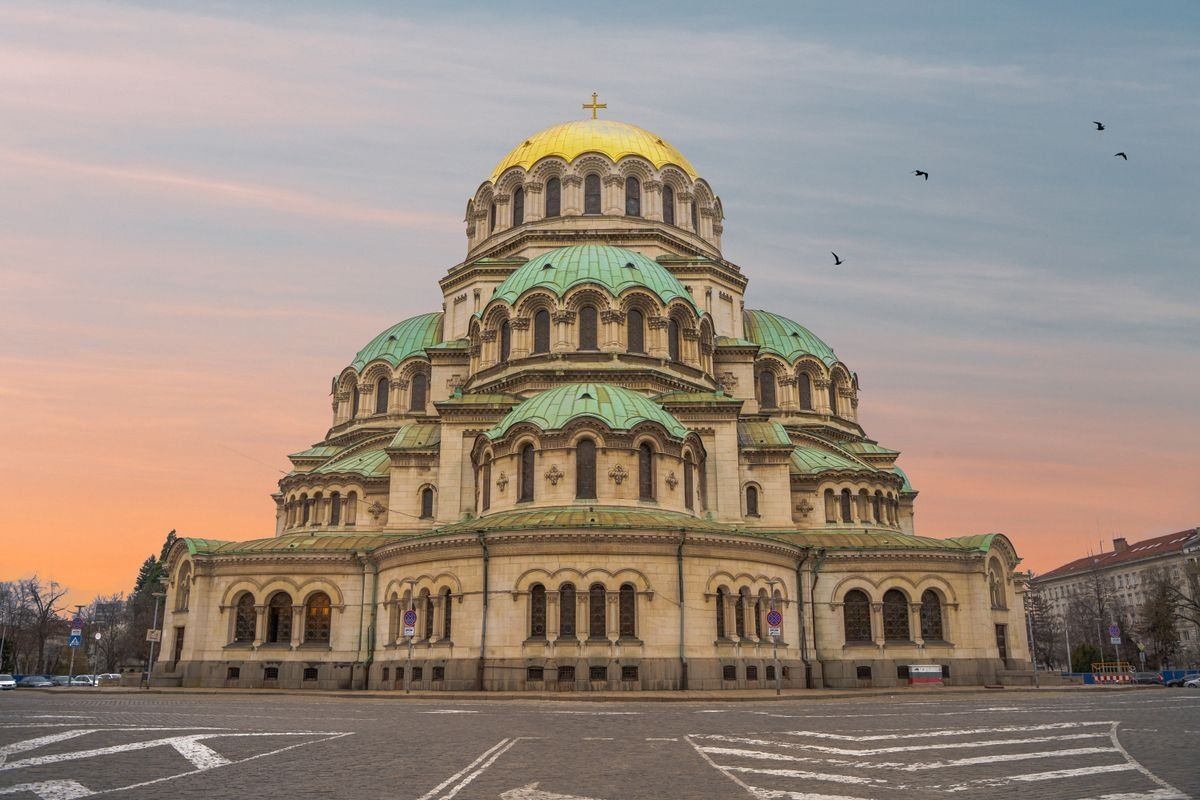
Alexander Nevsky Cathedral is Sofia’s most iconic landmark and a must for first-time visitors. Its golden domes dominate the skyline, while the vast interior offers a calm, solemn atmosphere. It is one of the largest Orthodox cathedrals in the Balkans and a powerful symbol of Bulgarian identity.
Come for the architecture, stay for the details: chandeliers, murals, and that unmistakable sense of grandeur. Even if churches are not usually your thing, this one tends to convert casual passersby into enthusiastic photo-takers in about eight seconds.
Saint Sofia Church and the city’s origins
Saint Sofia Church is one of the oldest churches in the capital and the building that gave the city its name. It offers a more austere beauty than Alexander Nevsky, but its historical importance makes it essential for understanding Sofia’s past.
Nearby, you can also see the Monument to the Unknown Soldier. Together, the area feels like a compact history lesson without the boredom of fluorescent classroom lighting.
St. George Rotunda and the Roman legacy
St. George Rotunda is the oldest preserved building in Sofia and a striking reminder of the city’s Roman roots. Hidden inside a courtyard, the small red-brick church feels almost secret, especially compared with the traffic and modern buildings around it.
Its frescoes and ancient atmosphere make it one of the most memorable stops in the center. Sofia has a talent for hiding ancient wonders in unexpected corners, like a magician who specializes in archaeology.
Serdica archaeological complex
The Serdica archaeological complex reveals the remains of Roman-era Sofia in the middle of the modern city. Walk among ancient streets and foundations near Serdika metro station to understand just how deep the city’s history runs. Best of all, much of it is freely accessible.
This is one of the easiest and most interesting stops if you want history without committing half a day to a museum. It is also a great reminder that Sofia’s underground is not just metro lines and mysterious puddles.
Banya Bashi Mosque, synagogue, and religious diversity
Sofia’s center reflects centuries of cultural and religious coexistence. Within a short walk, you can see the Banya Bashi Mosque, the Sofia Synagogue, and several major Orthodox churches. This concentration of landmarks gives the city a layered and distinctive identity.
The mosque, built during the Ottoman period, still functions today. The synagogue is one of the largest in Europe. Together, these sites show that Sofia is more than a checklist of monuments; it is a city shaped by many communities over time.
Museums, streets, and local atmosphere
Sofia offers more than monuments. Its museums, broad boulevards, and public spaces help visitors connect with everyday life in the city. If you want to balance landmark-hopping with a more local feel, these stops add depth to your itinerary.
Regional History Museum and mineral springs
The Regional History Museum of Sofia is housed in the former Central Mineral Baths building, one of the city’s most photogenic landmarks. It is a smart stop for travelers who want historical context, especially if it is their first time in Bulgaria.
Outside, you’ll notice locals filling bottles from the nearby mineral springs. Yes, actual people still come here with giant containers like they are stocking up for the apocalypse, but in a very organized and healthy way.
The Red Flat and communist-era memory
The Red Flat offers an immersive look at life in 1980s communist Bulgaria through a recreated apartment and audio-guided storytelling. It is one of Sofia’s most original cultural experiences and a strong choice if you want social history rather than only religious or ancient sites.
This is the kind of museum that makes the past feel personal. You do not just read dates on a wall; you step into a home and get a sense of how ordinary people lived, ate, worked, and daydreamed.
Vitosha Boulevard and the city’s social heartbeat
Vitosha Boulevard is Sofia’s main pedestrian street and one of the best places to experience the city’s daily rhythm. It is lined with shops, cafés, restaurants, and terraces, with views toward Mount Vitosha on clear days.
It is ideal for an easy stroll, a coffee stop, or dinner after sightseeing. If your trip needs a pause between cathedrals and ruins, this is where Sofia says, “Sit down, have a drink, and stop power-walking for a minute.”
Ivan Vazov National Theatre and City Garden
The Ivan Vazov National Theatre is one of Sofia’s most elegant buildings and a highlight of the city center. The square in front, together with the City Garden, is a lively meeting point where locals gather, relax, and people-watch.
Even if you do not attend a performance, the building and surrounding park are worth a stop. It is one of those places where the city feels effortlessly alive rather than staged for visitors.
Best outdoor experiences in Sofia
Sofia stands out among European capitals because nature is so close. In less than an hour, you can swap boulevards for forests, mountain trails, and panoramic viewpoints. If you enjoy balancing urban sightseeing with fresh air, this is one of the city’s biggest advantages.
Mount Vitosha and Boyana Waterfall hike
Mount Vitosha is Sofia’s natural playground and an easy escape from the city. One of the best experiences is a hike to Boyana Waterfall, which takes you through the forests of the mountain and offers a rewarding mix of scenery, shade, and moderate adventure.
The trail is especially enjoyable in spring, early summer, and autumn. Bring proper shoes, water, and a realistic attitude about uphill walking. The forest is beautiful, but it does not care if you wore fashion sneakers for the aesthetic.
Boyana Church
Boyana Church, at the foot of Vitosha, is a UNESCO World Heritage Site famous for its medieval frescoes. It is a compact but highly significant monument and works perfectly as part of a half-day trip combined with nature nearby.
If you like art history, this stop is non-negotiable. If you do not like art history, the frescoes may still win you over by being objectively stunning and impressively well preserved.
What to do in Sofia for 4 days
Four days in Sofia give you enough time to see the major sights without rushing. You can combine historical landmarks, museums, food, and a nature break while still leaving room for spontaneous discoveries. This pace works especially well for first-time visitors.
- Day 1: Explore the city center: Alexander Nevsky Cathedral, Saint Sofia Church, St. George Rotunda, Serdica ruins, Banya Bashi Mosque, and Vitosha Boulevard.
- Day 2: Visit the Regional History Museum, The Red Flat, Ivan Vazov National Theatre, and spend the evening enjoying cafés or restaurants.
- Day 3: Head to Boyana Church and continue with a hike to Boyana Waterfall through Mount Vitosha’s forest trails.
- Day 4: Slow down with parks, street art, shopping, a free walking tour, or a day trip option like Rila Monastery if you want to venture farther.
Quick comparison of Sofia highlights
This table helps compare Sofia’s main experiences by type, atmosphere, and ideal visit time. Use it to shape an itinerary that suits your travel style, whether you prefer architecture, culture, food, or outdoor activities.
| Place | Why go | Best for | Time needed |
|---|---|---|---|
| Alexander Nevsky Cathedral | Iconic architecture and Orthodox heritage | First-time visitors, photographers | 30-45 minutes |
| Serdica ruins | Roman history in the city center | History lovers, budget travelers | 30 minutes |
| Vitosha Boulevard | Cafés, shops, and local atmosphere | Foodies, casual strolls | 1-2 hours |
| Boyana Waterfall hike | Forest trails and mountain scenery | Nature lovers, active travelers | 3-4 hours |
| The Red Flat | Immersive communist-era experience | Culture seekers, curious travelers | 1-1.5 hours |
Practical tips for visiting Sofia
Sofia is easy to navigate, affordable by European capital standards, and generally welcoming to international travelers. A few practical tips can make your visit smoother, especially if it is your first time in Bulgaria.
- English: You can speak English in many hotels, restaurants, and central attractions, especially with younger people.
- Transport: The metro is efficient, including the airport connection. The center is also very walkable.
- Budget: Sofia is relatively affordable for food, transport, and accommodation compared with many EU capitals.
- Attitude: Locals may seem reserved at first, but interactions are usually polite and helpful.
- Timing: Spring and autumn are excellent for city walks and Vitosha hikes.
A city that grows on you fast
Sofia may not be Europe’s loudest capital, but it is one of its most rewarding. Between monumental churches, Roman ruins, atmospheric streets, and the chance to hike on Mount Vitosha the same day, it offers a rare mix of culture and nature. And if you want to experience Bulgaria in great company, it’s worth checking out the WeRoad group trips for this destination.
FAQ | All you need to know about Sofia, Bulgaria
- Is it worth going to Sofia, Bulgaria?
-
Yes, Sofia is worth visiting if you enjoy cities with history, personality, and lower costs than many European capitals. It offers major landmarks, good food, museums, and quick access to nature, all without overwhelming crowds.
- Is Bulgaria friendly with tourists?
-
In general, yes. Tourists visiting Bulgaria usually find people polite and welcoming, especially in tourist areas, hotels, restaurants, and city centers. As in many places, a respectful attitude goes a long ways.
- Can I speak English in Sofia?
-
Yes, English is widely understood in central Sofia, especially among younger people and those working in tourism, hospitality, and transport. You may encounter less English in older generations or outside the city center, but basic communication is usually manageable.
- What to do in Sofia for 4 days?
-
In four days, focus on the historic center, major churches, Roman ruins, museums like The Red Flat and the Regional History Museum, Vitosha Boulevard, and a trip to Boyana Church plus a hike to Boyana Waterfall on Mount Vitosha.
- How many days do you need in Sofia?
-
Two days are enough for the main highlights, but three to four days are better if you want a more relaxed pace and time for museums, local food, and outdoor experiences near the city.
- What is the best time to visit Sofia?
-
Spring and autumn are ideal because temperatures are pleasant for walking and hiking. Summer is lively but warmer, while winter can be atmospheric if you enjoy cold weather and nearby mountain scenery.