In a nutshell
- Morocco is one of the best surf destinations near Europe thanks to its reliable Atlantic swell, varied coastline, mild climate, and strong mix of surf culture and local travel experiences.
- The main surf season runs from September to March, with winter bringing the most consistent and powerful swells, while autumn and spring are excellent for balanced conditions and mixed skill levels.
- Taghazout is the best-known surf hub, with iconic breaks such as Anchor Point, while Tamraght and Imsouane are especially appealing for beginners and intermediates looking for softer, longer, and more forgiving waves.
- Advanced surfers should look at spots like Safi, Killer Point, and Boilers, where stronger swell, reef setups, and faster walls require confidence, experience, and solid ocean awareness.
- A successful surf trip in Morocco depends on matching the right spot to your level, packing smart, respecting local etiquette, and leaving space in your itinerary for medinas, food, and coastal road-trip moments.
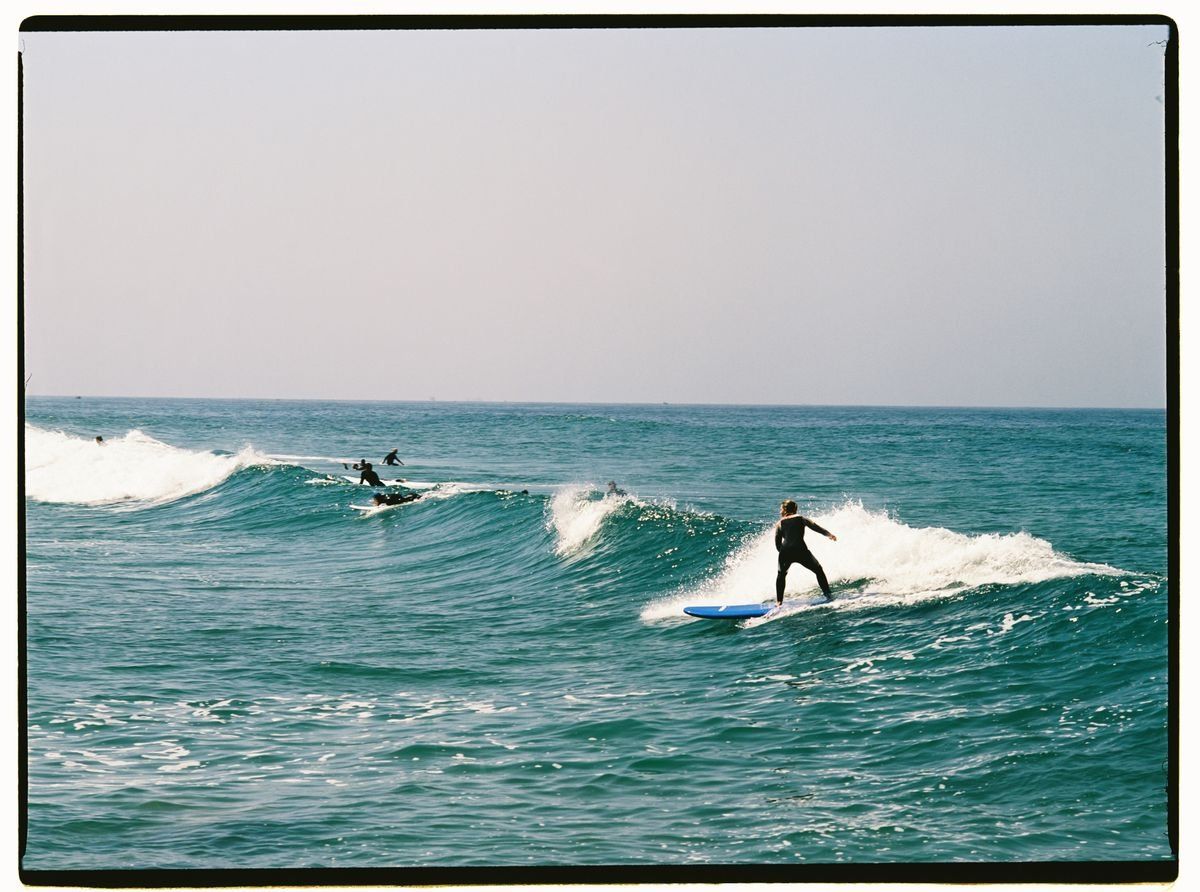
Morocco has that rare travel magic: one minute you’re wandering through a souk with spices in the air, the next you’re watching clean Atlantic lines roll toward a golden coast. That blend of culture, sunshine, and wave variety is exactly why surfing in Morocco has become a favorite for beginners, intermediates, and seasoned surfers alike.
From mellow beach breaks to long right-hand point breaks, the country offers a surf trip that feels adventurous without being complicated. Add easy access from Europe, a warm social vibe, and dinners that make you suspiciously emotional over a tagine, and you’ve got a destination that’s hard to top.
Why Morocco is such a great surf destination
Morocco stands out because it combines reliable Atlantic swell, surf spots for different skill levels, pleasant winter weather, and a strong travel appeal beyond the lineup. It is one of the best places nearby for European travelers who want quality waves, cultural depth, and a trip that feels both active and memorable.
The coastline is long and varied, and that means choice. You can base yourself in a famous surf hub like Taghazout, look for easier sessions in Tamraght, or head to places like Imsouane for long rides that make you feel far more talented than you actually are. A very generous ocean, really.
- Consistent swell during the main surf season
- Spots for all levels, from first-timers to advanced surfers
- Affordable surf camps and rentals compared to many other destinations
- Mild climate especially from autumn to spring
- Cultural experiences beyond the beach, including markets, food, and desert landscapes
Best time for surfing in Morocco
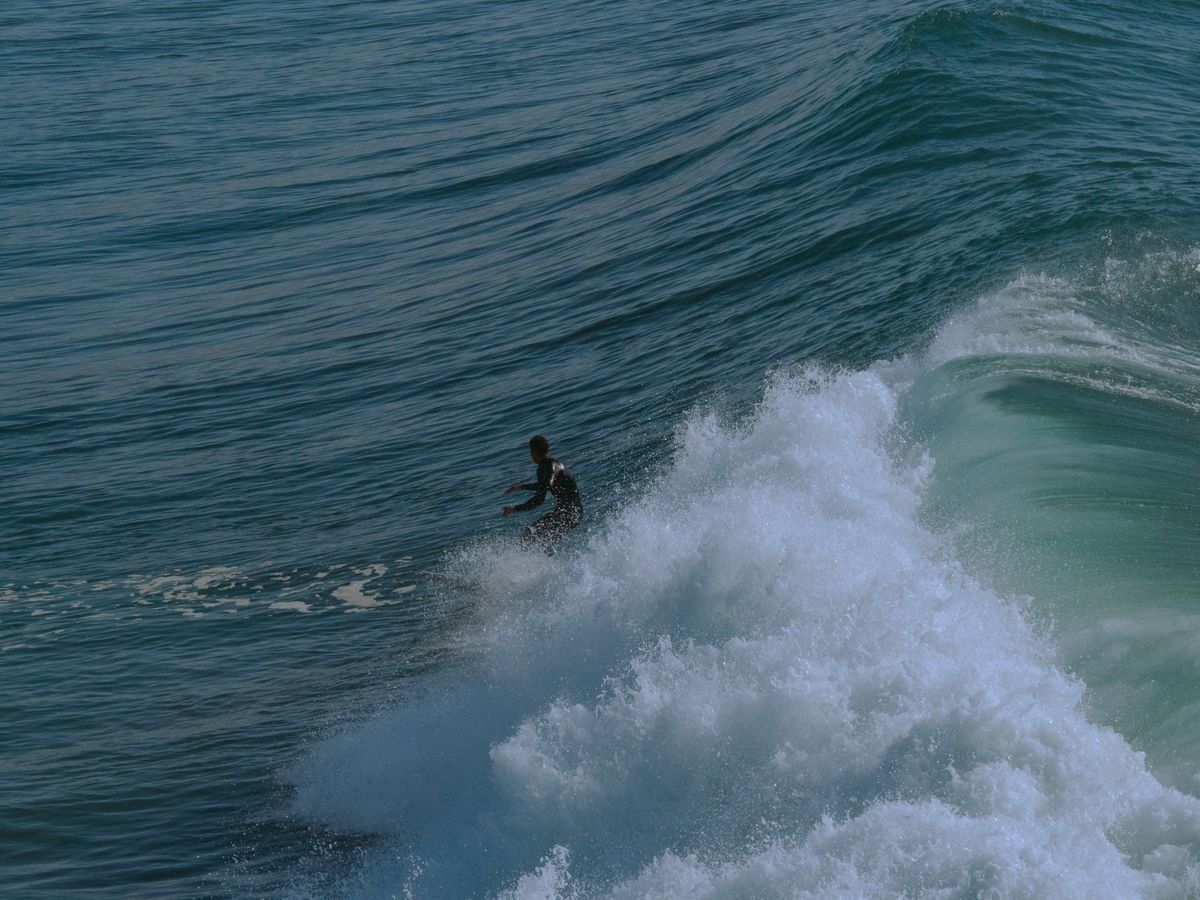
The best time depends on your level, but the prime surf season usually runs from September to March. During these months, North Atlantic swells are more consistent, and many of the country’s famous point breaks start working at their best.
Winter is ideal for experienced surfers chasing more power and consistency, especially around Taghazout and Safi. Autumn and spring are excellent if you want good conditions with slightly fewer crowds. Summer can still work for beginners in sheltered beach breaks, though stronger winds and flatter spells are more common.
| Season | What to expect | Best for |
|---|---|---|
| September to November | Consistent swell, warm weather, fewer crowds than peak winter | Beginners to advanced surfers |
| December to March | Peak swell season, famous point breaks at their best | Intermediate and advanced surfers |
| April to May | Fun leftover swell, milder conditions, good travel balance | Beginners and intermediates |
| June to August | Smaller waves, windier conditions, beginner-friendly days still possible | Beginners and relaxed surf trips |
The best surf spots in Morocco
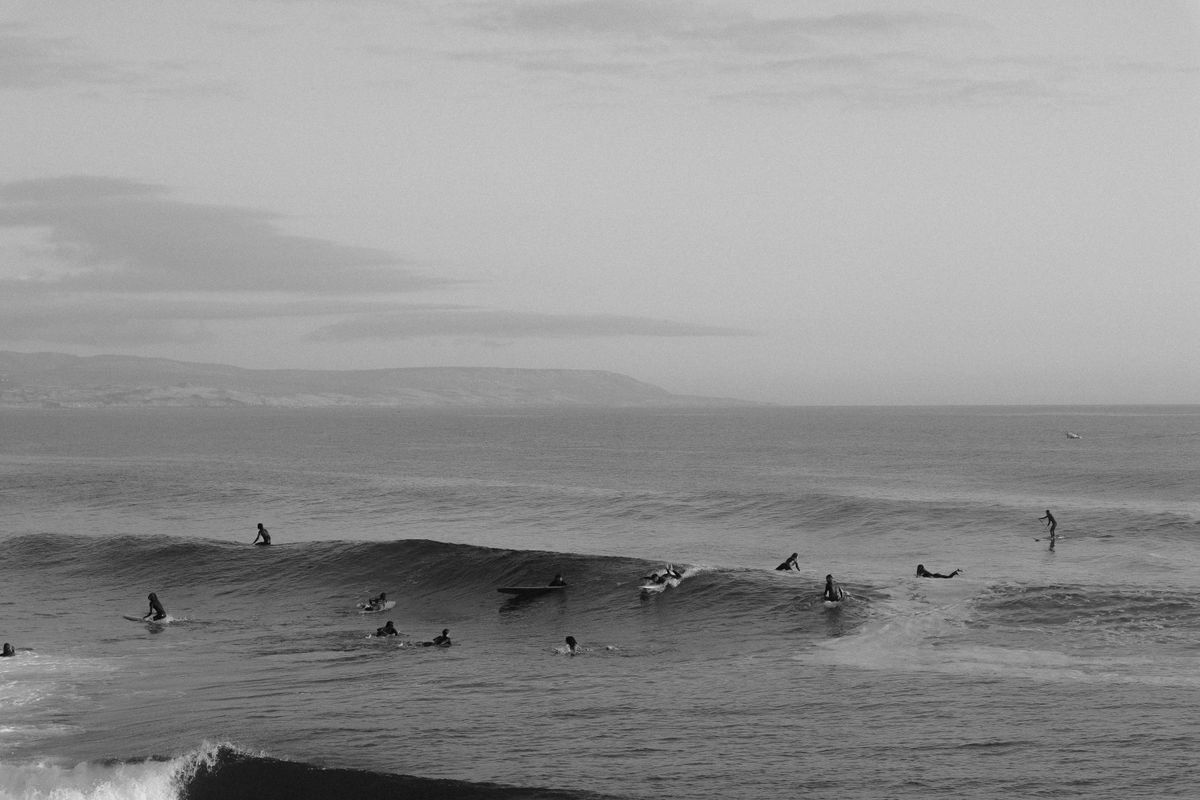
Morocco offers a mix of iconic point breaks, forgiving beach breaks, and long mellow waves. The best spot for you depends on your experience, the season, and how much you enjoy paddling versus dramatically talking about paddling.
Taghazout
Taghazout is the country’s best-known surf town and the natural starting point for many trips. It has a strong surf culture, easy access to multiple breaks, plenty of accommodation, and a lively atmosphere that suits travelers who want waves and a social scene in the same place.
This former fishing village has become a true surf hub, and for good reason. It gives you access to some of Morocco’s most famous breaks, all within a relatively short stretch of coast. The town itself is full of surf houses, rooftop cafés, and people checking forecasts like they’re decoding state secrets.
One place you should absolutely mention on your list is Anchor Point. It is not only one of the most famous breaks in Morocco, but also one of the most iconic viewpoints for watching surfers glide along Atlantic walls. Even if you’re not paddling out there, standing above the point and watching the sets roll in is pure travel cinema.
- Best for: Intermediate to advanced surfers, plus travelers wanting a classic surf base
- Famous spots nearby: Anchor Point, Killer Point, Hash Point, Panorama
- Atmosphere: Social, busy, surf-focused
Tamraght
Tamraght is one of the best areas for beginner and intermediate surfers. It has easier access to mellow beach breaks, a more relaxed pace than Taghazout, and plenty of surf schools that make progression feel more approachable and less like a public test of balance.
Nearby spots such as Devil’s Rock, Crocro, and Banana Point can be excellent for learning and improving. The village has grown in popularity, but it still feels calmer than its famous neighbor. Think of it as Taghazout’s more chilled cousin who still surfs well but doesn’t need to tell everyone about it.
Imsouane
Imsouane is famous for one of the longest right-hand waves in Morocco, making it a dream for longboarders, beginners on the right day, and anyone who enjoys rides long enough to reconsider all their life choices midway through.
The bay is the star here. When conditions line up, the wave offers a smooth, peeling ride that feels almost tailor-made for progression. It is less about explosive surfing and more about flow, glide, and that rare moment when you step off the board feeling strangely wise.
- Best for: Beginners, intermediates, longboarders
- Why go: Long rides, scenic setting, relaxed pace
- Vibe: Smaller town, laid-back, surf-centered
Safi
Safi is one of Morocco’s standout spots for advanced surfers. It is known for a powerful right-hand wave that can produce long, fast rides and barrel sections when the swell is strong enough.
This is not the place for your first green wave or a casual “let’s just see how it goes” session. Safi can be spectacular, but it requires experience and respect. When it turns on, it is often considered among the best waves in the country. Basically, it does not care about your ego, and that’s part of the appeal.
Essaouira and Sidi Kaouki
Essaouira works well as a cultural base, while Sidi Kaouki is often better for actual surfing. The area is appealing for travelers who want a blend of surf, relaxed beach time, and one of Morocco’s most atmospheric coastal towns.
Essaouira is famous for wind, charm, and postcard-worthy medina views. For pure surf quality, many people head a bit south to Sidi Kaouki, where beach breaks can be friendlier and less hectic. It is a great option if you want a trip that includes waves but also long walks, seafood, and sunsets that seem suspiciously overproduced.
Which spots are best by surf level
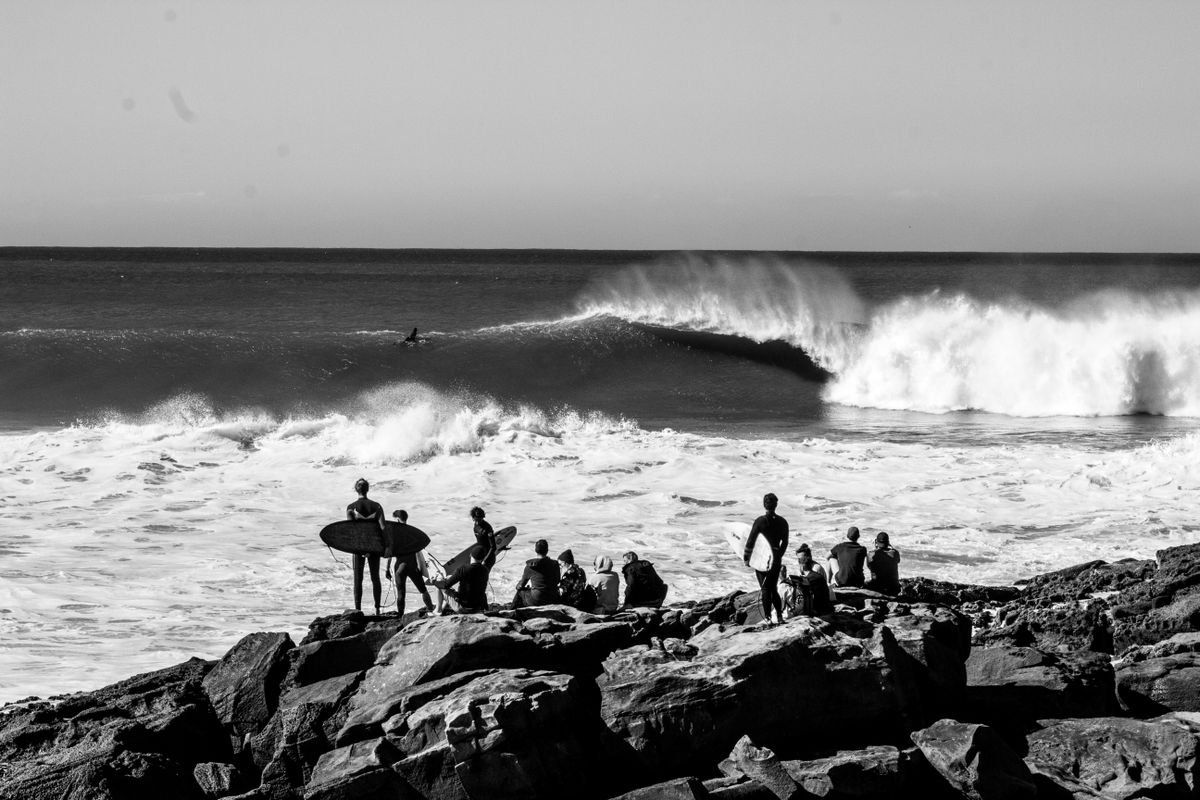
Morocco has options for almost every surfer, but not every break suits every level. Choosing the right base can make the difference between a fun progression trip and a week of getting lovingly humbled by the Atlantic.
| Level | Recommended spots | Why they work |
|---|---|---|
| Beginner | Tamraght, Imsouane, Sidi Kaouki | Softer waves, beach breaks, surf schools, safer learning conditions |
| Intermediate | Taghazout, Banana Point, Devil’s Rock, Imsouane | Longer rides, manageable point breaks, room to improve |
| Advanced | Anchor Point, Killer Point, Safi, Boilers | Faster waves, more power, technical takeoffs, reef and point setups |
Practical tips before your surf trip
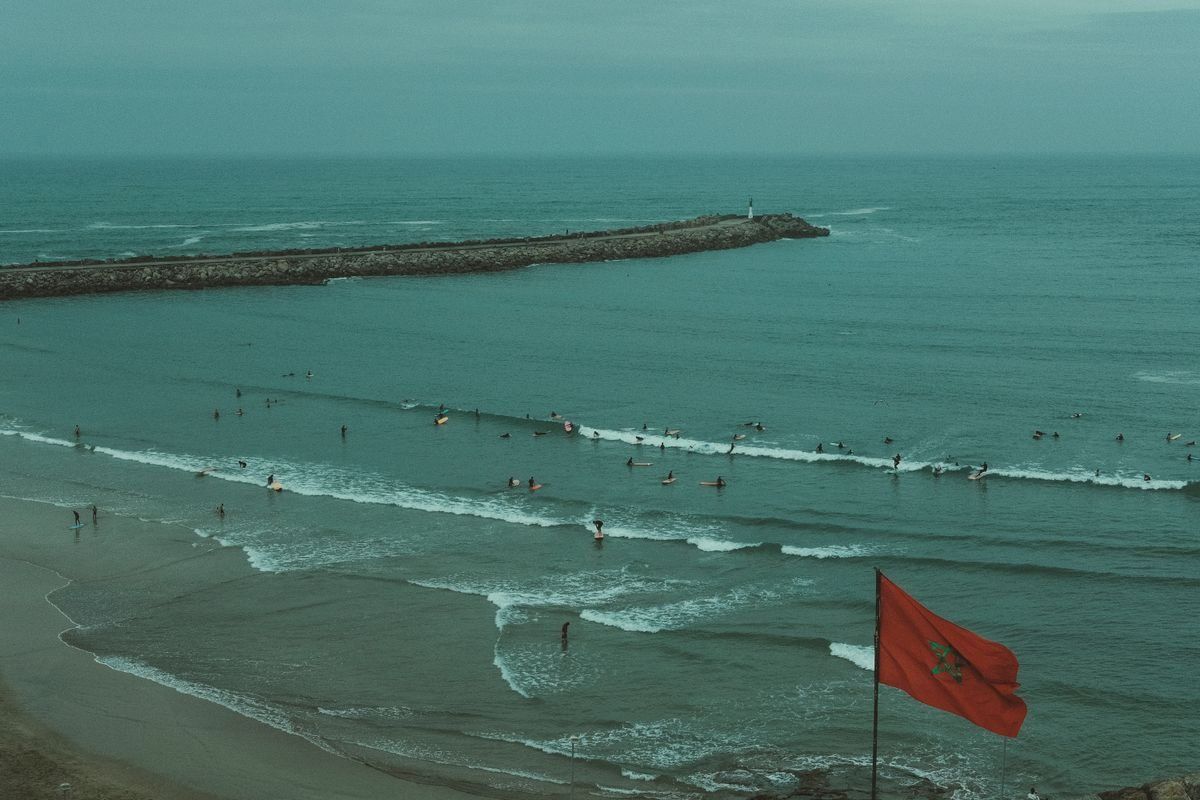
A little planning goes a long way in Morocco. Choosing the right season, packing suitable gear, and understanding local surf etiquette will make your trip smoother, safer, and much more enjoyable.
Water temperatures are usually mild but not tropical, so a 3/2 wetsuit is often a smart choice in the main season. In busy lineups, especially around Taghazout, patience and respect matter. Morocco is generally considered a good destination for surfers, but as with any trip, it helps to stay aware, use common sense, and avoid improvising too much with transport, valuables, or isolated overnight plans.
- Check your level honestly before choosing spots like Anchor Point or Safi.
- Bring reef-safe sun protection; the sun can be strong even in winter.
- Consider a surf camp or local guide if it is your first time in the area.
- Respect local surfers and lineup etiquette, especially at famous breaks.
- Plan some non-surf time too, because Morocco is far too interesting to only see from the parking lot of a beach break.
More than waves: what makes the trip special
Morocco is not only about surf conditions. The destination becomes memorable because the ocean experience blends naturally with food, landscapes, traditions, and road-trip energy along the Atlantic coast.
One day you’re surf-checking at sunrise, the next you’re drinking mint tea, wandering through a medina, or eating grilled fish by the sea. That contrast is a big part of the charm. Surf trip by day, cultural adventure by afternoon, heroic couscous performance by evening. A very balanced schedule, obviously.
If you want to experience this coast with the right mix of adventure, fun, and shared travel energy, take a look at the WeRoad group trips in Morocco and start planning your Atlantic escape.
FAQ
- Does Morocco have good surf?
-
Yes, Morocco has very good surf, especially along the Atlantic coast. It is known for long right-hand point breaks, beginner-friendly beach breaks, and consistent swell during the main season from autumn to early spring.
- Is Morocco safe for surfers?
-
In general, Morocco is considered safe for surfers, particularly in established surf areas like Taghazout, Tamraght, and Imsouane. As with any destination, it is best to stay aware of your surroundings, respect local customs, and avoid isolated or poorly planned situations.
- Can you surf in Morocco as a beginner?
-
Yes, Morocco is a great place for beginners. Areas such as Tamraght, Imsouane, and Sidi Kaouki offer softer waves, sandy bottoms, and many surf schools, making them ideal for learning and improving.
- What is the 12 second rule in surfing?
-
The 12 second rule usually refers to wave interval, meaning there are around 12 seconds between swells. In general, a longer interval often indicates more powerful and organized waves, though how a spot handles that swell depends on the break, tide, and wind conditions.
- Do you need a wetsuit for surfing in Morocco?
-
Most surfers do, especially from autumn to spring. A 3/2 wetsuit is commonly suitable for many conditions, though some people may prefer slightly more thickness in winter depending on cold tolerance and session length.