In a nutshell
- Portugal’s best beaches are not all in one area: the southern Algarve is best for calmer water and iconic cliff-backed coves, while the western Algarve, Costa Vicentina, and central Atlantic coast offer wilder scenery, stronger surf, and fewer crowds.
- The standout Algarve beaches include Praia da Marinha for postcard views, Praia do Camilo for compact beauty, Praia de Dona Ana for an all-round beach day, Praia do Vale Centeanes for a scenic cove near Carvoeiro, and Praia da Falésia for long walks and extra space.
- For surf and raw Atlantic character, beaches like Praia da Arrifana, Praia do Amado, and Praia da Bordeira stand out thanks to big landscapes, open sand, dramatic cliffs, and excellent wave conditions, especially for travelers who prefer nature over polished resort settings.
- The Seven Hanging Valleys Trail adds a major scenic experience to an Algarve beach itinerary, connecting dramatic coastal viewpoints and leading to Praia de Centeanes, making it ideal for travelers who want to combine beach time with hiking and cliff panoramas.
- Choosing the right beach depends on your style: pick the Algarve for swimming and warmer conditions, the west coast for surfing, Comporta and larger Atlantic beaches for space and slower beach days, and always consider access, tides, wind, and summer parking before you go.
Portugal has that rare talent for making almost every coastal stop feel like the right one. One day you are looking at honey-colored cliffs and calm turquoise water, the next you are facing wild Atlantic waves with hair doing its own dramatic thing. If you are searching for the best beaches in Portugal, the good news is that the country delivers variety, beauty, and a generous amount of wow-factor packed into a relatively short coastline.
From the famous coves of the Algarve to the surf-heavy stretches of the west coast, Portugal suits nearly every beach mood: lazy sunbathing, family swims, cliff walks, seafood lunches, and full-on “maybe I should learn to surf” delusions. The trick is not finding a beautiful beach. The trick is choosing which one to visit first.
Where to find the best beaches in Portugal
The best beaches in Portugal are spread across very different coastal landscapes. The Algarve is ideal for postcard coves and warmer water, while the Atlantic coast offers bigger waves, broader sands, and a more rugged atmosphere. Your best choice depends on whether you want calm swimming, surfing, scenic hikes, or quieter escapes.
If it is your first trip, start with this simple rule: head south for classic beach-holiday scenery, and west or north for raw nature and surf culture. The southern Algarve is famous for limestone cliffs, sea arches, and sheltered bays. The western Algarve and the Costa Vicentina feel wilder, windier, and gloriously less polished. Around Lisbon, Comporta, Ericeira, and Nazaré, you get long Atlantic beaches with more space and stronger ocean energy.
| Area | Best for | Beach style | Water and waves |
|---|---|---|---|
| Southern Algarve | Swimming, scenery, first-time visitors | Coves, cliffs, golden sand | Warmer, calmer |
| Western Algarve | Surf, dramatic landscapes, fewer crowds | Wide beaches, dark cliffs | Cooler, rougher |
| Costa Vicentina | Nature, road trips, wild beaches | Remote, untamed, scenic | Atlantic swell, windy |
| Lisbon coast | Day trips, surf, easy access | Long urban and semi-wild beaches | Cool, varied |
| Alentejo coast | Quiet escapes, long walks | Dunes, open sands | Cooler, breezy |
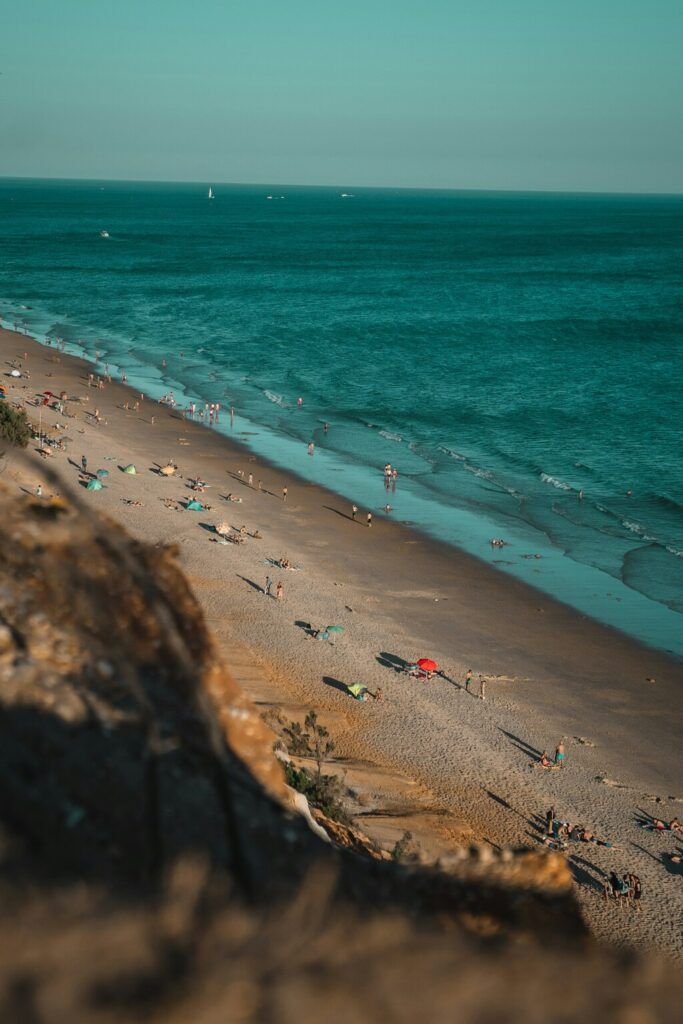
Best beaches in the Algarve for iconic scenery
The Algarve has Portugal’s most famous beaches for a reason. This region combines golden cliffs, clear water, and easy holiday infrastructure, making it the easiest place to find beautiful swimming beaches. It is ideal for travelers who want dramatic views without giving up beach bars, parking, or nearby towns.
Praia da Marinha
Praia da Marinha is one of the most celebrated beaches in Portugal thanks to its arches, stacks, and astonishingly clear water. It is best for scenery and short stays, especially if you want those classic Algarve views. Arrive early in summer, because by late morning the secret is very much out.
This is the beach you have probably already seen in photos, screensavers, and the travel dreams of at least half your group chat. The cliffs are spectacular from above, and the beach itself is small but gorgeous. It is also one of the starting points for the Seven Hanging Valleys Trail, one of the Algarve’s most scenic cliff walks.
Praia do Camilo
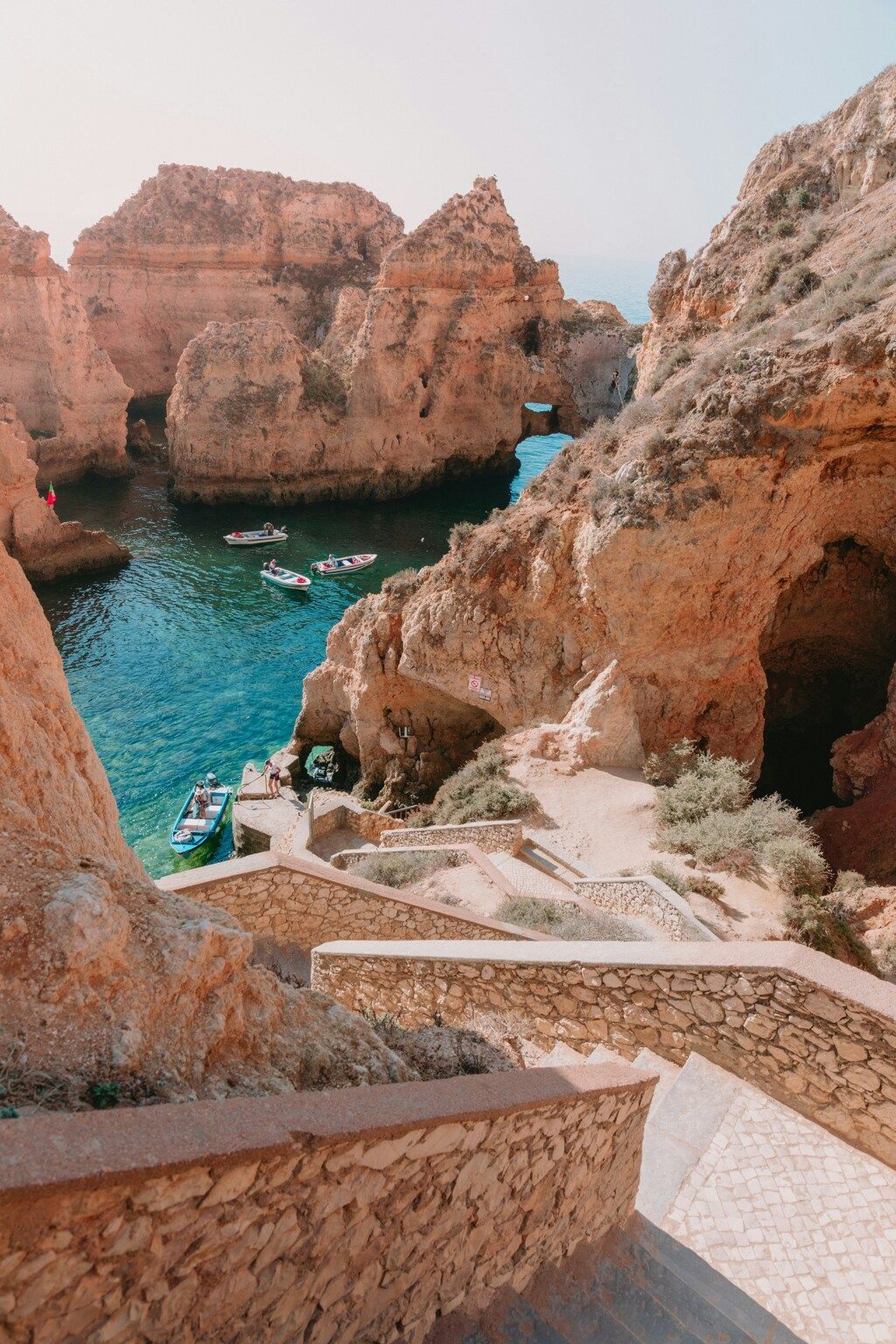
Praia do Camilo is a compact cove near Lagos known for its wooden staircase, golden rock formations, and calm water. It is one of the prettiest beaches in the country, but space is limited. Go early or be prepared to bond emotionally with strangers via towel proximity.
The descent is part of the experience, and so is the tunnel linking sections of the beach. It feels cinematic, intimate, and very photogenic. That said, this is not the place if you need lots of room, endless shade, or an uninterrupted nap soundtrack free of happy tourists.
Praia de Dona Ana
Praia de Dona Ana stands out for its broad sandy area, eye-catching rock pinnacles, and easy access from Lagos. It is a strong all-round option for swimming and relaxing, especially for travelers who want a famous Algarve beach with a little more usable space than the tiniest coves.
The scenery is classic Algarve: ochre cliffs, emerald-blue water, and a shoreline that looks almost too designed to be natural. On a sunny day, it is the kind of place that makes you briefly consider moving to Portugal and opening a beach café despite having no hospitality experience whatsoever.
Praia do Vale Centeanes
Praia do Vale Centeanes is a fantastic choice for travelers who want beauty, easier parking, and a slightly more relaxed atmosphere. It sits near Carvoeiro and offers a scenic cove setting with facilities nearby. It is especially rewarding if paired with a coastal walk.
This beach is closely linked to the Seven Hanging Valleys Trail, the scenic clifftop path that leads to Praia de Centeanes. The walk serves up ocean views, rugged cliffs, and enough dramatic coastline to make your camera work overtime. Then you can end with a swim, which is frankly a very elegant way to finish a hike.
Praia da Falésia
Praia da Falésia is one of the best beaches in Portugal for long walks, space, and a less cramped beach day. Instead of tiny coves, you get a massive sandy stretch backed by red and white cliffs. It works well for couples, runners, and anyone allergic to overcrowded beaches.
If some Algarve beaches feel like jewel boxes, Falésia feels like the grand ballroom. There is room to spread out, walk for ages, and actually hear your own thoughts. The cliffs glow beautifully in late afternoon, and the whole setting feels a little more relaxed and less elbow-to-elbow.
Best beaches in western Portugal for surf and wild landscapes
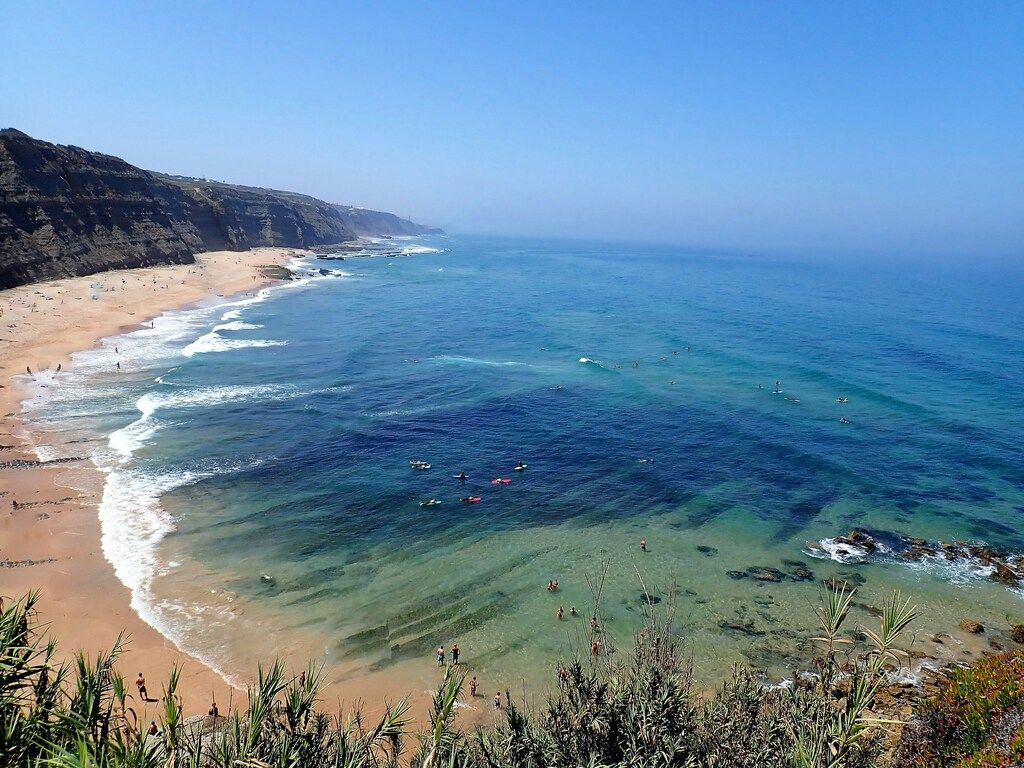
Western Portugal offers a more rugged beach experience with stronger waves, dramatic cliffs, and a laid-back surf culture. These beaches are often less sheltered than those in the Algarve, but they reward visitors with bigger scenery, more space, and a raw Atlantic character that feels unmistakably Portuguese.
Praia da Arrifana
Praia da Arrifana, on the western Algarve edge, is one of Portugal’s standout surf beaches. It combines a wide sandy bay, steep cliffs, and a village overlooking the sea. Even non-surfers will appreciate the landscape and the strong sense of place.
There is something irresistibly cool about Arrifana. Maybe it is the surfers, maybe it is the rugged setting, maybe it is the fact that lunch after a windy beach morning somehow tastes 40 percent better here. Either way, this is a strong pick if you like scenery with a bit of edge.
Praia do Amado
Praia do Amado is among the best beaches in Portugal for surfing, open space, and raw coastal beauty. Located in the Costa Vicentina area, it has a dramatic, undeveloped setting and a broad expanse of sand. The waves are often powerful, so conditions matter.
This is the beach for people who hear “Atlantic swell” and smile confidently. For everyone else, it is still worth visiting for the color of the cliffs, the expansive views, and the sense that nature is fully in charge here. A little windy? Yes. Beautiful enough to forgive the wind? Also yes.
Praia da Bordeira
Praia da Bordeira offers huge dunes, a river mouth, and one of the most striking beach landscapes in Portugal. It is less about tidy beach lounging and more about scale, walking, and absorbing the wildness of the coast. It feels spacious in every possible sense.
If you like beaches that come with a side of adventure, Bordeira is a winner. Wooden boardwalks, vast sands, and big skies make it feel almost cinematic. It is the kind of place where you start with a short walk and somehow end up wandering for ages with sandy shoes and zero regrets.
Great beaches near Lisbon and beyond
Portugal’s central coast is excellent for travelers who want beach time without going all the way south. Around Lisbon and further north, you will find easy-access beaches, surfing hubs, and scenic sands that work well for day trips or short coastal stays. The water is cooler, but the atmosphere is lively.
Praia do Carvalhal, Comporta
Praia do Carvalhal is one of the best beach choices south of Lisbon for a stylish but relaxed day by the sea. Located in the Comporta area, it offers long sands, dune scenery, and a calmer, more spacious mood than many Algarve hotspots.
Comporta has mastered that polished-but-not-trying-too-hard coastal vibe. You come for the beach, stay for the seafood, and leave wondering if linen trousers are suddenly part of your personality. Carvalhal is beautiful, broad, and ideal if your dream beach day includes equal parts sun and lunch.
Praia da Foz do Lizandro
Praia da Foz do Lizandro, near Ericeira, is a versatile Atlantic beach with surf, river-mouth scenery, and family-friendly areas. It is a good option if your group cannot agree on one beach personality, because it offers a bit of everything without losing charm.
There are surfers, families, walkers, and sun-seekers all happily coexisting here, which is no small miracle. It is also close to Ericeira, one of Portugal’s best surf towns, so you can easily combine beach time with whitewashed streets, seafood, and a very convincing promise to take just one surf lesson.
Praia do Norte and Nazaré’s coastline
Nazaré is best known for giant waves, especially at Praia do Norte, but the wider coastline also offers scenic beach time and a distinctive atmosphere. It may not be the top choice for calm swimming, yet it is one of Portugal’s most memorable coastal destinations.
No, you probably will not be casually swimming where world-record waves crash in winter. But visiting Nazaré is still unforgettable. The cliffs, surf culture, and big-ocean drama give it a completely different feel from the Algarve. It is less “float quietly” and more “stare respectfully at the Atlantic’s main character energy.”
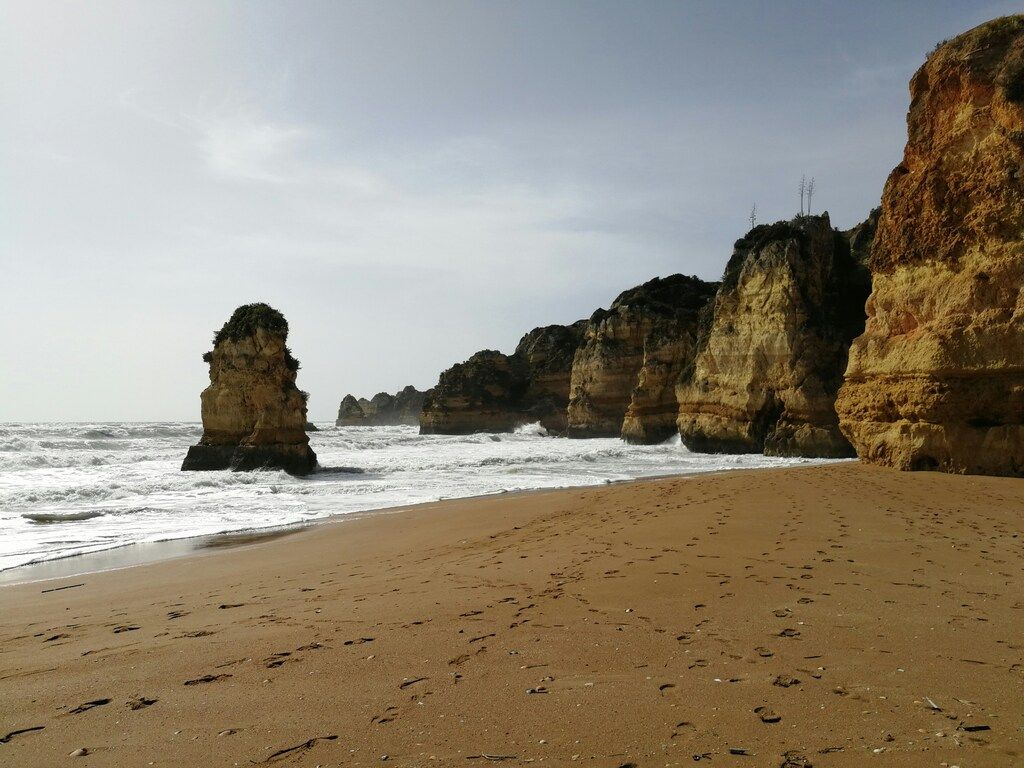
How to choose the right beach for your trip
The best beach in Portugal depends on your travel style more than on any ranking. Some beaches are perfect for swimming, others for hiking, surfing, or quiet escapes. Choosing well means matching the beach to the kind of day you actually want, not the one your camera roll thinks you want.
- For warmest and calmer water: choose the southern Algarve, especially around Lagos, Carvoeiro, and Albufeira.
- For surfing: head to Arrifana, Amado, Ericeira, or Nazaré’s wider coast.
- For scenic cliff walks: focus on Praia da Marinha, Praia do Vale Centeanes, and the Seven Hanging Valleys Trail.
- For fewer crowds: try the western Algarve, Costa Vicentina, or the Alentejo coast.
- For families and easier access: larger beaches like Praia da Falésia or Praia do Carvalhal are usually more comfortable.
Before you pack the beach bag
Portugal’s beaches are consistently beautiful, but they are not all interchangeable. Atlantic conditions can change quickly, parking can fill early in summer, and some coves have steep access. A little planning helps you enjoy the coast safely and comfortably without unpleasant surprises.
- Check ocean conditions before swimming, especially on west coast beaches.
- Arrive early for famous Algarve coves in high season.
- Wear proper shoes if your beach day includes cliffs, trails, or wooden steps.
- Respect local warnings near unstable cliffs and rough surf.
- Bring layers because Atlantic wind can turn a hot day into a goosebumps convention surprisingly fast.
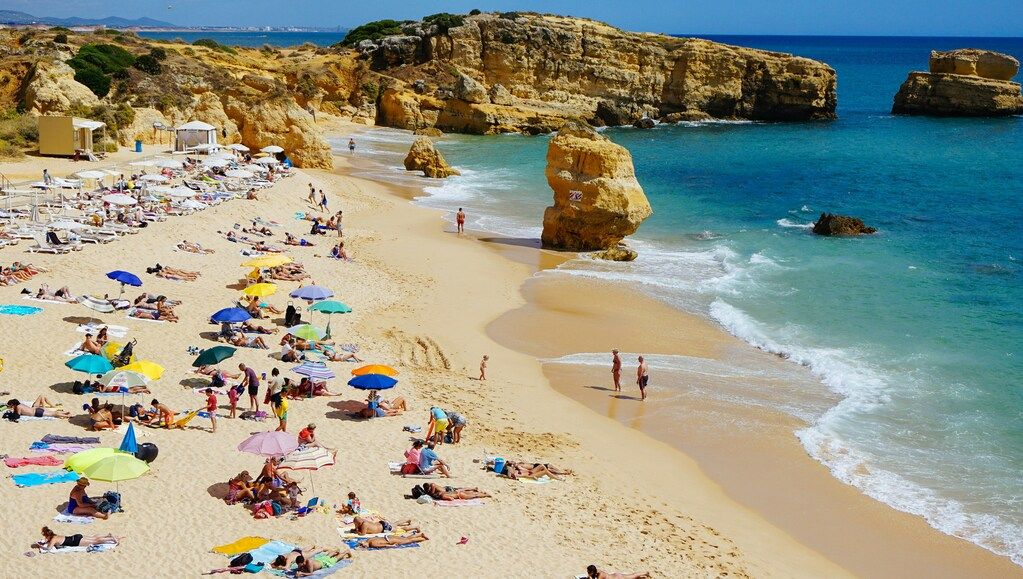
Portugal’s coast is best enjoyed slowly
Portugal rewards travelers who mix famous beaches with lesser-known stretches of coast. The most satisfying itineraries usually combine a few iconic spots with time for scenic drives, seafood stops, and unplanned viewpoints. The result is a beach trip that feels richer than a simple checklist.
You might start with the big names like Praia da Marinha or Praia do Camilo, then fall unexpectedly for somewhere windier, quieter, and less polished. That is part of Portugal’s charm: the coast keeps changing, and somehow keeps delivering.
If Portugal is calling, take a look at the WeRoad group trips for this destination and discover the coastline with people who are just as ready for Atlantic sunsets, scenic hikes, and one more beach stop.
FAQ
- What part of Portugal has the best beaches?
-
The Algarve is often considered the best region for beaches in Portugal because of its dramatic cliffs, sheltered coves, and relatively warmer water. That said, the west coast is better for surfing and wild scenery, so the “best” area depends on your travel style.
- What is the warmest beach area in Portugal?
-
The warmest beach area in Portugal is generally the southern Algarve. Beaches around Lagos, Albufeira, and Carvoeiro tend to have calmer and slightly warmer water than the Atlantic-facing west coast, especially in summer.
- Are beaches in Portugal good for swimming?
-
Yes, many beaches in Portugal are excellent for swimming, especially in the southern Algarve where bays are more sheltered. On the west coast, swimming can still be possible, but waves, currents, and wind are often stronger, so checking local conditions is important.
- Do I need a car to visit the best beaches in Portugal?
-
A car is highly recommended if you want to explore several of the best beaches, especially in the Algarve, Costa Vicentina, or Alentejo. Some beaches near Lisbon or Lagos are easier to reach without one, but a car gives you far more flexibility.
- What should I avoid doing on Portuguese beaches?
-
Avoid ignoring warning flags, sitting too close to unstable cliffs, and underestimating Atlantic currents. It is also smart not to arrive late at the most famous beaches in peak summer unless your hobby is circling parking lots with increasing emotional intensity.