In a nutshell
- As loneliness and digital fatigue shape everyday life, more travelers are looking for trips that offer genuine human connection as well as a deeper connection to the places they visit.
- Group travel is becoming one way to meet new people, especially for travelers whose friends may not share the same interests or availability.
- Trips built around shared hobbies – from hiking and birding to cooking, architecture and crafts – can make it easier for strangers to bond because they already have something in common.
- Solo travel does not necessarily mean being alone: many travelers value the freedom and flexibility of traveling independently while still seeking cultural immersion and opportunities to connect with others.
- Niche group trips can take some of the “social gamble” out of traveling with strangers by bringing together people with similar passions and interests.
- Pilgrimage routes such as the Camino de Santiago offer another form of connection, combining travel with spirituality, culture and the chance to form friendships with fellow travelers along the way.
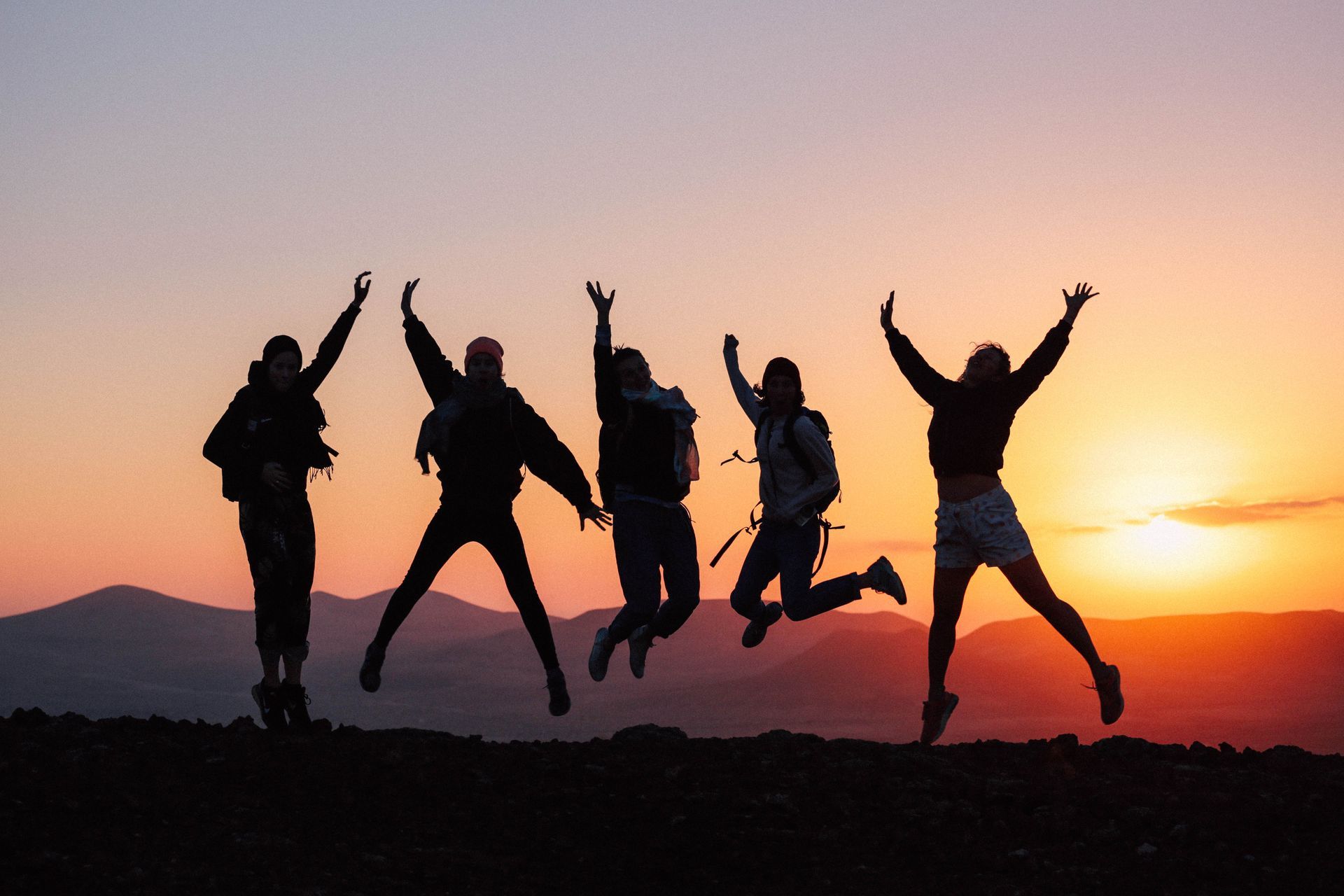
- Whether through shared interests, group adventures or meaningful journeys, travel is increasingly becoming a way not just to see the world, but to feel part of it.
Between our ever-present screens, the ubiquity of dating apps, endless social media doomscrolling and the lingering effect of pandemic-driven lockdowns, American adults are facing what some have called a loneliness epidemic. Now many are searching for experiences that make them feel more connected to others—but also to the places they are visiting. And increasingly, they are traveling far from home to find them.
Whether traveling with friends, embarking on an adventure with total strangers, or heading to a destination that’s sure to draw like-minded travelers, people are seeking human connection as part of the travel experience.
From strangers to travel companions
For travelers whose friends are too busy or don’t share the same interests, the choice once seemed simple: stay home or travel alone. But instead of booking solo trips, more younger travelers are opting for group travel experiences built around hobbies such as cooking, hiking, yoga, surfing or exploring local architecture. The idea is rooted in a desire for connection and travel companies that focus on group trips (WeRoad among them) are part of a growing ecosystem built around meaningful connection through travel.
“We asked 5,000 people what they think about relationships today,” WeRoad wrote on Instagram, recounting participants’ stories about their need for social connection, their hesitation to book a trip with strangers, and ultimately, the friendships they formed after they stepped outside of their comfort zone. “What we found is that adult friendships don’t grow from perfect settings, but from shared experiences—those moments when the walls come down and you see each other for who you really are.”
According to a 2025 survey conducted by the hostel booking platform Hostelworld, solo travel is less about being alone and more about freedom, flexibility and connecting with others. For the majority of travelers, culinary experiences, cultural immersion, festivals and bucket-list experiences topped the list of priorities. The three most popular destinations were Thailand, Spain and Italy.
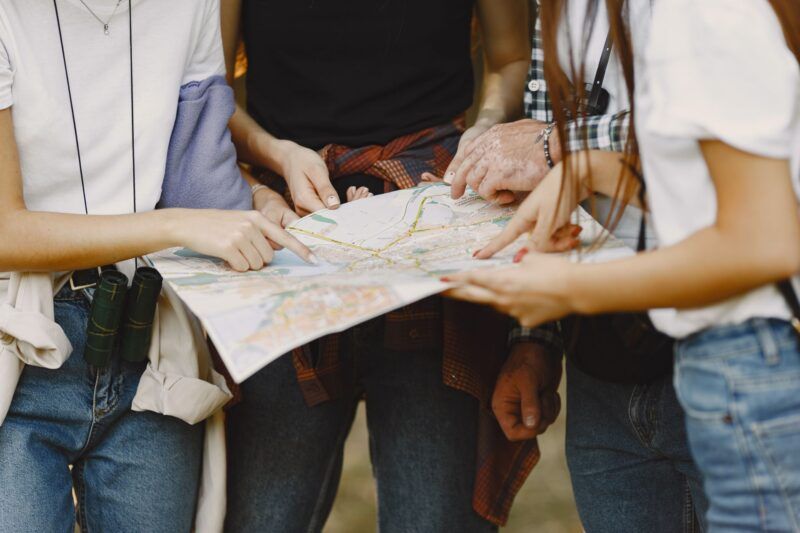
Of course, the prospect of spending a large chunk of time with a group of strangers can be a scary experience for some travelers, as one Reddit user recently confessed.
“My next trip is with a bunch of strangers that I have never met. My friends started scaring me and I am afraid that a million things can go wrong. I have my flights and everything booked so can’t back out,” the user wrote. The responses from the community began to pour in, from brief words of encouragement to personal stories about positive group travel experiences.
“You’ll meet some new friends, you’ll probably have some people you never speak to again but either way you will make memories,” another Reddit user responded. “Give it a shot! Can be great fun.”
Hobbies and connection
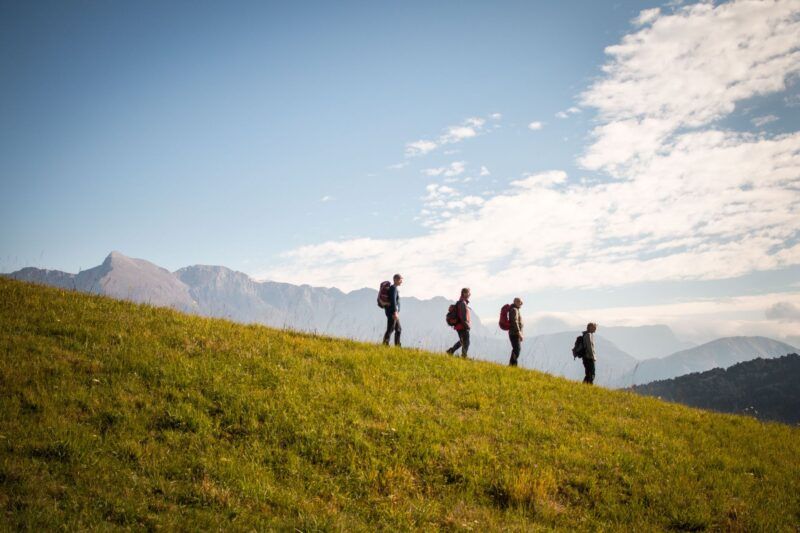
For travelers looking to bond over a shared interest, that could mean joining fellow hikers on a trip to the Dolomites, connecting with wildlife enthusiasts on a birding trip to Costa Rica, or taking an immersive group trip through the history, architecture, cuisine and culture of Vietnam. WeRoad’s Vietnam 360: From Hanoi to Ho Chi Minh City trip, for instance, checks a few different boxes, offering city walks, authentic cuisine, train rides and even sailing trips to some of Halong Bay’s iconic caves.
“Travelers will seek to make the most of their time away, rooted in authentic and immersive experiences,” Airbnb predicted a few months ago, referring to travel trends for 2026. Argentina, South Korea, Brazil and Thailand are among the destinations trending on TikTok, with culinary experiences, architectural tours and road trips among the most sought-after activities.
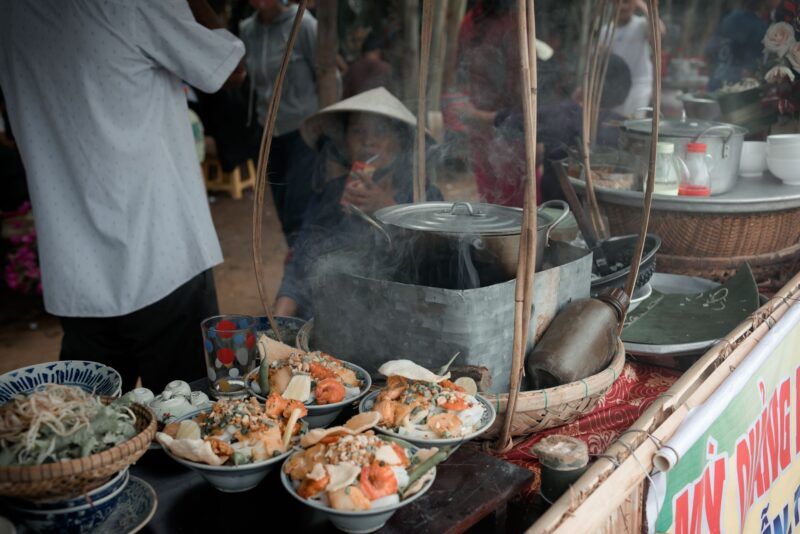
Whatever your interest, you are bound to find a group trip that is designed around it. Vegan culinary trips to Italy? Check. World War II history tours in France? Check. Crafting holidays in Mexico? Check.
“The biggest fear for many solo travelers joining a group trip is the social gamble. Will I like the people? Will I have anything in common with them?” writes the travel content creator and tour group operator WanderingEarl on his blog. “On a niche trip, the gamble is gone… You aren’t just meeting other travelers, you’re meeting your people. This common ground acts as a social lubricant, turning strangers into a tight-knit community by the first dinner.”
Finding community
While group trips organized around an activity or hobby are growing in popularity, so are trips that emphasize meaningful spiritual connection to a place or a culture, such as the popular pilgrimage routes Camino de Santiago in Spain, the U.K’s Pilgrims’ Way to Canterbury and the Via Francigena, which runs from Canterbury to Rome.
Statistics collected by CaminoWays.com suggest pilgrimages are seeing a revival, with a record of nearly 531,000 people completing the Camino de Santiago in 2025. Americans, in particular, have become a growing presence on the route, their numbers rising by roughly 90% over the past decade.
“On the Camino, you’ll often start to notice the same people around you when hiking each day…It’s not uncommon to strike up a conversation with someone you haven’t met yet while hiking or when stopping at a restaurant for a bite to eat,” writes Mikala Whitaker on her travel blog, The Unanchored Passenger. “In the end, I left with friends from all over Europe, Australia, Brazil, and the U.S. It was a great group of people, and I still keep in touch with them, even now almost two years later.”