Argentina is one of those countries that makes trip planning feel both thrilling and slightly ridiculous. It is huge, wildly diverse, and packed with experiences that range from sipping Malbec in sun-drenched vineyards to staring at a glacier like it personally offended gravity. If you are building an itinerary, the key is choosing the regions that match your style.
From the urban energy of Buenos Aires to the ice fields of Patagonia, passing through waterfalls, mountains, wine country and desert landscapes, Argentina offers more than a checklist of landmarks. It is a destination built around contrasts, and that is exactly what makes it unforgettable.
Why Argentina deserves a spot on your travel list
Argentina stands out for its variety. In one country, you can experience major cities, world-class hiking, powerful natural wonders, rich food culture, and remote landscapes that feel almost cinematic. It is ideal for travellers who want a mix of nature, culture, and movement rather than a single-base holiday.
That variety is also what makes planning so important. Distances are long, climates change dramatically between regions, and every area seems to whisper, “stay one more day.” Very rude, very effective.
- For culture and nightlife: Buenos Aires
- For wine and mountains: Mendoza
- For dramatic nature: Iguazú Falls and Patagonia
- For colourful high-altitude landscapes: Salta and Jujuy
- For hiking: El Chaltén and Ushuaia
Buenos Aires: culture, food, and late nights
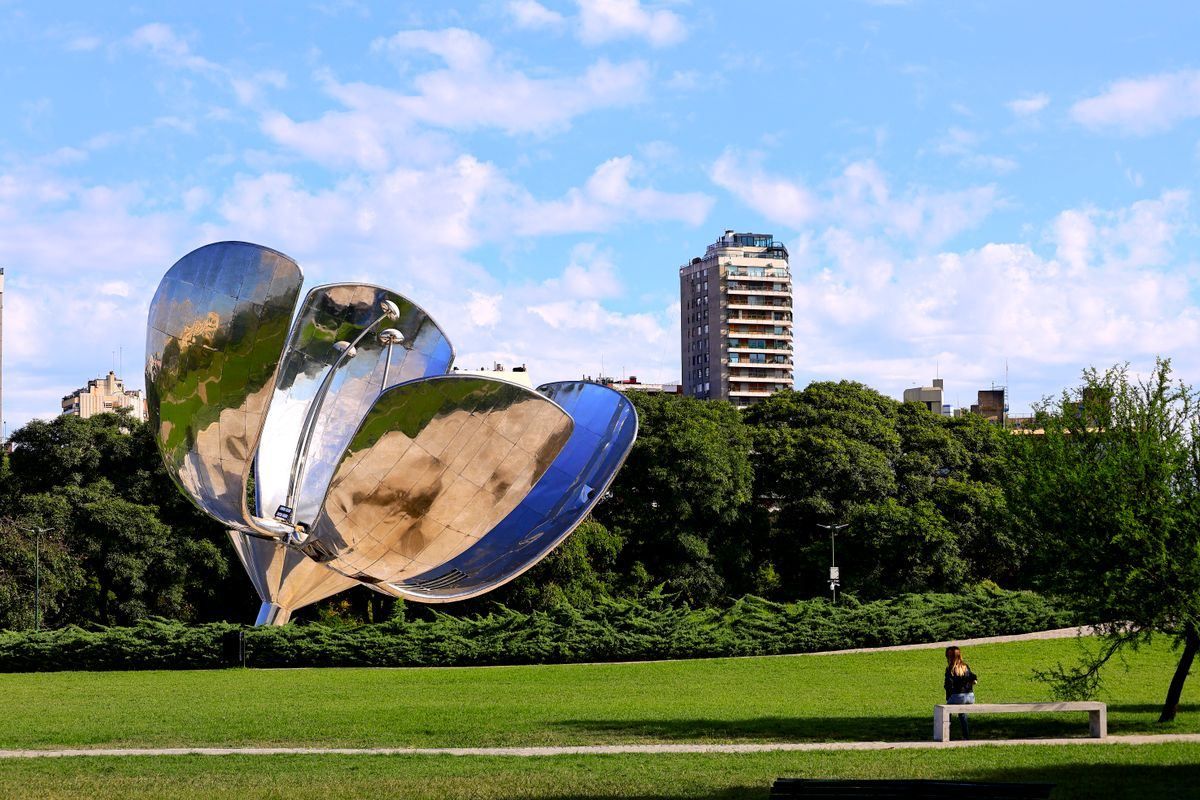
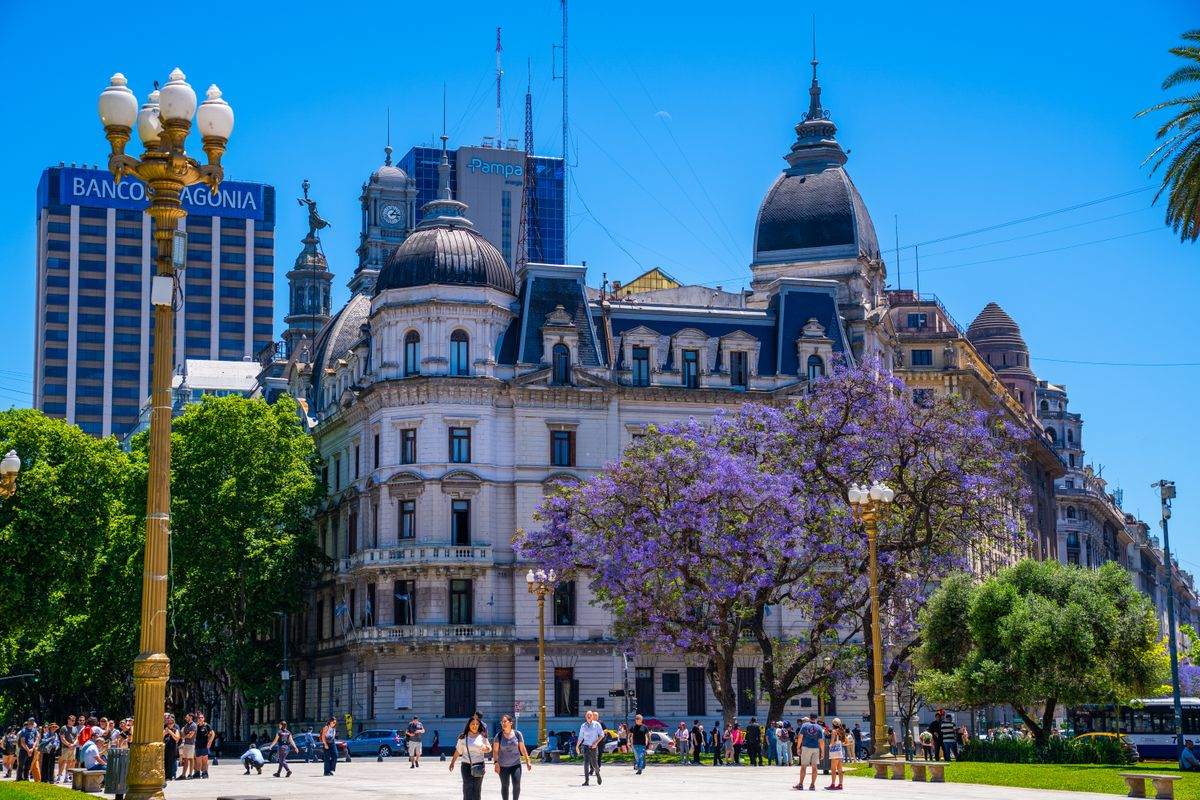
Buenos Aires is the best starting point for understanding modern Argentina. The capital combines European-style architecture, strong local identity, excellent food, and neighbourhoods with distinct personalities. Give it at least three days to enjoy its landmarks, cafés, markets, and nightlife without rushing.
This is a city made for wandering. In Recoleta, you will find elegant streets and the famous cemetery where Evita Perón is buried. Palermo is full of leafy avenues, cool bars, boutiques, and colourful murals. San Telmo brings antique shops, tango vibes, and a more old-school atmosphere, while La Boca delivers bold colour and football passion.
What not to miss in Buenos Aires
Buenos Aires rewards travellers who mix classic sights with local experiences. A balanced day might include historic landmarks, street food, and an evening activity that captures the city’s character. The result is a fuller picture of the capital beyond the postcard version.
- Visit Recoleta Cemetery and walk through Retiro
- Browse books at El Ateneo, one of the most beautiful bookstores in the world
- Stop at Café Tortoni for a historic coffee break
- Explore Palermo’s street art and try empanadas
- Watch or join a tango lesson or milonga night
- Visit San Telmo Market and try a street-side choripán
Buenos Aires is also what Argentina is most famous for in urban terms: tango, steak, café culture, football, and a nightlife schedule that politely ignores bedtime.
Iguazú Falls: Argentina at full volume
Iguazú Falls is one of the country’s most spectacular natural highlights. Located in the far northeast, this vast waterfall system sits within lush subtropical forest and offers a very different landscape from the south. Plan at least two days so you can explore both the Argentine and Brazilian sides.
The Argentine side gives you access to a network of walkways that bring you close to the cascades. The star attraction is the Devil’s Throat, a thunderous horseshoe-shaped drop that is less “viewpoint” and more “nature showing off.” The Brazilian side offers broader panoramic views, which makes it worth the border crossing if time allows.
If you want a more adrenaline-heavy experience, boat rides take you near the base of the falls. Expect spray, noise, and the complete destruction of any illusion that your rain jacket is invincible.
Mendoza: wine, mountains, and a slower pace
Mendoza is the place to go for vineyards, Andean scenery, and relaxed travel days built around great food and wine. It is especially well suited to travellers who want to slow down for a moment between bigger cities and more demanding outdoor destinations.
Argentina is globally known for Malbec, and Mendoza is where many visitors fall happily, and repeatedly, into that story. Wineries in areas like Maipú, Luján de Cuyo, and the Uco Valley offer tastings, long lunches, and mountain views that make “just one glass” an optimistic little fantasy.
Beyond wine, Mendoza is also the gateway to the Andes and Aconcagua, the highest mountain in the Americas. Day trips can include scenic drives, soft hiking, rafting, or simply admiring the landscape while pretending you are in a very dramatic film.
Salta and Jujuy: high-altitude colours and Andean culture
Northwestern Argentina offers some of the country’s most striking landscapes. Salta and Jujuy combine desert scenery, colonial towns, indigenous heritage, and mountain formations in vivid shades of red, pink, and ochre. This region suits travellers looking for something less classic and more scenic-road-trip worthy.
Salta itself is a charming base with colonial architecture, local markets, and easy access to surrounding valleys. In nearby Jujuy, places like Purmamarca and the Hill of Seven Colours offer some of Argentina’s most photogenic views. Further afield, the Hornocal mountain range rises in layered colour at high altitude, while the Salinas Grandes delivers blinding white salt flats and surreal perspectives.
Best experiences in the northwest
The northwest is best explored slowly, ideally by road. The main appeal lies in combining landscapes, small towns, and local traditions over several days rather than trying to rush through isolated stops.
- See the Hill of Seven Colours in Purmamarca
- Visit the Hornocal viewpoint at high altitude
- Cross the Salinas Grandes salt flats
- Drive along Quebrada de las Conchas
- Taste Torrontés wine in Cafayate
- Enjoy a folk-music dinner in a traditional peña salteña
This part of Argentina feels a little more remote, a little more textured, and very rewarding for anyone who likes landscapes with personality.
Patagonia: glaciers, peaks, and unforgettable trails
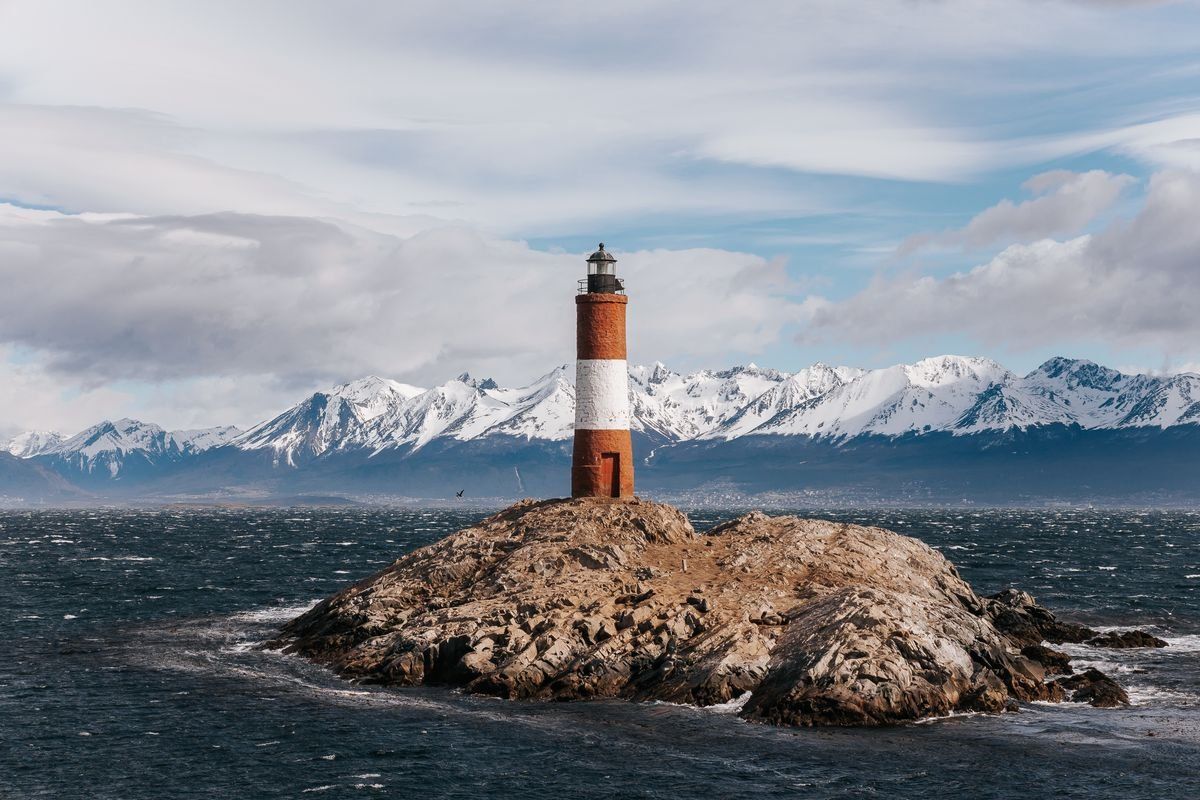
Patagonia is one of the biggest reasons many travellers come to Argentina. In the south, you will find glaciers, jagged mountain peaks, windswept steppe, and some of the best trekking on the continent. It is the region to prioritise if nature is the heart of your trip.
The two classic Patagonian bases on the Argentine side are El Calafate and El Chaltén. El Calafate is the gateway to Los Glaciares National Park and the famous Perito Moreno Glacier, where walkways let you admire walls of blue ice and, with luck, hear huge chunks collapse into the water. It is one of those travel moments that makes everyone nearby go silent for half a second, then collectively say some variation of “wow.”
El Chaltén is Argentina’s trekking capital. The most iconic hike is Laguna de los Tres, with its close-up views of Mount Fitz Roy. Even shorter trails here offer remarkable scenery, making the area attractive both for experienced hikers and for travellers who simply enjoy being outdoors.
Ushuaia and the end-of-the-world factor
Ushuaia, at the southern tip of the country, adds another dimension to a Patagonia itinerary. It offers mountain trails, maritime landscapes, and access to the Beagle Channel. A stay of two or three days is enough to combine nature, boat trips, and the city’s unusual location.
Popular experiences include hiking in Tierra del Fuego National Park, sailing past sea lions and penguins on the Beagle Channel, and simply enjoying the fact that you are very far south indeed. The phrase “end of the world” is used often here, but for once it does not feel like marketing having a dramatic episode.
| Destination | Best for | Recommended stay |
|---|---|---|
| Buenos Aires | Culture, food, nightlife, tango | 3-4 days |
| Iguazú Falls | Waterfalls, rainforest, scenic walks | 2 days |
| Mendoza | Wine, mountains, relaxed travel | 2-4 days |
| Salta and Jujuy | Road trips, colourful mountains, local culture | 3-5 days |
| El Calafate | Glaciers, Patagonian landscapes | 2-3 days |
| El Chaltén | Hiking, Fitz Roy views | 3-4 days |
| Ushuaia | Southern landscapes, boat trips, trekking | 2-3 days |
How many days do you need for Argentina?
The ideal trip length depends on how many regions you want to include. Because distances are large, Argentina is best enjoyed with a focused route rather than an attempt to see everything at once. Two weeks is a good minimum for a first trip that includes two or three major areas.
- 7-10 days: Buenos Aires plus one major region, such as Patagonia or Iguazú
- 14 days: Buenos Aires, Iguazú, and Patagonia or Mendoza
- 3 weeks or more: A broader route including the northwest, wine country, and the south
If you are wondering what the best month to go is, the answer depends on the region. Patagonia is best from November to March. Buenos Aires, Mendoza, and the northwest are great in spring and autumn, when temperatures are milder.
The WeRoad tip
Start in Buenos Aires, then let Argentina get bigger and wilder
One of the smartest ways to experience Argentina is to begin with a few days in Buenos Aires and use the city to ease into the country’s rhythm. A walk through Recoleta and Retiro, a stop at El Ateneo, some mural-spotting in Palermo, and a proper tango night give you culture, food, and atmosphere without rushing. Then, once the city has worked its magic, head toward the landscapes that make Argentina feel almost unreal.
If you have time for a classic contrast, pair that urban start with Iguazú Falls for raw natural power and then continue south to Patagonia. The combination of the Devil’s Throat, the boardwalks above the jungle, the Laguna de los Tres hike, and the crackling ice of Perito Moreno Glacier creates a route that feels complete rather than crowded. It is a trip that keeps changing scenery, mood, and altitude, which is exactly the point of travelling through Argentina in the first place.
Planning your route without losing your mind
Argentina is easier to enjoy when you accept one truth early: you will not see it all in one trip. Choosing a clear route helps you spend more time experiencing places and less time collecting boarding passes like a stressed travel accountant.
For a classic first itinerary, many travellers combine Buenos Aires, Iguazú Falls, and Patagonia. For something more cultural and scenic, pair Buenos Aires with Mendoza and Salta/Jujuy. If hiking is the priority, head south and focus on El Calafate, El Chaltén, and Ushuaia.
And if you want to experience the country with an easy balance of adventure, logistics, and good company, it is worth exploring WeRoad group trips to Argentina for a route that brings together the biggest highlights without the planning headache.
- Argentina is best approached by region, because the country is vast and each area offers a distinct mix of landscapes, culture, and activities, from city breaks and wine tasting to trekking and glacier visits.
- Buenos Aires is the essential cultural gateway, with standout experiences including Recoleta, Palermo, San Telmo, tango nights, historic cafés, major bookstores, and a food scene built around steak, empanadas, and street snacks.
- The country’s natural icons are dramatically different from one another: Iguazú Falls delivers subtropical rainforest and panoramic walkways, while Patagonia offers glaciers, mountain trails, Fitz Roy views, and boat trips in Ushuaia.
- Mendoza and the northwest add depth to a first itinerary, with Mendoza focusing on Malbec, vineyard lunches, and Andes scenery, while Salta and Jujuy stand out for colourful mountains, salt flats, high-altitude roads, and Andean traditions.
- Two weeks is a strong minimum for a first trip, ideally combining Buenos Aires with two major regions, while the best travel month depends on the route, with Patagonia shining in the southern summer and central or northern areas ideal in spring or autumn.
What is Argentina most famous for?
Argentina is most famous for tango, Patagonia, Iguazú Falls, Malbec wine, excellent beef, and the energy of Buenos Aires. It is also known for dramatic natural diversity, from glaciers and mountains to rainforest and high-altitude deserts.
How many days should I spend in Argentina for a first trip?
For a first visit, 10 to 14 days is ideal. That gives you enough time to combine Buenos Aires with one or two major regions such as Patagonia, Iguazú, Mendoza, or the northwest without spending the entire trip in transit.
What is the best month to visit Argentina?
There is no single best month for the whole country. November to March is best for Patagonia, while spring and autumn are excellent for Buenos Aires, Mendoza, and Salta because temperatures are milder and conditions are generally pleasant.
Is Patagonia better than Buenos Aires?
They offer completely different experiences. Buenos Aires is better for culture, nightlife, food, and city life, while Patagonia is better for hiking, glaciers, and dramatic scenery. Many of the best Argentina itineraries include both.
Can I visit Iguazú Falls and Patagonia in the same trip?
Yes, but it works best with at least two weeks. Since the country is so large, domestic flights are usually necessary. A route combining Buenos Aires, Iguazú, and Patagonia is one of the most popular first-time itineraries.