In a nutshell
- Japan offers an exceptional mix of tradition and modernity, with major highlights including Tokyo, Kyoto, Osaka, and easy additions such as Nara, Hakone, Hiroshima, and Kanazawa for travelers with more time.
- The most rewarding things to do in Japan combine cities, food, culture, and nature: explore vibrant urban districts, visit temples and shrines, try local dishes, relax in an onsen, and include at least one scenic destination.
- Budget matters, but Japan can work at different price levels: around $1000 for one week is possible with careful choices, while $2000 usually allows a much more comfortable experience with better hotels and more flexibility.
- Traditional experiences add depth to the trip, especially ryokan stays, tea ceremonies, kimono rentals, and onsen visits, while understanding local etiquette helps first-time travelers move more confidently and respectfully.
- The best itinerary avoids trying to do too much: a well-paced route with a few key stops is often better than rushing across the country, because Japan rewards slower travel and small spontaneous discoveries.
Japan has a rare talent for being exactly what you imagine and completely different at the same time. One minute you’re standing in front of an ancient temple in total silence, the next you’re crossing a neon-lit intersection with more people than your group chat on a Friday night. That contrast is what makes planning the best things to do in Japan so exciting: the country offers culture, food, nature, technology, and a hundred little surprises in between.
For first-time visitors, the challenge is not finding something interesting. It’s narrowing it down without trying to fit half the country into one very ambitious itinerary. The good news: with the right mix of cities, traditions, and local experiences, Japan can work for short trips, longer adventures, and just about every travel style.
What makes Japan such a unique destination
Japan stands out because it blends deep-rooted tradition with modern life in a way few countries can. You can visit centuries-old shrines in the morning, eat sushi at a conveyor-belt restaurant for lunch, and end the day in a futuristic district full of lights, gaming arcades, and rooftop views.
It’s also a destination that rewards curiosity. Beyond the postcard icons, there are quiet neighborhoods, local markets, onsen towns, mountain trails, and islands that show a different side of the country. In practical terms, it’s clean, efficient, and easy to move around by train, which means you can experience a lot even in one week. Yes, your legs may file a formal complaint, but they’ll forgive you.
Top 5 experiences to prioritize in Japan
If you only have limited time, focus on a shortlist that captures Japan’s variety. The most rewarding itinerary usually combines a major city, a historic destination, food experiences, nature, and one traditional activity. That mix gives you a fuller picture of the country.
- Explore Tokyo for its neighborhoods, skyline views, temples, and nightlife.
- Visit Kyoto for shrines, historic streets, gardens, and classic cultural atmosphere.
- Try Japanese food beyond sushi, including ramen, izakaya dishes, okonomiyaki, and street snacks.
- Experience an onsen in places like Hakone, Beppu, or a traditional ryokan town.
- See natural Japan through Mount Fuji views, bamboo groves, coastal islands, or seasonal foliage.
That’s the essential starter pack. Think of it as Japan’s greatest hits album, but with better train punctuality and significantly more matcha.
Best cities and places to include in your itinerary
The best places in Japan depend on your pace and interests, but a few destinations consistently offer the strongest first-time experience. Tokyo, Kyoto, and Osaka form the classic route, while places like Nara, Hakone, Hiroshima, and Kanazawa add depth if you have extra days.
Tokyo
Tokyo is the best place to understand Japan’s energy, scale, and variety. It offers historic areas like Asakusa, trend-driven districts like Shibuya and Harajuku, and foodie hubs from local ramen shops to high-end sushi counters.
Don’t miss:
- Senso-ji Temple in Asakusa
- Shibuya Crossing and surrounding streets
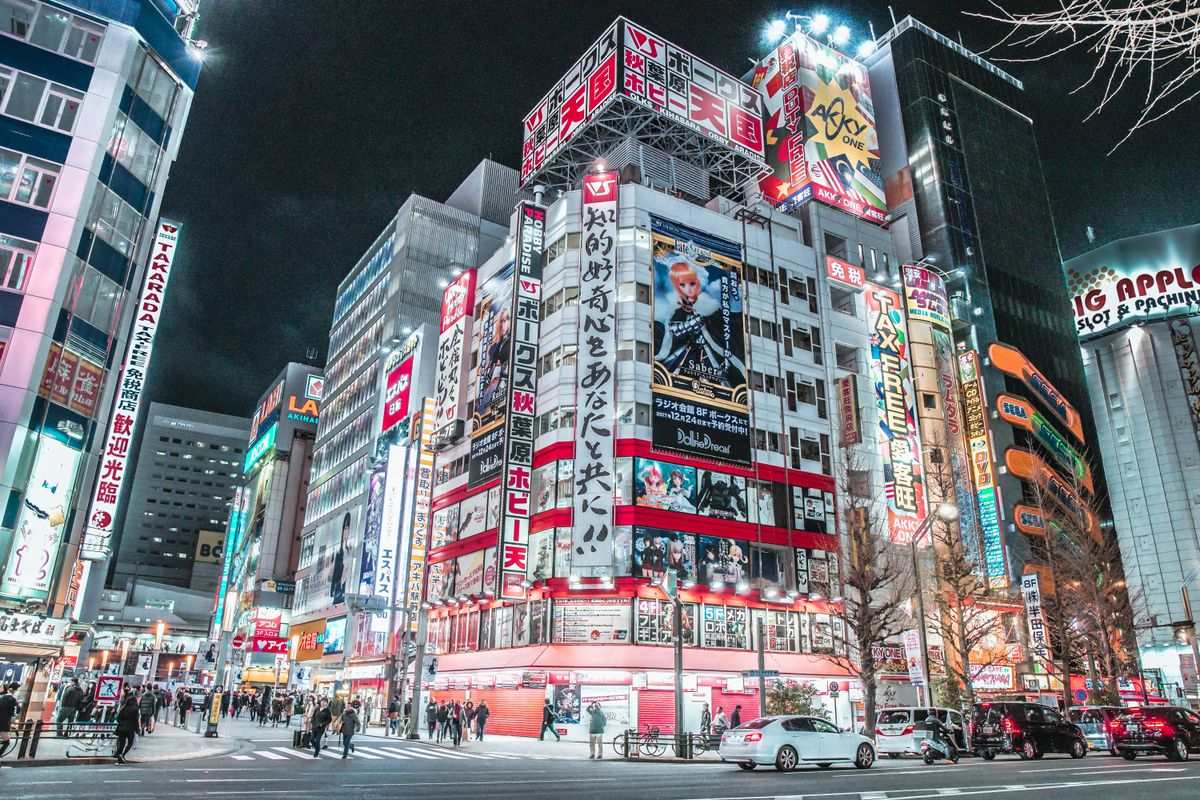
- Shinjuku for nightlife and skyline views
- teamLab digital art experiences
- Meiji Shrine and nearby parks
Kyoto
Kyoto is the cultural heart of Japan and one of the most memorable stops for travelers interested in tradition. Temples, gardens, tea houses, and old wooden streets create a very different mood from Tokyo, making it an essential contrast in most itineraries.
Highlights include Fushimi Inari Taisha, Kiyomizu-dera, Arashiyama Bamboo Grove, and the historic lanes of Gion. Arrive early at the most famous sites if you want a quieter experience. Early mornings in Kyoto are magical. Also slightly brutal if you are not a morning person, but still magical.
Osaka
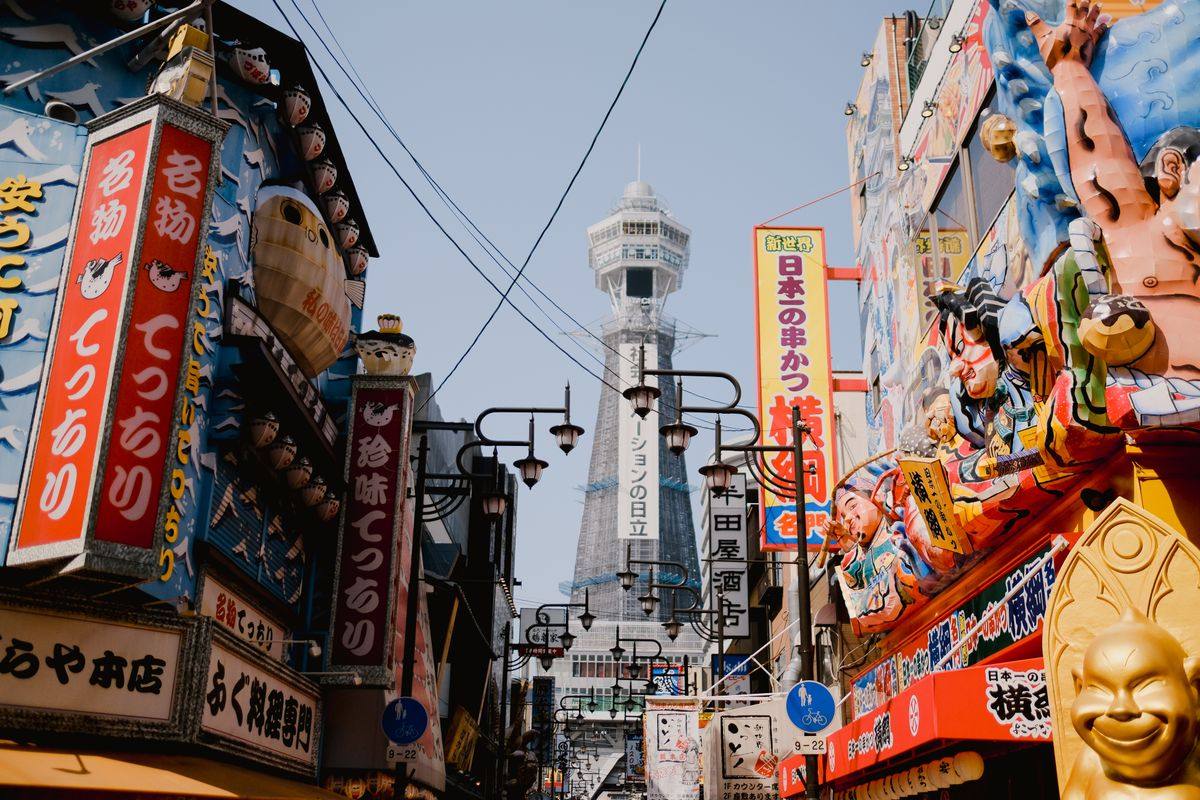
Osaka is one of Japan’s best cities for food, nightlife, and a more relaxed urban vibe. It may feel less formal than Tokyo and less contemplative than Kyoto, but that’s exactly part of its charm. It’s lively, local, and delicious.
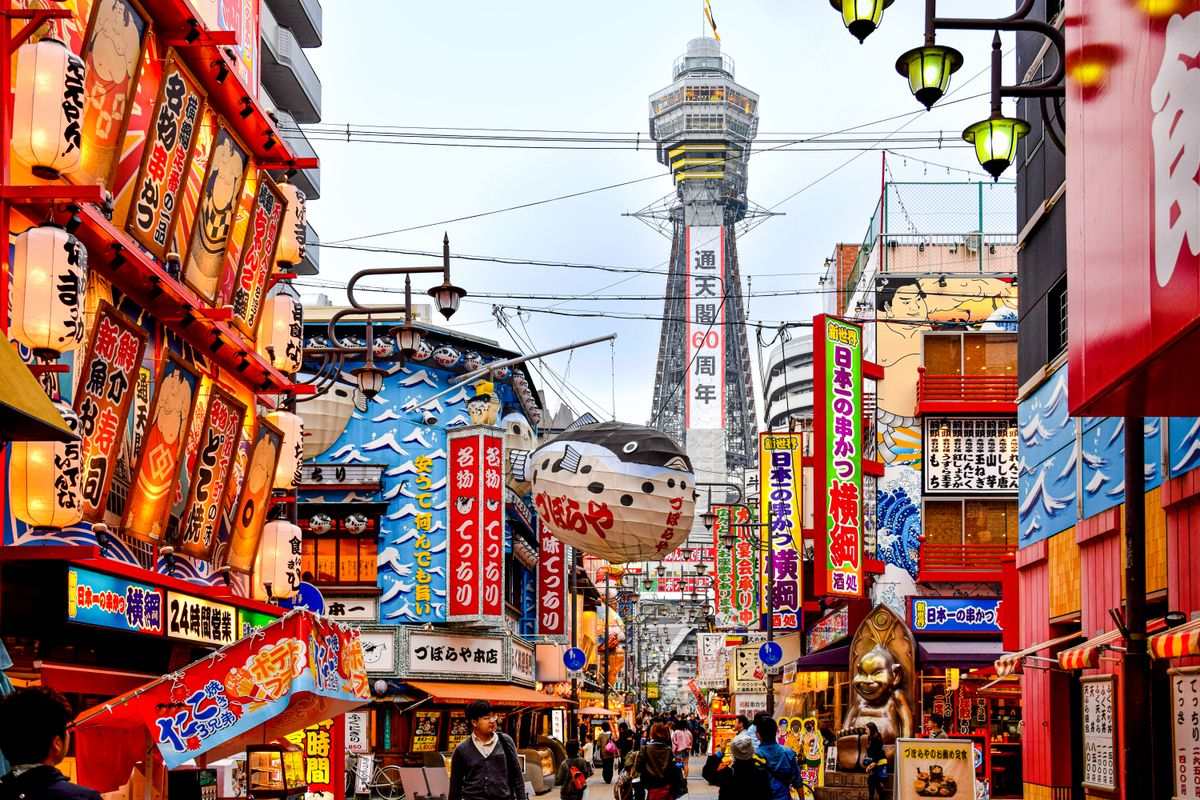
Make time for Dotonbori, Osaka Castle, Shinsekai, and a serious tasting session of takoyaki, kushikatsu, and okonomiyaki. Diet plans tend to take a temporary vacation here.
Other excellent additions
Once you’ve covered the main trio, several destinations can make your trip richer without overcomplicating logistics. These places are easy to combine with the classic route and add history, scenery, or a slower rhythm.
| Place | Why go | Best for |
|---|---|---|
| Nara | Ancient temples and famous free-roaming deer | Day trips from Kyoto or Osaka |
| Hakone | Onsen, Mount Fuji views, ryokan stays | Relaxation and scenery |
| Hiroshima | Peace Memorial Park and nearby Miyajima | History and meaningful travel |
| Kanazawa | Samurai districts, gardens, art museums | Traditional atmosphere with fewer crowds |
| Okinawa | Beaches, islands, subtropical landscapes | Summer extensions and sea lovers |
Traditional experiences worth trying
Japan is not only about sightseeing. Some of the most memorable moments come from participating in local customs and everyday rituals. Even one or two traditional experiences can change the tone of your trip and make it feel more immersive.
- Stay in a ryokan with tatami rooms and a traditional dinner
- Relax in an onsen, following local etiquette
- Join a tea ceremony in Kyoto or Tokyo
- Rent a kimono or yukata in historic districts
- Visit a shrine or temple respectfully and learn basic customs
The key is to approach these experiences with openness and a little patience. Onsen rules, for example, can seem intimidating at first, but once you understand them, it becomes one of the most relaxing parts of a Japan trip. Also, after a long day of walking, hot spring water feels less like a travel activity and more like a miracle.
Food experiences you should not miss
Japanese food is one of the country’s greatest attractions, and it goes far beyond sushi. Eating well in Japan is easy at almost every budget level, from convenience store snacks and market stalls to tiny neighborhood restaurants and tasting menus.
Try to include:
- Ramen in Tokyo, Fukuoka, or Sapporo
- Sushi and sashimi at markets or specialist restaurants
- Okonomiyaki in Osaka or Hiroshima
- Takoyaki as a street-food classic
- Izakaya dining for a casual night out
- Matcha sweets in Kyoto
- Convenience store food, surprisingly good and genuinely useful
One smart approach is to mix iconic meals with spontaneous choices. Some of Japan’s best food memories happen in places you didn’t plan at all: a ramen shop with eight seats, a market snack that looked too good to ignore, or a dessert that was purchased “just to try” and then immediately emotionally adopted.
How much budget do you need for one week in Japan
A one-week trip to Japan can work on different budgets, but costs vary a lot depending on accommodation, transport, and how many paid attractions you include. Budget travelers can manage carefully, while mid-range travelers will have a more flexible and comfortable experience with a higher daily spend.
Is $1000 enough for 1 week in Japan? It can be enough for a budget trip if you stay in hostels or simple hotels, use public transport carefully, eat at casual restaurants, and avoid too many long-distance train journeys. A very rough daily split could be:
- $30-60 for accommodation
- $20-35 for food
- $10-25 for local transport
- $10-20 for attractions and extras
That budget is possible, but it requires planning and some trade-offs.
Is $2000 enough for 1 week in Japan? Yes, for most travelers this is a comfortable mid-range budget. It usually allows better hotel options, more restaurant variety, day trips, attraction tickets, and fewer compromises. If you want a smoother trip with room for spontaneous choices, this budget is much more realistic.
Useful cultural notes for first-time visitors
Japan is welcoming and easy to travel, but understanding a few social norms helps you move more confidently. Small details such as queueing properly, speaking quietly on public transport, and respecting shared spaces make a noticeable difference.
One cultural idea travelers sometimes hear about is the 80% rule in Japan. In broad terms, it refers to moderation and not pushing things to the absolute maximum, whether in eating, effort, or behavior. It’s not a formal national law, but more a mindset connected to balance, self-control, and leaving room rather than overdoing everything. In travel terms: order the extra snack, sure, but maybe not the eleventh one. Or do. We won’t judge.
- Be punctual, especially for trains and reservations
- Carry cash, though cards are increasingly accepted
- Learn a few polite words like arigatou gozaimasu and sumimasen
- Check rules around tattoos if planning to visit an onsen
- Use trash bins when available, but expect to carry small waste sometimes
When to go for the best experience
Japan is a year-round destination, but the best season depends on what you want to see. Spring and autumn are the most popular because of cherry blossoms and fall colors, while summer and winter can be ideal for specific regions and activities.
In general:
- Spring: cherry blossoms, mild weather, busy crowds
- Summer: festivals, mountains, beaches, hot and humid cities
- Autumn: foliage, comfortable temperatures, excellent for sightseeing
- Winter: snow landscapes, hot springs, ski trips, fewer crowds in some cities
If flexibility matters more than postcard-perfect timing, late autumn and early winter can be a fantastic compromise between beauty and manageable crowds.
Planning your route without doing too much
The best Japan itinerary is usually the one that leaves breathing room. Trying to cover too many cities in a short time often turns a dream trip into a race between stations, hotel check-ins, and mild emotional attachment to luggage lockers.
For one week, a strong route could be:
- Tokyo – 3 days
- Kyoto – 2 days
- Osaka – 1 day
- Nara or Hakone – 1 day
For 10 to 14 days, you can add Hiroshima, Kanazawa, or a ryokan and onsen stay. Prioritize quality over quantity. Japan is one of those places that almost always deserves a return trip.
Your Japan trip starts with the right mix of icons and surprises
The best experiences in Japan come from balancing famous landmarks with everyday discoveries. See the must-visits, absolutely, but also leave space for the small moments: a local bakery near the station, a lantern-lit alley, a quiet garden, a meal you can’t quite pronounce but will remember forever.
If you want to experience Japan in a more social, easygoing, and adventure-filled way, it’s worth exploring the WeRoad group trips in Japan.
FAQ
- What are the best things to do in Japan for first-time visitors?
-
For a first trip, focus on Tokyo, Kyoto, and Osaka, then add one traditional or scenic stop like Nara, Hakone, or Hiroshima. This mix covers modern cities, historic sites, food, and culture without overloading the itinerary.
- How many days do you need in Japan?
-
Seven days is enough for a first overview, especially if you stick to Tokyo, Kyoto, and Osaka. Ten to fourteen days is ideal if you also want day trips, a ryokan stay, or extra destinations such as Hiroshima or Kanazawa.
- Is Japan expensive for tourists?
-
Japan can be more affordable than many travelers expect. Food quality is high even at low prices, public transport is efficient, and there are accommodation options for different budgets. Long-distance trains and peak-season hotels are usually the biggest costs.
- What is the best time to visit Japan?
-
Spring and autumn are the most popular for weather and scenery. Spring is best for cherry blossoms, while autumn is excellent for foliage and comfortable temperatures. Winter is great for snow and onsen, and summer works well for festivals and beach destinations.
- Do you need to speak Japanese to travel in Japan?
-
No, you can travel comfortably with basic English in major destinations, signage, and translation apps. Still, learning a few polite Japanese phrases is helpful and appreciated, especially in smaller towns and local restaurants.