
In a nutshell
- Start with the essentials: the French Quarter, Jackson Square, St. Louis Cathedral and the Mississippi riverfront offer the strongest first introduction to New Orleans, combining history, architecture, street life and easy walkability in one compact area.
- Explore different neighborhoods: the Garden District adds elegant homes and oak-lined streets reached by the historic streetcar, while Bywater and Marigny bring a more local, creative side with murals, independent venues and excellent live music.
- Make food a central part of the trip: Café du Monde, beignets, gumbo, po’boys, chargrilled oysters and seafood boils are not side notes but core experiences that define the city as much as its landmarks do.
- Give music proper space in your itinerary: Frenchmen Street is one of the best areas for live jazz and nightlife, and the New Orleans Jazz Museum adds context to the city’s deep musical identity beyond the evening entertainment scene.
- Three days is the ideal first visit: it allows enough time to cover major attractions, enjoy local food, ride the streetcar, discover more than one neighborhood and add an extra activity like a river cruise or a culturally meaningful day trip outside the city.
New Orleans is one of those cities that doesn’t just welcome you, it sweeps you into a brass band and hands you a powdered-sugar-covered pastry before you can ask what day it is. Between music, food, history and neighborhoods with wildly different personalities, there’s always something happening and usually something delicious nearby.
This guide brings together the best experiences in the city, from iconic landmarks to local flavors and easy ways to plan your days. Whether you have 24 hours or a long weekend, you’ll find plenty of memorable stops without turning your trip into a military operation. This is New Orleans, after all, not a spreadsheet.
What to see first in New Orleans
If it’s your first time in the city, start with the essentials: the French Quarter, Jackson Square, the riverfront and at least one live music venue. These places introduce the architecture, sound and atmosphere that make New Orleans so distinct. They are central, walkable and easy to combine in one day.
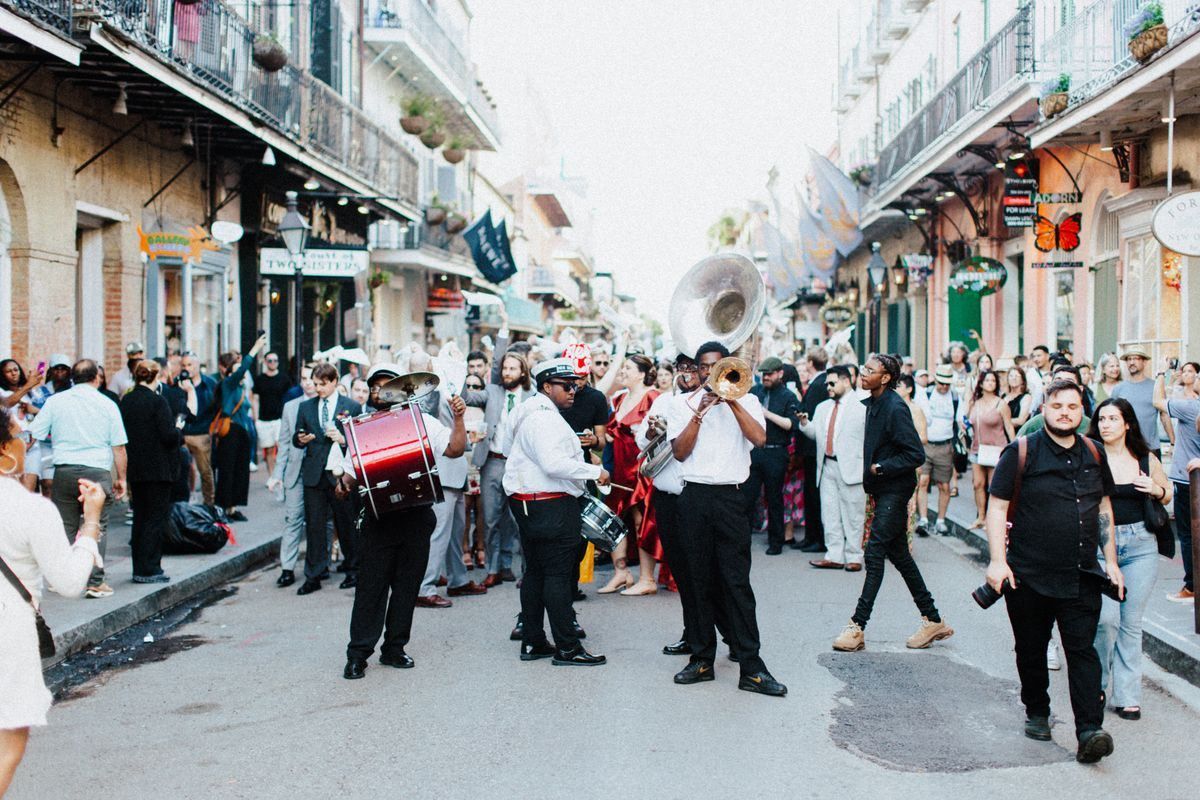
The French Quarter is the historic heart of the city, and yes, it really is as atmospheric as people say. You’ll find iron balconies, colorful facades, street performers, old-school bars and enough sensory overload to keep your camera very busy. Wander without rushing: some of the best moments here are the unplanned ones.
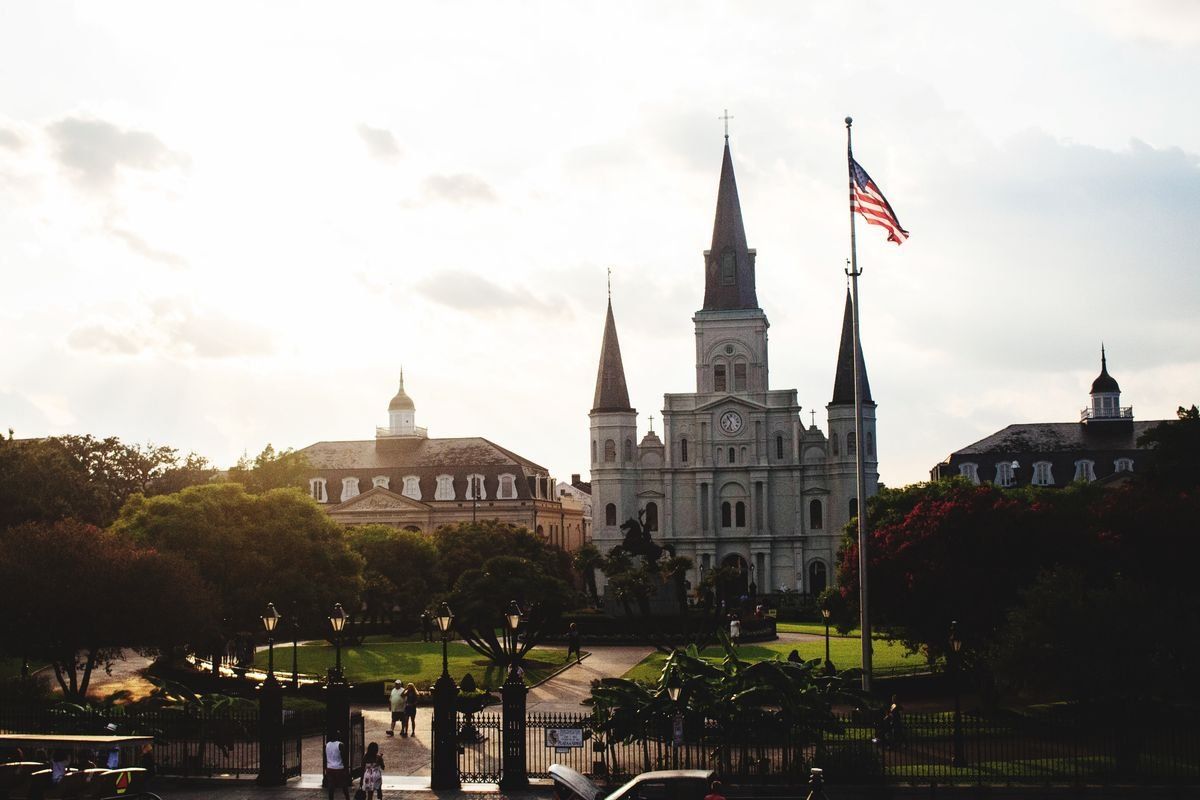
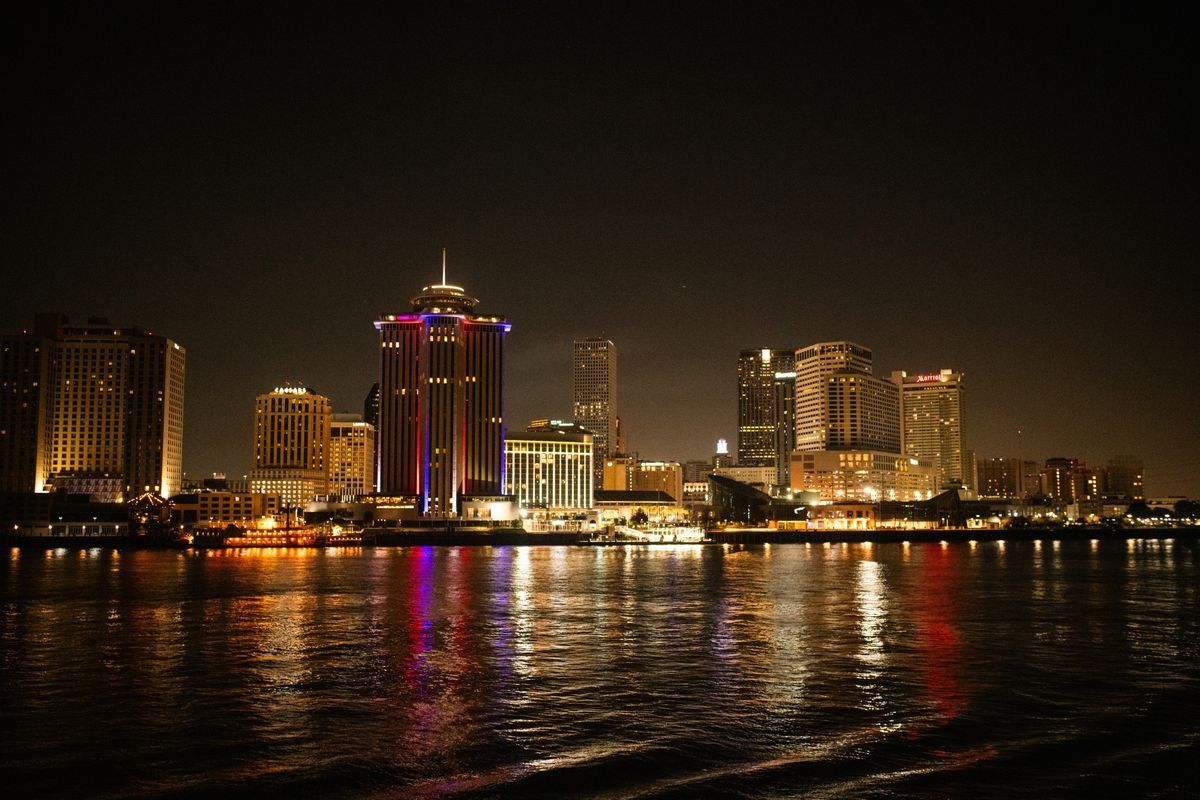
Jackson Square is one of the most iconic stops. Framed by artists, musicians and the elegant St. Louis Cathedral, it’s a great place to pause and absorb the city’s rhythm. Nearby, the riverfront along the Mississippi offers open views and a chance to reset before diving back into the buzz.
And then there’s Bourbon Street. You should absolutely see it, especially at night, when neon, music and party energy collide in a way that is equal parts chaotic and fascinating. It’s not the whole city, and locals will remind you of that quickly, but it’s part of the New Orleans experience. Consider it cultural research with a soundtrack.
Best neighborhoods to explore
New Orleans is best understood neighborhood by neighborhood. Each area reveals a different side of the city, from elegant mansions and quiet avenues to murals, clubs and laid-back local hangouts. Exploring beyond the French Quarter gives your trip more depth and helps balance the famous sights with everyday city life.
French Quarter
The French Quarter is the classic starting point for visitors thanks to its landmarks, historic buildings and nonstop atmosphere. It is compact, lively and full of places to eat, drink and listen to music. Staying or spending time here makes moving around easy, especially on a short trip.
Come in the morning for a calmer stroll, then return after dark when the area takes on a completely different personality. Royal Street is often more relaxed and refined than Bourbon, with galleries, antique shops and buskers that make wandering feel less like sightseeing and more like accidental time travel.
Garden District
The Garden District offers a quieter and more residential contrast, known for grand historic homes, leafy streets and beautiful architecture. It is ideal if you want a slower pace for a few hours while still staying connected to the city’s history and visual charm.
The easiest way to reach it is by hopping on the historic St. Charles streetcar. The ride itself is part of the fun and one of the city’s simplest pleasures. Once there, walk under massive oak trees, admire the porches and columns, and embrace your temporary role as a highly unqualified mansion critic.
Bywater and Marigny
Bywater and Marigny are creative, colorful districts known for street art, music venues and a more local feel. They work especially well for travelers who want something slightly less polished and more character-driven, without going far from the center.
Bywater has a bohemian vibe, bold murals and plenty of photogenic corners, while nearby Frenchmen Street in Marigny is one of the best places for live music in the city. If Bourbon Street is the loud extrovert at the party, Frenchmen is the cool friend with excellent taste and no need to shout about it.
The best food experiences in the city
Food is one of the main reasons to visit New Orleans. The local cuisine blends French, Spanish, African and Creole influences, creating dishes that feel rich, comforting and full of personality. Prioritize iconic specialties and mix famous spots with neighborhood favorites for the most complete experience.
Start with Café du Monde, open since 1862 and still one of the city’s rituals. Order coffee and beignets, prepare for the sugar cloud, and accept that looking neat is no longer an option. It’s touristy, yes, but also genuinely part of the city’s identity.
Then move on to the savory heavy-hitters:
- Gumbo, the signature local dish, rich and deeply flavored
- Po’boys, especially fried seafood versions, often served on crusty bread
- Chargrilled oysters, smoky, buttery and impossible to eat elegantly
- Seafood boils with shrimp, crab and corn for a full messy-table experience
- Jambalaya and other Creole classics worth fitting in whenever possible
For a more local-feeling meal, explore areas like Oak Street or Magazine Street, where you’ll find po’boy shops, neighborhood restaurants and less of the “I just bought three neon daiquiris” energy. New Orleans rewards appetite, curiosity and slightly poor self-control around menus.
Live music, jazz and nightlife
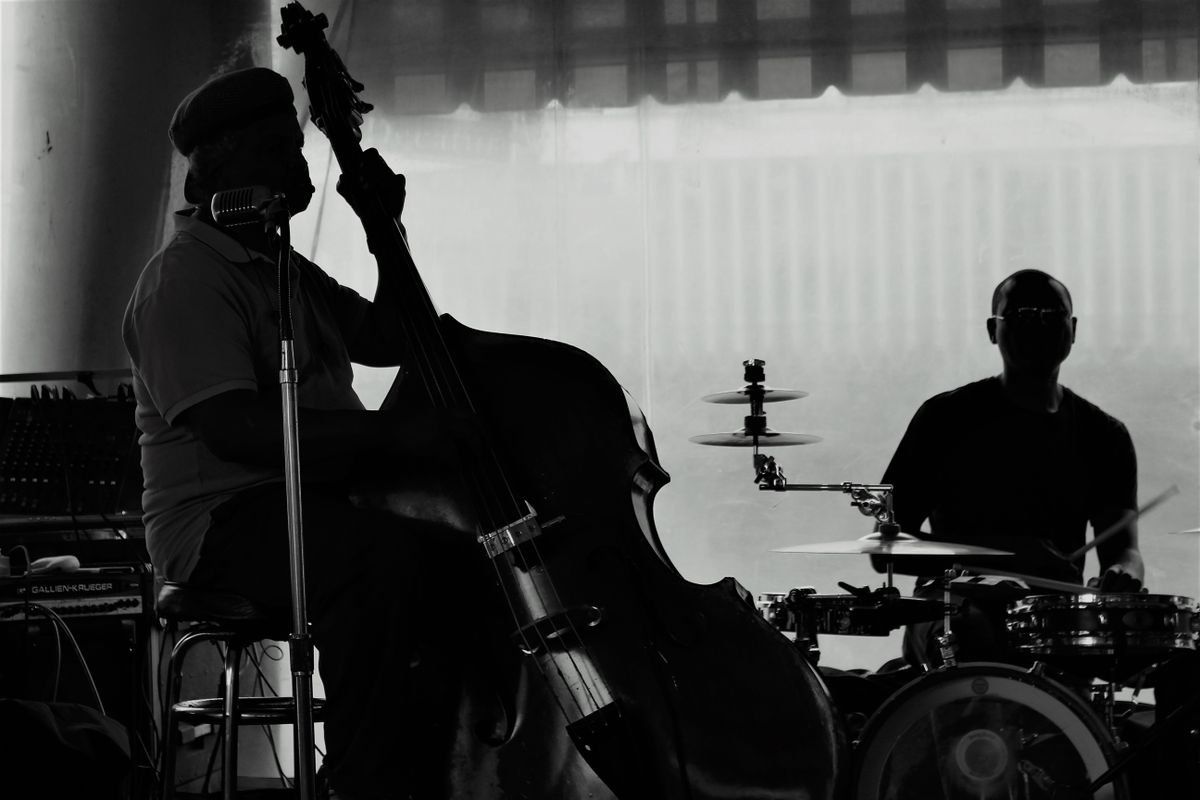
Music is central to the identity of New Orleans, not just an activity for visitors. Jazz, brass, funk and blues are woven into the city’s daily life, from formal venues to street corners. Even a short visit should include at least one dedicated music stop in the evening.
For classic jazz, head to Frenchmen Street, where clubs and bars host live performances almost every night. The atmosphere is lively but usually less overwhelming than Bourbon Street, and the focus is more on the music itself. You can venue-hop and discover very different sounds within a few blocks.
The New Orleans Jazz Museum is also worth adding to your itinerary. It provides context for the city’s musical legacy and helps connect the dots between the legends, the neighborhoods and the sounds you’ll hear while walking around. It’s a smart stop if you want more than just the nightlife version of jazz.
If you enjoy cocktails with your music, New Orleans makes that comically easy. Just pace yourself: the city has a friendly habit of turning “one drink before dinner” into “how am I suddenly listening to trombone solos at midnight?”
How many days do you need?
Three days is enough to experience the highlights of New Orleans at a satisfying pace. You can cover the main historic areas, enjoy key food experiences, hear live music and add one museum or neighborhood beyond the center. A shorter stay still works, but you will need to prioritize.
| Time available | What to focus on | Recommended pace |
|---|---|---|
| 1 day | French Quarter, Jackson Square, beignets, one music venue | Fast but doable |
| 3 days | Major sights, Garden District, food highlights, nightlife | Best balance |
| 4-5 days | Add museums, Bywater, river cruise or day trip | More relaxed and complete |
One day in New Orleans
With only one day, keep your plan compact and centered around the historic core. The best route combines culture, food and music without spending too much time in transit. Focus on the areas that deliver the strongest first impression.
- Breakfast with beignets and coffee
- Walk through Jackson Square and visit St. Louis Cathedral
- Explore the French Quarter on foot
- Have a classic lunch such as gumbo or a po’boy
- End the day with live music on Frenchmen Street or along Bourbon Street
Three days in New Orleans
With three days, you can build a more complete itinerary that includes food, history, music and different neighborhoods. This timeframe suits most travelers and allows room for spontaneous stops, which is useful in a city that constantly distracts you in the best way.
A practical plan could look like this:
- Day 1: French Quarter, Jackson Square, beignets, Bourbon Street at night
- Day 2: Streetcar ride, Garden District, Magazine Street, evening jazz
- Day 3: Bywater, Jazz Museum, riverfront or a cruise on the Mississippi
Day trips and extra experiences
Once you’ve covered the city’s core areas, New Orleans also offers rewarding experiences just beyond downtown. These additions work well if you have extra time and want a broader view of Louisiana’s culture, landscapes and history.
A Mississippi River cruise is an easy add-on, especially if you want a slower-paced activity after a lot of walking. A swamp tour is another classic option and gives you access to a very different natural environment. If history interests you, visiting a plantation house outside the city can provide important cultural context, particularly when choosing sites that address the realities of slavery with care and depth.
The WeRoad tip
Build one perfect day around flavors, rhythm and a little extra curiosity
To catch a side of New Orleans that feels both classic and personal, start early at Café du Monde with coffee and a plate of beignets while the French Quarter is still stretching awake. Then walk through Jackson Square and past St. Louis Cathedral before the crowds thicken, so you can actually hear the city warming up instead of just the selfie sticks clicking into position.
Later, ride one of the historic streetcars for the simple pleasure of seeing the city unfold at a slower pace, then save your appetite for the good stuff: a bowl of gumbo, a proper po’boy, and if dinner turns gloriously over the top, chargrilled oysters or a seafood boil. In between, carve out time for Bywater, where murals, color and a slightly offbeat charm show a different face of the city. If you have one extra half day, go beyond town and walk the oak-lined avenue of a historic plantation site that approaches Louisiana’s past with honesty and context. New Orleans knows how to party, sure, but it also knows how to tell a deeper story.
Practical tips for visiting New Orleans
New Orleans is easy to enjoy when you plan around heat, walking distances and nightlife patterns. Comfortable shoes, flexible timing and a realistic attitude toward humidity will make a big difference. The city is casual in many ways, but practical preparation still matters.
- Use the streetcars for scenic rides, especially to the Garden District
- Book popular restaurants and jazz clubs in advance when possible
- Carry water, especially in warmer months
- Walk busy areas with awareness at night, as in any major city
- Leave room in your itinerary for music you hear by chance and food you did not plan for
New Orleans is at its best when you combine iconic stops with a little spontaneity. See the landmarks, eat the classics, listen to jazz somewhere intimate and explore at least one neighborhood beyond the obvious. Then let the city do what it does best: surprise you.
If you want to experience New Orleans with new travel mates and a ready-made plan full of unforgettable moments, check out the WeRoad group trips for this destination.
FAQ
- What should I not miss in New Orleans?
-
Do not miss the French Quarter, Jackson Square, St. Louis Cathedral, live jazz on Frenchmen Street and at least one classic local meal with beignets, gumbo or a po’boy.
- Is 3 days enough for New Orleans?
-
Yes, three days is enough for a first trip. You can see the main highlights, explore a few neighborhoods, enjoy the food scene and experience the nightlife without feeling too rushed.
- What to do in New Orleans if you only have one day?
-
Focus on the French Quarter, have coffee and beignets, walk around Jackson Square, eat a classic Creole lunch and finish with live music in the evening on Frenchmen Street or Bourbon Street.
- What are some fun things for adults to do in New Orleans today?
-
Adults can enjoy cocktail bars, jazz clubs, food tours, streetcar rides, river cruises, neighborhood walks in the Garden District or Bywater and lively nightlife across the French Quarter and Frenchmen Street.
- Is Bourbon Street worth visiting?
-
Yes, especially once, to understand its energy and nightlife. It is lively, loud and iconic, but it should be balanced with other areas like Royal Street or Frenchmen Street for a fuller view of the city.