In a nutshell
- Buenos Aires is ideal for first-time visitors because it combines major cultural landmarks, walkable neighborhoods, strong food identity, and lively nightlife in one city that can be explored at different budgets.
- The most rewarding areas to explore are San Telmo, Recoleta, Palermo, and La Boca, each offering a distinct atmosphere, from historic markets and elegant streets to trendy restaurants and colorful urban scenes.
- Tango is a must, but it is best experienced in different formats: a polished show for spectacle, a milonga for authenticity, or a beginner lesson to understand the social heart of the dance.
- Food is one of the city’s biggest highlights, especially parrillas, cafés, empanadas, pastries, and ice cream, with a recommended stop at El Obrero, the historic restaurant where Diego Maradona used to eat in the 1980s.
- Three to five days is the sweet spot for most travelers, giving enough time for core sights like Teatro Colón and El Ateneo, plus neighborhood wandering, dining, and possibly a day trip.
Buenos Aires is one of those cities that grabs you by the hand, straightens your collar, and says, “Come on, we’re doing culture, carbs, and late nights.” Elegant but chaotic, nostalgic yet constantly moving, the Argentine capital is built for wandering. If you are searching for the best things to do in Buenos Aires, start with its neighborhoods, its food, and of course, the unmistakable rhythm of tango.
What makes the city so memorable is not just a checklist of landmarks. It is the way a morning coffee in Recoleta, an afternoon market in San Telmo, and a steak dinner in Palermo somehow feel like three different cities stitched together. Buenos Aires rewards slow exploration, a healthy appetite, and shoes that can handle long walks and spontaneous detours.
Why Buenos Aires deserves a spot on your itinerary
Buenos Aires is a rewarding destination for travelers because it combines architecture, nightlife, local character, and food culture in a way few cities do. It is easy to fill several days here with iconic sights, neighborhood strolls, museums, café stops, and evening entertainment without ever feeling rushed or repetitive.
People often call it the Paris of South America, but that only tells half the story. Yes, there are grand boulevards, belle époque buildings, and glamorous cafés. But there is also football passion, street art, political history, smoky parrillas, and a dinner schedule that politely ignores all normal bedtime rules.
- For first-time visitors: expect a city of contrasts, with elegant districts next to rougher, more bohemian areas.
- For food lovers: come hungry for steak, empanadas, medialunas, pizza, and ice cream.
- For culture fans: tango, opera, bookstores, museums, and live music are part of everyday life.
What not to miss in Buenos Aires
The city’s essential experiences include tango, a few standout neighborhoods, classic architecture, and memorable meals. If you want a balanced first visit, focus on San Telmo, Recoleta, Palermo, La Boca, Teatro Colón, and one proper parrilla, then leave room for unplanned discoveries between them.
If your schedule is tight, these are the experiences worth building your days around:
- Watch or try tango in a milonga or live venue.
- Visit Recoleta Cemetery and stroll the elegant streets nearby.
- Spend time in San Telmo, especially on Sunday market day.
- Explore the cafés, boutiques, and restaurants of Palermo.
- See the colorful facades of La Boca during the day.
- Tour Teatro Colón, one of the world’s great opera houses.
- Eat at least one serious steak dinner and one very unserious amount of ice cream.
| Area or attraction | Why go | Best for |
|---|---|---|
| San Telmo | Historic streets, antiques, tango atmosphere | Markets, history, local vibe |
| Recoleta | Elegant architecture, famous cemetery, cafés | Classic sightseeing |
| Palermo | Restaurants, nightlife, parks, shopping | Food and social scene |
| La Boca | Colorful streets and football heritage | Photos and iconic atmosphere |
| Teatro Colón | World-class interiors and acoustics | Culture and architecture |
Explore the neighborhoods that shape the city
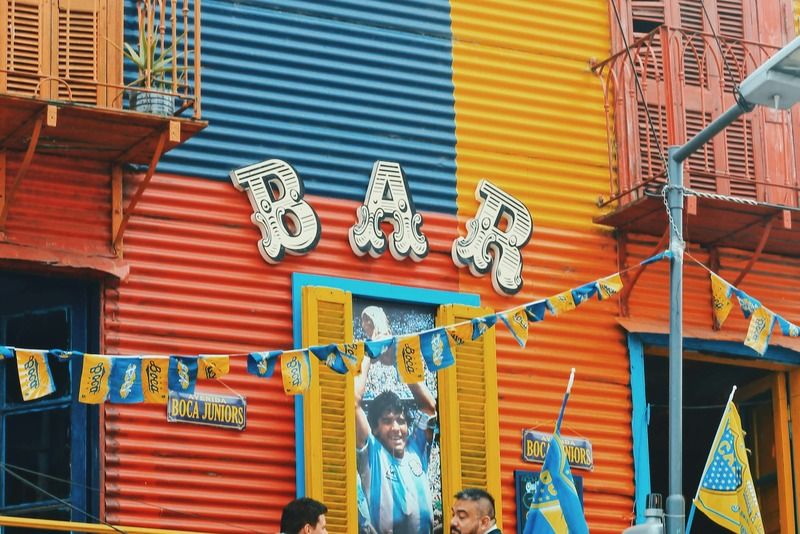
The best way to understand Buenos Aires is through its neighborhoods. Each one has a distinct mood, architecture, and rhythm, so moving between them changes your whole experience. A good itinerary mixes historical districts with residential areas, busy food zones, and open green spaces.
San Telmo
San Telmo is one of the oldest and most atmospheric parts of Buenos Aires. It is known for cobbled streets, antique shops, old mansions, tango corners, and a strong sense of history. Visiting on Sunday is especially rewarding thanks to the famous open-air market.
This is where the city gets a little more dramatic, in the best possible way. Think peeling facades, hidden courtyards, musicians on street corners, and the feeling that someone nearby definitely owns a vintage lamp they would die for. Pop into Mercado de San Telmo for snacks, browsing, and a peek into daily life.
Recoleta
Recoleta offers a more polished side of the city, with refined buildings, leafy streets, and some of Buenos Aires’ most famous landmarks. It is ideal for travelers interested in architecture, slow café breaks, and a central location for sightseeing.
The headline stop is Recoleta Cemetery, where mausoleums look more like miniature palaces than graves. It sounds morbid, but it is actually fascinating and strangely beautiful. Afterward, reward yourself with coffee and pastry nearby because emotional support croissants are always valid.
Palermo
Palermo is the city’s most popular district for dining, nightlife, design shops, and parks. It is large and varied, with sections like Palermo Soho and Palermo Hollywood offering different atmospheres, but both are great for wandering without a rigid plan.
This is the neighborhood where one casual walk can somehow become brunch, shopping, cocktails, dinner, and “just one more drink.” It is a dangerous place for anyone pretending to stick to a schedule. Between the tree-lined streets and stylish storefronts, Palermo is excellent for people-watching and even better for eating.
La Boca
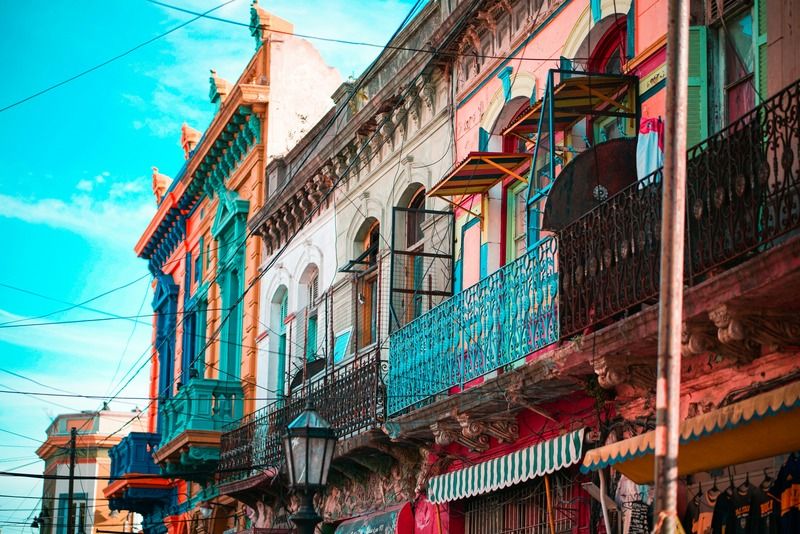
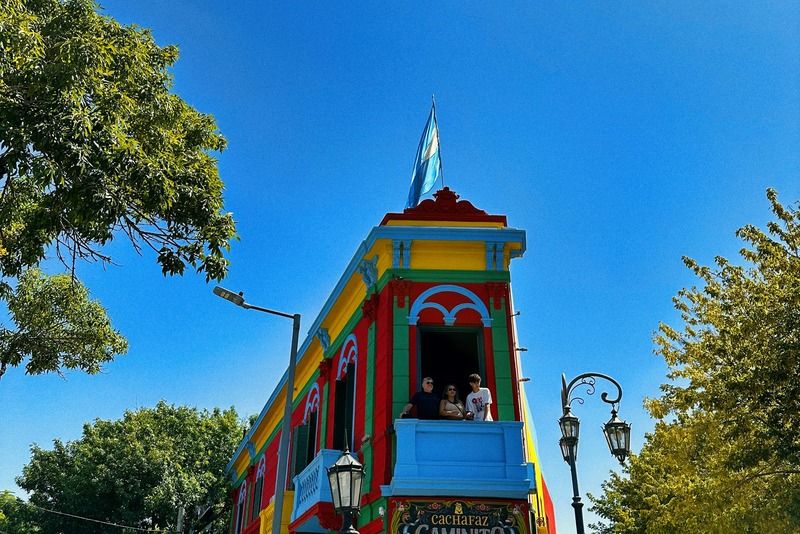
La Boca is famous for its bright houses, artistic energy, and football identity. It is best visited during the day, especially around Caminito, and works well as a shorter stop combined with another nearby neighborhood or attraction.
Yes, it is touristy. Yes, you will still take photos. The painted buildings and street performers are part of the classic Buenos Aires image for a reason. Just stay aware of your surroundings, stick to the main visited areas, and avoid wandering here late at night.
Tango experiences beyond the cliché
Tango is one of the defining cultural experiences in Buenos Aires, but it does not have to mean a formal tourist dinner show. The city offers different ways to experience it, from polished performances to neighborhood milongas where locals dance for real.
If you want the full theatrical package, book a professional show. If you want something more authentic, look for a milonga, where tango is social rather than staged. Even better, take a beginner lesson first. You may not become a dance legend in one hour, but you will at least understand why everyone looks so intense while moving three centimeters.
- For first-timers: book a tango lesson plus milonga experience.
- For culture lovers: choose a historic venue with live orchestra.
- For romantics: go in the evening and stay for the atmosphere, even if you do not dance.
Where to eat in Buenos Aires
Food is central to the Buenos Aires experience, and meals here often become highlights of the trip. The city is especially famous for parrillas, old-school cafés, pizza, pastries, and late dinners, so it is worth planning your days with appetite in mind.
Start with an Argentine steak at a respected parrilla. In Palermo, places like Don Julio are famous for good reason, though booking ahead helps. For a classic café moment, try historic spots such as Café Tortoni. And for lunch with a side of football nostalgia, make time for El Obrero in La Boca, the historic restaurant where Diego Maradona used to eat back in the 1980s. The walls tell stories before the menu even arrives.
Do not stop at steak. Buenos Aires is also great for:
- Empanadas for an easy lunch or snack
- Milanesa for comforting, crispy satisfaction
- Medialunas with coffee in the morning
- Argentine pizza, often thick, cheesy, and gloriously excessive
- Helado, the local obsession that makes “just one scoop” a charming lie
Classic attractions worth your time
Buenos Aires has several major attractions that are genuinely worth visiting, especially for first-time travelers. The strongest picks combine architectural beauty, cultural importance, and a sense of place rather than simply being famous for the sake of fame.
Prioritize these standout sights:
- Teatro Colón for one of the world’s most beautiful opera houses
- El Ateneo Grand Splendid for a spectacular bookstore inside a former theater
- Plaza de Mayo for political history and central landmarks
- MALBA for modern Latin American art
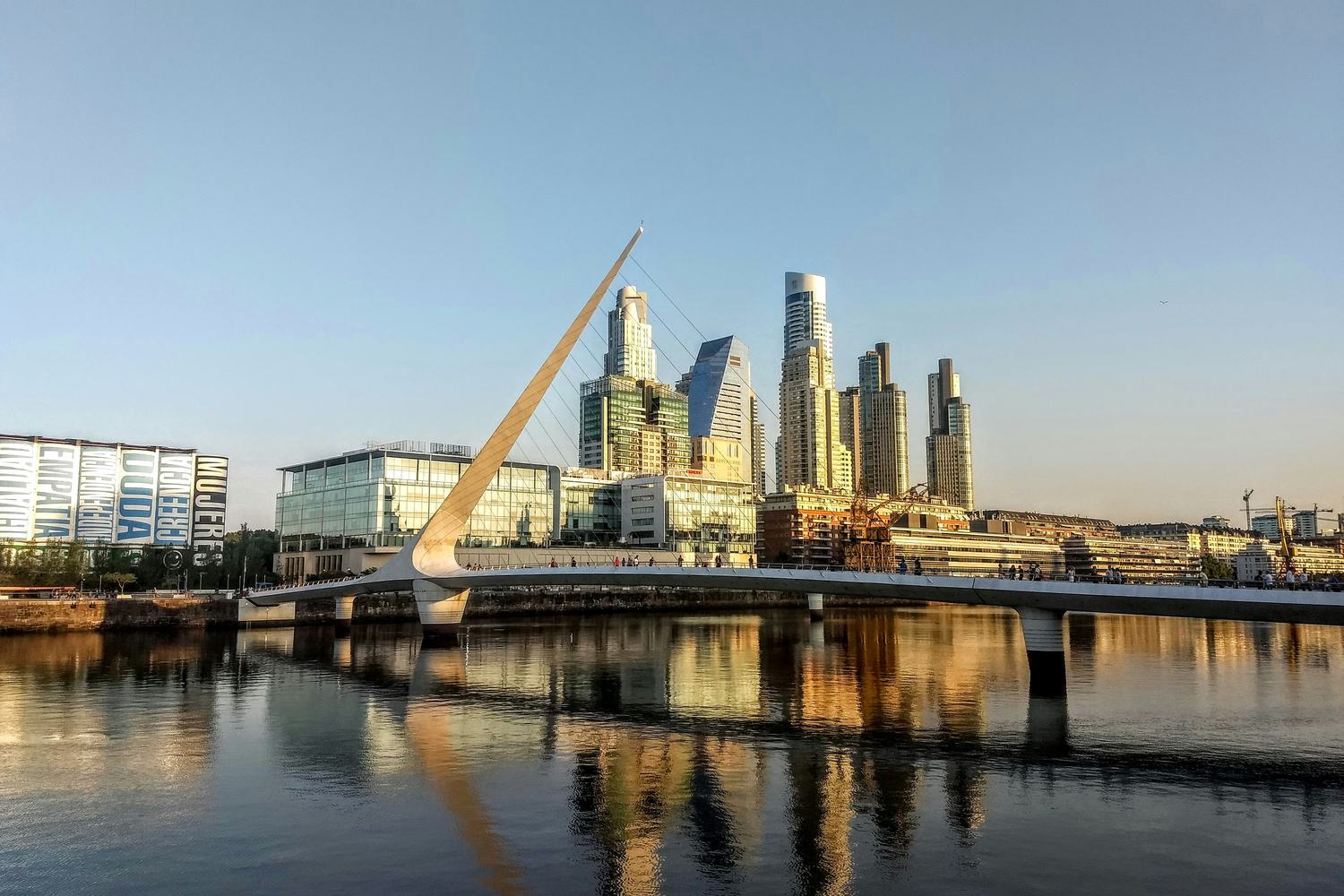
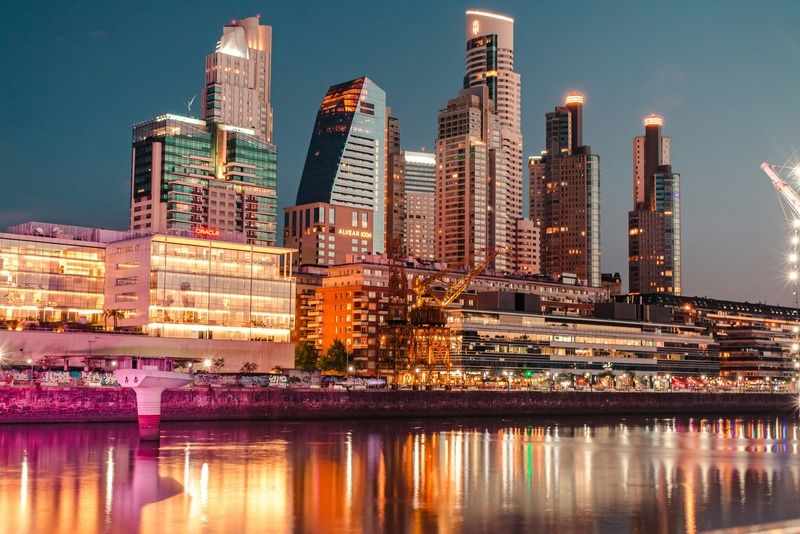
- Puerto Madero for a waterfront walk and contemporary skyline views
El Ateneo deserves special mention because few bookstores can make you feel underdressed for buying a paperback. It is beautiful, photogenic, and still functional, which is a lovely combination.
Is Buenos Aires expensive for tourists?
Buenos Aires can be affordable or relatively pricey depending on exchange rates, season, and your travel style. In general, it is possible to enjoy the city on a moderate budget, especially when using public transport, mixing casual meals with splurge dinners, and staying outside the most upscale hotel categories.
Compared with many major cities in Europe or North America, Buenos Aires often feels good value. Museums can be affordable, taxis are usually manageable, and neighborhood cafés remain one of life’s great bargains. Your wallet may survive the city. Your self-control in bakeries, however, stands no chance.
How many days do you need in Buenos Aires?
Most travelers need at least three full days to see the city’s highlights, while four to five days allows for a more complete experience. With extra time, you can add slower neighborhood exploration, museum visits, nightlife, and a day trip beyond the city center.
A practical breakdown looks like this:
- 3 days: main neighborhoods, tango, classic landmarks, one excellent dinner
- 4 days: add museums, parks, and a more relaxed pace
- 5 days: include a day trip such as Tigre or an estancia experience
If you only have a weekend, focus on Recoleta, San Telmo, Palermo, and one evening dedicated to tango and food. If you have longer, the city becomes even better because Buenos Aires is less about rushing and more about sinking into its rhythm.
A final taste of the city
Buenos Aires is best experienced as a mix of planned highlights and spontaneous moments. The famous sights matter, but so do the small rituals: a cortado at the counter, a leafy afternoon in Palermo, a late dinner that turns into midnight, and a song drifting from somewhere you were not even planning to stop.
If you want a city break with personality, appetite, and a little dramatic flair, this one delivers. And if Buenos Aires has already made it onto your wish list, it might be the perfect moment to discover the WeRoad group tours to Argentina and share the adventure with fellow travelers.
FAQ
- Is Buenos Aires good for tourists?
-
Yes, Buenos Aires is a very good destination for tourists thanks to its cultural attractions, food scene, varied neighborhoods, and relatively easy transport. As in any large city, it is wise to stay aware of your belongings and use common sense in less touristy areas.
- What is the best neighborhood to stay in Buenos Aires?
-
Palermo is great for restaurants and nightlife, Recoleta is ideal for elegance and central sightseeing, and San Telmo suits travelers who prefer history and a more atmospheric, local feel.
- Can you visit Buenos Aires without speaking Spanish?
-
Yes, especially in hotels, restaurants, and major tourist areas. Still, learning a few basic Spanish phrases helps a lot and is always appreciated by locals.
- What food should I try first in Buenos Aires?
-
Start with a classic steak at a parrilla, then move on to empanadas, medialunas, milanesa, pizza, and helado. The city takes all of these very seriously, as it should.
- Is Buenos Aires safe to walk around?
-
Many central and popular neighborhoods are walkable during the day, including Recoleta, Palermo, and parts of San Telmo. At night, use extra caution, avoid isolated streets, and move by trusted taxi or ride app when needed.